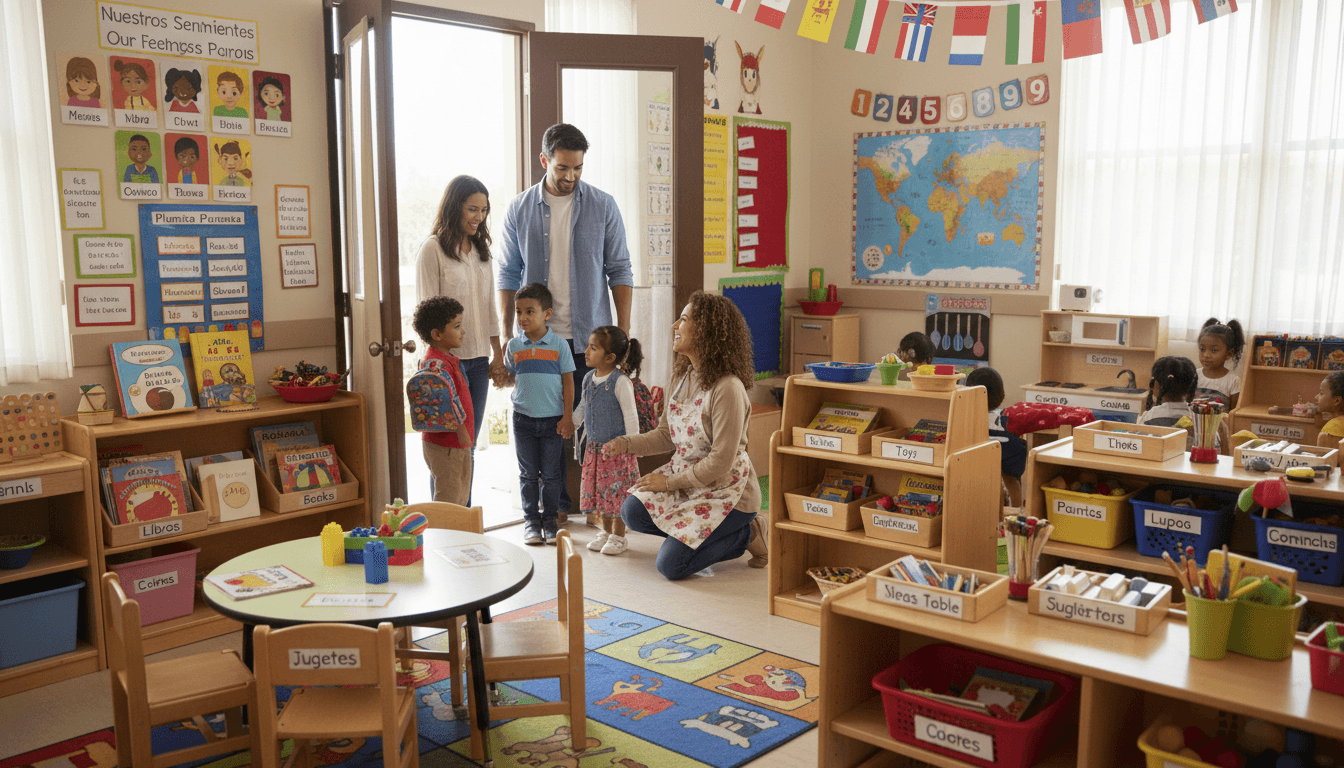
Preschool Screen Time Policy Newsletter: Communicating Media Guidelines to Families
How preschool teachers can use newsletters to explain screen time recommendations for young children, describe the school's media policy, and help families navigate screen time decisions at home without guilt or judgment.

Preschool Sensory Play Newsletter: Explaining Sensory Learning to Families
How preschool teachers can use newsletters to explain sensory play to families, describe the cognitive and physical development happening at the sensory table, and help parents set up simple sensory activities at home.
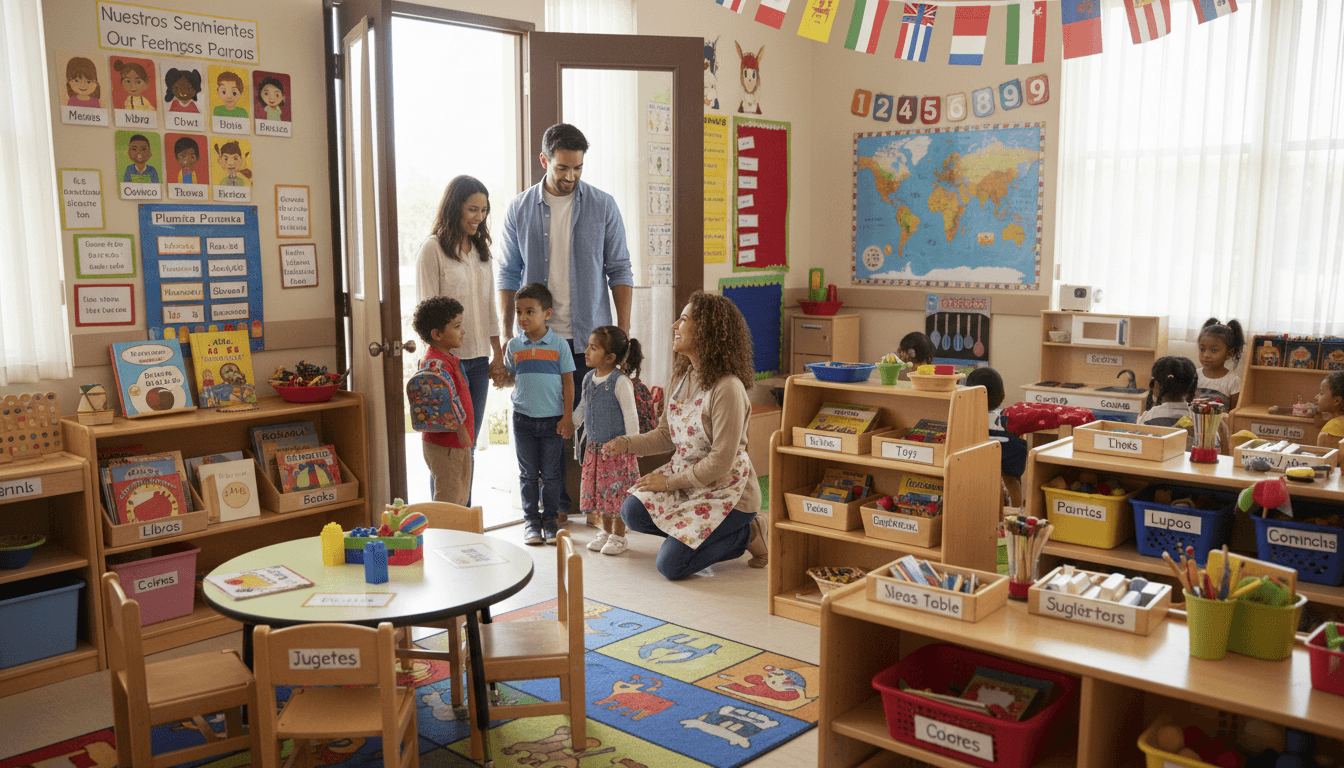
Preschool Separation Anxiety Newsletter: What to Say to Families
How to write a preschool newsletter that addresses separation anxiety directly, gives parents a practical script for drop-off, and reduces morning meltdowns for everyone.
Preschool Nap and Rest Time Policy Newsletter: What to Tell Families
How preschool teachers can communicate rest time policies to families in a way that reduces conflict, sets clear expectations, and respects different home sleep schedules.
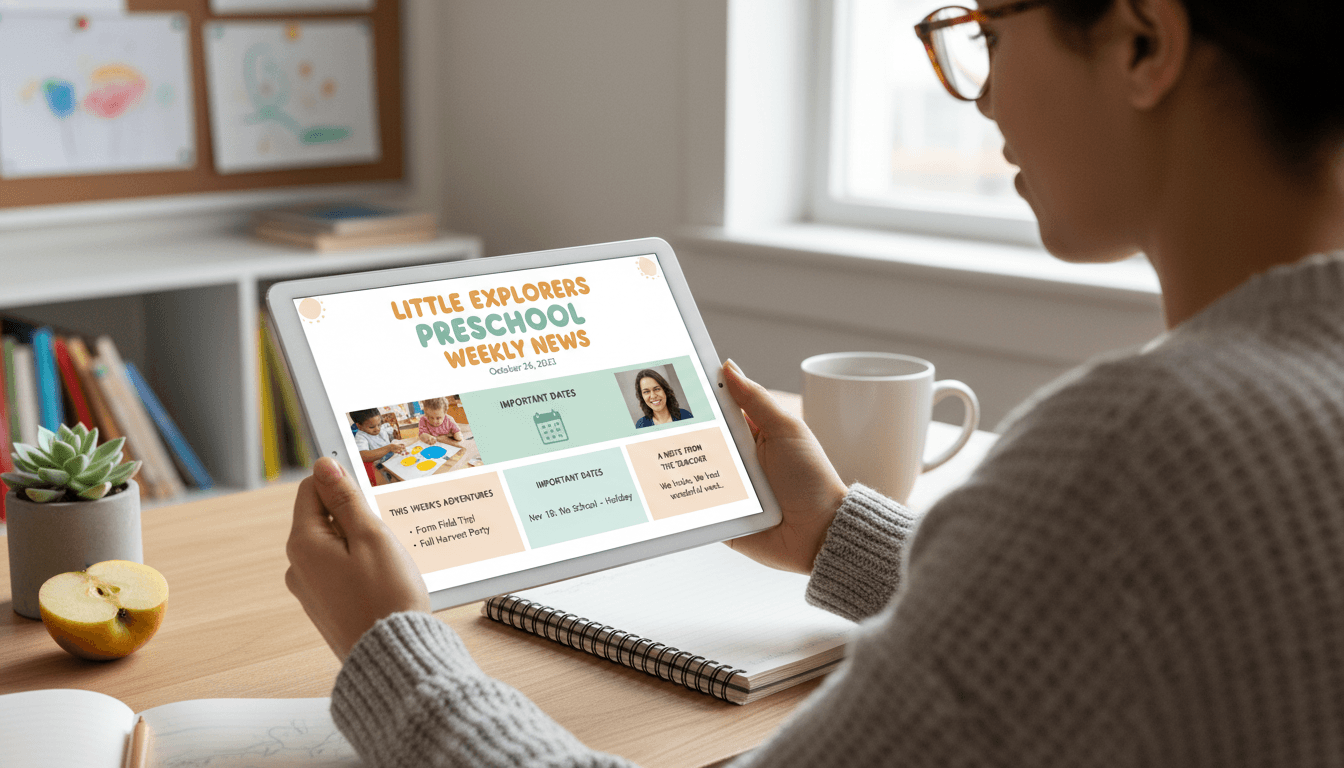
Preschool Newsletter: What to Include (And What to Leave Out)
A clear breakdown of the sections that make preschool newsletters worth reading, the clutter that kills them, and the photo and length guidelines that keep families engaged.
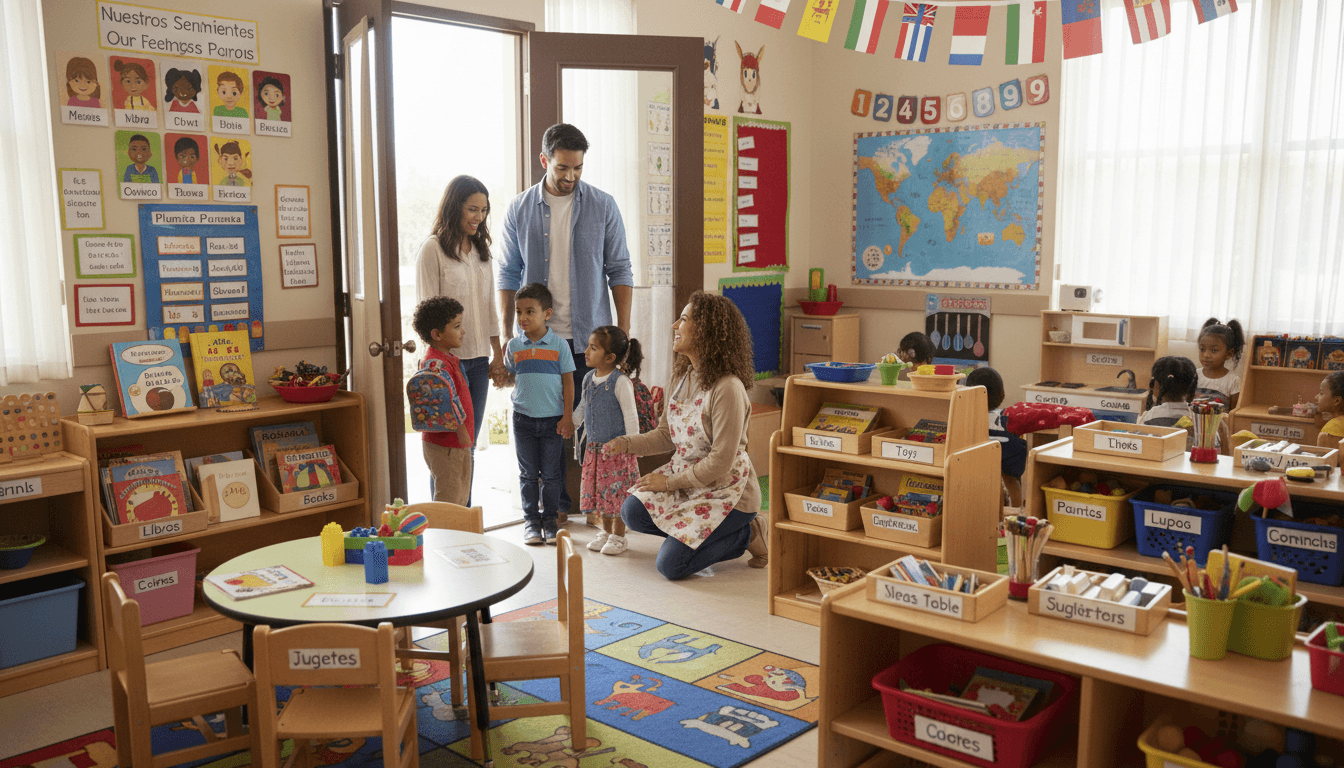
Preschool Outdoor Play Newsletter: Communicating the Value of Outside Time
How preschool teachers can explain outdoor play policies, weather guidelines, and the developmental importance of outside time to families who may not understand why it matters.
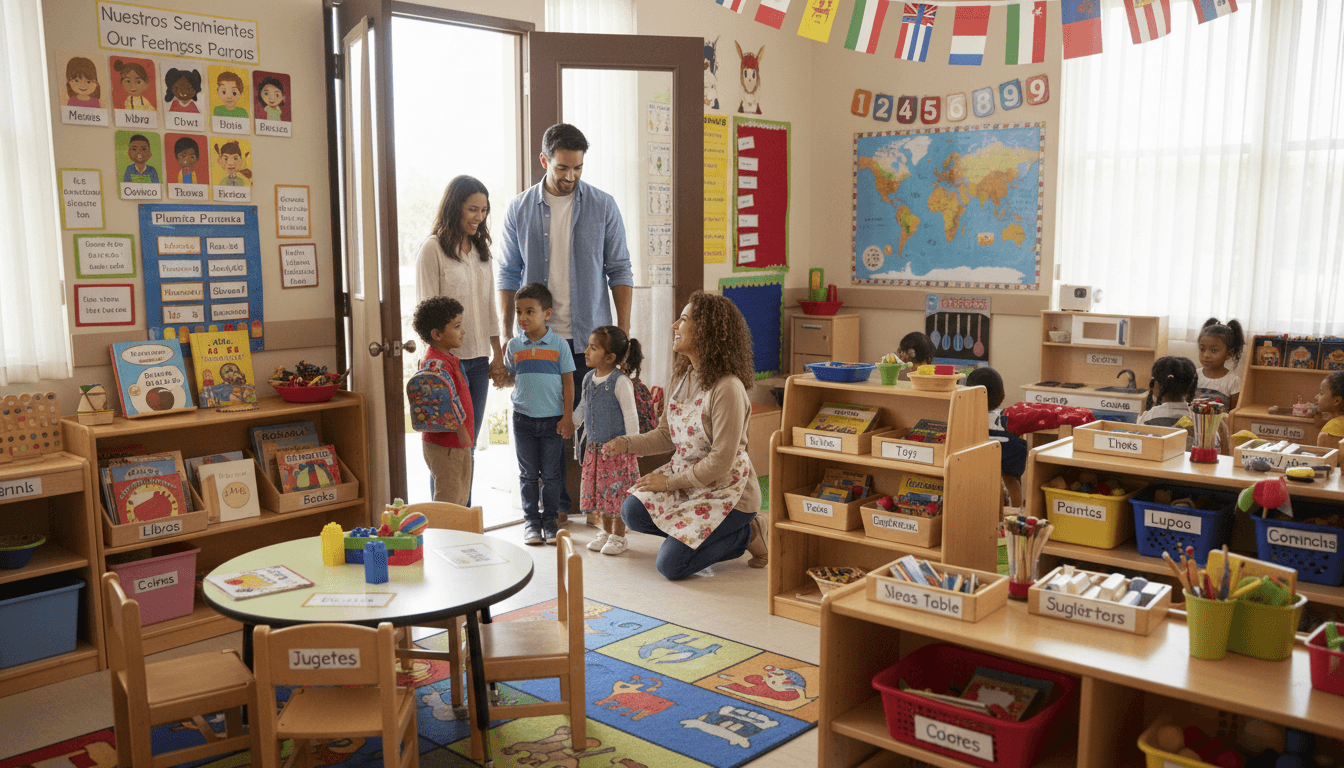
Preschool Parent Education Night Newsletter: How to Invite and Prepare Families
How to write a preschool parent education night invitation that drives attendance, sets expectations for the evening, and makes families feel the event is worth their time.
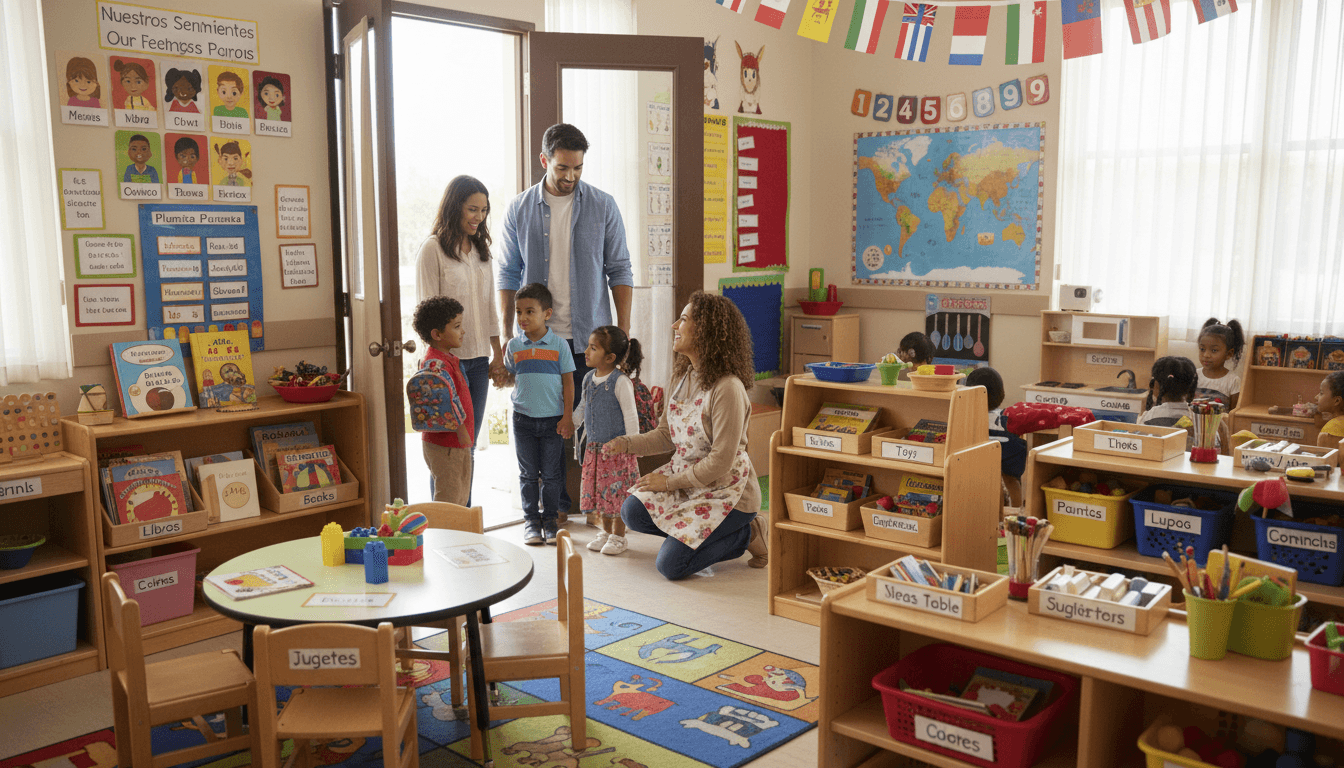
Preschool Parent Night Newsletter: How to Invite and Run It Right
How preschool programs can communicate about parent nights in a way that drives real attendance, sets clear expectations, and makes the evening worth the family's time.
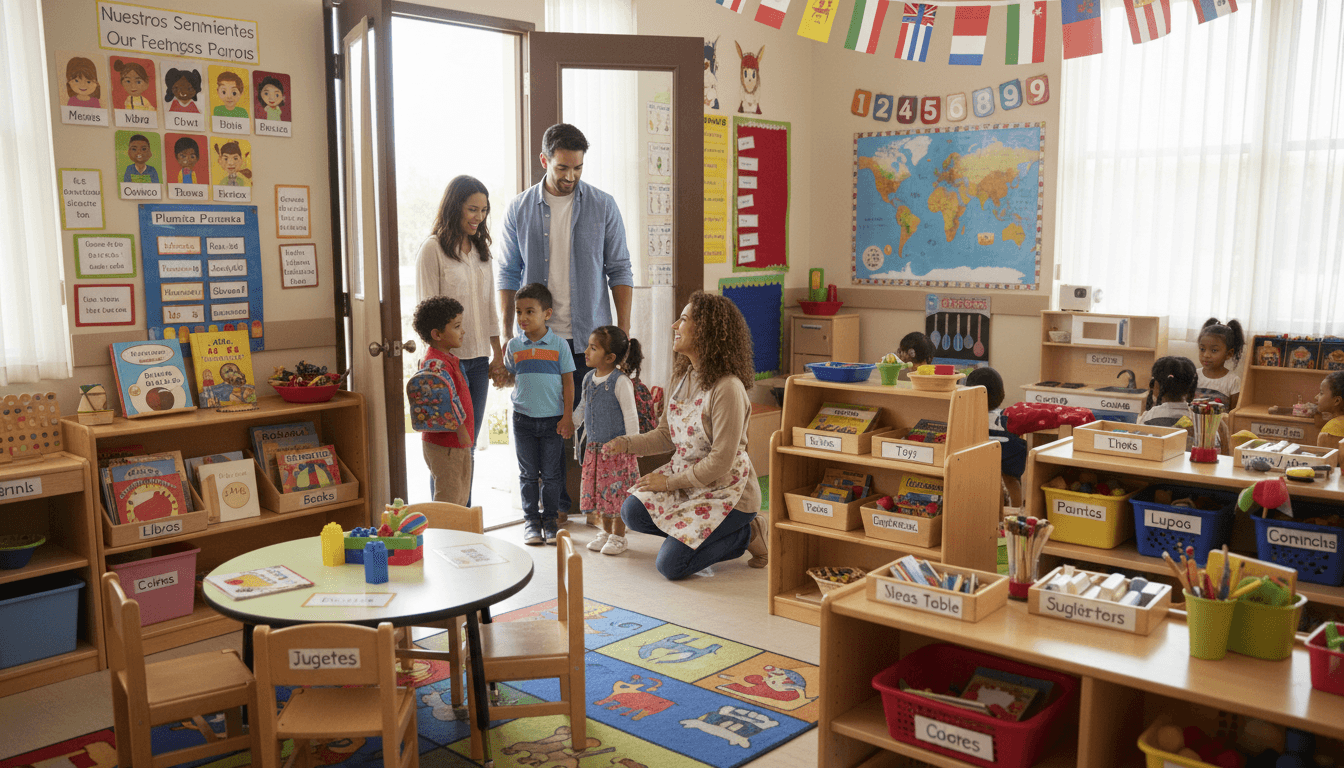
Preschool Inclusive Classroom Newsletter: Building a Community Where All Children Belong
How preschool teachers can use newsletters to explain inclusive classroom practices to families, address questions about mixed-ability learning environments, and help families talk with their children about differences with honesty and warmth.
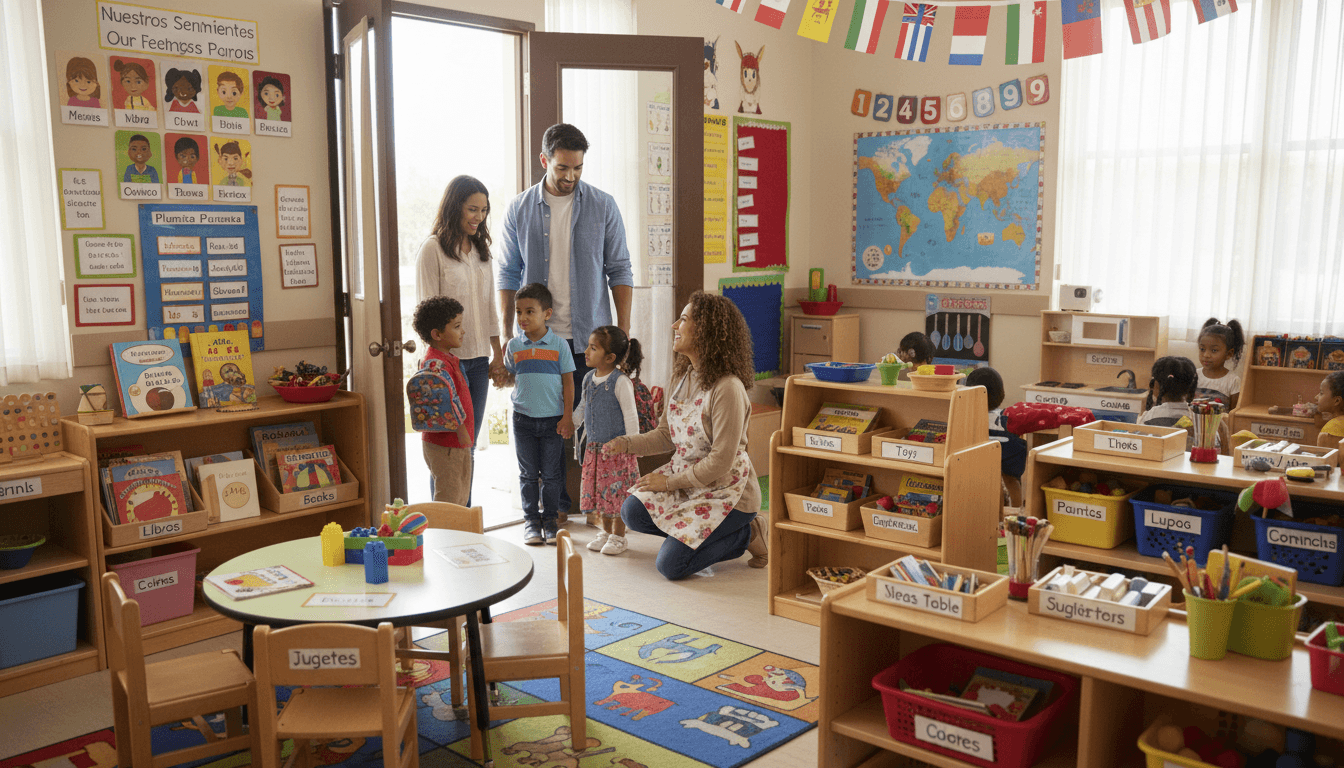
Preschool Learning Objectives Newsletter: Helping Families Understand What Children Are Working Toward
How preschool teachers can use newsletters to explain monthly learning objectives in plain language, connect classroom activities to developmental goals, and show families how everyday play builds the skills that matter.
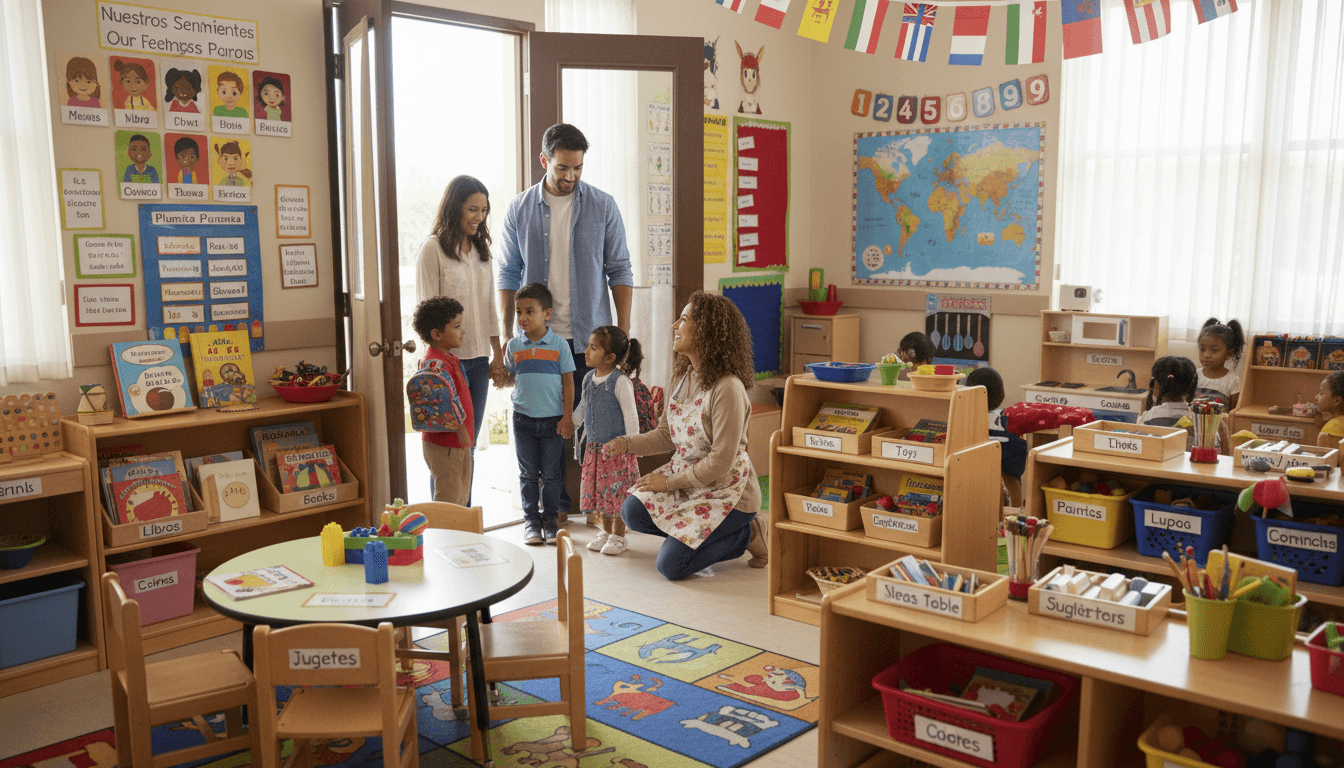
Preschool Literacy Newsletter: What to Tell Families About Early Reading
How preschool teachers can communicate early literacy development to families in plain language and give parents practical tools to support reading readiness at home.
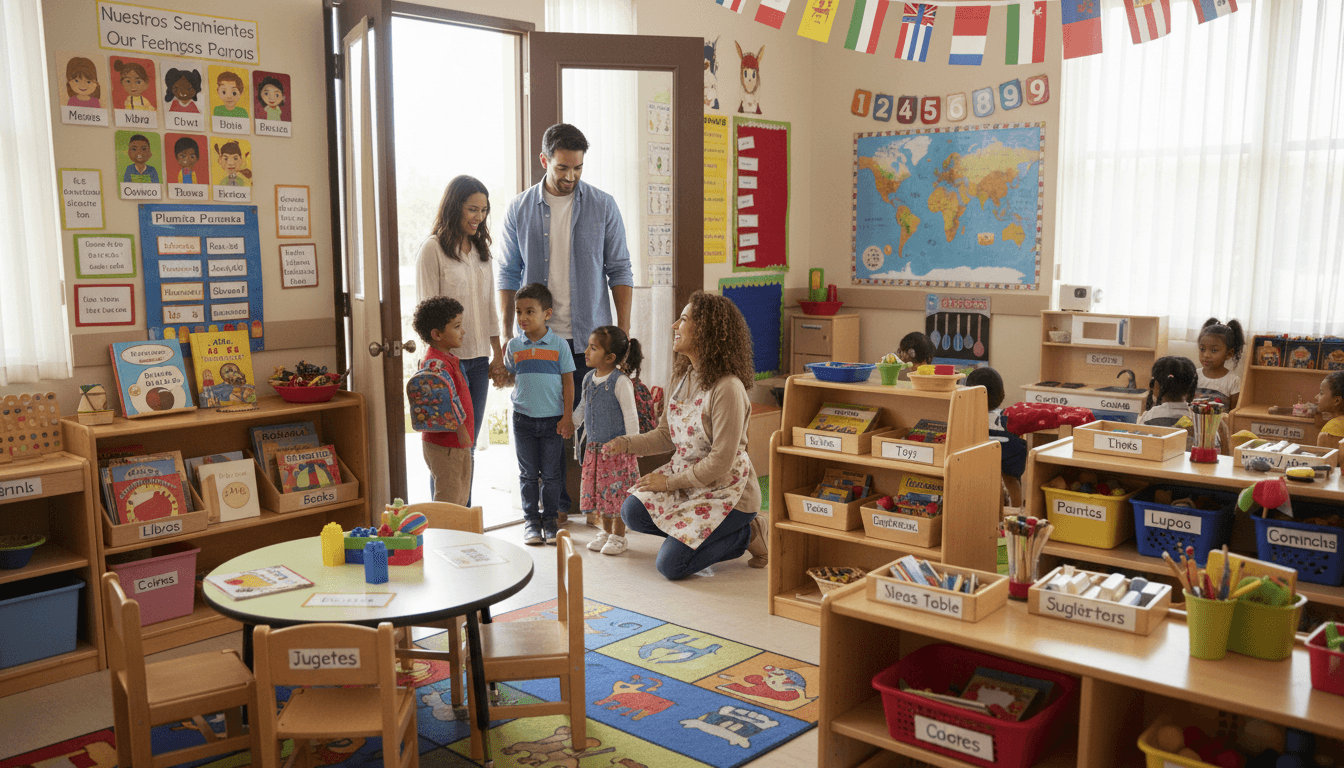
Preschool Math Readiness Newsletter: What Families Need to Know
How preschool teachers can explain early math development to families in clear language and give parents low-effort tools to build math thinking at home.
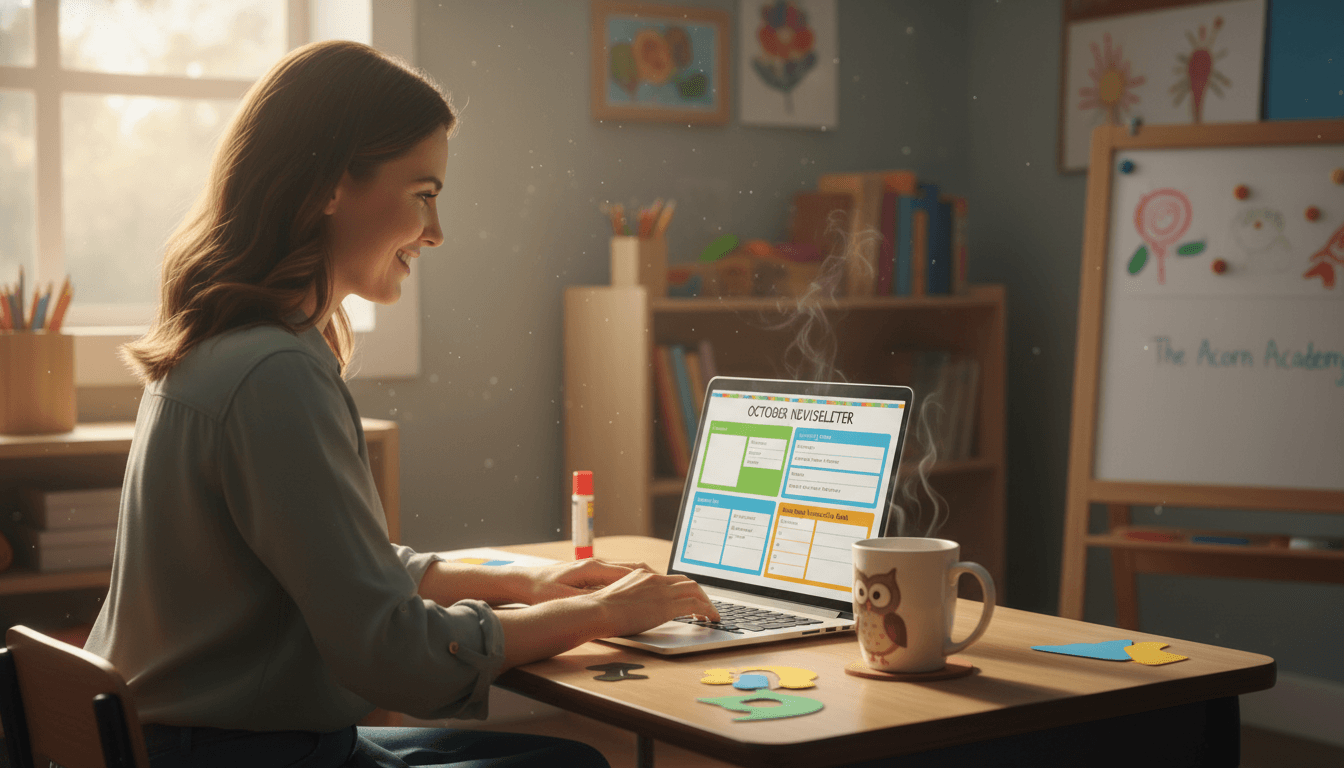
Preschool Monthly Newsletter Template: A Repeatable Structure That Saves You Time
A six-section monthly preschool newsletter structure that takes under 10 minutes to fill in and keeps families genuinely informed all year.
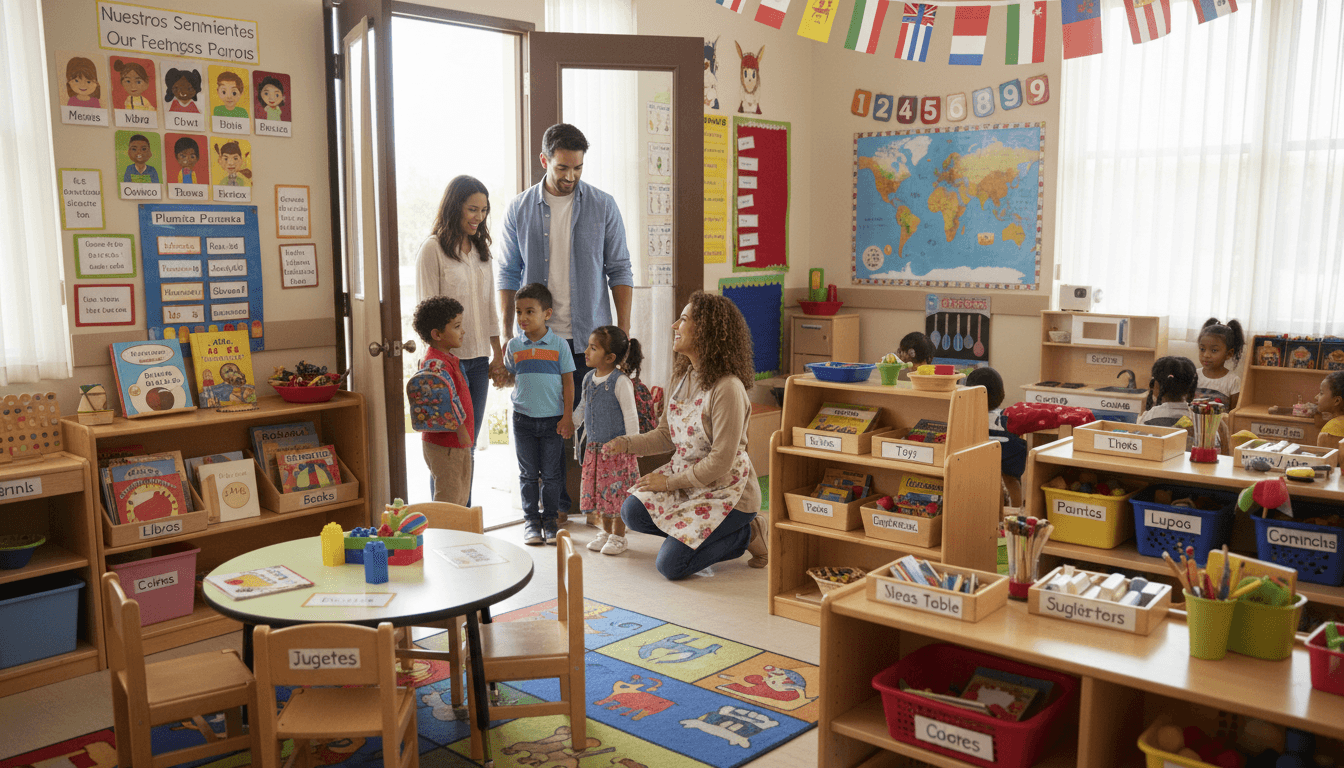
Preschool Music and Movement Newsletter: What Families Should Know About Learning Through Song
Music and movement are not the fun part of preschool that fills time between learning activities.
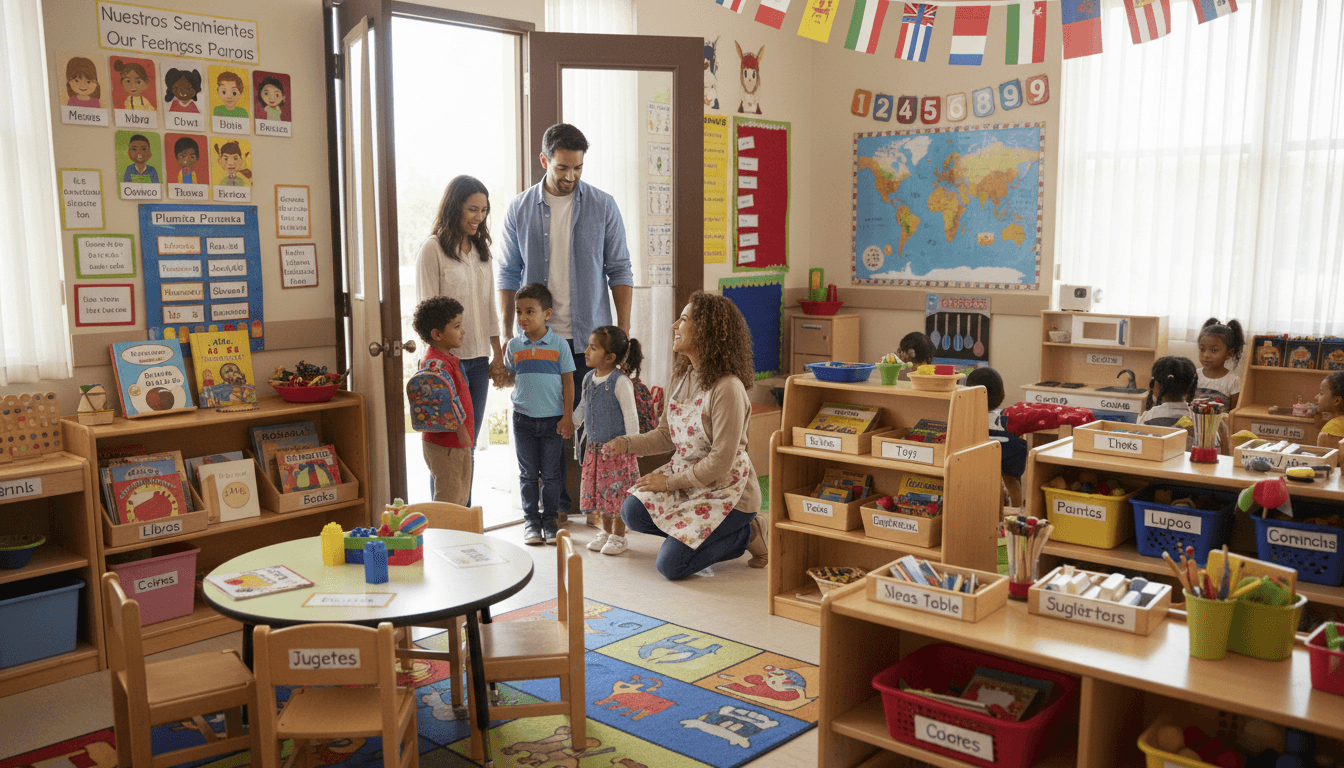
Preschool Fire Safety Newsletter: Teaching Young Children About Fire Safety at School and Home
How preschool teachers can use newsletters to communicate fire safety education to families, explain what children learn during fire safety drills, and help families reinforce fire safety concepts and home escape plans.

Preschool Garden and Science Newsletter: Growing Learning Through Outdoor Nature Activities
How preschool teachers can use newsletters to explain garden and nature science activities to families, describe what children learn from growing plants, and suggest simple nature observation activities families can do at home.
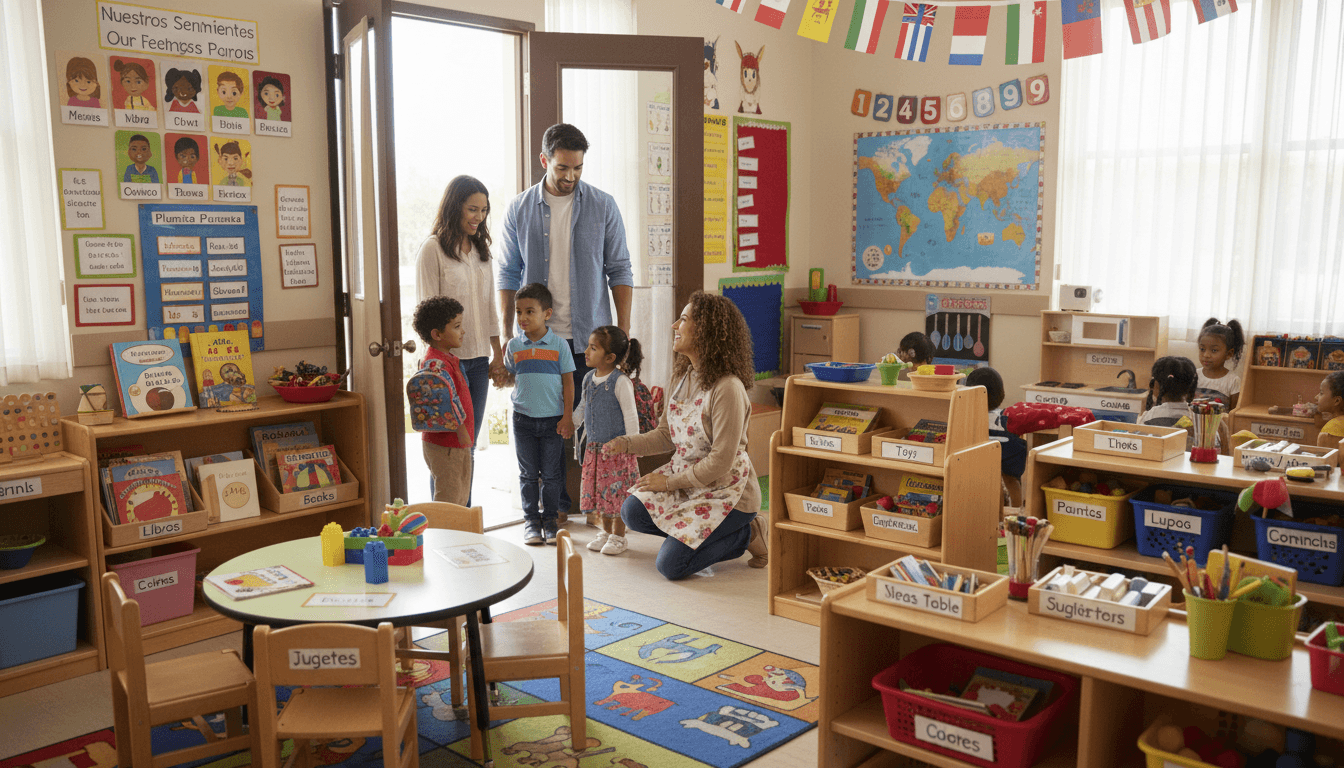
Preschool Health and Dental Newsletter: What Families Should Know About Young Children's Health
How preschool teachers can use newsletters to communicate about basic health habits, dental care for young children, illness policies, and how to support healthy development at home during the preschool years.
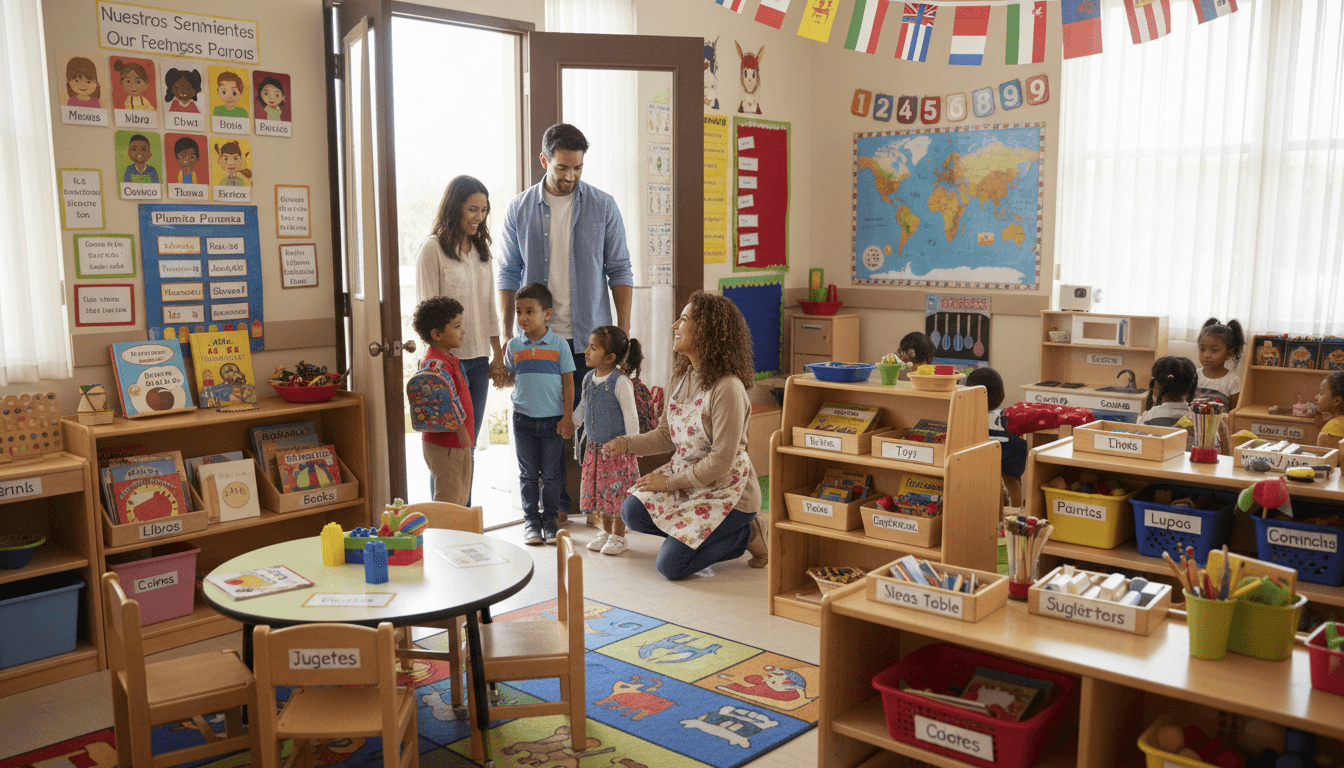
Preschool Holiday and Celebration Newsletter: Navigating Diversity and Inclusion
How preschool teachers can communicate about holiday and celebration plans in a way that includes all families, navigates religious diversity respectfully, and sets clear expectations.
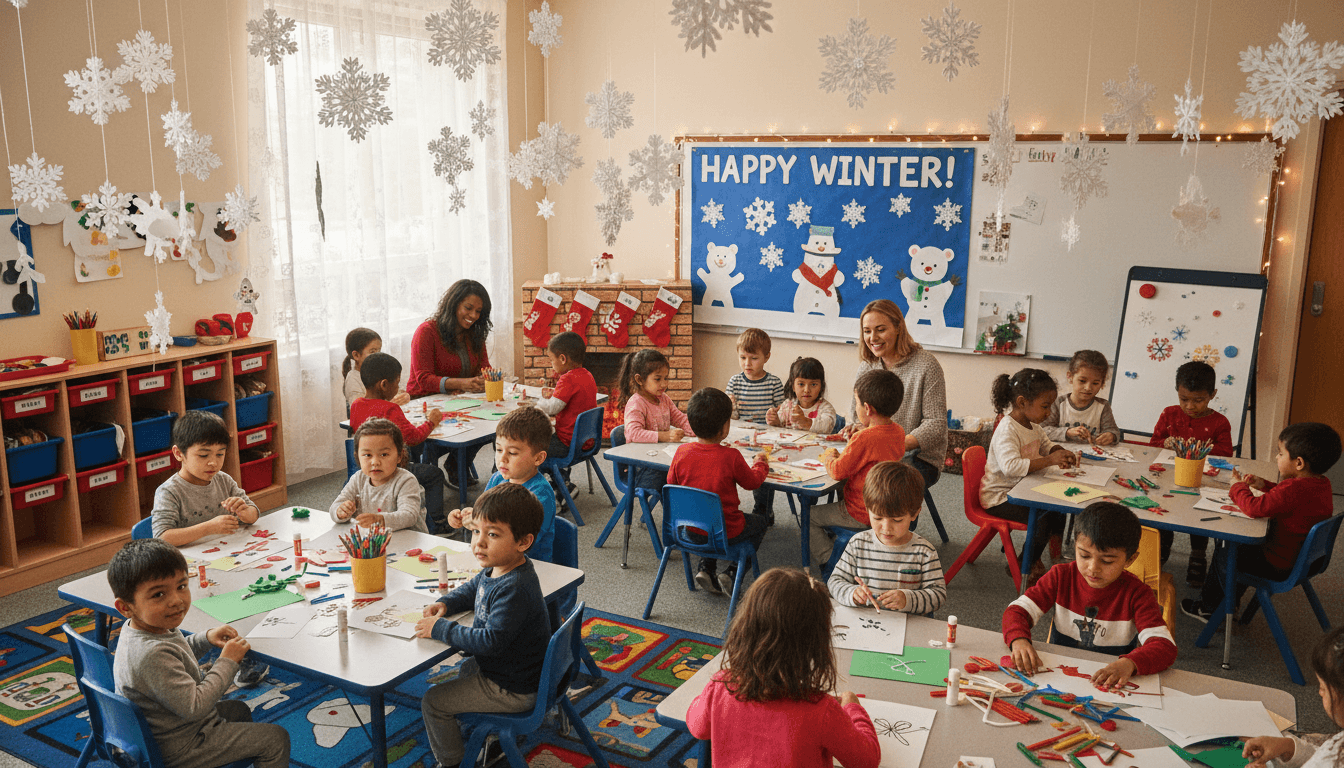
Preschool Holiday Newsletter Ideas: Navigating Seasonal Communication Inclusively
How to write seasonal newsletters in diverse preschool communities, what to celebrate versus observe, and the secular framing that works for all families across winter, spring, and fall.

Preschool Dramatic Play Newsletter: Why Make-Believe Is Serious Learning
When a group of preschoolers are playing hospital, assigning roles, negotiating who is the doctor and who is the patient, narrating injuries and.
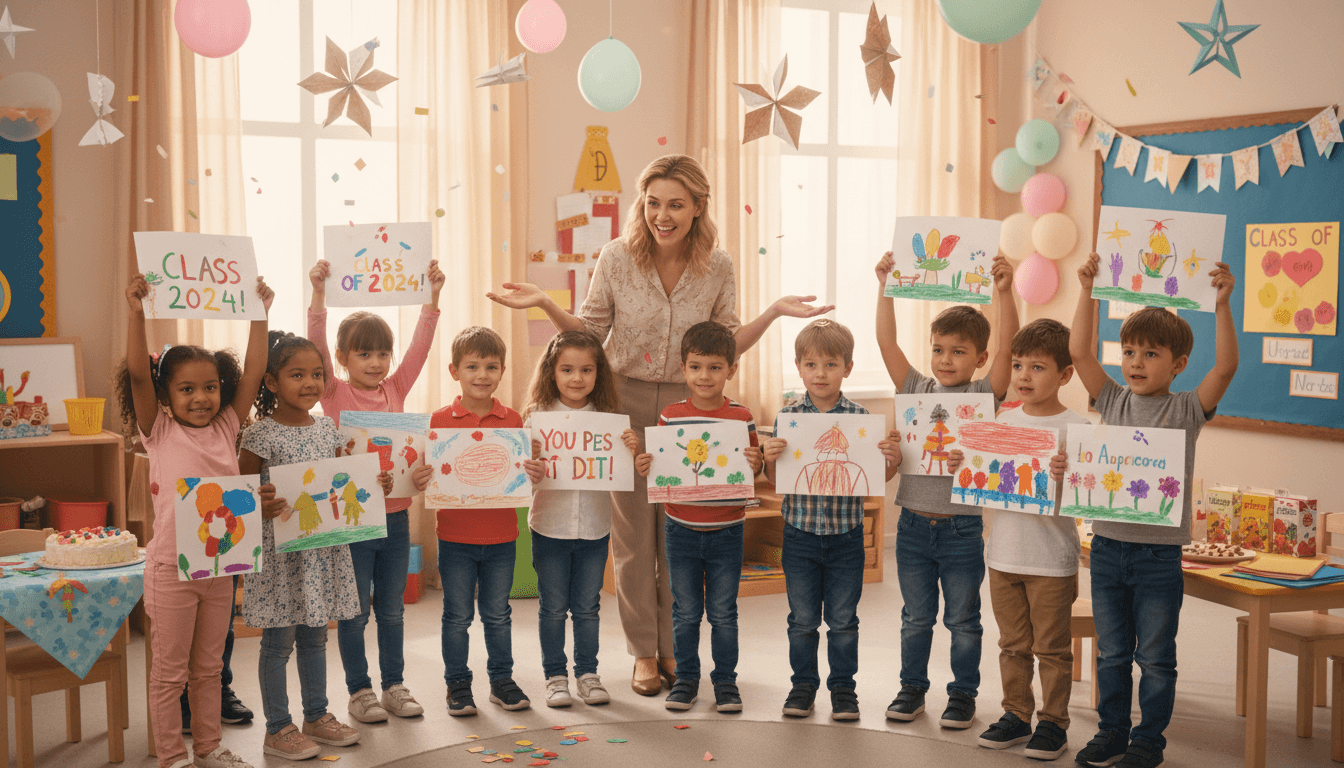
Preschool End of Year Newsletter: Celebrating Growth and Preparing for Transitions
What to include in the final preschool newsletter of the year, how to celebrate milestones without comparing children, and how to prepare families for the summer and kindergarten transition.
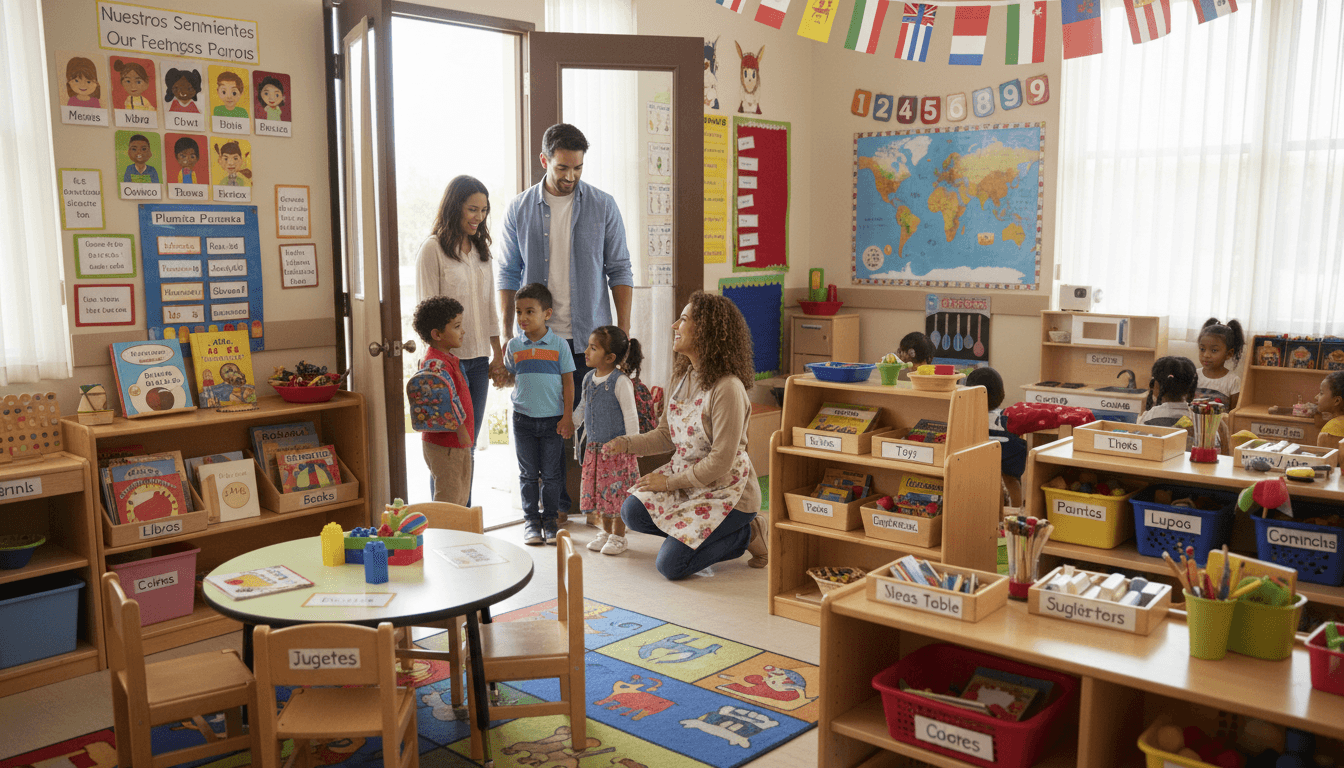
Preschool Enrollment Newsletter: What to Communicate Before Families Commit
How preschool programs can write enrollment newsletters that answer the questions families need answered before they register, and reduce the back-and-forth that slows enrollment down.
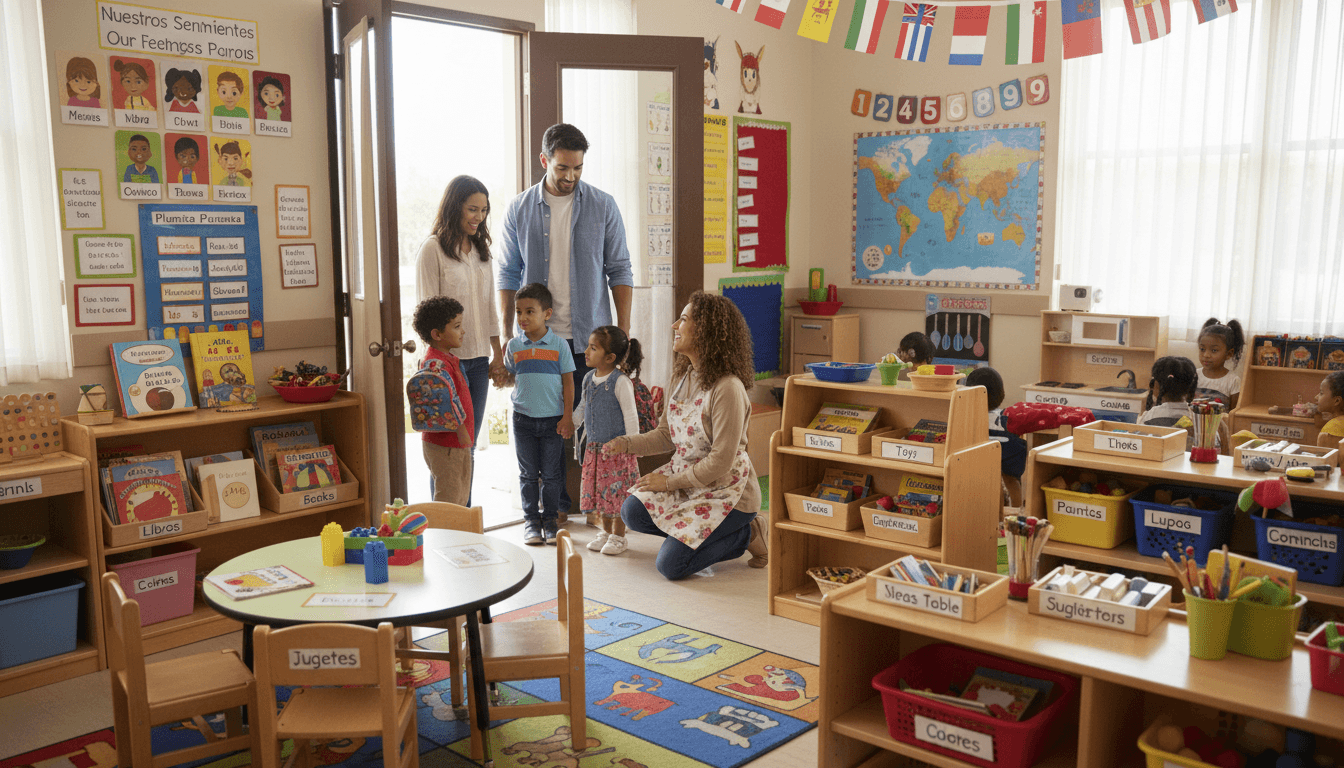
Preschool Family Engagement Newsletter: Building Real Involvement
How preschool programs can use newsletters to build genuine family engagement, not just attendance at events, by giving families concrete ways to connect with their child's learning.
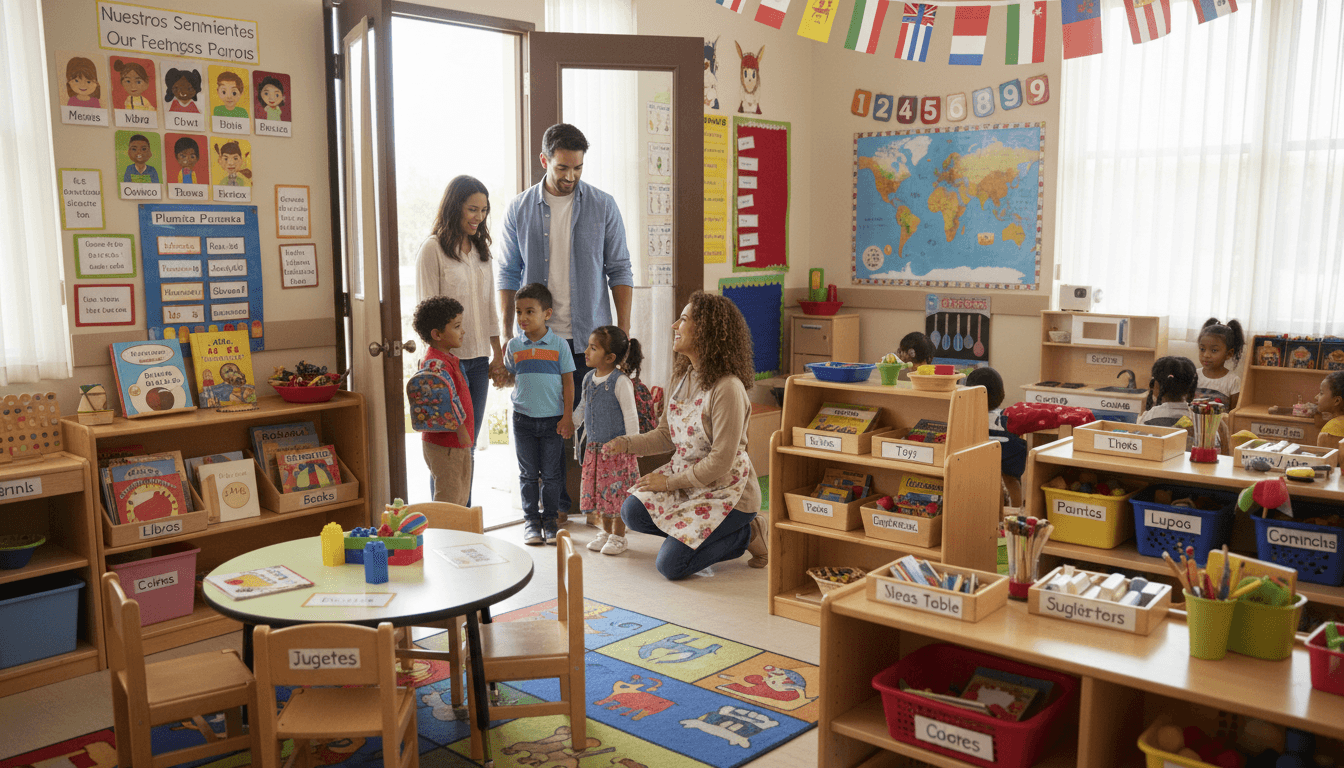
Preschool Field Trip Communication Newsletter: What Families Need Before the Day
How preschool teachers can communicate field trip logistics, safety expectations, and learning goals to families in a way that reduces confusion and generates volunteer sign-ups.
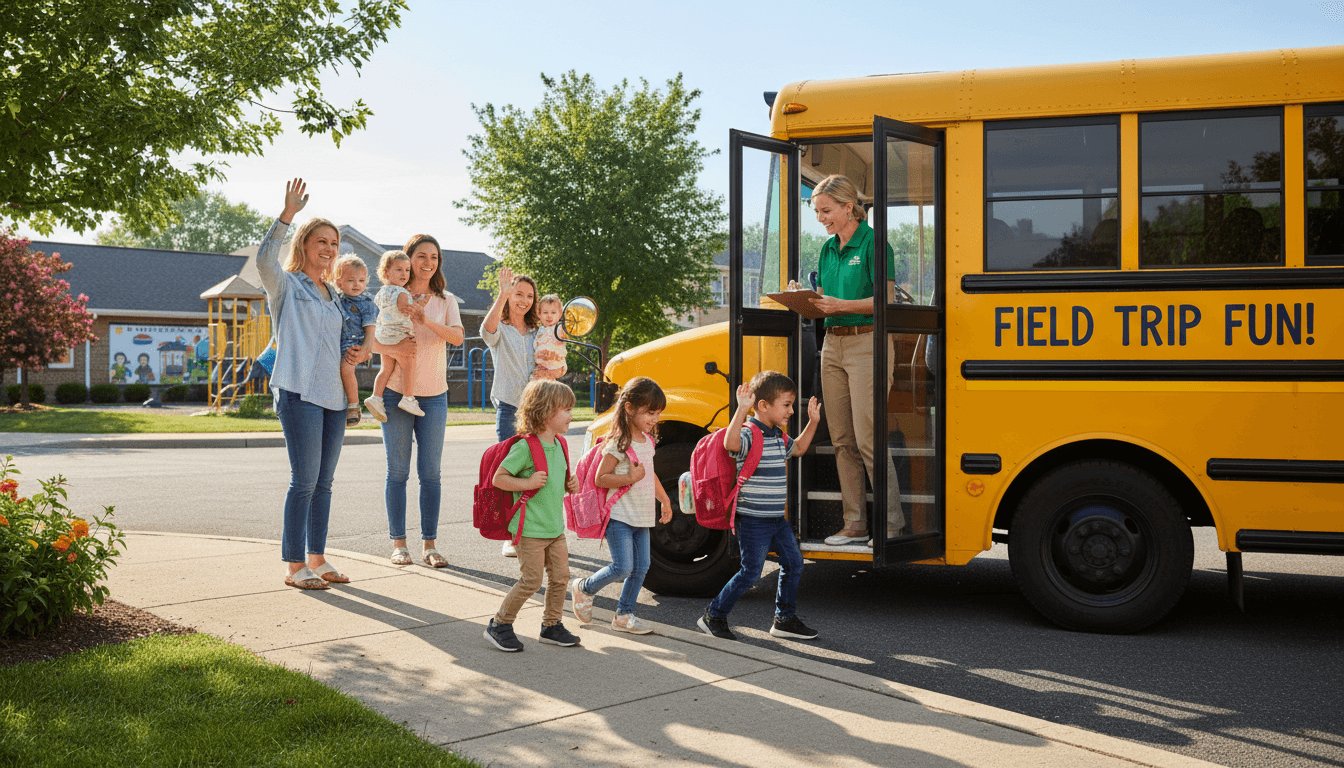
Preschool Field Trip Newsletter: How to Communicate Before, During, and After
What to tell preschool parents before, during, and after a field trip, so they feel informed and you spend less time answering repeat questions.
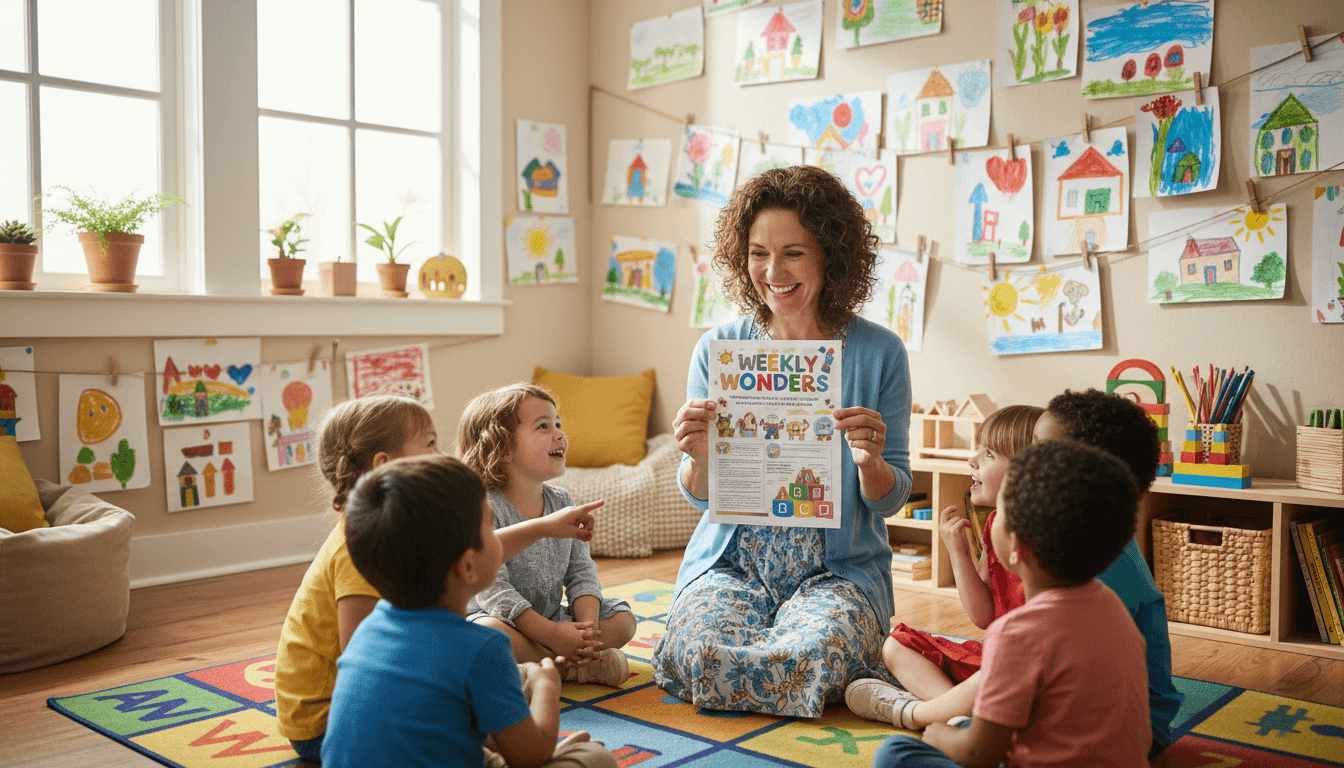
Preschool Classroom Newsletter Template: What to Include Every Month
A practical breakdown of every section a preschool newsletter needs, how to structure it for busy parents, and why monthly beats weekly for most classrooms.
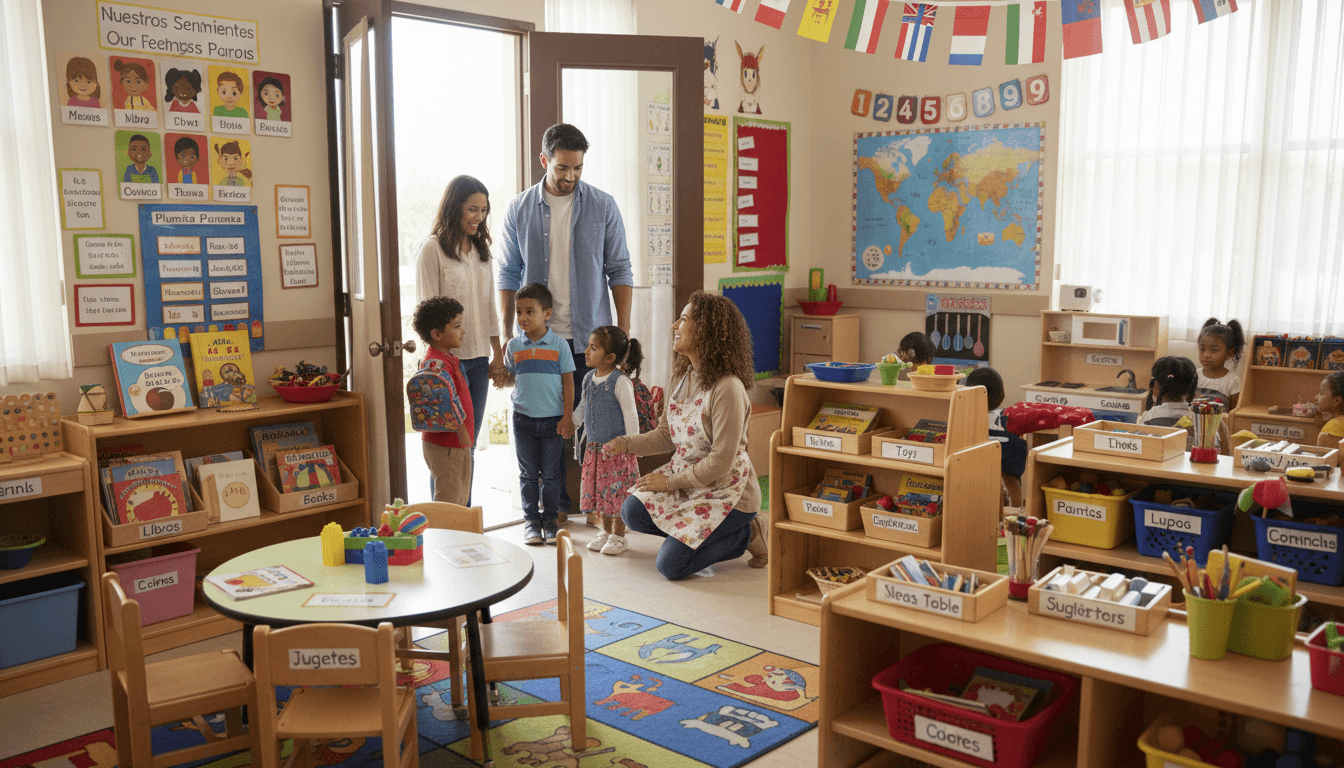
Preschool Classroom Schedule Newsletter: Why Daily Routine Matters and How to Explain It
How preschool teachers can communicate their daily classroom schedule to families in a way that explains the purpose of routine for young children and builds family trust in the program.
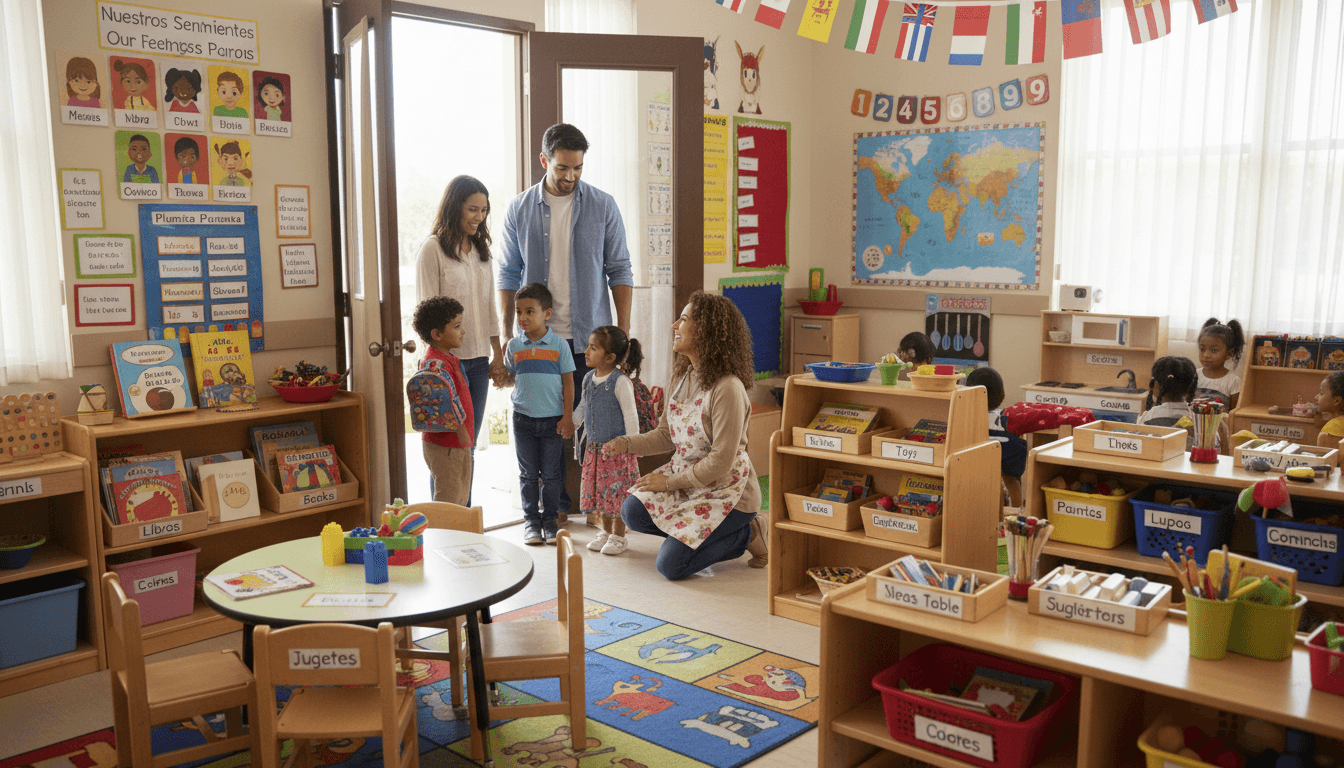
Preschool Community Helper Theme Newsletter: Connecting Learning to Home
How preschool teachers can communicate about community helper theme units in a newsletter that extends classroom learning and gives families ways to participate.
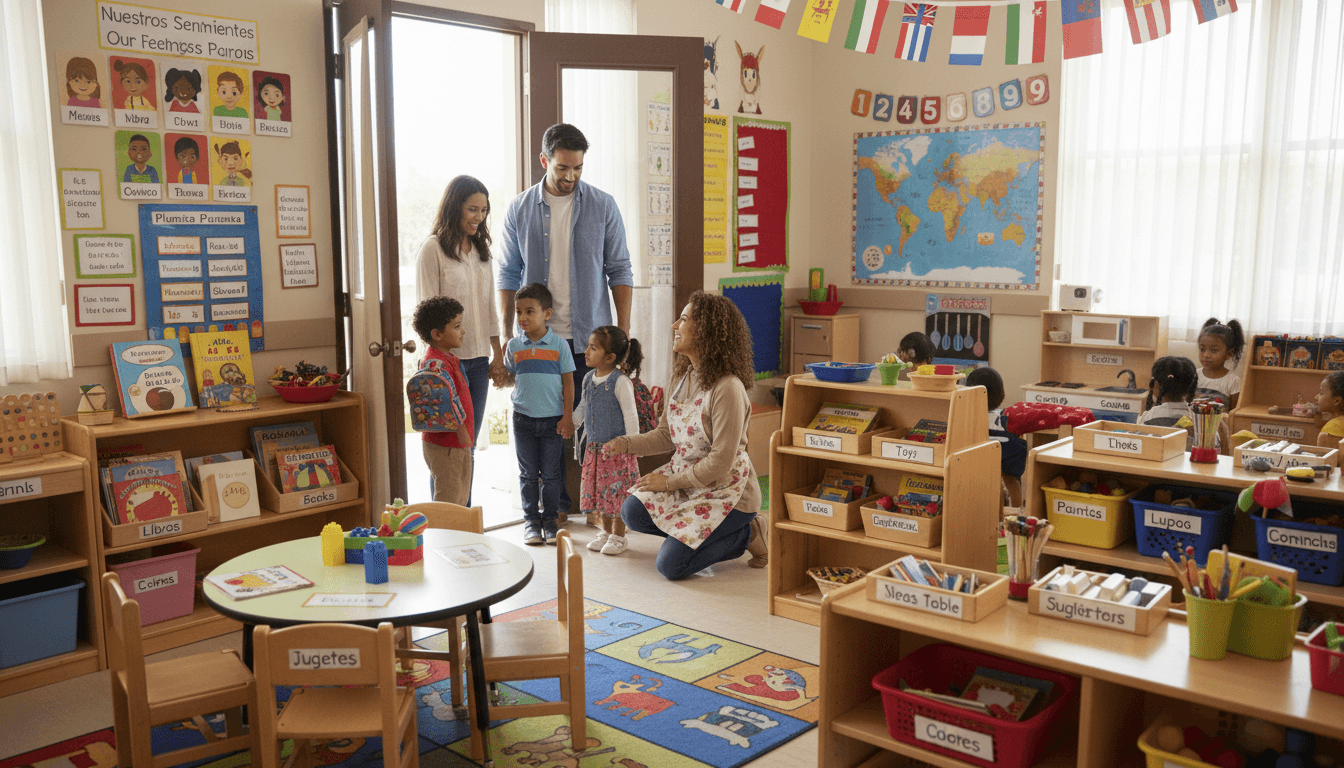
Preschool Curriculum Newsletter: Explaining What and Why to Families
How preschool teachers can communicate curriculum choices to families in plain language that builds trust, reduces questions, and connects classroom work to outcomes parents care about.
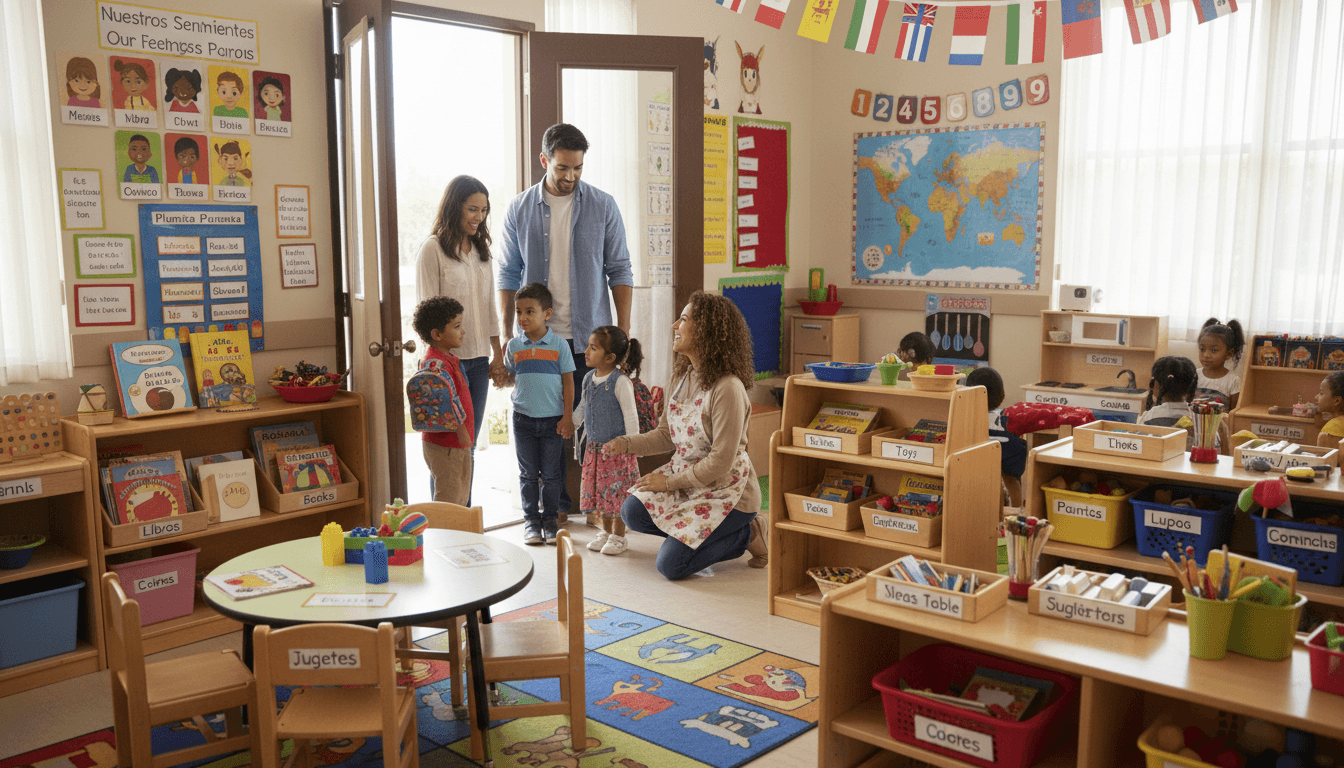
Preschool Developmental Milestones Newsletter: What to Tell Families Each Term
How preschool teachers can communicate developmental milestones to families in a newsletter that reduces worry, builds trust, and helps parents recognize what progress actually looks like.
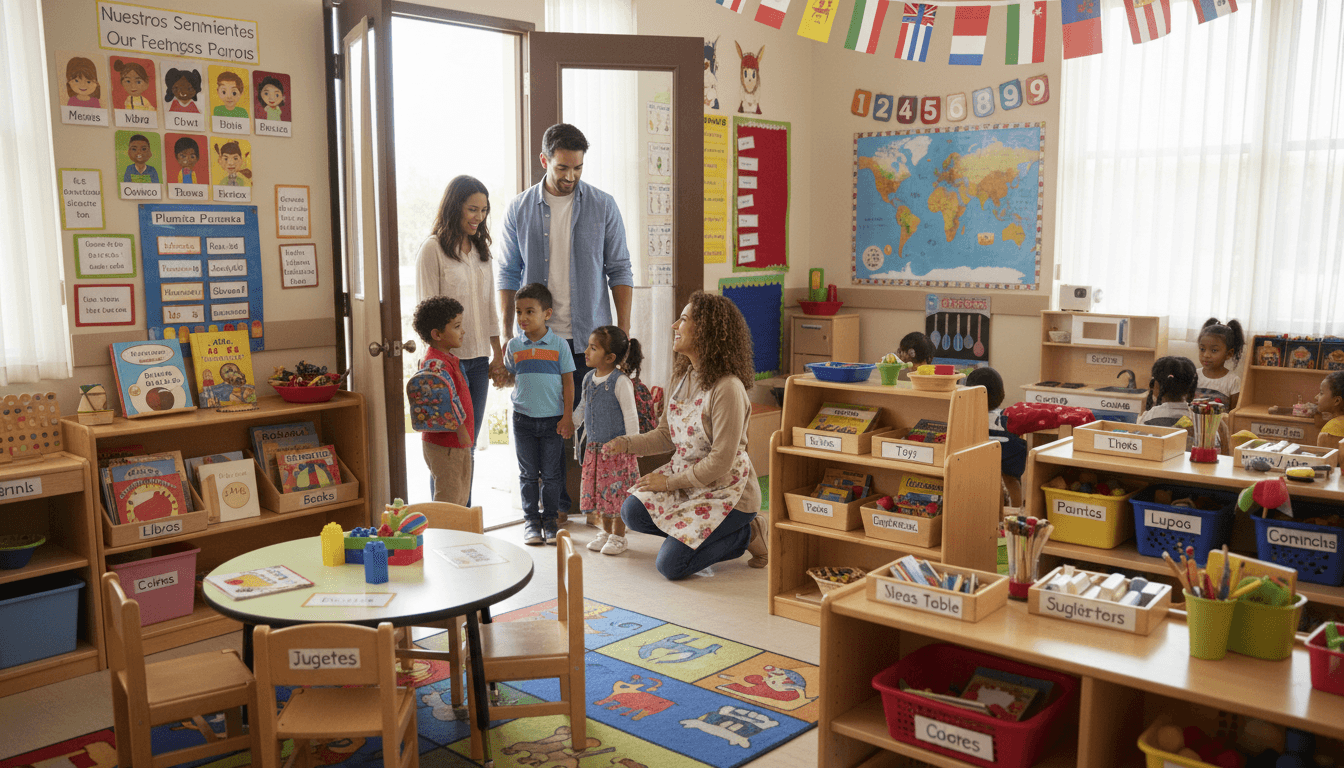
Preschool Discipline and Behavior Newsletter: Talking to Families About Big Feelings
How preschool teachers can communicate their approach to behavior and discipline to families in plain language that builds trust and reduces conflict about classroom expectations.
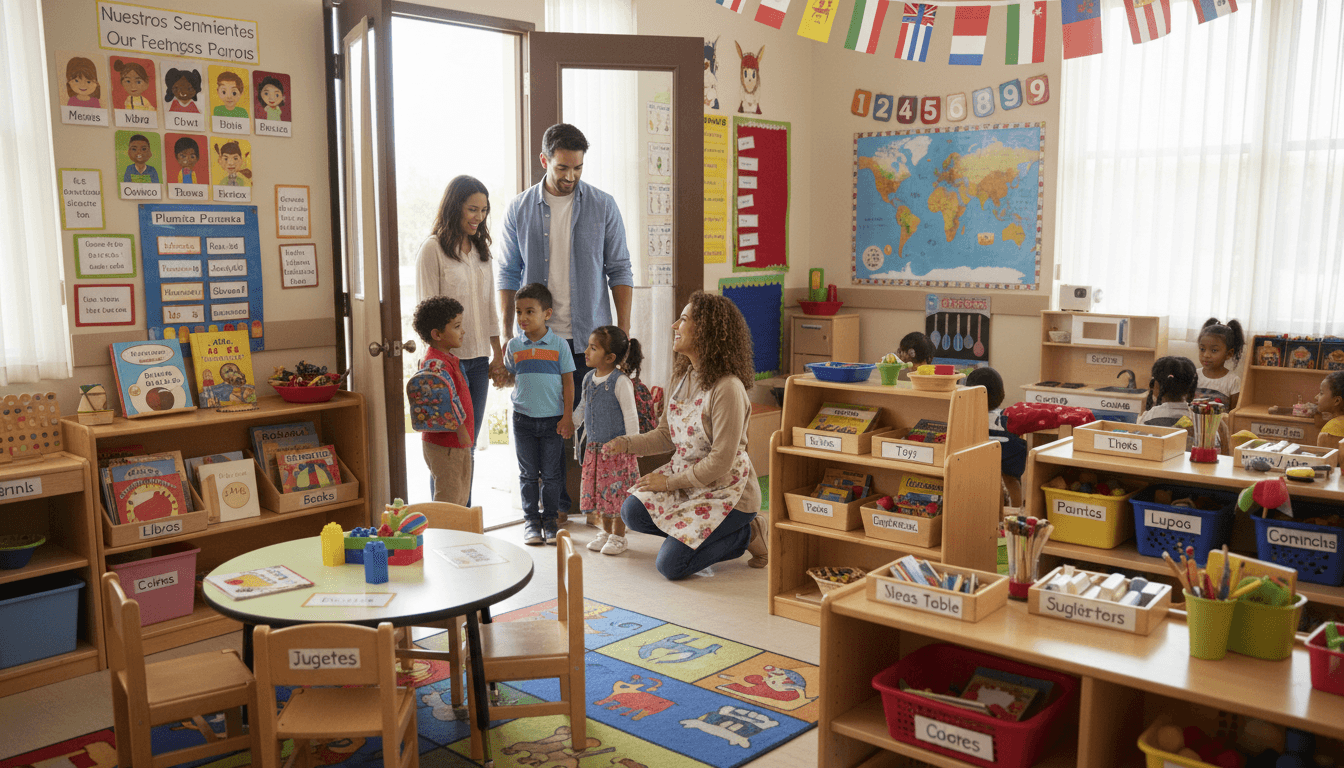
Preschool Back to School Letter to Families: Everything in One Place
How to write a comprehensive preschool back-to-school letter that covers every question families have before the first day without becoming an overwhelming document nobody reads.
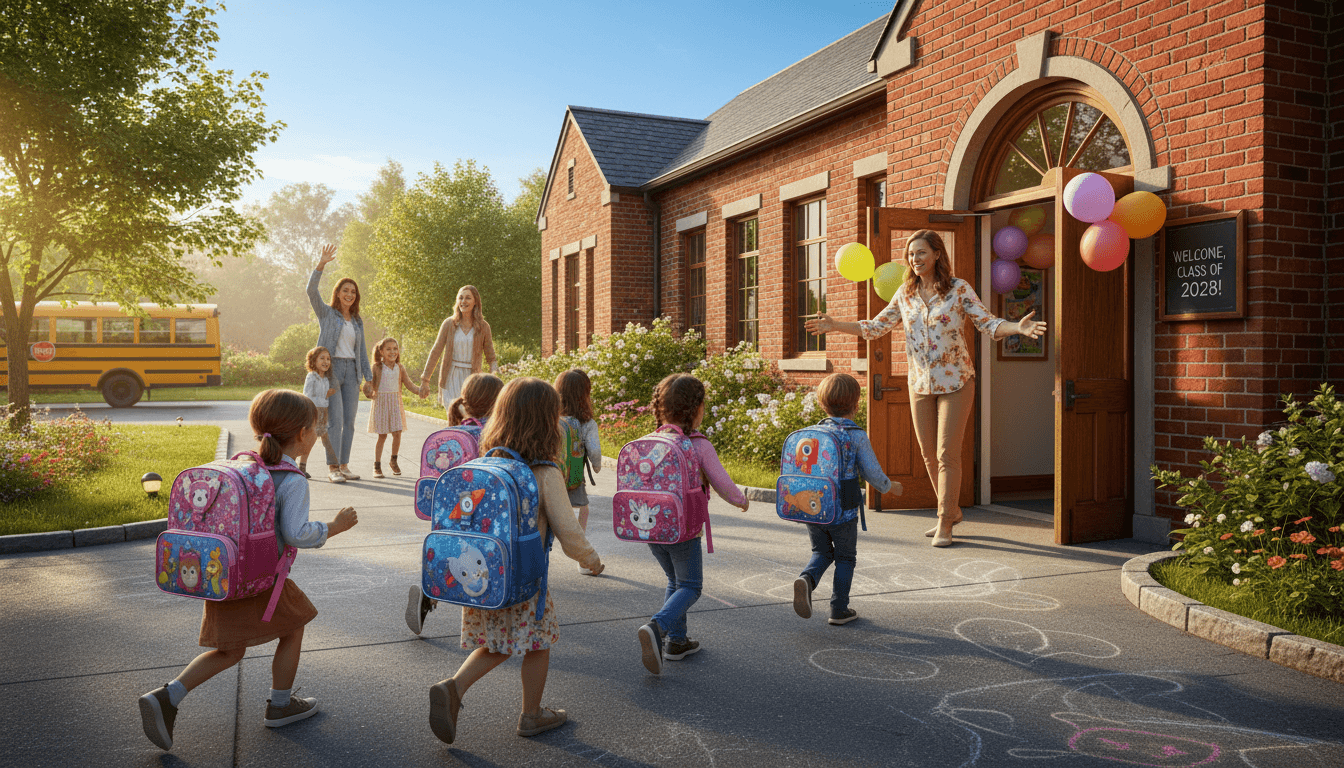
Preschool Back to School Newsletter: Setting Expectations Before Day One
What to communicate to preschool families before the first day, from drop-off procedures to separation anxiety tips, and how to write it in a way that calms rather than overwhelms.
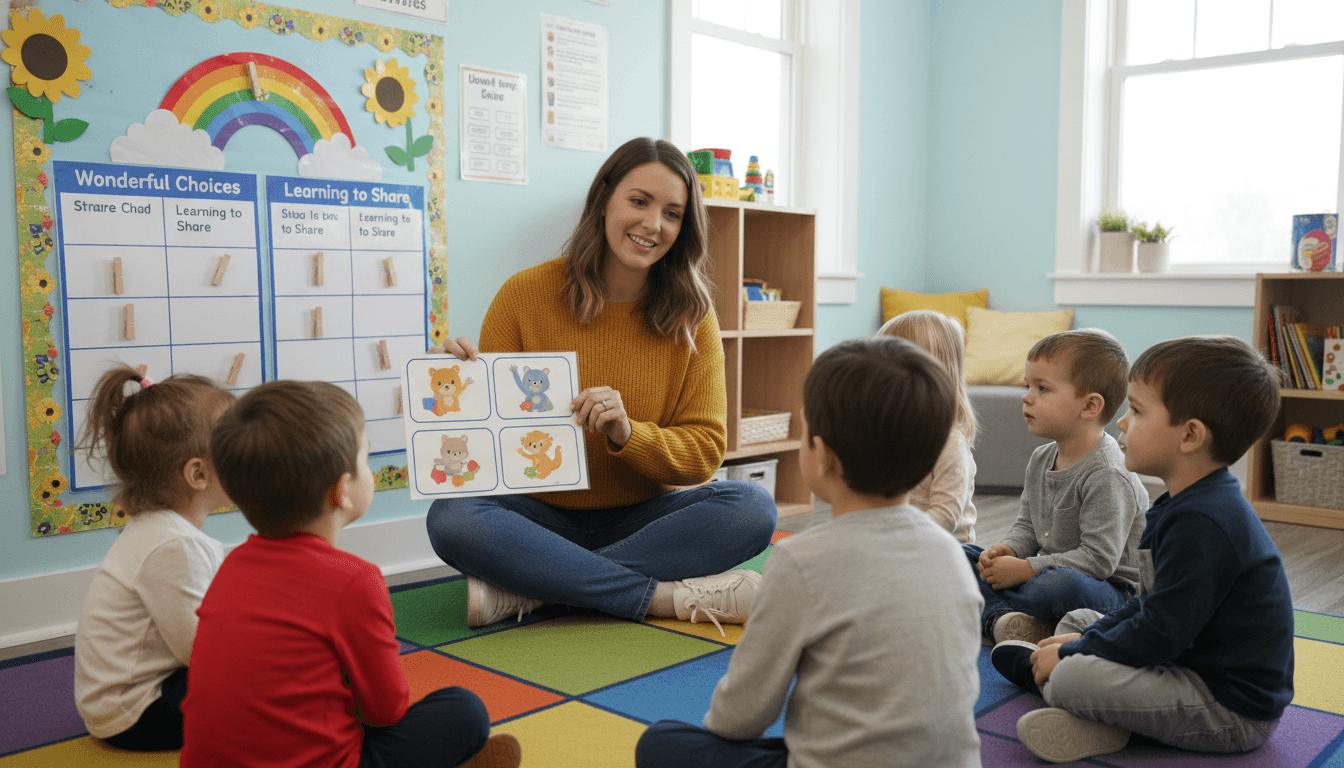
Preschool Behavior Communication: What to Include in Your Newsletter (And What Not To)
A practical guide to communicating about classroom behavior in preschool newsletters without labeling children, alarming families, or compromising individual privacy.
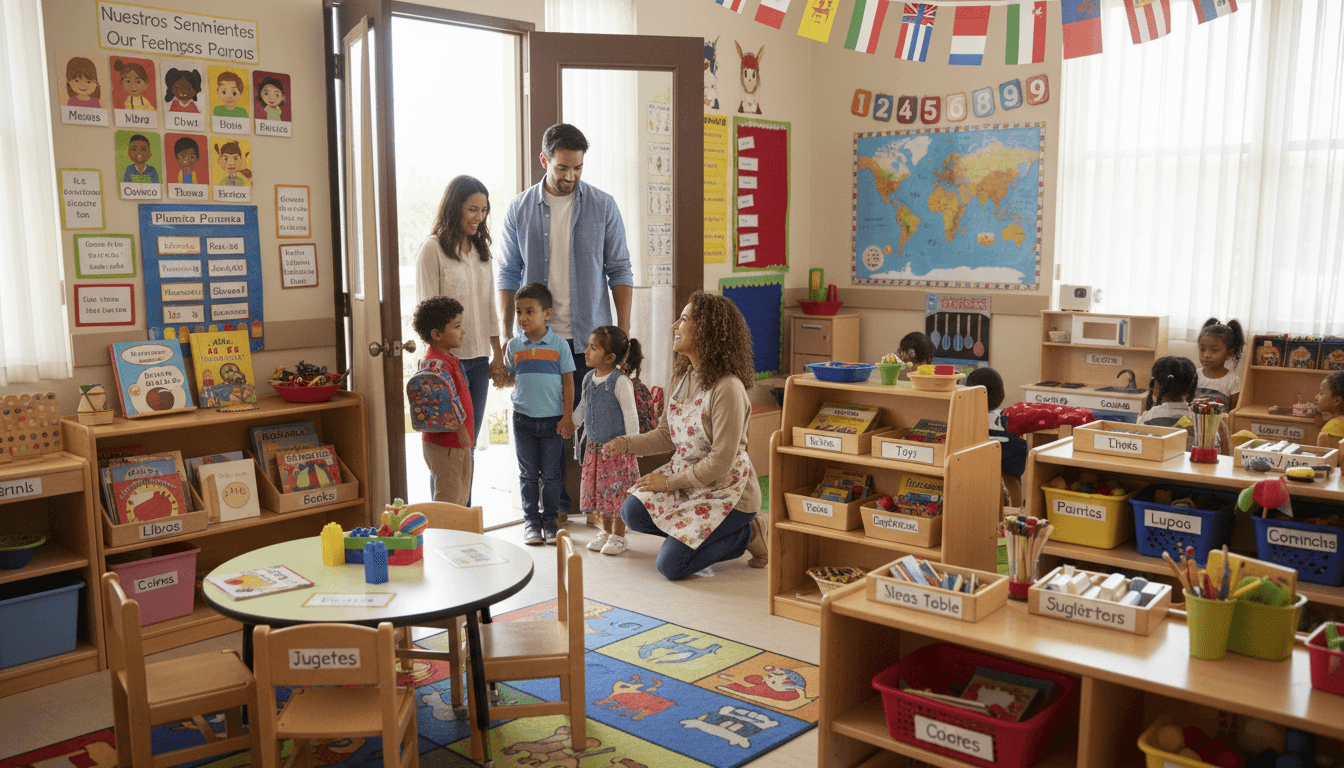
Preschool Bilingual Family Newsletter: Supporting Language Development at Home and School
How preschool teachers can use newsletters to support bilingual families, explain the research on dual language development, and help families maintain their home language while their child learns English at school.
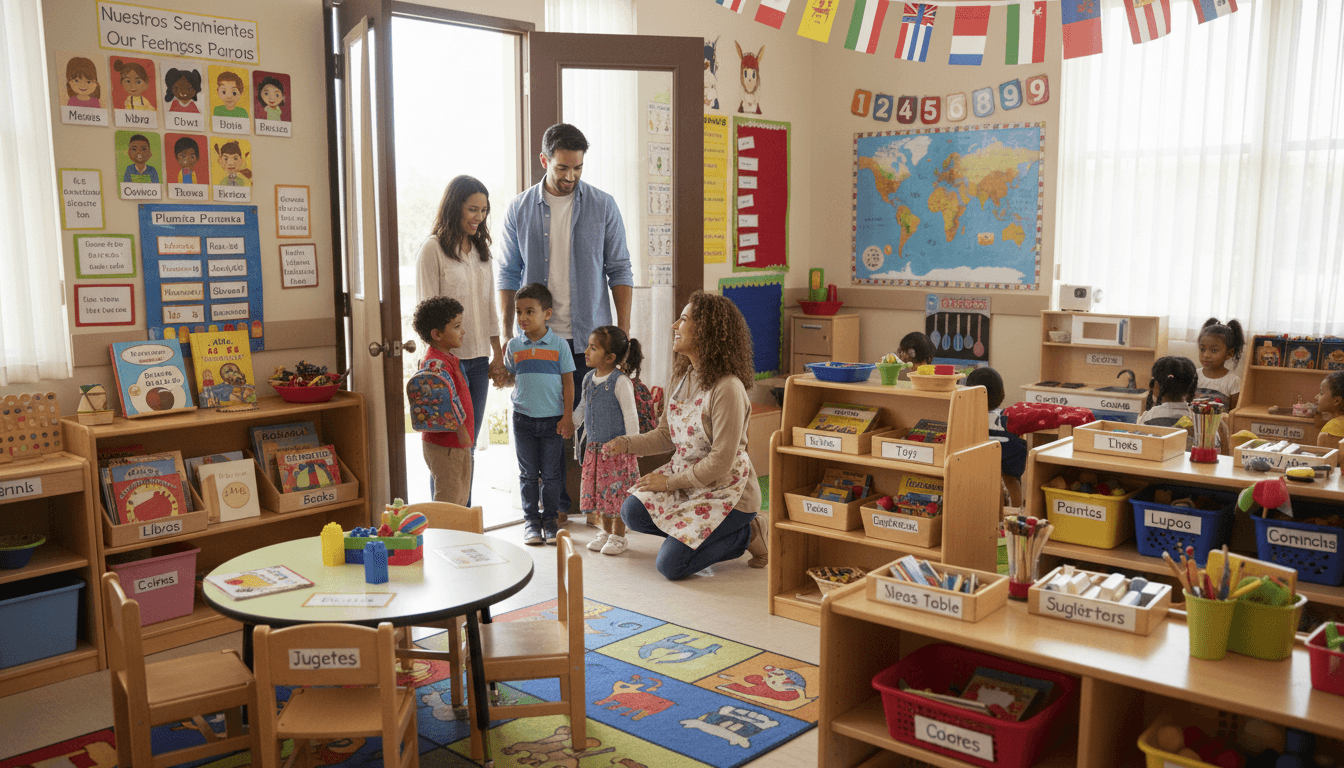
Preschool Block Play Newsletter: The Math and Science Happening in the Block Area
The block area is often the most cognitively demanding space in a preschool classroom.
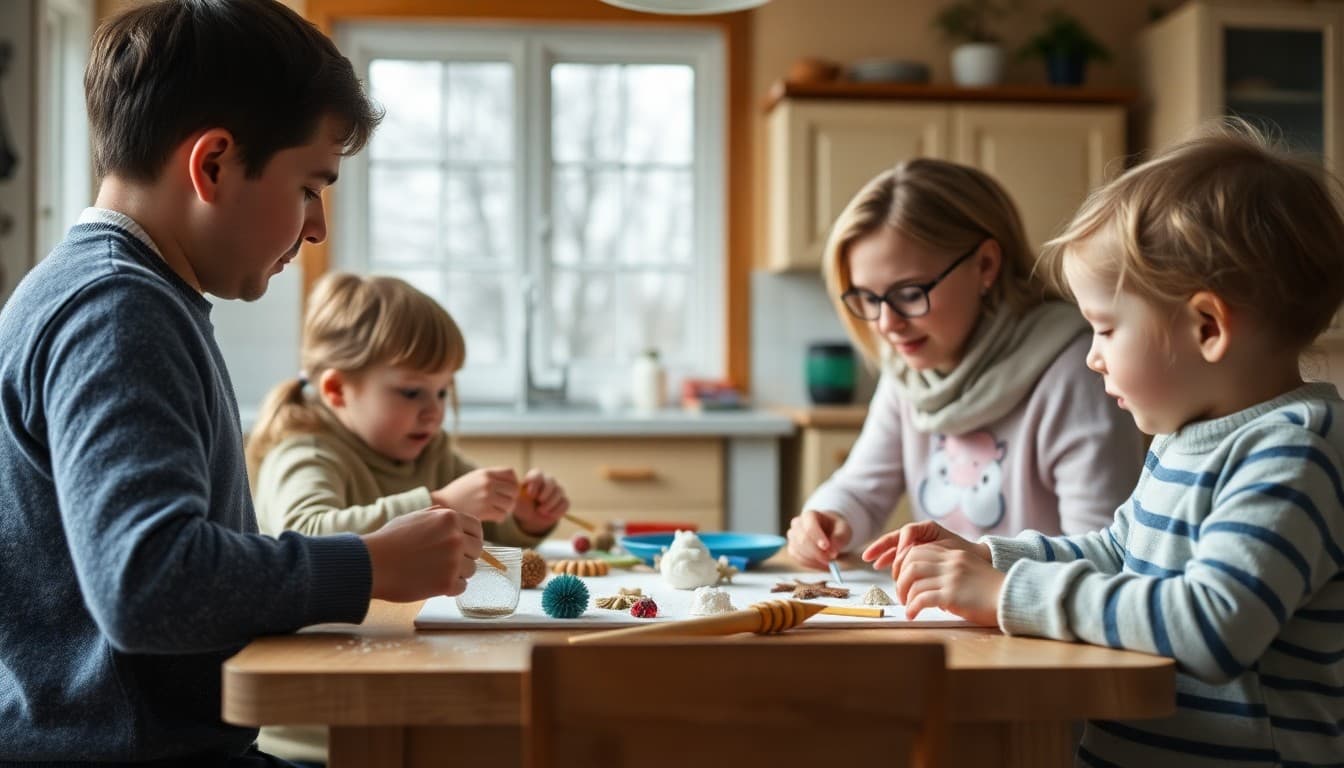
Pre-K Winter Break Newsletter: Activities to Do at Home
Send pre-K families into winter break with specific, playful learning activities. Includes a ready-to-use newsletter template with 10 ideas for 3-5 year olds at home.

Pre-K Winter Clothing Newsletter: Dressing for the Weather
Send a practical pre-K winter clothing newsletter that prepares families for cold weather outdoor play. Includes a ready-to-use template, layering tips, and labeling guidance.
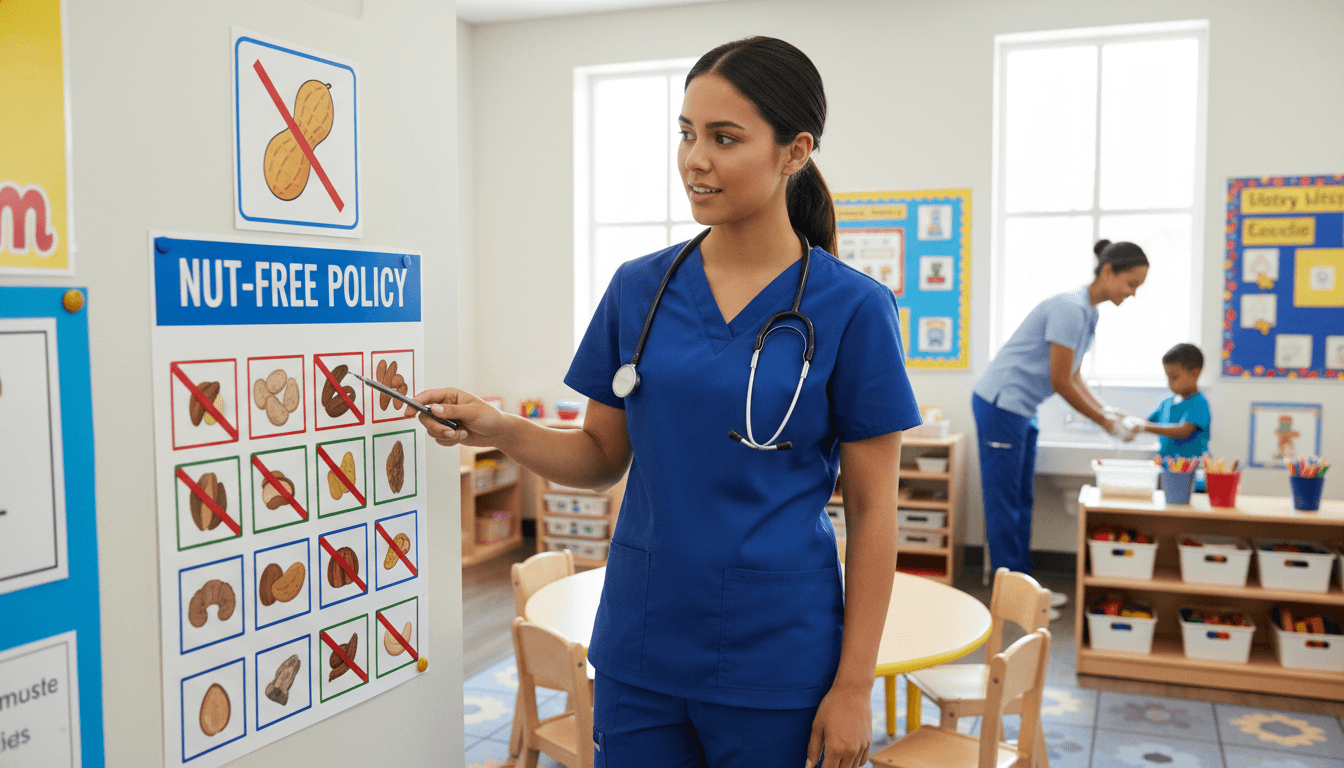
Preschool Allergies and Health Communication: What to Include in Your Newsletter
How to communicate allergy policies, sick day rules, and illness prevention in your preschool newsletter without naming children or causing panic.
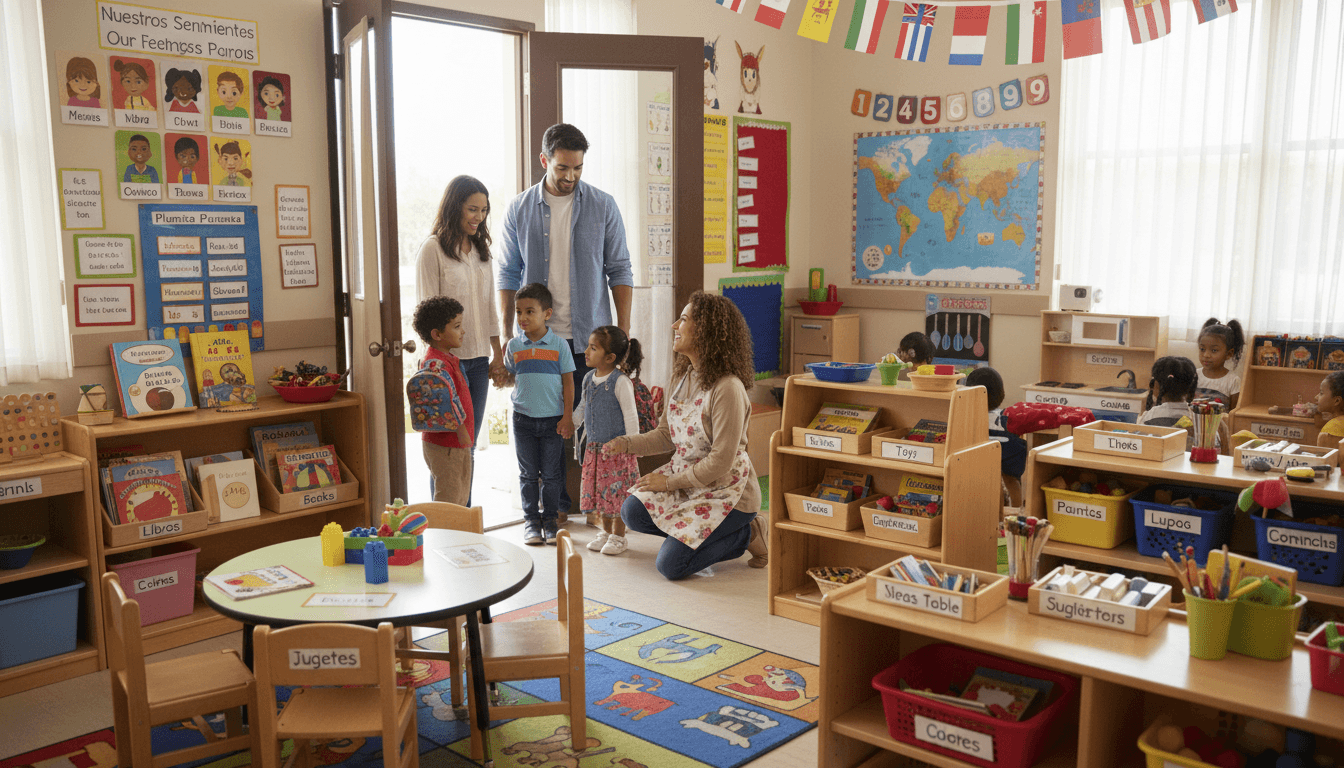
Preschool Allergy and Food Policy Newsletter: Communicating Safety to Families
How preschool teachers can write a clear, direct allergy and food safety newsletter that protects children, sets family expectations, and reduces incidents before they happen.

Preschool Art and Creativity Newsletter: What Families Should Know About Process Art
How preschool teachers can use newsletters to explain process-based art to families, help parents understand the developmental value of open-ended art experiences, and suggest creative activities families can do at home.
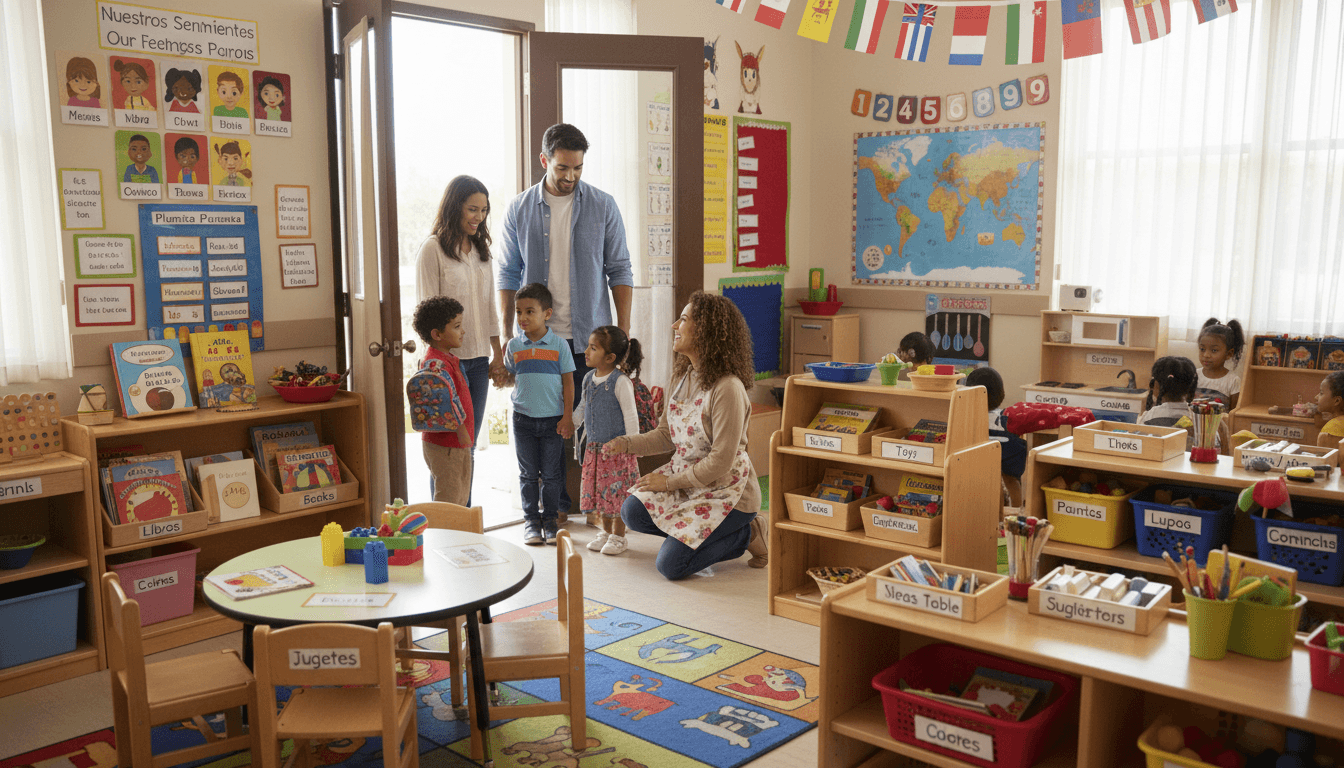
Preschool Kindergarten Readiness Assessment Newsletter: What Families Need to Know
How preschool teachers can use newsletters to explain kindergarten readiness assessments, describe what readiness actually means for young children, and help families understand how to support their child's development without anxiety or pressure.
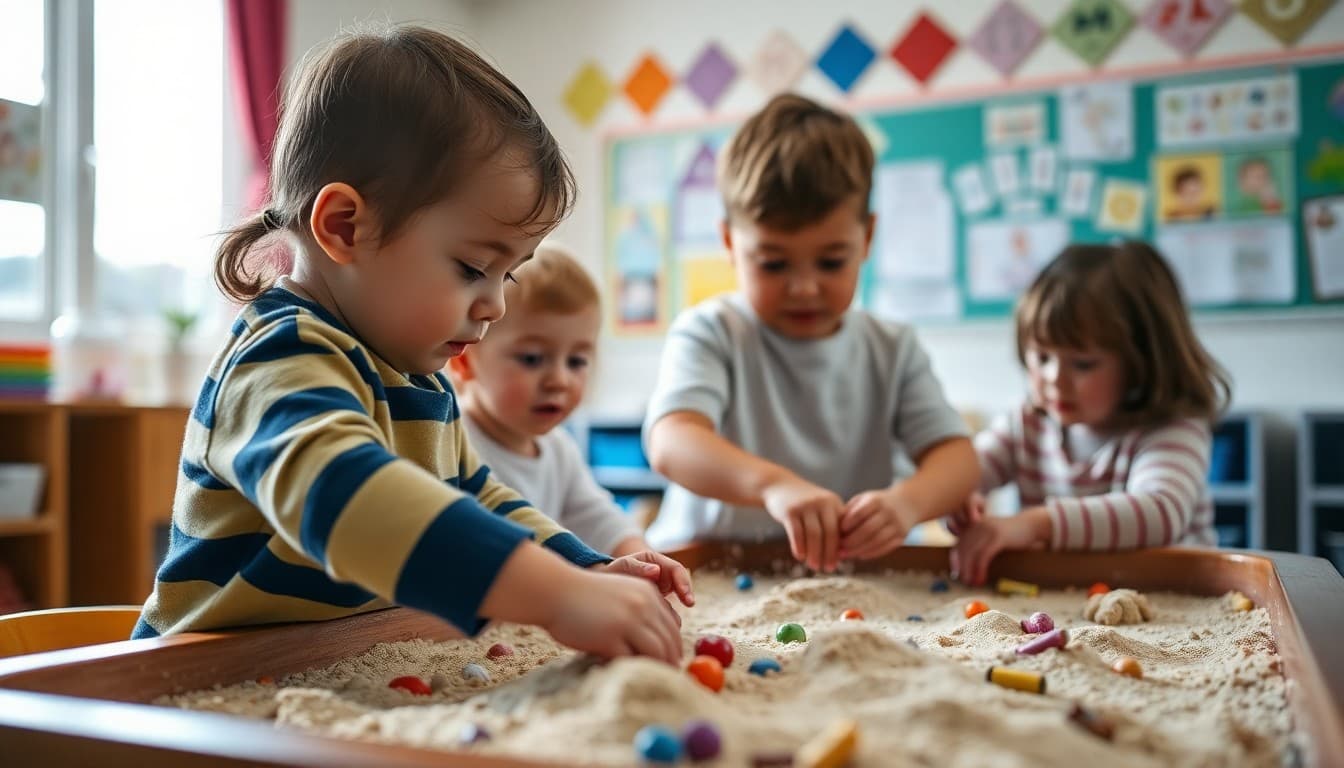
Pre-K Sensory Play Newsletter: Learning Through the Senses
A pre-K sensory play newsletter explains the developmental science behind sensory activities, describes classroom sensory experiences, and gives families simple sensory play ideas to try at home.
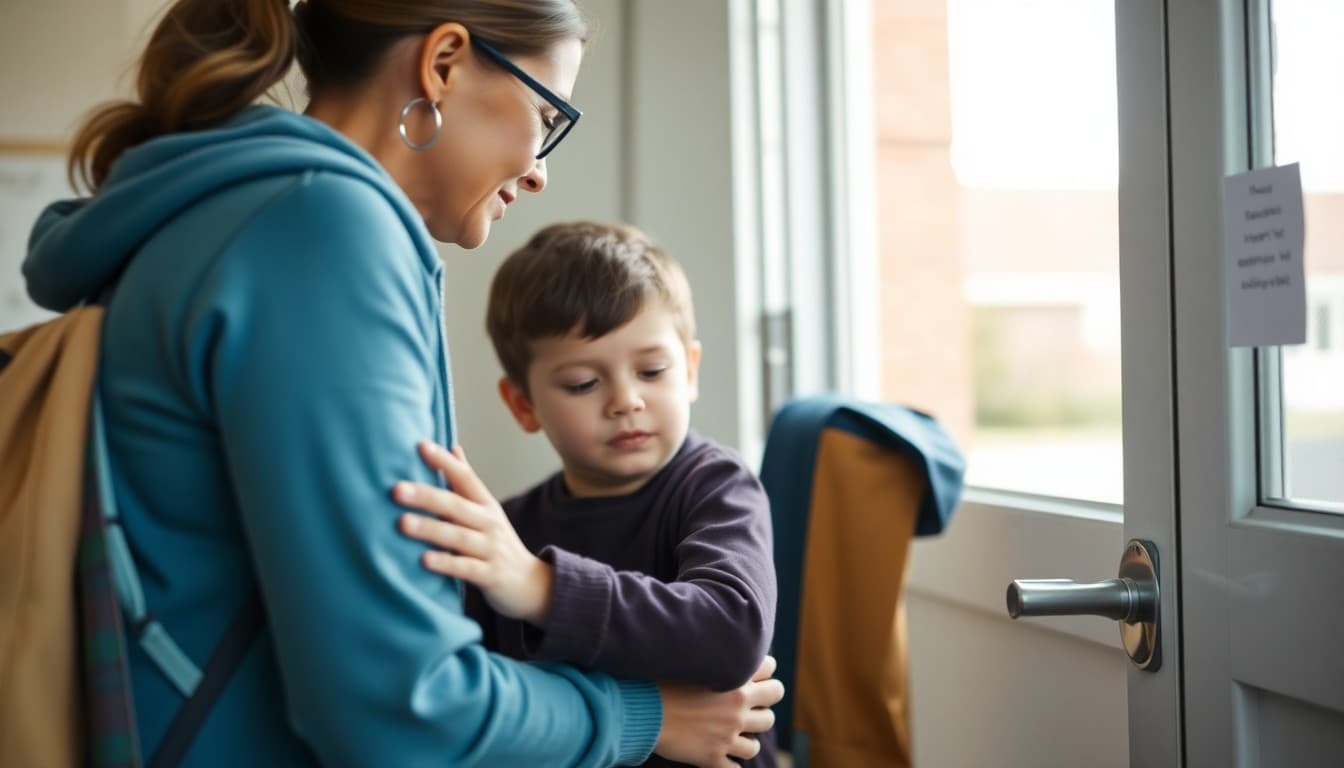
Pre-K Separation Anxiety Newsletter: Tips for Families
A pre-K separation anxiety newsletter helps families understand why it happens, how to create effective goodbye rituals, and when to trust that their child transitions well after they leave.
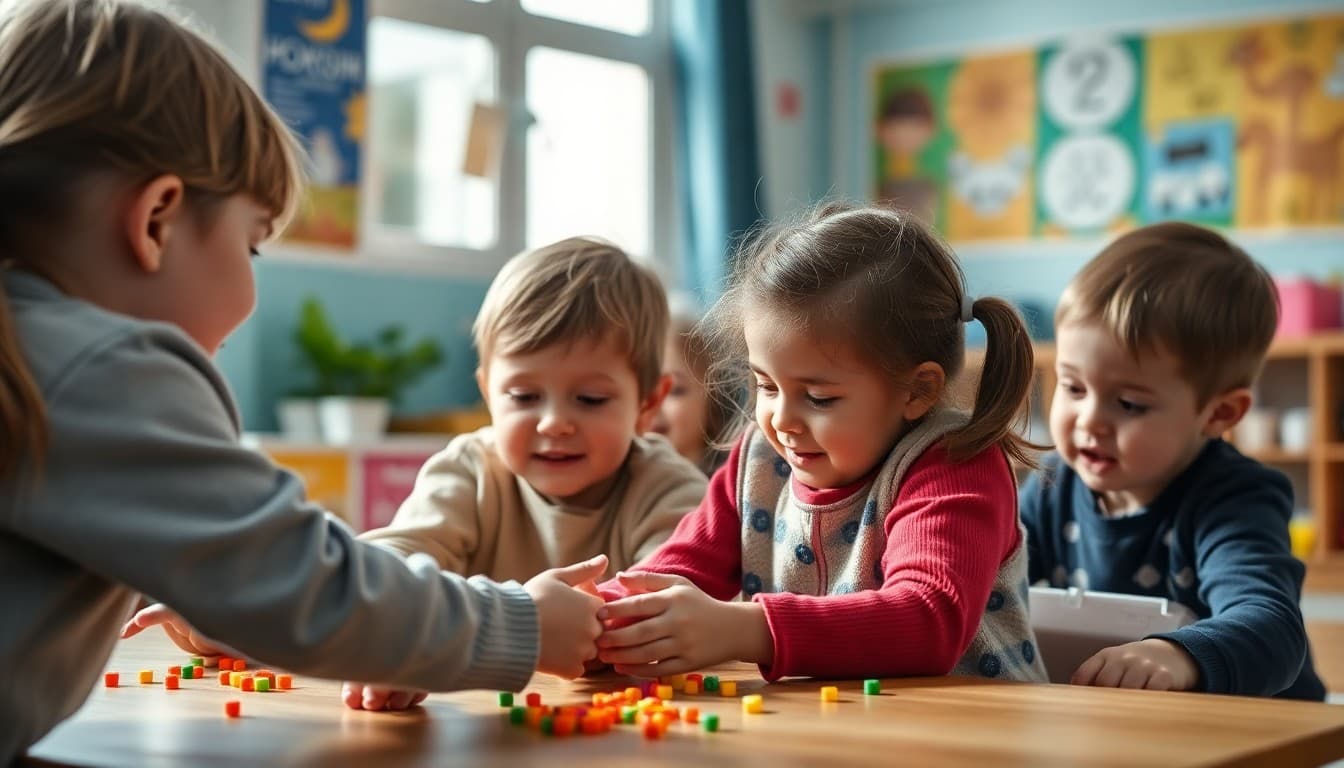
Pre-K Social Skills Newsletter: Making Friends and Sharing
A pre-K social skills newsletter explains what typical peer development looks like at ages 3-5, how teachers support social learning, and what families can practice at home to build friendship skills.
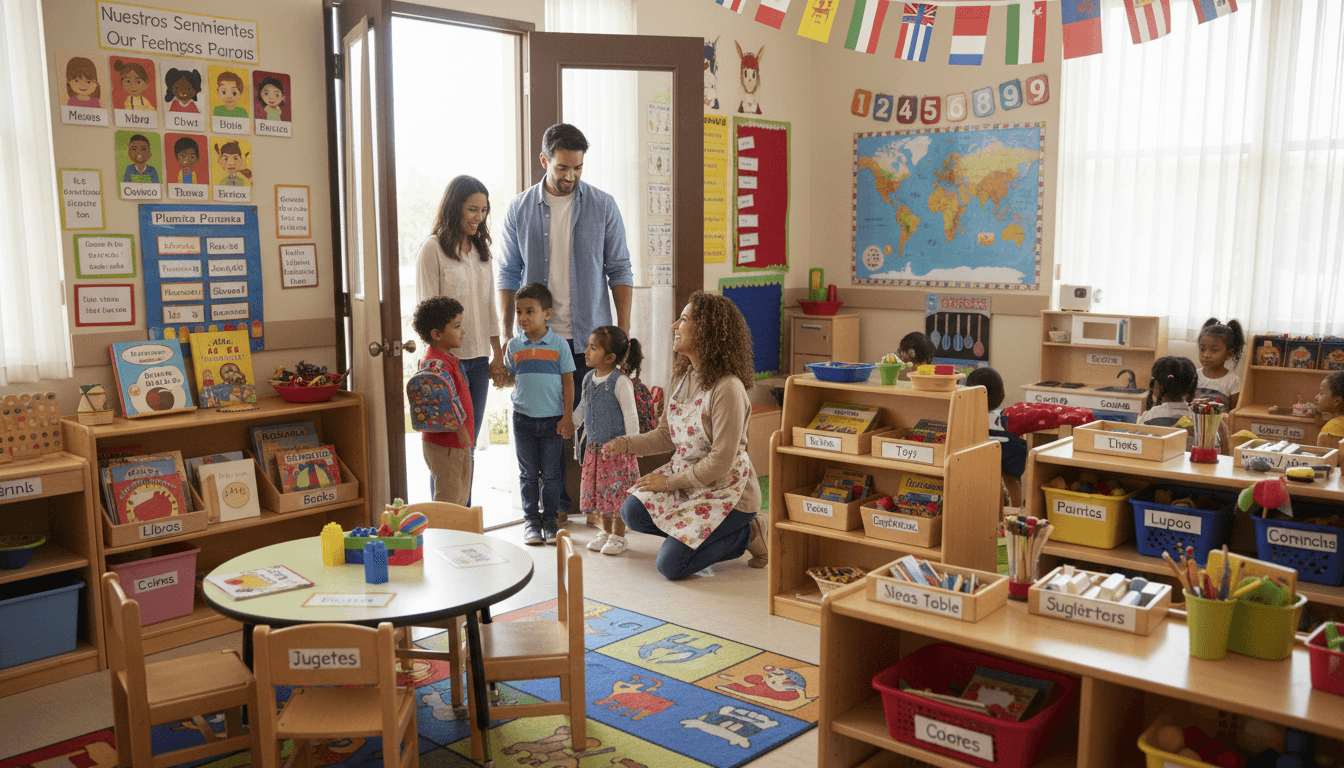
Pre-K Teacher Newsletter Guide: What to Send, When, and How Often
A practical guide for pre-K teachers on building a consistent newsletter routine that keeps families informed without adding hours to your weekly workload.

How to Write a PreK Newsletter to Parents That Gets Read
A practical guide for Pre-K teachers on writing family newsletters that parents actually open, read, and act on. Covers format, tone, content, and frequency for preschool communication.
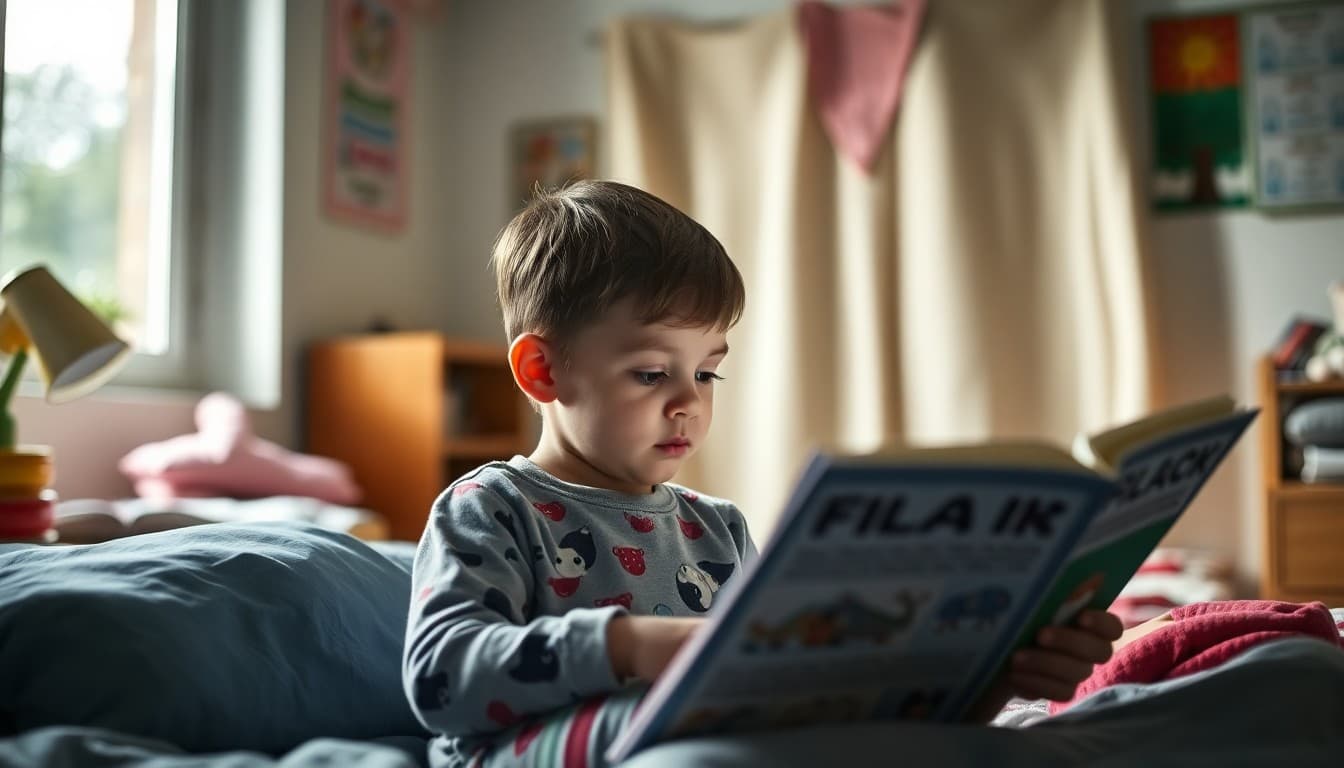
Pre-K Parent Newsletter: School Night Sleep Schedule Tips
Help Pre-K families build consistent bedtime routines with a practical newsletter guide. Better sleep means better days at school for 3- and 4-year-olds.