
How to Write an Alphabet Unit Newsletter to PreK Parents

An alphabet unit is one of the most visible things Pre-K teachers do, and it is one that parents have strong expectations about. Many families assume that Pre-K is where children learn the alphabet as a prerequisite to reading. Your newsletter is a chance to explain what letter learning actually involves, why it matters, and how they can support it at home.
What Alphabet Knowledge Means at Pre-K Age
Start your alphabet unit newsletter by explaining what you are building. At Pre-K age, the goal is letter recognition, the ability to identify a letter by name and its corresponding sound, and beginning letter formation, the motor skill of writing letter shapes. This is distinct from phonics instruction, which combines letters into words, and from reading, which requires many additional skills beyond letter knowledge. Families who understand this goal can celebrate appropriate progress rather than measuring their child against an unrealistic standard.
Your Classroom Approach to Letter Learning
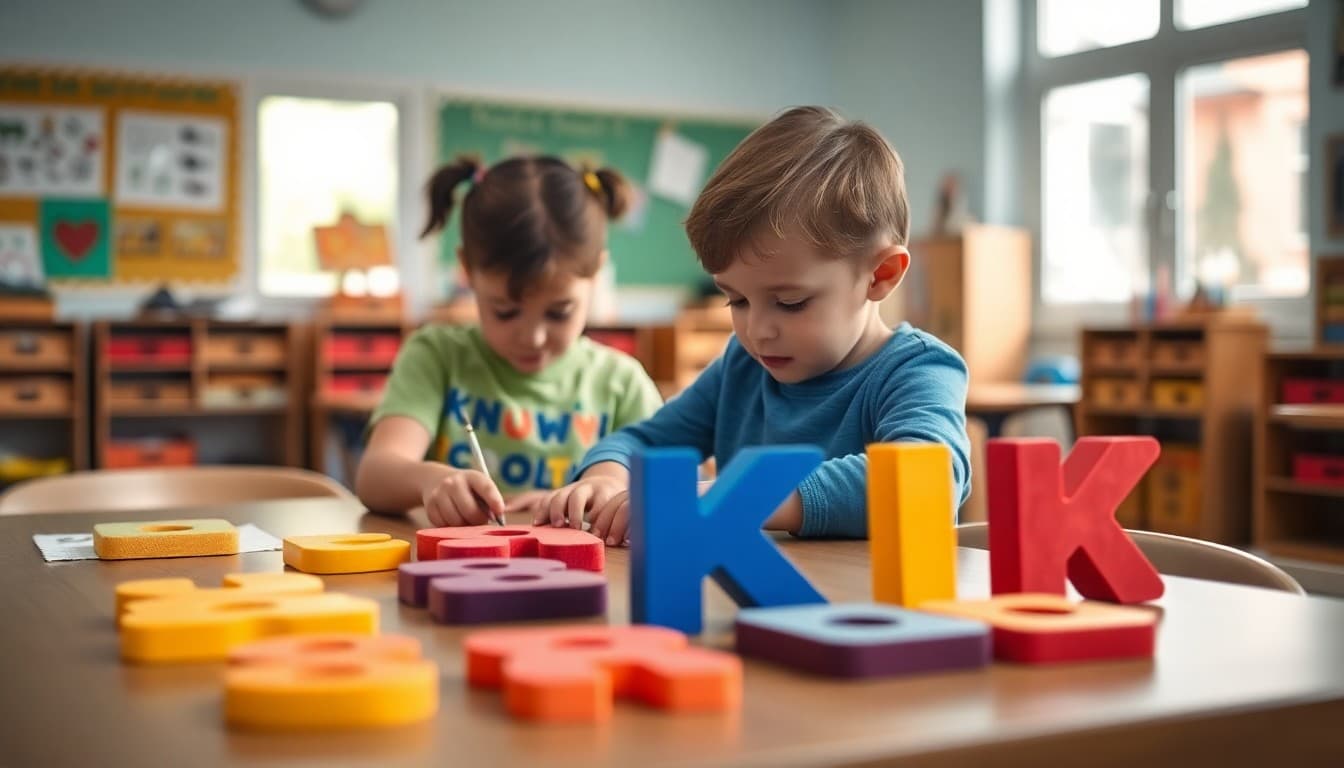
Explain how you teach letters in your classroom and why. If you use a multisensory approach, writing letters in sand, tracing large foam letters, body spelling with movement, tell families what that looks like and what it builds. Research shows that multisensory letter instruction builds stronger letter memory than visual instruction alone because it encodes the letter shape in both the visual and the motor memory system. Your newsletter can say this plainly without jargon.
The Connection Between Letters and Names
Every child's own name is their most powerful early literacy tool. The letters in a child's name are the ones they learn fastest and remember most reliably. Your alphabet unit newsletter should acknowledge this and encourage families to practice the child's name specifically: tracing it, building it with magnets on the fridge, finding it on labels and birthday cards. The name is a gateway to letter learning that no worksheet can replicate.
A Sample Newsletter Excerpt to Copy
“This week we focused on the letters A, B, and C. We traced them in shaving cream, sang the alphabet in slow motion, and each child found these letters in a magazine page. At home this week: draw a large A on paper and ask your child to trace it with their finger. Then find an 'A' word together, apple, ant, airplane. The sound-letter connection is what builds toward reading.”
Environmental Print as a Family Tool
Encourage families to go on an environmental print hunt with their child. Cereal boxes, stop signs, store signs, and logos are all full of letters that children recognize long before they can formally read. When a child points to a McDonald's M and says 'that's my letter!' they are doing early literacy work. Your newsletter can validate this and give families simple prompts: “Find three things at home with the letter we're studying this week.”
What to Avoid in Alphabet Instruction at Home
Many families default to drilling flashcards or running through alphabet apps. Your newsletter can offer a gentle alternative. Flashcard drilling builds recall for the alphabet song order, but not necessarily for individual letter recognition or sound association. Interactive, contextual exposure, finding letters in books, in names, in the environment, builds stronger and more flexible letter knowledge. Suggest that families spend their alphabet time reading alphabet books together rather than drilling alone.
What Comes After Letters
Help families see where letter learning leads. Once children can recognize most letters and associate common sounds, they begin to notice that letters in sequence form words. This phonological awareness, the ability to hear and manipulate the sounds in language, is the next step. Your newsletter can preview this so families understand that letter work is not an endpoint but a foundation. That forward view builds confidence and realistic expectations for kindergarten readiness.
Sending Your Alphabet Unit Newsletter With Daystage
Daystage makes it easy to send a weekly alphabet unit update with a classroom photo, a brief description of the week's letter focus, and a take-home activity. Families receive it on their phones the same evening you teach the letters, while the experience is still fresh. That timing makes the take-home activity significantly more likely to happen, and the family conversation significantly more specific than “what did you do at school today?”
Get one newsletter idea every week.
Free. For teachers. No spam.
Frequently asked questions
What should a Pre-K alphabet unit newsletter tell parents?
It should explain what alphabet knowledge means at Pre-K age, which is recognition and sound association for specific letters, not reading readiness as a whole. It should describe the specific letters or letter range you are focusing on, how you are approaching letter learning in the classroom (sensory, movement-based, or visual), and what families can do at home to reinforce the letters being studied this week.
Should Pre-K teachers focus on one letter per week?
One-letter-per-week curriculum is common but has mixed research support. Young children benefit more from seeing letters in meaningful contexts, including their own name and familiar environmental print, than from isolated letter instruction. Your newsletter can reflect whichever approach your program uses while explaining why the approach builds literacy more effectively than the alternative families might expect.
What are the best at-home alphabet activities for Pre-K families?
Activities that involve the child's name are always high-value because they are personally meaningful. Environmental print hunts, finding letters on cereal boxes and signs, are effective. Sensory writing in sand, shaving cream, or finger paint builds letter formation without the frustration of pencils. Alphabet books with strong illustration connections between letters and images work well for read-alouds. All of these build letter recognition without pressure.
How do I explain the difference between letter recognition and reading to Pre-K parents?
Letter recognition means knowing what the letter looks like and what sound it makes. Reading requires the child to blend sounds together into words, track print from left to right, understand that groups of letters form words, and decode meaning. Letter recognition is one of about a dozen skills that contribute to reading. Your newsletter can explain this so families do not assume that a child who knows their ABCs is ready to read.
How do Pre-K teachers send alphabet unit newsletters to families?
Daystage makes it easy to send a weekly unit newsletter with a classroom photo, a brief explanation of the week's letter focus, and a take-home activity. Families receive it directly on their phones and can try the activity the same evening while the classroom experience is still fresh.

Adi Ackerman
Author
Adi Ackerman is a former classroom teacher and curriculum writer with 8 years in K-8 schools. She writes about school communication, parent engagement, and what actually works in real classrooms.
More for Pre-K
Ready to send your first newsletter?
3 newsletters free. No credit card. First one ready in under 5 minutes.
Get started free