

Pre-K Classroom Volunteer Newsletter: Helping in Our Room
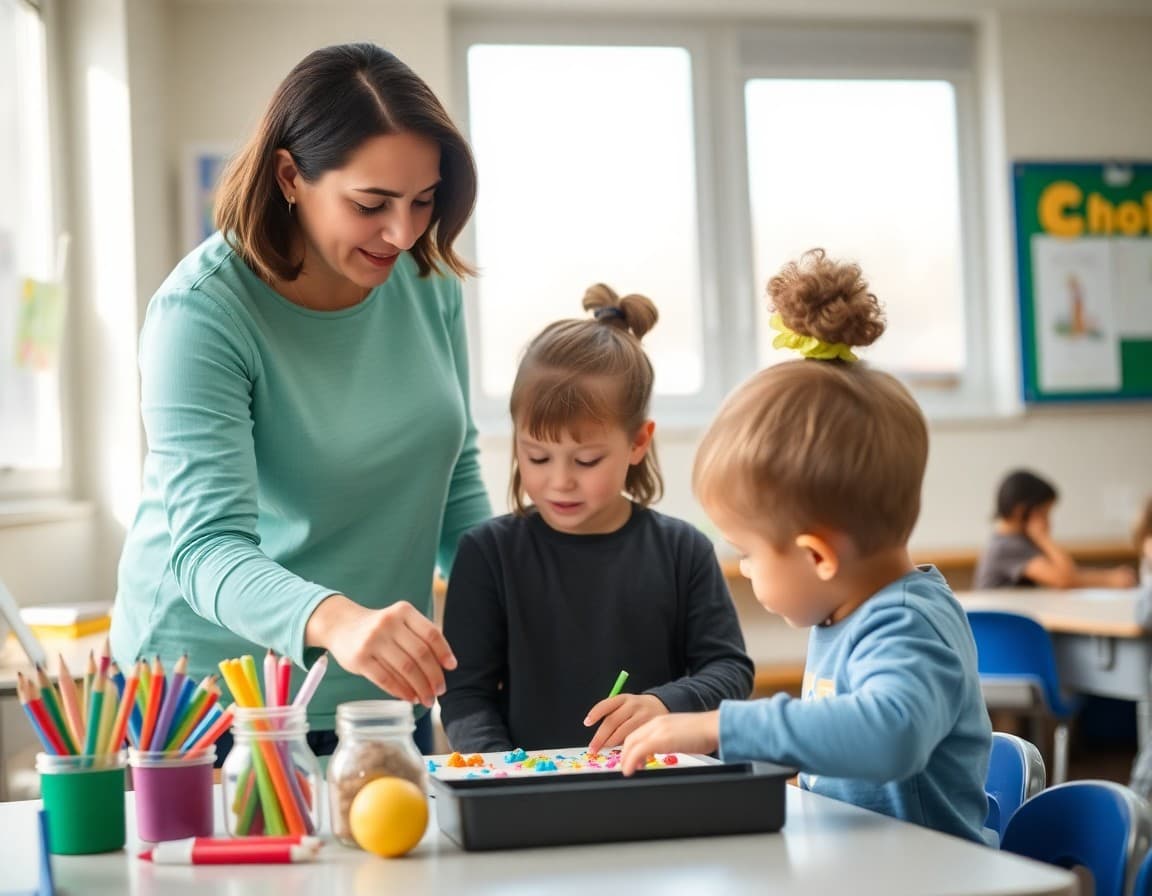
A well-crafted volunteer newsletter does two things: it invites families into the classroom community in a way that feels accessible, and it sets clear expectations so that when volunteers arrive, they are genuinely helpful rather than an additional thing for the teacher to manage. The invitation and the preparation are both essential.
Why Parent Volunteers Benefit the Whole Class
The most obvious benefit of classroom volunteers is the additional adult attention available to children. In a class of 16 children with one teacher and one assistant, having a third adult means small group reading, individual skill practice, and one-on-one conversation can happen simultaneously. A child who rarely gets five uninterrupted minutes of adult attention on a regular day gets it on volunteer days, and that changes what is possible in the learning block.
There is also a community benefit. Children see adults from their community engaging with learning in their classroom. They see that the adults in their life value school. They see different people doing things that adults do: sharing a skill, reading a book, demonstrating a cultural practice. That exposure is part of early childhood education that no curriculum can replicate.
Volunteer Roles That Actually Work in Pre-K
The most effective volunteer roles are clearly defined and require minimal teacher direction once started. Reading one-on-one or in a pair: the volunteer sits in the library corner with one or two children and reads to them from the center basket for 20 minutes. This is the highest-return volunteer activity in pre-K because it provides the individual book exposure that children need but that a 1:16 teacher ratio rarely allows during the regular day.
Leading a prepared small group activity: the teacher sets up an art, science, or cooking project in advance, and the volunteer runs it with a group of four while the teacher works with another group. The volunteer needs to know the steps, the language the teacher uses, and what to do if a child needs help beyond the activity itself. A five-minute briefing before children arrive makes this smooth.
Field trip support: an additional adult on a field trip changes the adult-to-child ratio in a way that allows for more exploration, more conversation, and more individual attention. This is one of the most impactful volunteer roles and one that working families can often manage by taking a single morning off rather than committing to a recurring in-classroom schedule.
What Volunteers Should Not Do
Clarity about boundaries protects both volunteers and children. Volunteers should not discipline children using methods the teacher has not modeled. Volunteers should not share observations about specific children with other families, even casually at pickup. Volunteers should not use their phones in the classroom while children are present. Volunteers should not change diapers or assist with bathroom needs unless they have received specific training and the program requires it. When in doubt, bring the question to the teacher rather than making an independent decision about a child's need.
A Template for Your Volunteer Recruitment Newsletter
This section can go out in September and again in January after the winter break:
"We welcome parent and family volunteers in our classroom throughout the year. Volunteer visits are typically 60-90 minutes during our center time block from [time] to [time]. You do not need any special skills or experience. Here are the roles we have available this month: [list specific roles with dates]. If you would like to share a skill, cultural practice, or story from your own life with the class, please reach out so we can plan it together. Families who cannot volunteer during school hours can contribute by [specific at-home options]. Sign up using the link below or email me at [address]."
Preparing Your Child for Your Visit
Before you volunteer in the classroom, let your child know you are coming and what you will be doing. "I am going to read to a small group of children for an hour, and then I need to leave to go to work" is clearer and more reassuring than surprising them with your arrival. Set expectations about the farewell: "When I leave, I will give you a quick hug and then you will stay with [teacher's name]. We will talk about it at dinner."
Some children do significantly better with no advance warning, particularly those who tend to become anxious about transitions. Know your child's pattern and plan accordingly. If you are uncertain, ask the teacher what approach works best for your child in other transition situations.
Volunteer Scheduling and Follow-Through
The most common volunteer problem in pre-K classrooms is not lack of interest but lack of follow-through. A parent who enthusiastically signs up in September and then cancels the day before repeatedly is harder to plan around than a parent who simply does not sign up. The solution is not to shame anyone but to make the sign-up process clear about expectations: once you sign up for a date, please give 48 hours notice if you need to cancel so the teacher can adjust plans or invite another family.
Building a simple scheduling system into your newsletter, with a link to a sign-up form that shows which dates are available and which are filled, makes the logistics easy and the commitment visible. Families who can see that only two spots remain in November are more likely to sign up than those who see an open-ended invitation with no visible structure.
Families Who Work and Cannot Volunteer in Person
Every year, several families express guilt about not being able to volunteer during school hours. Address this directly in the newsletter rather than leaving families to manage that feeling alone. Working families contribute to the classroom in other ways that are equally meaningful: donating supplies from the teacher's wish list, preparing classroom materials at home in the evening, contributing to a classroom cooking project by making something at home and bringing it in, or volunteering for a weekend community event connected to the school. The goal is connection, not any particular form of presence.
Get one newsletter idea every week.
Free. For teachers. No spam.
Frequently asked questions
What tasks are appropriate for pre-K classroom volunteers?
Effective pre-K volunteer roles include: reading one-on-one or in pairs with children during center time, leading a small group art or science activity prepared by the teacher, assisting with snack setup and cleanup, accompanying the class on a field trip, preparing classroom materials (cutting, laminating, organizing) outside of school hours, and sharing a cultural practice or skill with the class. Volunteers should not be asked to manage child behavior, conduct assessments, or provide individual instruction without teacher training and oversight.
How should volunteers interact with children they do not know?
Volunteers in a pre-K classroom should follow the teacher's lead for all child interactions. Use the same calm, warm tone the teacher uses. Do not pick children up unless they are injured and the teacher is not available. Maintain the same physical boundaries the teacher maintains. Do not discuss a child's behavior or development with other parents, including your own child's. Confidentiality is not optional in a classroom setting, even for volunteers. Teachers should brief volunteers on these expectations before they arrive in the classroom.
What if a family cannot volunteer during school hours?
Many pre-K families include adults who work during school hours and cannot volunteer in the classroom. Alternative contributions are equally valuable: preparing materials at home (cutting foam shapes, organizing game cards), contributing to a classroom garden or library, donating specific materials from the teacher's wish list, sharing a skill or recipe that can be prepared at home and brought in, or volunteering for evening or weekend school events. The goal is connection and contribution, not a specific type of presence.
How does having a parent volunteer in the classroom affect the child whose parent it is?
The effect varies by child and age. Some 4-year-olds are proud to have their parent in class and show off for them in positive ways. Others become clingy, behave differently than usual, or have difficulty at dropoff on volunteer days because they expected the parent to stay. Teachers should brief volunteering parents that their child's behavior may shift when they are present, and that this is normal. If a child's behavior becomes significantly disruptive on parent volunteer days, it may make sense to adjust the frequency or timing of visits.
How can Daystage help with classroom volunteer coordination?
Daystage newsletters can include volunteer sign-up links directly in the newsletter so families can sign up for a specific date and role from their phone without navigating a separate website. Teachers can track who has signed up, send reminders to confirmed volunteers, and follow up with families who expressed interest but have not yet scheduled. This approach produces significantly higher volunteer follow-through than a paper sign-up sheet posted on the classroom door.

Adi Ackerman
Author
Adi Ackerman is a former classroom teacher and curriculum writer with 8 years in K-8 schools. She writes about school communication, parent engagement, and what actually works in real classrooms.
More for Pre-K
Ready to send your first newsletter?
3 newsletters free. No credit card. First one ready in under 5 minutes.
Get started free