
Pre-K Read-Aloud Newsletter: Books and Benefits for Families
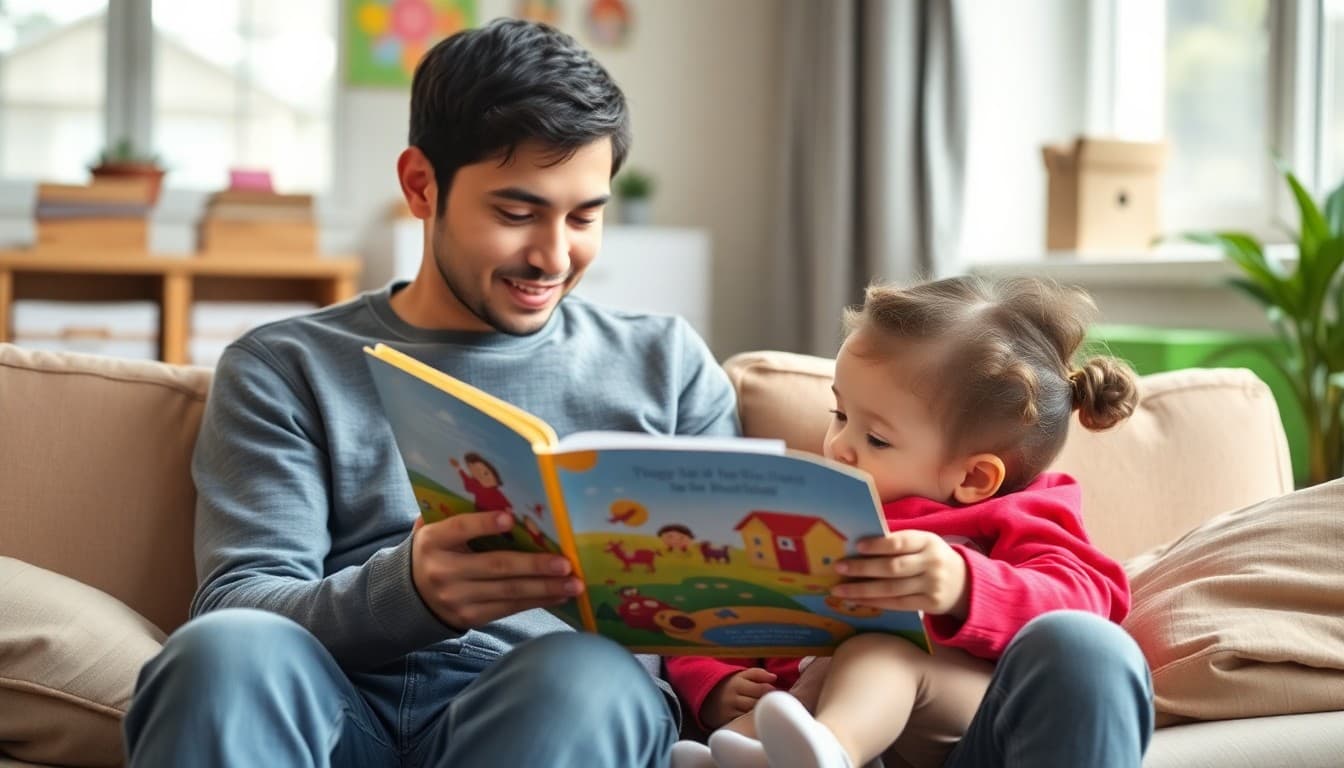
A pre-K read-aloud newsletter does two things at once. It explains why reading aloud matters developmentally, and it gives families something specific to do tonight. That combination is what separates newsletters that pile up on the counter from ones that actually change habits at home.
Why Read-Alouds Are the Single Most Powerful Pre-K Activity
When a teacher or parent reads aloud to a 3-5 year old, the child is absorbing vocabulary they would never encounter in ordinary conversation. Words like "enormous," "shimmered," and "reluctant" appear regularly in children's books but almost never in daily speech. Studies show that preschoolers who are read to frequently have vocabularies that are 2-3 times larger by kindergarten entry than children who had minimal read-aloud exposure. That vocabulary gap predicts reading comprehension all the way through middle school.
Read-alouds also build something less visible: children learn that printed marks carry meaning, that books open from the left, that stories have a beginning, middle, and end. These print concepts are foundational. A child who has heard 1,000 books before kindergarten arrives already knowing how literacy works, even before formal reading instruction begins.
What Happens During a Classroom Read-Aloud
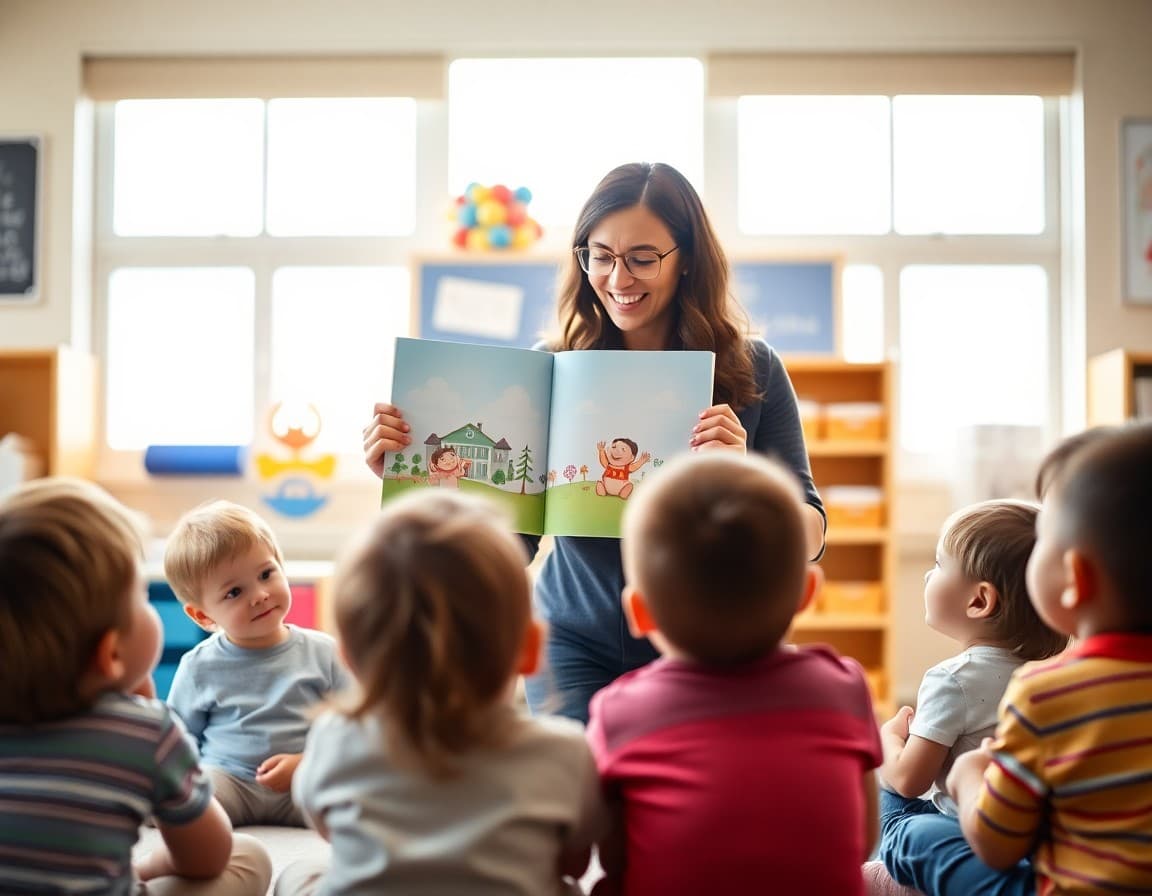
Your child's day includes at least two structured read-alouds. During morning circle, we choose a book that connects to our weekly theme. We read it together, pause at illustrations, and invite children to predict what comes next. During rest time, we read something quieter, usually a shorter book or poetry, which helps transition children into a calm state. Both sessions model fluent reading, expressive storytelling, and how to handle a book carefully.
This week we are reading "Chrysanthemum" by Kevin Henkes during morning meeting. If your child comes home talking about a mouse who does not like her name, that is the book. Ask them how Chrysanthemum felt at the end of the story.
Book Picks for Home Reading This Month
These titles work well for 3-5 year olds and are available at most public libraries. Each one serves a different purpose:
"Where the Wild Things Are" builds imaginative language and lets children explore big feelings safely. "Press Here" by Herve Tullet gets children physically interacting with the book, which keeps wiggly preschoolers engaged. "Last Stop on Market Street" introduces community concepts and opens conversations about different kinds of families and neighborhoods. Any of these can replace a screen during the 20 minutes before dinner while a meal is finishing on the stove.
A Template Excerpt You Can Use in Your Newsletter
Copy and adjust this section for your own read-aloud newsletter:
"This week in class, we are reading [Book Title] by [Author]. Here is one question to ask your child when they get home: [specific question tied to the book's theme]. If you would like to find this book at the library, search for it under the author's last name. You can also ask the children's librarian for books in the same series."
Keeping the template short and book-specific means parents can act on it immediately. A generic "read 20 minutes a night" reminder does not change behavior the way a specific book title and one question does.
How to Read Aloud When Time Is Short
The most common barrier families mention is time. Here is a realistic approach for busy households: a single board book takes about four minutes. Reading it twice takes eight. That is enough. Waiting rooms, car pickup lines, and the five minutes before lights-out are all legitimate read-aloud moments. The habit matters more than the setting.
If a child resists sitting still, try reading while they play with blocks or playdough nearby. Many 4-year-olds absorb more from an overhead read-aloud than they do from sitting face-to-face. The book does not have to be the center of attention to do its work.
Engaging Multilingual Families
Families who speak a language other than English at home sometimes worry that reading in their home language will confuse their child or slow down English acquisition. The research says the opposite. Strong literacy habits in any language transfer directly to English. When you read aloud in Spanish, Somali, Mandarin, or Haitian Creole, you are building the same narrative and vocabulary structures that English reading requires. We actively encourage home-language read-alouds and celebrate multilingualism as a strength in our classroom.
Visiting the Library Together
A library card in a child's name is one of the most concrete things a family can do to support reading. Most public libraries issue cards to children of any age, and many have special pre-K storytimes on weekday mornings. Visiting the library together, letting the child pick their own books, and checking them out under their own name all build a personal identity around reading. Children who think of themselves as readers before kindergarten have a significant advantage when formal instruction begins.
Sending Families Home with Something Specific
The newsletters that generate the most response from pre-K families share three things: one book title, one question to ask at home, and one specific action (go to the library, read before bed, ask about a character). Daystage lets you schedule those weekly reading newsletters in advance so the book of the week goes home every Friday without extra effort on your part. When families know what to expect and when to expect it, read-aloud rates at home go up.
Get one newsletter idea every week.
Free. For teachers. No spam.
Frequently asked questions
How many minutes should parents read aloud to preschoolers each day?
Research from the American Academy of Pediatrics recommends at least 15-20 minutes of read-aloud time daily for children ages 3-5. Even two 10-minute sessions split across morning and bedtime count. The key is consistency rather than duration. Children who hear 1,000 books before kindergarten arrive with dramatically stronger vocabulary and print awareness than peers who had fewer read-aloud experiences.
What books work best for pre-K read-alouds at home?
Books with repetitive patterns, rhymes, and predictable text are ideal for 3-5 year olds. Titles like 'Brown Bear, Brown Bear,' 'The Very Hungry Caterpillar,' and 'Goodnight Moon' give children opportunities to chime in and predict. Wordless picture books also work extremely well because they build narrative language without requiring any print reading. Board books remain appropriate for younger preschoolers who still need durable pages.
Should parents ask questions while reading aloud?
Yes, but the type of question matters. Open-ended questions like 'What do you think will happen next?' or 'How does that character feel?' build more language than yes/no questions. Pause at turning points in the story and let the child look closely at the illustrations. After finishing, asking 'What was your favorite part?' encourages children to retell and process what they heard, which strengthens comprehension skills.
Can reading aloud in a home language other than English help at school?
Absolutely. Reading aloud in any language builds the same foundational skills: vocabulary, narrative structure, print concepts, and a love of stories. Children who develop strong literacy habits in their home language transfer those skills to English. Encourage multilingual families to read in whatever language feels natural. The school values and celebrates multilingual read-aloud practices and views them as an asset, not a barrier.
How does the pre-K classroom handle read-alouds, and how can families follow along?
We read aloud at least twice daily during morning meeting and rest time. Each week we feature a 'Book of the Week' and send home the title so families can look for it at the library or read a related book at home. Daystage makes it easy to share our weekly book picks in the newsletter so families always know what their child is hearing in class and can extend the conversation at home.

Adi Ackerman
Author
Adi Ackerman is a former classroom teacher and curriculum writer with 8 years in K-8 schools. She writes about school communication, parent engagement, and what actually works in real classrooms.
More for Pre-K
Ready to send your first newsletter?
3 newsletters free. No credit card. First one ready in under 5 minutes.
Get started free