
Pre-K Sensory Play Newsletter: Learning Through the Senses
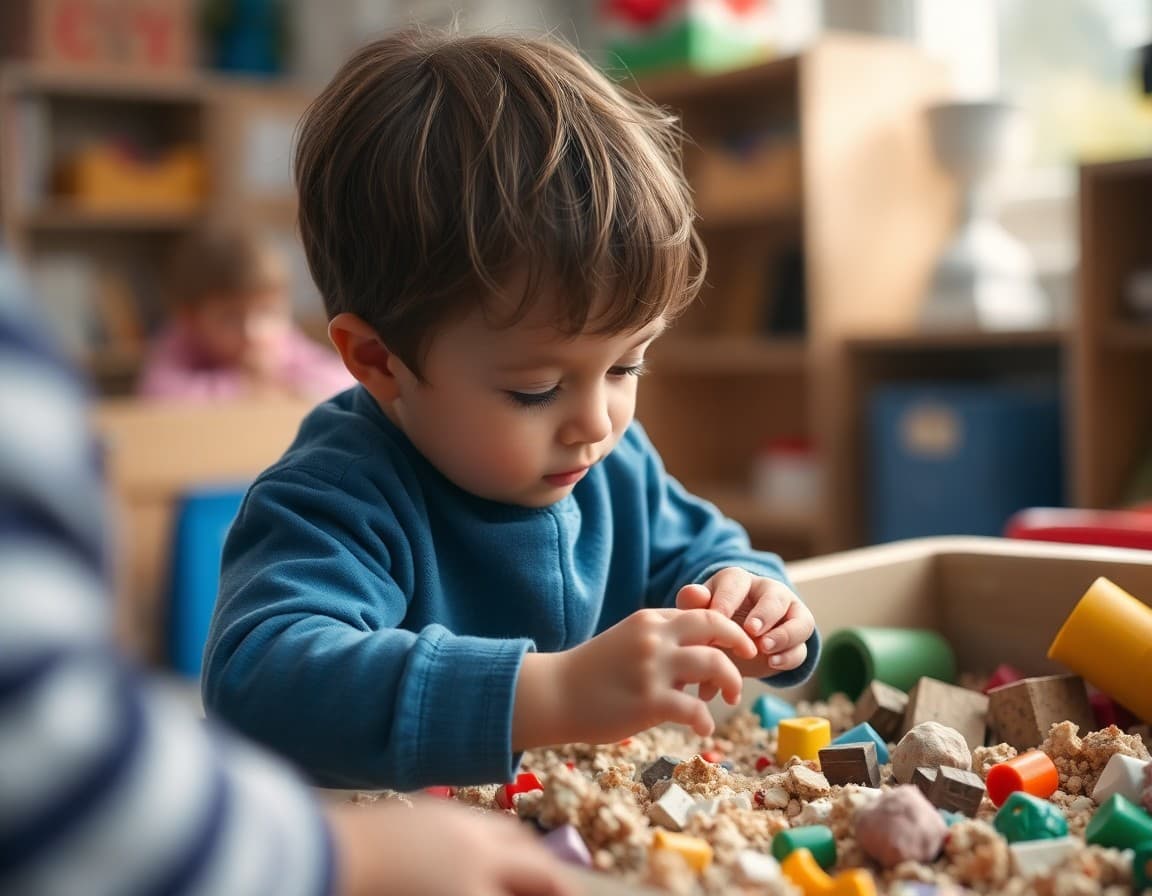
Sensory play is one of the most visible and most frequently questioned aspects of a pre-K classroom. Families see sand tables, water trays, bins of rice, and paint activities and wonder how this relates to academic preparation. A sensory play newsletter that answers that question directly, with specific developmental science and concrete classroom examples, helps families understand why sensory exploration is not optional enrichment but foundational learning that supports cognitive, motor, social, and emotional development simultaneously.
The Science Behind Sensory Learning
Children's brains are developing at an extraordinary rate in the pre-K years, and sensory experiences are one of the primary drivers of neural connection building. When a child pours water from one container to another, they are not just playing: they are building spatial reasoning, fine motor control, understanding of volume and weight, and the cause-and-effect thinking that underlies scientific inquiry. When a child squeezes and rolls playdough, they are building hand strength, proprioceptive awareness, and the calming input that helps regulate an activated nervous system. The multisensory nature of these activities is not incidental; it is why they produce learning in so many domains simultaneously.
What the Sensory Table Is Teaching This Month
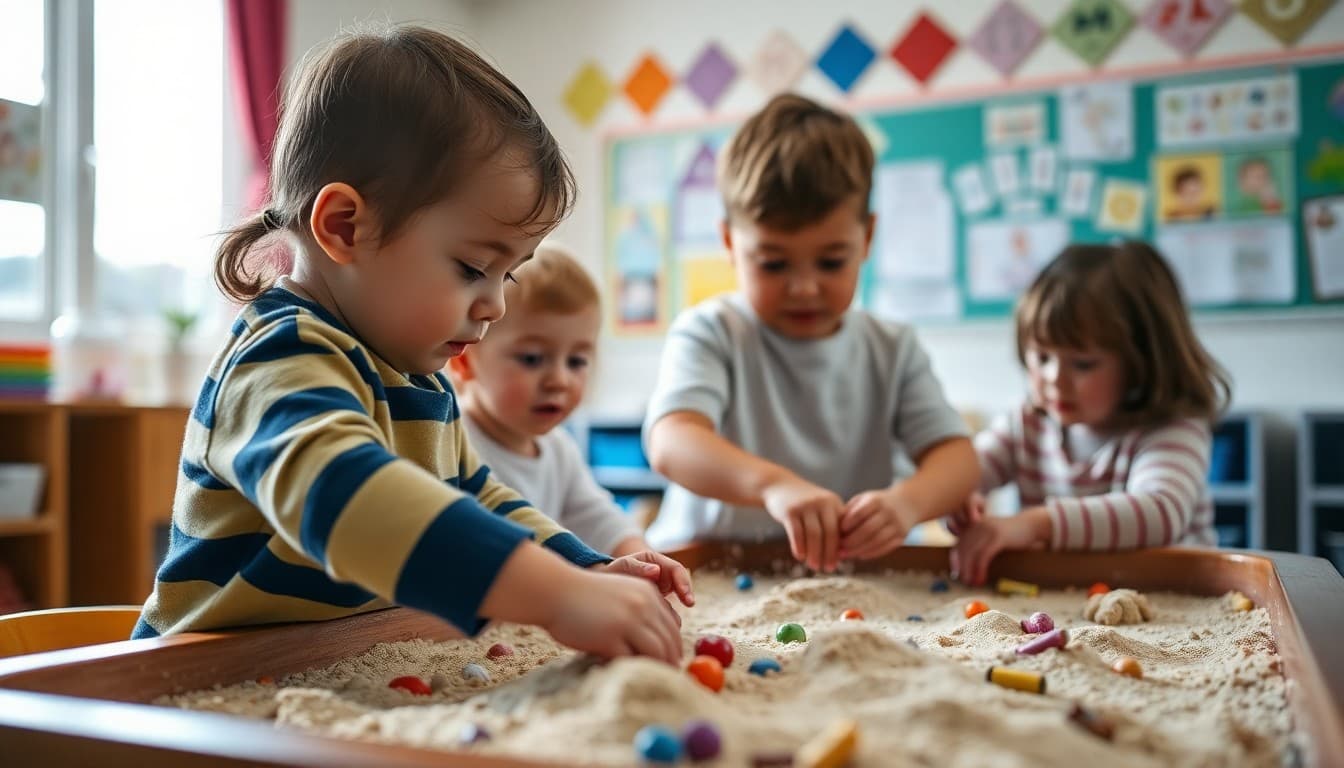
The most useful section of a sensory play newsletter is the specific description of what the current sensory activity is designed to teach. "This month our sensory table has kinetic sand. Children are using scoops, molds, and small tools to build and flatten structures. This activity is developing: hand strength for writing, vocabulary for describing texture and properties (soft, moldable, packed, loose), mathematical language as children compare amounts (more, less, full, empty), and persistence as they discover that structures collapse and can be rebuilt." When families can see the developmental purpose behind the activity, they engage with it differently at home and in conversations with their child about the school day.
Common Sensory Materials and What They Build
The newsletter should describe a handful of common sensory materials and their specific developmental purposes so families have a reference framework they can use throughout the year. Sand and water: volume, measurement, pouring, and fine motor control. Playdough and clay: hand strength, bilateral coordination, creativity, and vocabulary. Paint: color mixing, cause and effect, fine motor control, and self-expression. Dry materials like rice or pasta: scooping, sorting, and the calming, organizing quality of repetitive pouring. Shaving cream: tactile exploration, letter formation practice, and the novelty that sustains attention longer than familiar materials.
Handling Sensory Aversion
Not all children approach the sensory table eagerly. Some children are averse to specific textures, temperatures, or messy materials. The newsletter should address this directly and without alarm. Sensory aversion in the pre-K years is common and exists on a spectrum from mild (a child who prefers not to touch wet materials but can manage being near the sensory table) to more significant (a child who becomes distressed when asked to touch any unfamiliar texture). Mild aversion often resolves with gentle, non-forced exposure and time. Teachers never force sensory engagement. For children with more significant sensory responses, a conversation with the teacher and potentially a referral to an occupational therapist is appropriate. Daystage is a helpful tool for this because it lets teachers share observations with families in writing, giving families a record they can bring to a pediatrician or OT consultation.
Template Excerpt: Sensory Play Home Activity Newsletter
Here is a sample activity section for a sensory play newsletter:
"Easy Sensory Activities to Try This Week: 1. Cloud Dough: Mix 1 cup of hair conditioner with 2 cups of cornstarch. Knead until it comes together into a soft, moldable dough that crumbles when squeezed. Use cookie cutters and molds. Builds: hand strength, texture exploration, vocabulary (smooth, powdery, cool). 2. Frozen Discovery: Freeze small plastic animals or objects in a container of water. Give your child a spray bottle with warm water and let them free the animals. Builds: cause and effect, fine motor, and scientific observation ('What makes the ice melt faster?'). 3. Sensory Bin: Fill a plastic bin with dry oats. Hide small objects inside. Use hands or tools to find them. Builds: tactile exploration, fine motor, and vocabulary."
Connecting Sensory Play to Language Development
One of the most underused aspects of sensory play is the language opportunity it creates. When a child is absorbed in exploring a material, they are highly receptive to new vocabulary that connects to what they are experiencing. A parent or teacher who says "This playdough feels malleable, it changes shape when you press it" while the child is pressing the playdough is providing a word in context that is far more likely to be retained than the same word introduced on a worksheet. The newsletter should encourage families to narrate sensory play rather than leaving it as silent exploration: name what the material feels, looks, smells, and sounds like; ask the child to describe it back; introduce one or two specific, interesting words per sensory session. This practice builds vocabulary and scientific language simultaneously.
Get one newsletter idea every week.
Free. For teachers. No spam.
Frequently asked questions
What is sensory play and why is it important in pre-K?
Sensory play is any activity that engages one or more of the five senses, plus proprioceptive and vestibular input. In pre-K, sensory play typically involves materials like sand, water, playdough, rice, paint, shaving cream, mud, and textured objects. Research shows that sensory exploration builds neural connections that support cognitive development, fine motor skills, language development, emotional regulation, and scientific thinking. It is not supplemental enrichment; it is foundational learning.
What developmental benefits does sensory play provide?
Sensory play simultaneously builds multiple areas of development. Fine motor skills develop through pouring, scooping, squeezing, and manipulating materials. Vocabulary develops as children describe textures, temperatures, and observations. Scientific thinking develops as children experiment: what happens if I add more water? Emotional regulation develops as sensory input has a calming effect on the nervous system for many children. Social skills develop as children negotiate space and materials at a shared sensory table.
What should families do if their child is averse to sensory materials?
Sensory aversion, a strong reluctance or distress response to certain textures, sounds, or tactile experiences, is more common than most parents realize and exists on a spectrum. Mild aversion is very common in the pre-K years and often responds to gradual, non-forced exposure. If a child has intense reactions to common sensory experiences, such as refusing to walk on grass, touch anything wet, or be in a noisy room, a consultation with an occupational therapist who specializes in sensory processing can be helpful.
How can families set up simple sensory play at home without a mess?
The easiest mess-management strategies are a shower curtain or plastic tablecloth under the play area, a sensory bin (a plastic storage container) to contain loose materials, and clothing that is already play clothes. Water play on a warm day can happen entirely outside. Dry sensory bins with rice, dried pasta, or oats produce far less mess than wet materials and are easily transferred to sealed containers for later. The setup and cleanup investment is small compared to the developmental value of 20 minutes of sensory exploration.
Does Daystage help pre-K teachers communicate sensory learning to families?
Pre-K teachers use Daystage to send sensory play newsletters that explain the developmental purpose of the week's sensory activities, include photos from the sensory table, and give families specific activity ideas to try at home with household materials. The newsletter format makes it easy to include photos alongside the written content, which helps families see what sensory learning actually looks like rather than imagining it abstractly.

Adi Ackerman
Author
Adi Ackerman is a former classroom teacher and curriculum writer with 8 years in K-8 schools. She writes about school communication, parent engagement, and what actually works in real classrooms.
More for Pre-K
Ready to send your first newsletter?
3 newsletters free. No credit card. First one ready in under 5 minutes.
Get started free