
Pre-K Parent Newsletter: Mental Health Support At Home Tips

Mental wellness in young children is not a topic reserved for specialists. Pre-K teachers are in a unique position to support families with practical, normalizing guidance about emotional development, and a thoughtful newsletter is one of the most accessible ways to do it.
Why Emotional Wellness Belongs in Your Newsletter
Pre-K children are learning to regulate emotions for essentially the first time. They have big feelings and small tools, and the gap between the two causes most of the behavior challenges families and teachers encounter. When you share strategies with families through your newsletter, you extend the support network around each child. The child who learns belly breathing in your calm corner and then hears “remember what we do at school?” at home has twice the practice opportunity.
Normalizing Big Feelings
One of the most valuable things your newsletter can do is normalize the range of emotions Pre-K children experience. Anger, frustration, sadness, and fear are not problems to eliminate. They are human experiences that children need to learn to navigate. Families who understand this frame stop trying to prevent their child's big feelings and start focusing instead on coaching the child through them. That shift in goal changes how parents respond during difficult moments and leads to better outcomes.
Teaching Simple Regulation Tools
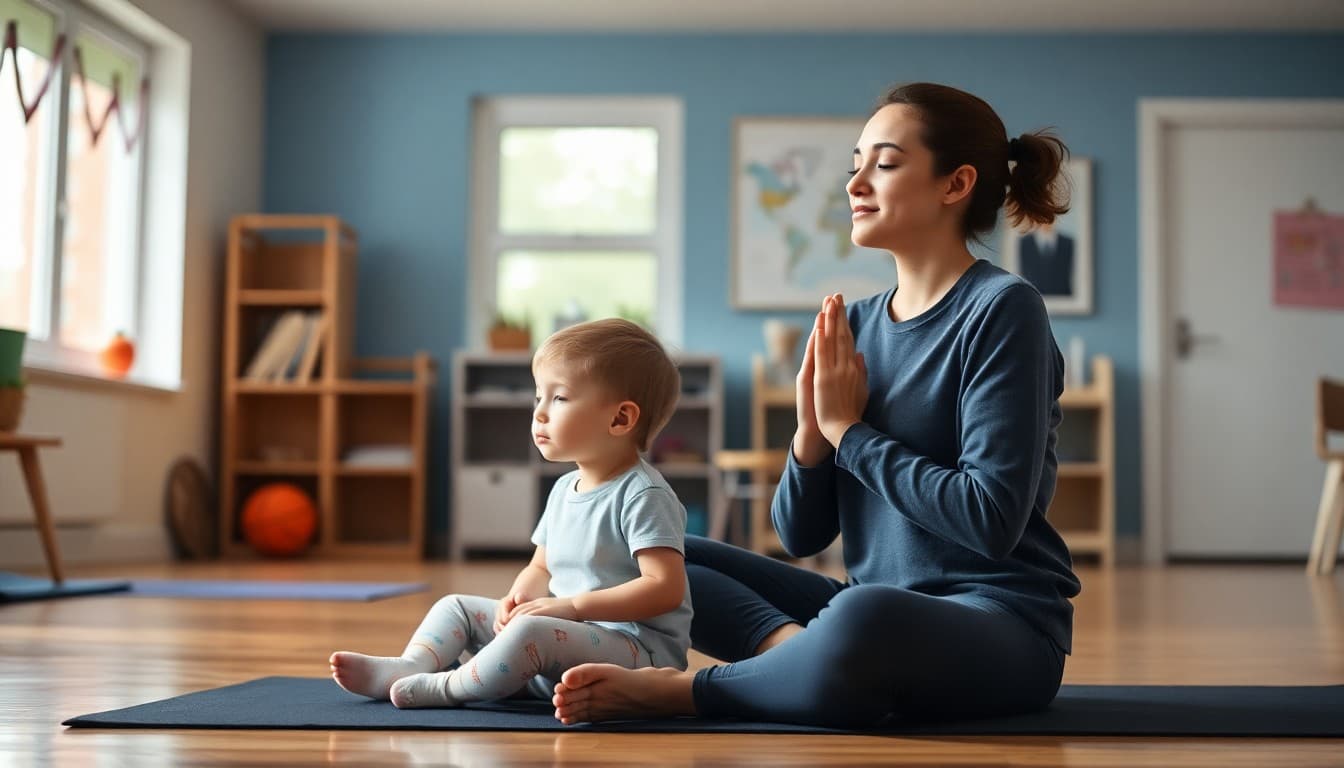
In your newsletter, share the specific strategies you use in the classroom so families can mirror them at home. If your class uses a calm-down corner with a few sensory items and a feelings chart, describe it and suggest a simple home version. If you practice belly breathing by pretending to smell flowers and blow out birthday candles, walk parents through the same script. These tools are more effective when they are consistent across settings, and most of them take less than a minute to teach.
A Sample Newsletter Excerpt to Copy
“This week we introduced our ‘calm down kit’ in the classroom: a small box with a stress ball, a glitter jar to watch when we feel overwhelmed, and a card with our breathing reminder. You can make a simple version at home with items your child already loves. The point isn't the specific objects. It's that the child knows where to go and what to do when feelings get big. Having a plan in a calm moment makes the plan available in a hard moment.”
Stress That Comes Into School From Home
Pre-K children are acutely sensitive to adult stress in their environment. Family changes like a new sibling, a move, a divorce, or a parent returning to work after being home can show up as behavior changes at school even when the child has no language to explain what is happening. Your newsletter can include a gentle note asking families to give you a brief heads up when significant changes occur at home. That information helps you interpret behavior accurately and offer appropriate support without waiting for a conference.
When to Seek Additional Support
Your newsletter is not a clinical resource, but it can point families toward one when needed. A brief paragraph noting that your school counselor, the child's pediatrician, or a local family resource center is available for parents who want to talk through concerns gives families a path forward without any stigma. Framing it as a resource families reach out to when they want guidance, rather than when something is wrong, helps it land as an invitation rather than a referral.
Parent Wellness Matters Too
Children co-regulate with the adults around them. A parent who is overwhelmed, exhausted, or anxious communicates that state to their child physically and emotionally, often without a single word. Your newsletter can acknowledge this reality with care and without judgment. A brief note that taking care of yourself is part of taking care of your child, and that asking for help is a strength, can be genuinely meaningful to a family going through a hard stretch.
Building Emotional Wellness Through Regular Connection
Daystage makes it easy to include a family wellness tip in your weekly class update without it feeling like a separate communication. Families who see a regulation strategy alongside a photo of their child at school connect the two more readily than families who receive a standalone mental health flyer. That integration, classroom news plus practical guidance, is what makes your newsletter genuinely useful rather than just informational.
Get one newsletter idea every week.
Free. For teachers. No spam.
Frequently asked questions
How do you talk about mental health in a Pre-K newsletter without alarming families?
Frame it around emotional wellness and everyday regulation rather than clinical language. Talk about helping children feel calm, safe, and understood rather than about mental health conditions. Share practical tools like breathing exercises, emotion cards, and calm-down routines as positive additions to any family's toolkit, not as responses to a problem. The goal is to normalize emotional learning as part of child development, the same way you normalize physical activity.
What signs of emotional struggle in a Pre-K child should concern parents?
Things worth paying attention to include persistent nightmares or sleep disruption, strong regression in skills like toilet training or language, increased aggression that does not respond to consistent coaching, withdrawal from play or social interaction for more than a week or two, and intense separation anxiety that does not ease after the first month of school. Your newsletter can mention these gently and note that a conversation with the teacher or pediatrician is always appropriate when something feels off.
What are simple emotional regulation tools for 3- and 4-year-olds?
Deep belly breathing, named something memorable like ‘smell the flowers, blow out the candles,’ a designated calm spot with sensory comfort items, a feelings chart with pictures so children can point to their emotion, and a brief movement break all work well at this age. The key is that these tools are practiced when the child is calm so they are available when the child is dysregulated.
How much of a Pre-K child's emotional regulation is the teacher's responsibility versus the family's?
Regulation is a shared effort, and your newsletter should frame it that way. What children practice in the classroom is more effective when it is mirrored at home. A child who hears ‘take a deep breath’ at school and at home builds the habit faster than a child who only hears it in one setting. Consistency between school and home language and strategies is one of the most powerful things families and teachers can create together.
What tool can Pre-K teachers use to send emotional wellness tips to families?
Daystage lets you include a brief emotional wellness section in your weekly class newsletter alongside classroom news and photos. Families who are already engaged with your regular update are more likely to read a wellness tip embedded there than a separate flyer they receive. You can share a regulation strategy you introduced in class that week and suggest a home version families can try the same night.

Adi Ackerman
Author
Adi Ackerman is a former classroom teacher and curriculum writer with 8 years in K-8 schools. She writes about school communication, parent engagement, and what actually works in real classrooms.
More for Pre-K
Ready to send your first newsletter?
3 newsletters free. No credit card. First one ready in under 5 minutes.
Get started free