

Pre-K Parent Newsletter: School Night Sleep Schedule Tips
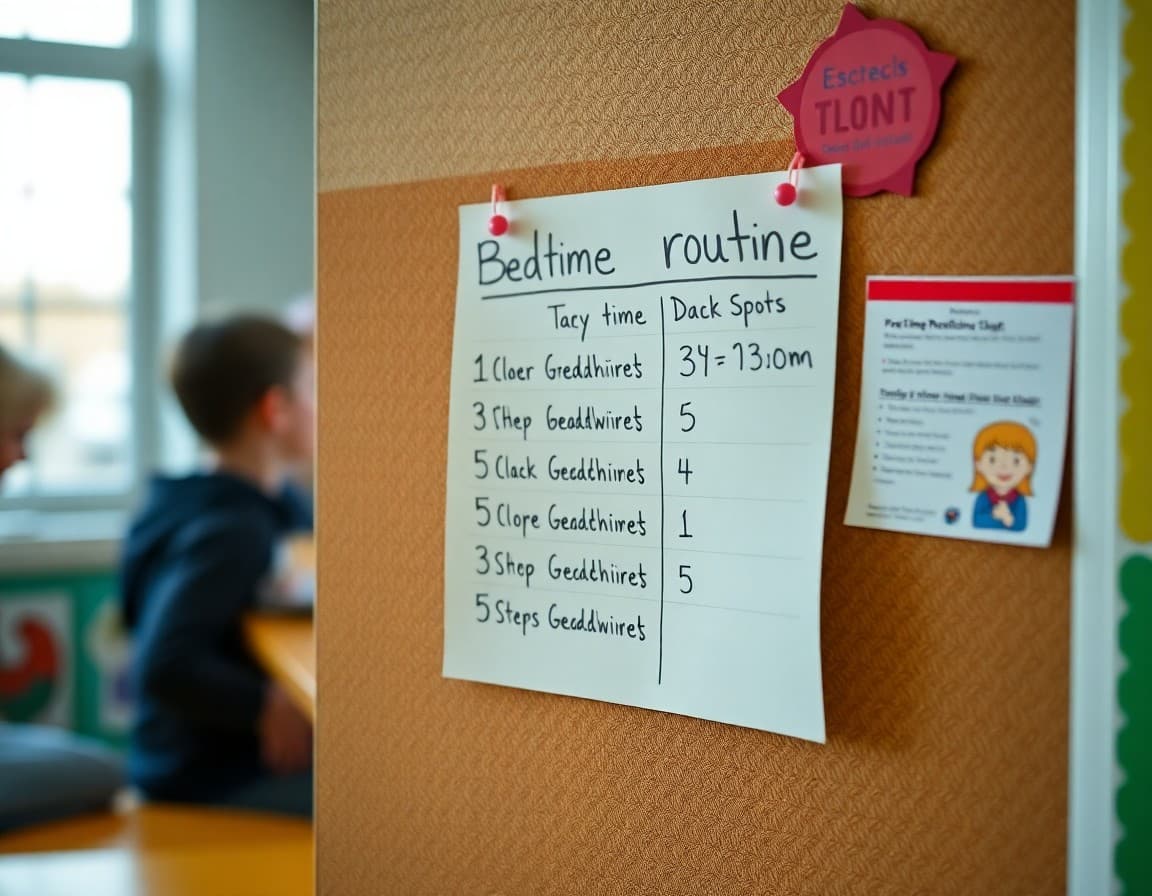
Sleep is one of the most powerful variables in a Pre-K child's school performance, yet it rarely comes up in teacher-family communication unless a child is visibly exhausted. Your newsletter gives you a chance to get ahead of this, share what research says about Pre-K sleep needs, and give families a few concrete tools without making anyone feel judged.
Why Sleep Matters for Pre-K Learning
During sleep, young children consolidate the day's learning, regulate their emotions, and physically grow. A child who arrives at Pre-K with less than 10 hours of sleep is working with a depleted attention system and a hair-trigger stress response. That shows up as more meltdowns, more difficulty transitions, less persistence with challenging tasks, and less language production. None of that is a behavior problem. It is a sleep problem. Your newsletter can make that connection clearly and compassionately.
What the Numbers Mean in Practice
Put the sleep math in your newsletter so parents can see it. A child who wakes at 7 AM and needs 11 hours of sleep should be asleep, not starting the bedtime routine, by 8 PM. That means the wind-down process should start by 7:15 or 7:30. Many families are surprised by how early this is, especially during summer when it is still light outside. Blackout curtains and a consistent start time matter more than the specific hour.
Building a Simple Bedtime Routine
Give families a step-by-step template they can adapt. Something like: dinner by 6:30, quiet play or bath by 7, pajamas and brush teeth by 7:20, two short books by 7:40, lights out by 7:50. The specific times matter less than the sequence. Children this age thrive on predictability. When the steps are the same every night, the child's brain starts preparing for sleep before they even get in bed.
A Sample Newsletter Excerpt to Copy
“One of the things that most affects how a child handles our busy Pre-K day is how much sleep they got the night before. Children ages 3 to 5 need 10 to 13 hours. If your child is up until 9 PM or later, they may be running on less than that. We're not here to add to your to-do list, just to share that even a 30-minute earlier bedtime makes a noticeable difference in attention and mood the next morning.”
Screens Before Bed
The connection between screens and sleep is worth a brief mention in your newsletter. Blue light from phones, tablets, and televisions signals the brain to stay awake, which delays the onset of sleep even when a child is tired. A screen-free wind-down period of 30 to 60 minutes before bed makes it easier for children to fall asleep and stay asleep. Offer alternatives for that window: a puzzle, drawing, or the bedtime book routine itself.
Naps and the Pre-K Transition
Many Pre-K programs include a rest period, and some children still nap. If your program has rest time, let families know what that looks like and how it affects the evening schedule. A child who naps until 3 PM may not be ready for bed until 9, which compresses the morning. Helping families understand the nap-to-wake relationship gives them more control over the full sleep picture rather than just the bedtime piece.
When Bedtime Becomes a Battle
For families dealing with significant resistance, your newsletter can offer a few normalizing points. Bedtime battles are extremely common at ages 3 and 4 because children at this stage have a strong need for autonomy and connection. Strategies that tend to work include a clear countdown, like “two more books and then lights out,” a small choice within the routine, like which pajamas to wear, and a calm, brief farewell phrase the parent says the same way every night. Consistency over days, not perfect execution every night, is what resolves most bedtime resistance.
Sending Sleep Tips With Daystage
Daystage lets you fold a sleep-tips section into your regular weekly class newsletter rather than sending a separate health communication that might get ignored. Families who are already opening your newsletter to see the week's photo and classroom update are primed to read a short, practical tip that sits right alongside it. That kind of integrated communication is what builds the habit of following through.
Get one newsletter idea every week.
Free. For teachers. No spam.
Frequently asked questions
How much sleep does a Pre-K child actually need?
Most children ages 3 to 5 need between 10 and 13 hours of sleep per 24-hour period, including any naps. A Pre-K child who needs to be at school at 8 AM and still naps should ideally be asleep by 7 or 7:30 PM. Children who get less than 10 hours consistently tend to be more emotionally dysregulated, less able to focus, and more prone to meltdowns. These patterns show up directly in the classroom, which is why sleep is a legitimate topic for your newsletter.
How do I bring up sleep schedules without parents feeling criticized?
Lead with observation rather than accusation. Say something like ‘We notice that our children are at their best when they've had consistent sleep, so we wanted to share some of what helps families build a reliable routine.’ Then give specific, practical suggestions. Never imply that a family is doing it wrong. Offer information and let parents decide what to apply.
What makes a good Pre-K bedtime routine?
Consistency, predictability, and calm. A routine that happens in the same order every night, at roughly the same time, signals to a child's brain that sleep is coming. Classic components include bath or wash-up, pajamas, a short book, and lights out. The total routine can take 20 to 30 minutes. What matters most is that it happens at roughly the same time and follows the same steps so the child knows what to expect.
What about children who resist bedtime or keep calling out after lights-out?
These are very common Pre-K behaviors and are worth addressing briefly in your newsletter. Suggest that families respond with brief, calm, and consistent check-ins rather than long conversations or letting the child come back to the living room. Many families find that offering one small amount of control, like letting the child choose which stuffed animal to bring to bed, reduces resistance significantly because it gives the child agency within the routine.
How do teachers communicate sleep tips in their class newsletter?
Daystage makes it easy to add a family wellness section to your weekly Pre-K update. You can include a short sleep tip alongside your classroom news and photos without it feeling like a separate handout. Families get the guidance in context and at a time when they are already engaged with your newsletter, which makes them more likely to read and act on it.

Adi Ackerman
Author
Adi Ackerman is a former classroom teacher and curriculum writer with 8 years in K-8 schools. She writes about school communication, parent engagement, and what actually works in real classrooms.
More for Pre-K
Ready to send your first newsletter?
3 newsletters free. No credit card. First one ready in under 5 minutes.
Get started free