

Pre-K Literacy Readiness Newsletter: Building Early Readers
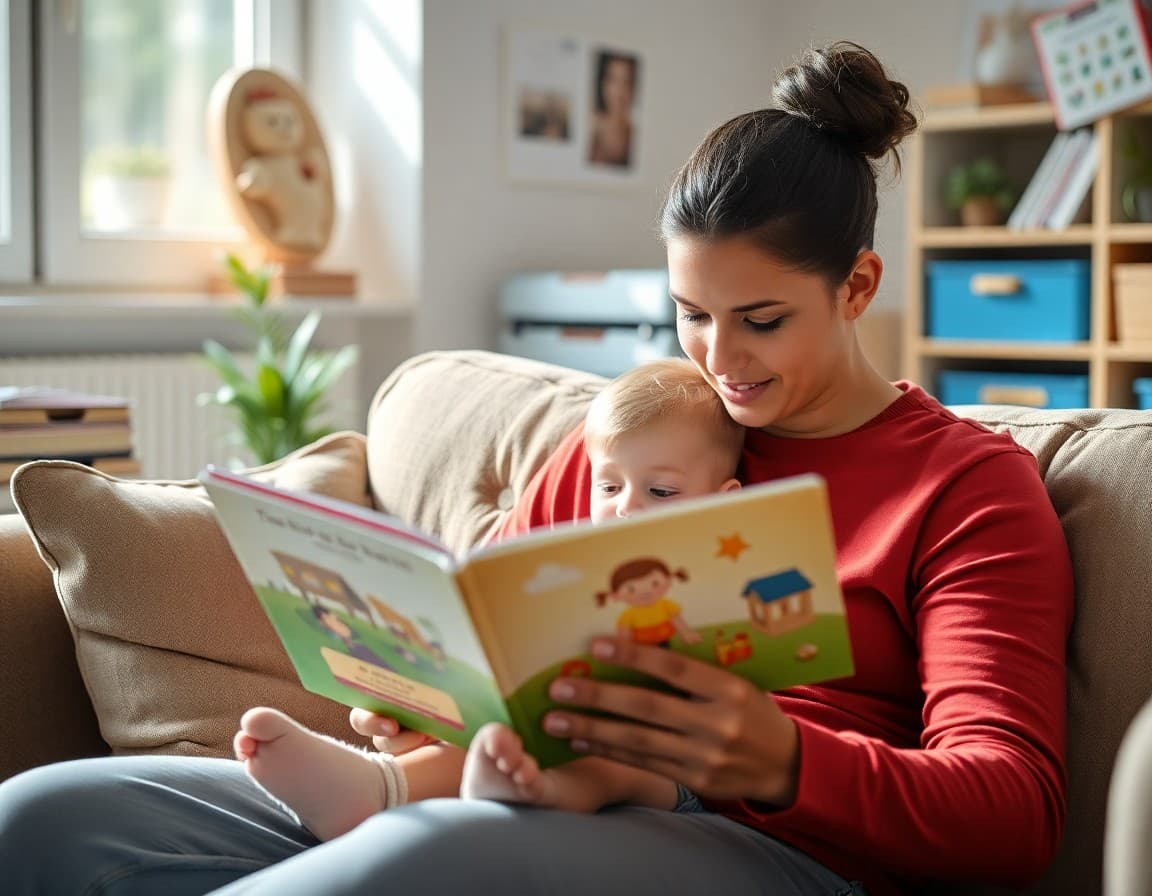
Pre-K literacy readiness does not mean teaching four-year-olds to read. It means building the sound awareness, vocabulary, print concepts, and story comprehension that make reading instruction efficient and joyful when it begins in kindergarten. A literacy readiness newsletter that explains this distinction clearly, names the specific skills that matter most at this age, and gives families concrete daily activities is one of the most practical and high-impact pieces of communication a pre-K teacher can send home.
What Pre-K Literacy Actually Involves
Many families arrive at pre-K believing that their child should learn the alphabet, learn to write their name, and possibly begin sounding out words. Some of that is developmentally appropriate for this age. But the foundational skill that research most consistently connects to later reading success is not letter knowledge: it is phonological awareness, the ability to hear and manipulate the sounds of spoken language. A child who can hear that "cat" and "hat" rhyme, who can clap the syllables in "ba-na-na," and who can identify that "fish" and "fun" start with the same sound is building the cognitive infrastructure for decoding written text. The newsletter should explain this priority so families understand why the teacher spends time on rhyming songs and word games rather than drilling letter names.
Phonological Awareness Activities for Daily Life
The best phonological awareness activities are embedded in daily routines and take almost no preparation. Rhyming: when you read a story or sing a song that rhymes, point out the rhyming pairs and ask the child to find more. "Cat and hat rhyme. Can you think of another word that rhymes with cat?" Syllable clapping: clap the syllables in family members' names at dinner. "Ma-ma has two claps. Grand-ma has two claps. Grand-fa-ther has three claps." Beginning sounds: "What sound does dog start with? What else starts with that sound?" These games work in the car, at the grocery store, during bath time, and anywhere language is happening. They do not require materials, flashcards, or structured sit-down time.
How to Read Aloud in Ways That Build Literacy
Reading aloud to a pre-K child every day is one of the single most powerful things a family can do to support literacy development. The research is robust: children who are read to regularly enter kindergarten with larger vocabularies, stronger comprehension, and more print awareness than peers who are not read to regularly. But how you read matters as well as how much. The newsletter should give families two or three specific interactive reading strategies. Point to the words as you read so the child sees that the text, not the pictures, carries the story. Ask prediction questions: "What do you think will happen when he opens the box?" Define interesting words when they appear: "Luminous means shining with a soft light. Look how luminous the moon looks on this page." Connect the story to the child's life: "Remember when you felt nervous like this character? What happened?"
Building Vocabulary Through Conversation
Children who enter kindergarten with large vocabularies learn to read faster because they recognize the meaning of words they are decoding. Vocabulary at this age develops primarily through conversation, not explicit instruction. The newsletter should encourage families to use specific, descriptive language with their child rather than simplified vocabulary. "That looks like a powerful storm coming" gives the child two more useful words than "it's going to rain." Narrating daily activities ("I'm peeling the apple. The skin is called the peel and it comes off in long strips"), asking about the child's experience in detail, and following the child's questions with real, complete answers are all vocabulary-building practices that require no special materials.
Template Excerpt: Literacy Activity Newsletter
Here is a sample activity section for a monthly literacy newsletter:
"This Week's Literacy Activities to Try at Home: Sound Sorting: Gather five small objects from around the house. Sort them by their beginning sound. Start with just two sounds at a time: 'Which ones start like fish?' Rhyme Time: After reading a bedtime story, pick three words from the book and challenge each other to think of a rhyming word. Book of the Month: 'Chicka Chicka Boom Boom' by Bill Martin Jr. Read it twice this week. The second time, pause before the rhyming words and see if your child can fill them in. Letter of the Week: 'M'. Look for the letter M on signs, food packaging, and books. Say 'M makes the mmm sound like in moon and monkey.'"
What to Look For as a Milestone in Pre-K Literacy
By the end of pre-K, most children who have been in a language-rich environment will show most of the following: they enjoy and request books, they can retell the main events of a familiar story in sequence, they know that print is read left to right and top to bottom, they can identify some letters by name, they can recognize rhymes, they can clap syllables in familiar words, and they can identify the beginning sound in some short, simple words. These are not rigid requirements; they are markers that teachers and families can use to gauge whether a child is building the foundational skills that will make kindergarten reading instruction more accessible.
Get one newsletter idea every week.
Free. For teachers. No spam.
Frequently asked questions
What literacy skills should a child develop in pre-K?
Pre-K literacy development focuses on six key areas: phonological awareness (the ability to hear and manipulate sounds in words), print awareness (understanding that text carries meaning, that we read left to right, and that spaces separate words), vocabulary development, letter knowledge, comprehension of stories heard aloud, and motivation to read. Pre-K children are not expected to read independently; they are building the foundation skills that make reading instruction possible in kindergarten.
What is phonological awareness and why does it matter?
Phonological awareness is the ability to hear and work with the sound structure of spoken language, independent of print. It includes rhyming, clapping syllables, identifying beginning sounds in words, and eventually isolating and blending individual phonemes. Research consistently shows that phonological awareness is one of the strongest predictors of future reading success. Children who enter kindergarten with strong phonological awareness learn to decode text significantly faster than peers who do not.
How much should families read with pre-K children each day?
Research supports a daily reading routine of 15 to 20 minutes for pre-K children. Reading every day is more important than any single long session. The quality of the read-aloud matters too: talking about the pictures, asking predictive questions ('what do you think will happen next?'), connecting the story to the child's life, and pointing out interesting words all produce more vocabulary and comprehension development than reading the text straight through without interaction.
What makes a pre-K classroom book collection developmentally appropriate?
A strong pre-K book collection includes picture books with rich, specific vocabulary, books that play with language (rhyme, alliteration, repetition), nonfiction books about topics the children are curious about, books that reflect the children's home cultures and experiences, and some books with limited text that children can 'read' using picture cues. The mix of genres and reading levels allows teachers to use books for different instructional purposes and allows children to engage at different stages of literacy development.
How does Daystage help pre-K teachers share literacy activities with families?
Pre-K teachers use Daystage to send monthly literacy newsletters with book recommendations, activity ideas linked to current classroom themes, and phonological awareness games families can play during daily routines. Sending these through Daystage means the newsletter is formatted, readable on a phone, and easy to save for reference during the week rather than being lost in a backpack.

Adi Ackerman
Author
Adi Ackerman is a former classroom teacher and curriculum writer with 8 years in K-8 schools. She writes about school communication, parent engagement, and what actually works in real classrooms.
More for Pre-K
Ready to send your first newsletter?
3 newsletters free. No credit card. First one ready in under 5 minutes.
Get started free