
Pre-K Outdoor Learning Newsletter: Nature and Discovery
A well-designed outdoor learning newsletter answers the question families are already asking: "What is my child actually doing out there?" It replaces the vague idea of recess with a concrete picture of intentional nature exploration, gross motor development, and science inquiry.
Why Outdoor Learning Is Not Just Recess
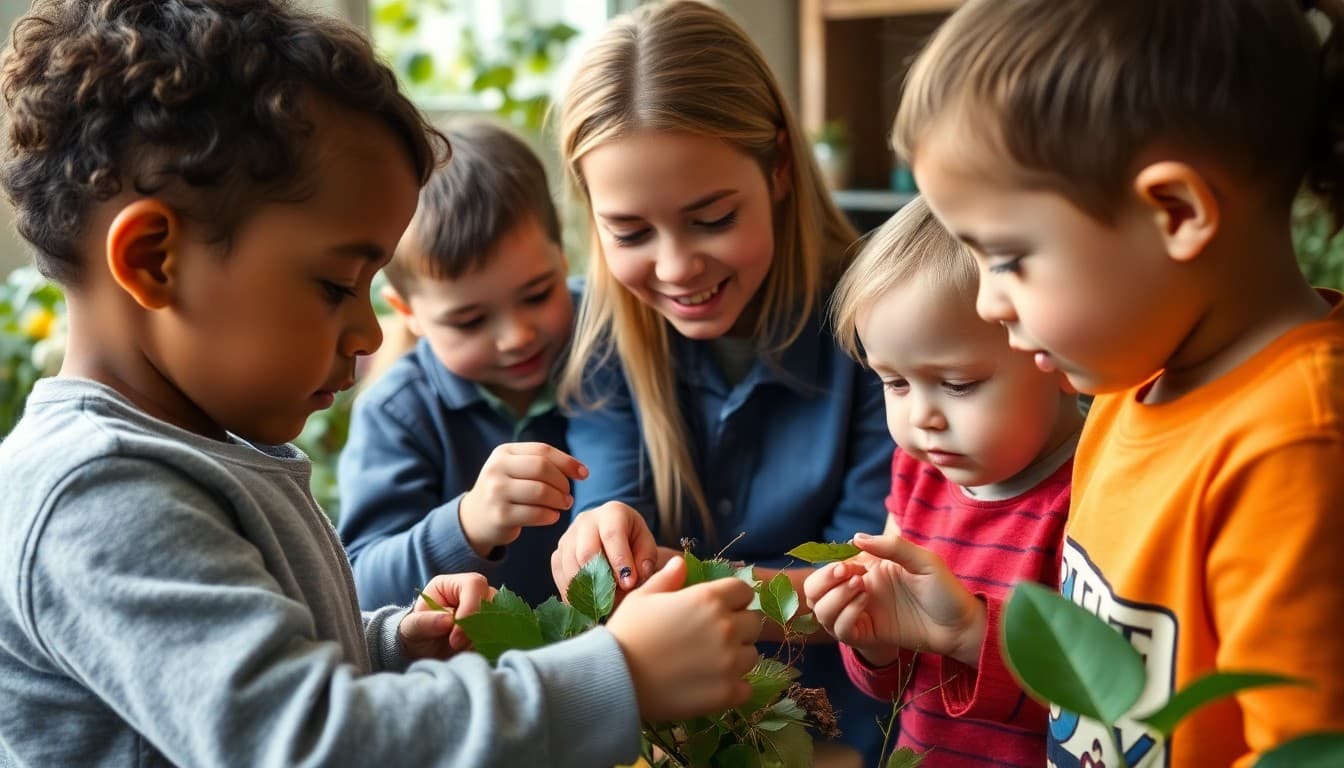
Outdoor time in a high-quality pre-K program is structured differently from free recess. Teachers bring materials outside: clipboards with observation sheets, magnifying glasses, collection bags, rulers for measuring puddles or snowfall. Children rotate through outdoor learning stations just as they do indoors. One group might be measuring the height of seedlings in the school garden while another group builds ramps with loose materials on the paving stones.
The distinction matters for families because it changes what they ask at pickup. Instead of "How was recess?" they can ask "What did you measure in the garden today?" That specific question often produces a detailed, excited answer from a child who shrugged at the vague version.
The Science Behind Outdoor Learning Benefits
Children ages 3-5 have nervous systems that require multisensory input for optimal development. Outdoor environments provide textures, sounds, smells, and visual complexity that indoor spaces cannot match. Exposure to natural settings has been shown to reduce cortisol levels in young children, which means children who spend regular time outside are physiologically calmer and more available for learning when they return indoors.
Gross motor development is equally significant. Climbing, running on uneven ground, balancing on a log, and carrying a bucket of water all build the core strength and coordination that pencil grip and handwriting require. Children with strong gross motor foundations in preschool tend to have better fine motor readiness for kindergarten.
What We Explore by Season
Fall outdoor learning focuses on change and cycles. Children collect and sort leaves by color, texture, and shape. They observe which trees lose leaves first and which keep theirs. They track how long a puddle takes to evaporate on different days. These are real scientific investigations using the observation and comparison skills that underpin all future science learning.
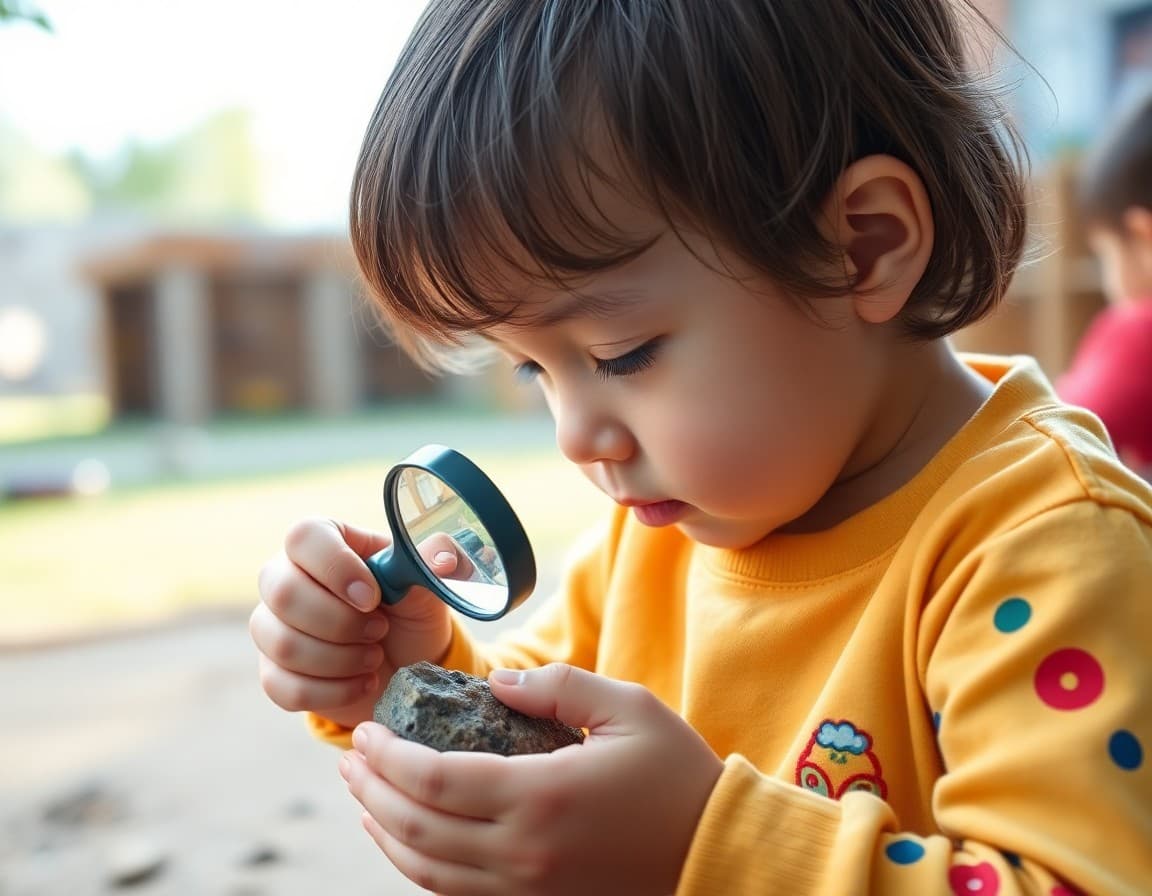
Winter outdoor learning shifts to physical phenomena: ice, snow crystals under a magnifying glass, animal tracks, and how insulating layers work. Spring brings planting, germination observation, and the return of insects. Each season provides a natural curriculum that requires no purchased materials and generates deep scientific curiosity in 3-5 year olds.
A Template Excerpt for Your Outdoor Learning Newsletter
This section gives families specific language they can use at home:
"This week in outdoor learning, we investigated which materials absorb water and which repel it. Children tested leaves, fabric scraps, plastic, and wood using droppers and observation sheets. At home, try this: let your child use a spoon to drip water on five different surfaces and guess what will happen before they test it. They are practicing the scientific method: predict, test, observe, conclude."
When families know the specific skill from the week, they can replicate a version of it at home with objects they already have. That connection between school and home dramatically extends the learning.
Dressing for Outdoor Learning
This is one of the most practical sections any pre-K newsletter can include. Families who send children in their best clothes create a problem for teachers who know that full engagement with outdoor materials means getting dirty. A direct, friendly section on clothing prevents that friction.
The short version: send children in layers they can remove easily, with shoes that can get wet, and an attitude that mud on pants is a sign of science happening. Keep a plastic bag in the backpack for wet items and a spare set of socks. Children who know their clothes are approved for outdoor exploration participate fully. Children who have been told not to get dirty hold themselves back in ways that undermine learning.
Outdoor Learning Extensions for Home
Families do not need a yard for outdoor learning extension. A city sidewalk has cracks with weeds growing through them, pigeons and sparrows to observe, and rain puddles that evaporate at different rates on sunny versus cloudy days. A park visit with a magnifying glass and a collection bag turns a Saturday morning into a science expedition. The goal is not to be in nature but to notice it, and noticing can happen anywhere.
Encourage children to keep a "nature journal" by drawing what they find on walks. A 4-year-old's drawing of an interesting rock is doing the same cognitive work as a scientist's field notes. The habit of observation and documentation, started early, becomes a lifelong tool.
What to Expect in Our Monthly Outdoor Learning Updates
Each month we share one seasonal focus, three observation activities families can try at home, and a vocabulary word from our outdoor investigations. This month's word is "erosion," which came up when children noticed that rain had moved the pebbles on one side of the playground. Explaining erosion to a 4-year-old and having them demonstrate it with sand and water at home produces the kind of conceptual understanding no worksheet can build.
Get one newsletter idea every week.
Free. For teachers. No spam.
Frequently asked questions
What do children actually learn from outdoor time at school?
Outdoor time in pre-K is structured to build science observation, gross motor development, risk assessment, and sensory processing. Children who regularly play and learn outdoors show better attention spans indoors, stronger physical coordination, and more sophisticated vocabulary around natural phenomena. Even 20 minutes on the playground involves balance, spatial judgment, peer negotiation, and physical endurance that indoor environments simply cannot replicate.
How should families dress children for outdoor learning?
Layer up and send clothes that can get dirty. Pre-K outdoor learning involves contact with soil, water, plants, and sometimes mud. Children who are dressed in clothes parents worry about tend to hold back from full engagement. A simple rule: if you would hesitate to let them kneel in it, it is not the right outfit for school. Rain boots, an extra set of socks, and a zip-up layer that comes off easily are the outdoor learning essentials.
What if a child is afraid of bugs or getting dirty?
This is common and responds well to graduated exposure. Rather than pushing a reluctant child to touch a worm, invite them to observe it from two feet away. Over several weeks, most children move naturally from observer to participant as they see peers engaging without harm. Teachers track these progressions. If your child mentions being scared of something outside, let us know so we can plan appropriate support. Forcing contact with feared objects sets back the process significantly.
How can families support outdoor learning at home?
A regular outdoor routine, even in a small yard or urban space, reinforces what children experience at school. Collect leaves, look at clouds, identify birds, and let children dig in soil if possible. Resist narrating everything. Give children 10 minutes of unstructured outdoor time and observe what they investigate on their own. What they choose to explore tells you a great deal about their current interests and can spark rich conversations.
Does the school go outside in cold or rainy weather?
Yes, with appropriate gear. Research consistently shows that outdoor learning is beneficial year-round, and children adapt well to weather when properly dressed. We follow school weather policies for temperature and lightning, but light rain, overcast skies, and temperatures above 20 degrees Fahrenheit with layers are all outdoor-learning conditions. Families get advance notice through our Daystage newsletter when weather might affect outdoor plans or when we need families to send specific items like boots or sunscreen.

Adi Ackerman
Author
Adi Ackerman is a former classroom teacher and curriculum writer with 8 years in K-8 schools. She writes about school communication, parent engagement, and what actually works in real classrooms.
More for Pre-K
Ready to send your first newsletter?
3 newsletters free. No credit card. First one ready in under 5 minutes.
Get started free