
How to Write a Five Senses Unit Newsletter to PreK Parents
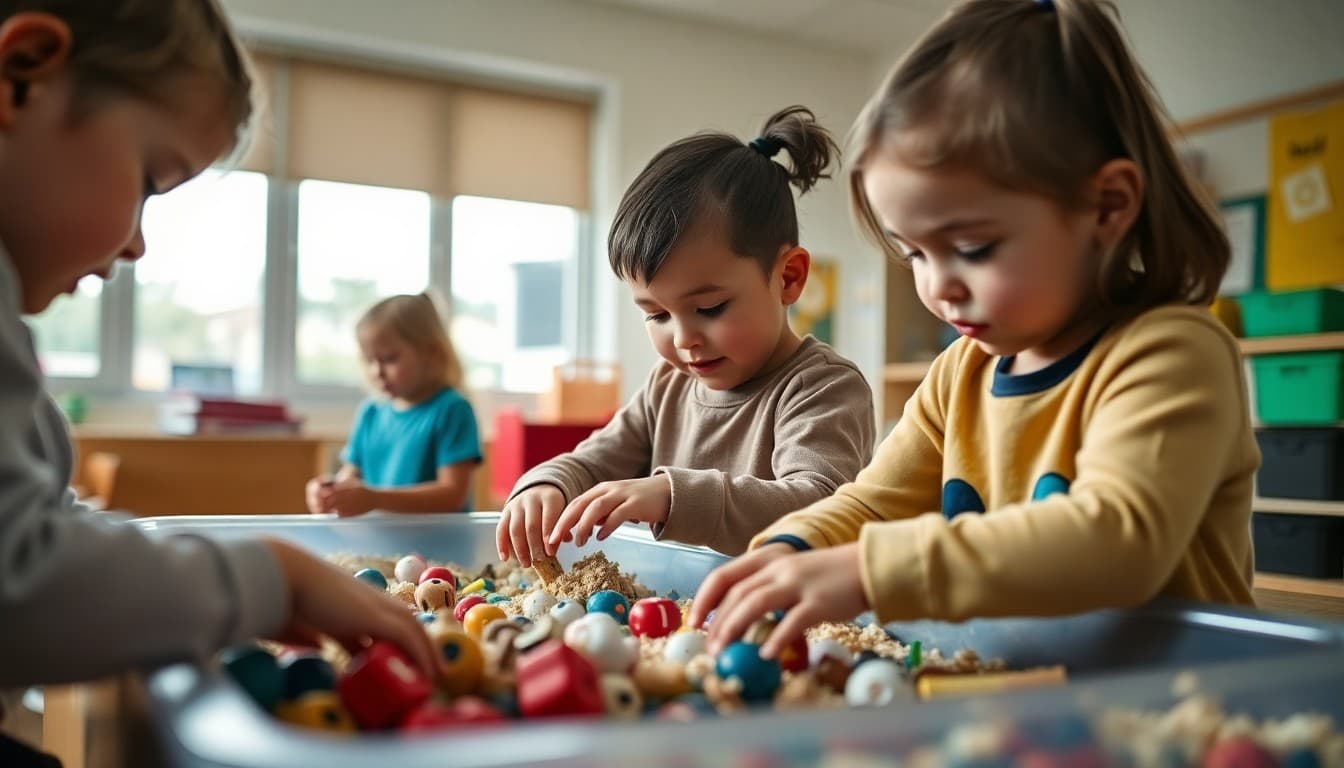
The five senses unit is one of the most accessible Pre-K topics for families: every child already uses their senses constantly. Your newsletter is a chance to reframe that automatic activity as deliberate scientific observation, and to give families vocabulary and activities that turn everyday moments into learning experiences at home.
What Sensory Exploration Builds in Young Children
Start your five senses unit newsletter by explaining what you are actually building beyond sense names. Sensory exploration builds observational skills: the habit of paying deliberate, focused attention to what the environment is telling you. It builds descriptive language: words for textures (rough, smooth, bumpy, silky), tastes (sour, bitter, sweet, salty), smells (sharp, earthy, sweet, musty), and sounds (high, low, loud, soft, rhythmic). It builds scientific methodology: using the senses to gather information before drawing a conclusion. These habits of mind carry into every science and writing activity children encounter throughout school.
The Connection Between Senses and Language
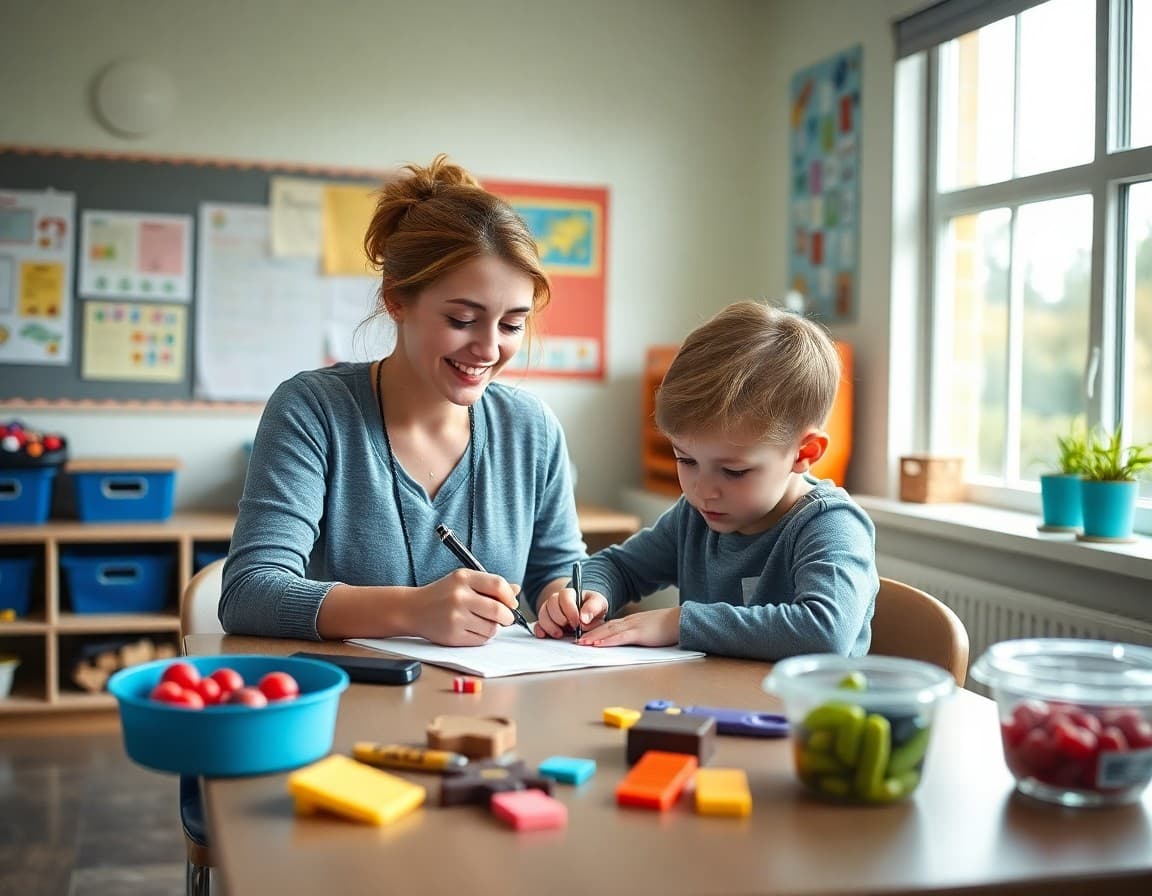
One of the most important things your five senses unit builds is sensory vocabulary. Children who have words for what they observe describe their world more precisely, write more vividly, and communicate more clearly. A child who can say “this feels rough like sandpaper” instead of “it feels weird” is demonstrating exactly the kind of precise descriptive language that strong writers use. Your newsletter can explain this connection so families understand why you are spending time having children describe textures and smells rather than reading or writing in a traditional sense.
Sensory Play as Scientific Methodology
Scientists use their senses to gather information before drawing conclusions. So do Pre-K children in a five senses unit. When a child looks at an object, touches it, smells it, and shakes it to hear if it makes a sound before deciding what it might be, they are following the exact same process that scientists follow in observation-based inquiry. Your newsletter can make this explicit: what looks like a child playing with rocks or mystery boxes is actually a child practicing the scientific process of multi-sensory observation and inference.
A Sample Newsletter Excerpt to Copy
“This week we explored touch. We passed mystery bags around the circle and each child described what was inside using only their hands, no peeking. The vocabulary was remarkable: bumpy, soft, poky, slippery, round. We also noticed that some things are hard to describe when you can only feel them. That frustration is actually important. It pushes children toward more precise words. At home this week: put five objects in a bag and play the mystery game together. Ask your child to describe what they feel before they guess what it is. The describing is the point.”
Addressing Sensory Sensitivities
Your five senses unit newsletter should acknowledge that not all children find sensory exploration comfortable. Some children have heightened sensory sensitivities that make certain textures overwhelming, certain smells nauseating, or certain sounds painfully loud. This is common and does not indicate a problem. In the classroom you already accommodate this by allowing children to observe, use tools like spoons rather than hands, or approach at their own pace. Your newsletter can normalize this for families and discourage them from pushing their child to participate in sensory activities they find distressing. Learning happens at the edge of comfort, not past it.
Cross-Modal Comparison and Critical Thinking
One of the more sophisticated skills your five senses unit builds is cross-modal comparison: noticing how an object's sensory properties differ across senses. A lemon looks yellow and smooth but smells sharp and tastes sour. A piece of velvet looks flat but feels like nothing else. These comparisons require children to hold multiple pieces of sensory information in mind simultaneously and compare them, which is an executive function skill. Your newsletter can describe a specific cross-modal comparison activity from the week and explain what the children were building by doing it.
Connecting the Senses to the Natural World
Close your five senses unit newsletter by connecting sensory exploration to outdoor observation. A walk outside is one of the richest five senses experiences available to young children: the smell of rain on pavement, the sound of wind in leaves, the texture of bark, the taste of a wild berry (tasted carefully with permission). Families who take a deliberate sensory walk with their child during this unit, even a five-minute walk around the block, extend the learning into a context that no classroom can replicate. A simple prompt: “Use all five senses on our walk today and tell me one thing for each.”
Sending Your Five Senses Unit Newsletter With Daystage
Daystage makes it easy to send a five senses update with a photo of children engaged in sensory exploration, a brief explanation of what they are building, and one take-home activity families can try that evening. When families see their child fully absorbed in a mystery texture bag or a smell test and then receive your explanation of what that engagement is producing developmentally, they stop seeing sensory play as mess and start seeing it as science. That shift is worth every newsletter you send.
Get one newsletter idea every week.
Free. For teachers. No spam.
Frequently asked questions
What does a Pre-K five senses unit actually build beyond sense identification?
A five senses unit builds observational skills (paying deliberate attention to sensory input), descriptive language (words for texture, taste, smell, sound, and appearance), scientific methodology (using senses to gather information before drawing conclusions), and cross-modal comparison (describing how an object looks vs how it feels vs how it smells). These are foundational science skills that children carry into every observation-based learning experience throughout school.
How do I explain sensory play as learning to Pre-K parents?
Sensory exploration builds the brain's ability to process, categorize, and describe information from the environment. Children who have rich sensory vocabulary, who can say that something is rough rather than just 'weird,' that a smell is sharp rather than just 'bad,' develop stronger descriptive writing skills, more precise scientific observation habits, and better spatial awareness. The mess of sensory play is doing real work.
What at-home activities support a five senses unit for Pre-K families?
Blindfold taste or smell tests build the specific senses beyond sight. Texture walks outside (bark, leaves, concrete, grass) build tactile vocabulary. Sound scavenger hunts in the house build auditory attention. Cooking together builds all five senses simultaneously. A mystery bag with five objects inside that children identify by touch alone is highly engaging. All of these use no special materials and take ten minutes or less.
How do I address sensory sensitivities in my five senses newsletter?
Acknowledge directly that not all children find sensory exploration comfortable. Some children have heightened sensory sensitivities that make certain textures, smells, or sounds overwhelming rather than interesting. Framing this in the newsletter normalizes it for families whose children may resist sensory activities, and reminds them not to push. A child who observes from the side of the sensory bin is still learning. Participation at their own pace is always the goal.
How does Daystage help teachers send five senses unit newsletters to families?
Daystage makes it easy to include a classroom photo of children engaged in sensory exploration alongside a brief explanation of the science and language skills being built, plus one take-home activity. Families receive it directly on their phones and can try the activity that same evening with materials already in their kitchen.

Adi Ackerman
Author
Adi Ackerman is a former classroom teacher and curriculum writer with 8 years in K-8 schools. She writes about school communication, parent engagement, and what actually works in real classrooms.
More for Pre-K
Ready to send your first newsletter?
3 newsletters free. No credit card. First one ready in under 5 minutes.
Get started free