Rural & Title I — Page 2
Newsletter strategies for small, rural, and high-need schools serving underserved communities

Title I Family Engagement Newsletter: Building Bridges to School
How Title I schools can write family engagement newsletters that remove barriers, build trust with low-income families, and fulfill ESSA family engagement plan requirements through genuine outreach.

Title I Family Engagement Plan Newsletter: How Schools Communicate Their Family Partnership Strategy
Title I schools are required to develop and communicate family engagement plans. This guide covers how principals turn the compliance requirement into genuine communication that builds family partnerships.

How Title I Schools Can Use the Newsletter to Support Family Literacy
How Title I school principals and family engagement coordinators can use the school newsletter to extend literacy learning into the home, support families with limited formal education, and build the reading habits that support student achievement.
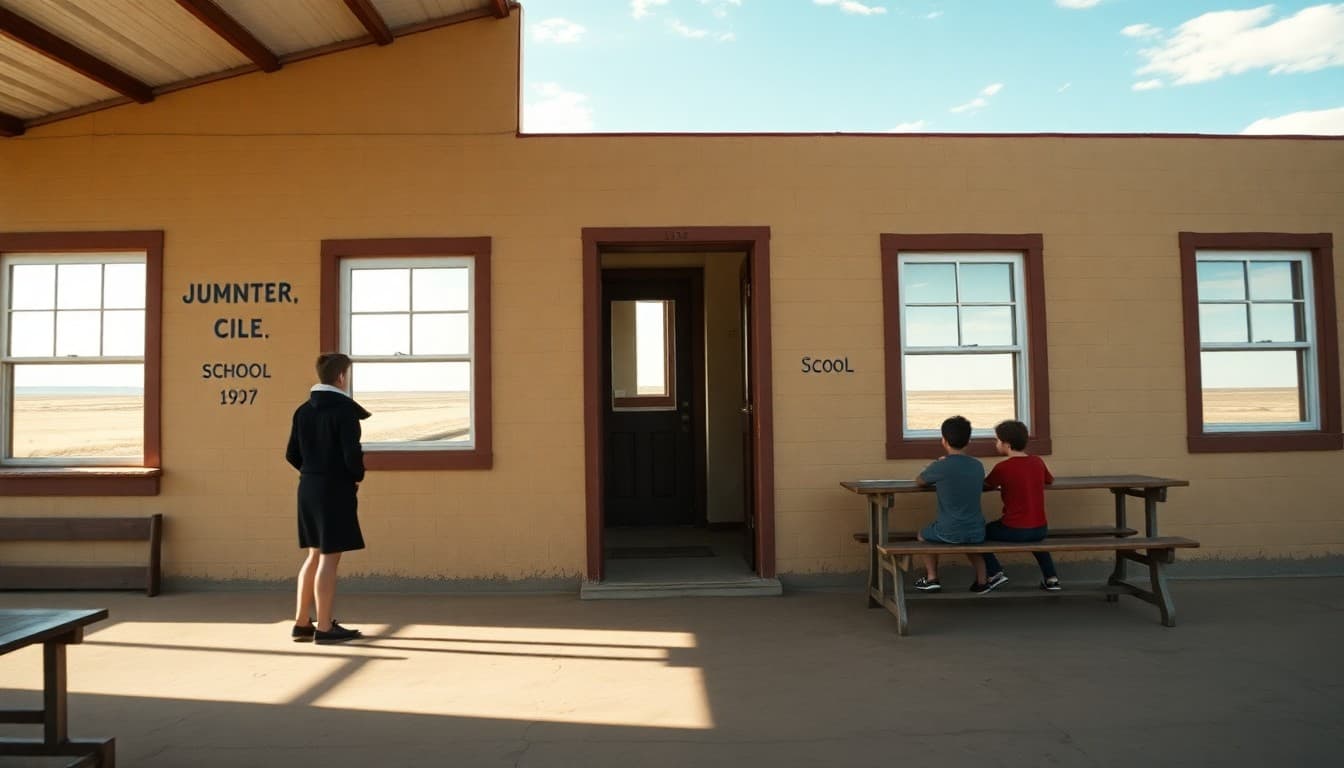
South Dakota Rural School Newsletter Guide for Reservation and Ranch Communities
South Dakota rural schools serve Pine Ridge, Rosebud, and other tribal communities alongside isolated ranch families. This guide covers newsletter strategies for SD's high-poverty rural and reservation schools.

Rural School Communication Strategies for South Dakota Educators
South Dakota rural schools on Lakota Sioux reservations, in Black Hills communities, and across the great plains face some of the most challenging communication environments in the country.

Title I School Family Communication in South Dakota
South Dakota Title I schools serve Lakota Sioux reservation communities and rural ranching families. Learn ESSA requirements, Pine Ridge school challenges, and practical engagement strategies.

Seasonal Worker Family School Newsletter: Moving With the Seasons
How rural schools can communicate with seasonal worker families who enroll mid-year, explain transition supports, and help mobile students maintain academic continuity across schools.
Small School Newsletter Guide: Communication Strategies When Everyone Knows Everyone
Small schools have a communication advantage that large schools envy: personal relationships. Here is how to build a newsletter strategy that leverages that closeness without losing professionalism.

Free and Reduced Lunch Newsletter: Communicating Meal Programs Without Stigma
How schools can communicate free and reduced lunch eligibility, application deadlines, and meal program updates in ways that inform families without creating shame for students.
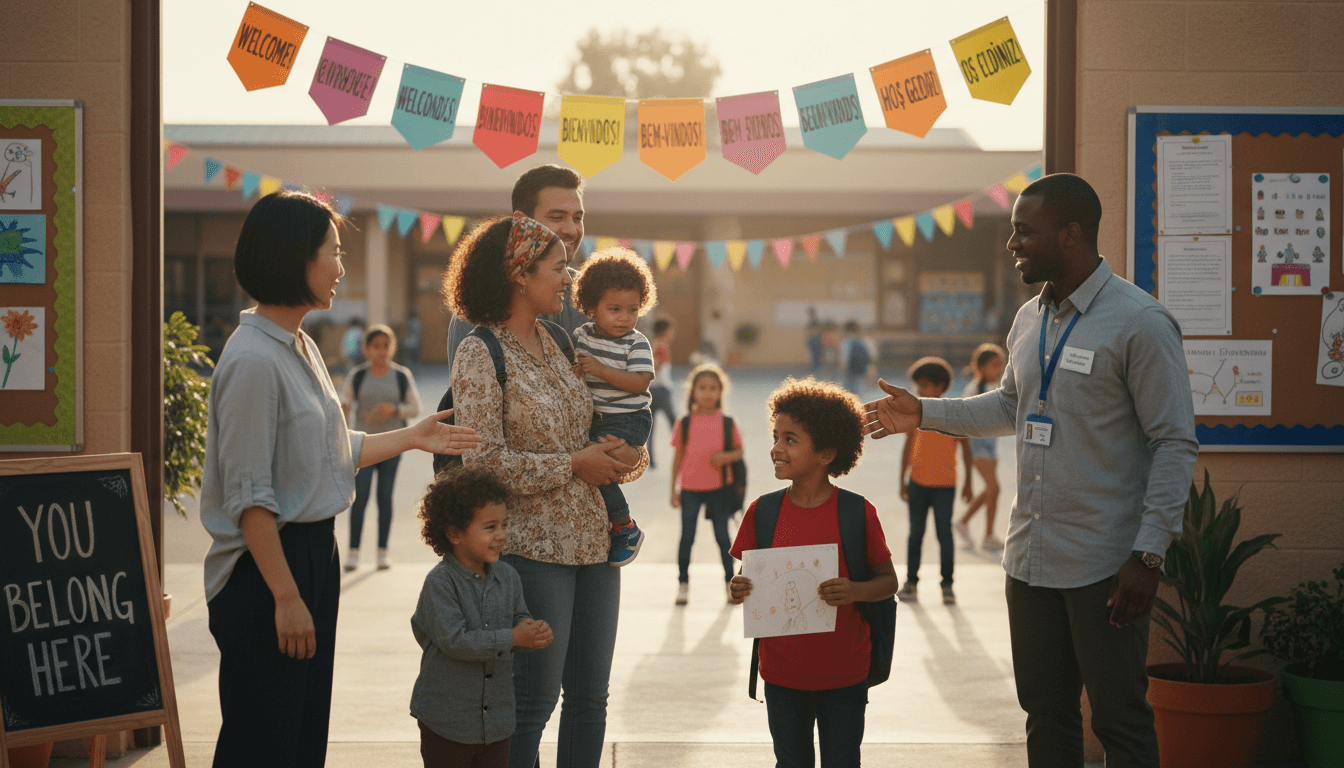
School Newsletter for Migrant Families: Inclusive Communication for Transient Communities
Schools serving migrant agricultural families face enrollment gaps, language barriers, and short enrollment windows. Here is how to build a newsletter that reaches families even briefly in your community.

School Newsletter: Mobile Food Pantry at Our School
How to write a school newsletter announcing a mobile food pantry. Templates for communicating pickup details with warmth, privacy, and no shame attached.

School Newsletter: Free Tax Help Available at Our School
How to write a school newsletter announcing free VITA tax preparation services. Templates for communicating eligibility, dates, and what families need to bring.

School Supply Drive Newsletter: Helping Families in Need This Year
How schools can write a school supply drive newsletter that specifies what is needed, explains how families can donate or request supplies, and runs the drive with dignity and efficiency.

School Uniform Assistance Newsletter: Help Is Available for Families
How schools can communicate uniform assistance programs, clothing exchanges, and back-to-school clothing resources to low-income families in a way that reduces stigma and increases uptake.

Rural Transportation Newsletter: Getting Bus Route Updates to Families Fast
Rural school bus routes cover dozens of miles. When routes change or buses run late, families need fast, clear communication. Here is how to build that system.
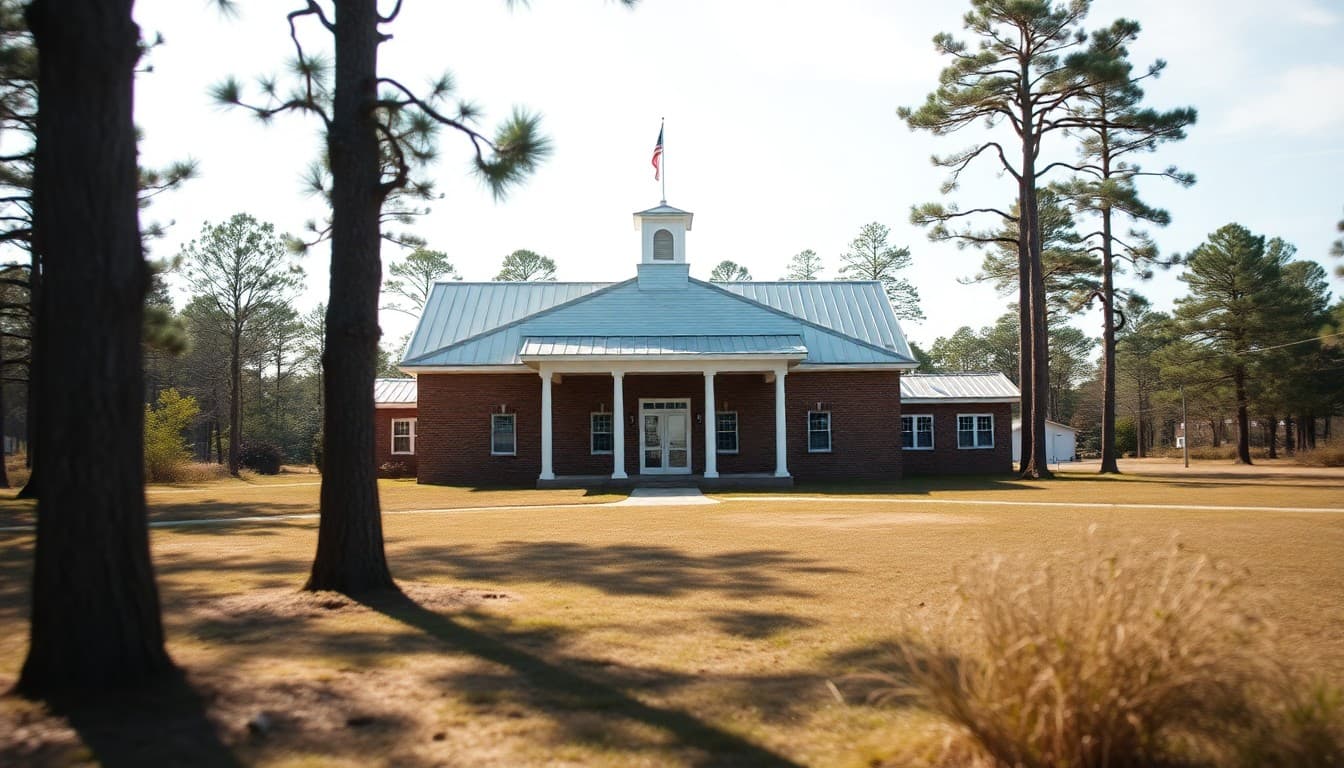
South Carolina Rural School Newsletter Guide for Lowcountry and Pee Dee Communities
South Carolina rural schools in the Lowcountry and Pee Dee region serve families in some of the Southeast's highest-poverty communities. This guide covers newsletter strategies that reach SC rural families.
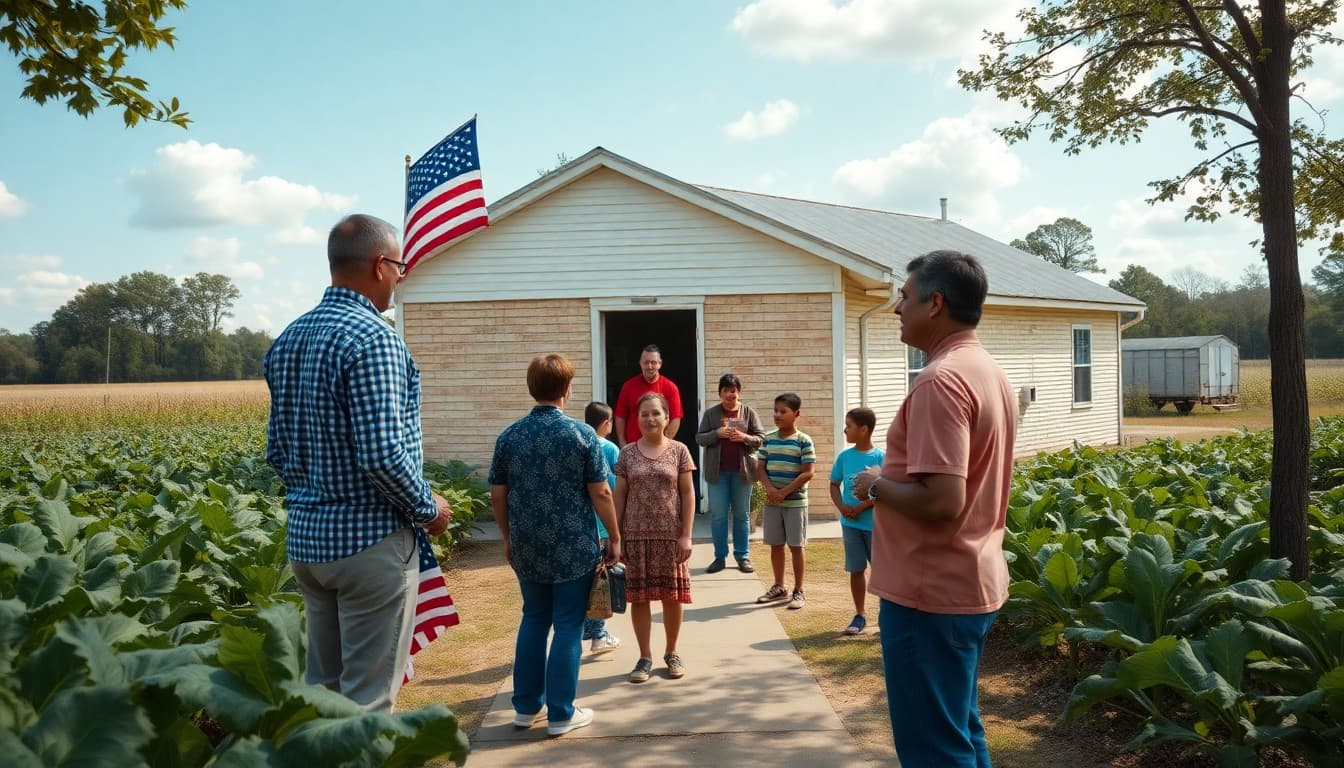
Rural School Communication Strategies for South Carolina Educators
South Carolina rural schools in the Pee Dee region, the Lowcountry, and the Upstate serve families with deep community roots and distinct communication barriers. These strategies address each region.

Title I School Family Communication in South Carolina
South Carolina Title I schools serve rural Lowcountry communities, the Pee Dee region, and growing Hispanic populations. Learn ESSA requirements and practical communication strategies.

Scholastic Book Club Newsletter: Affordable Books for Every Student
How rural Title I schools use Scholastic Book Club newsletters to put affordable books in students' hands and build reading habits at home.
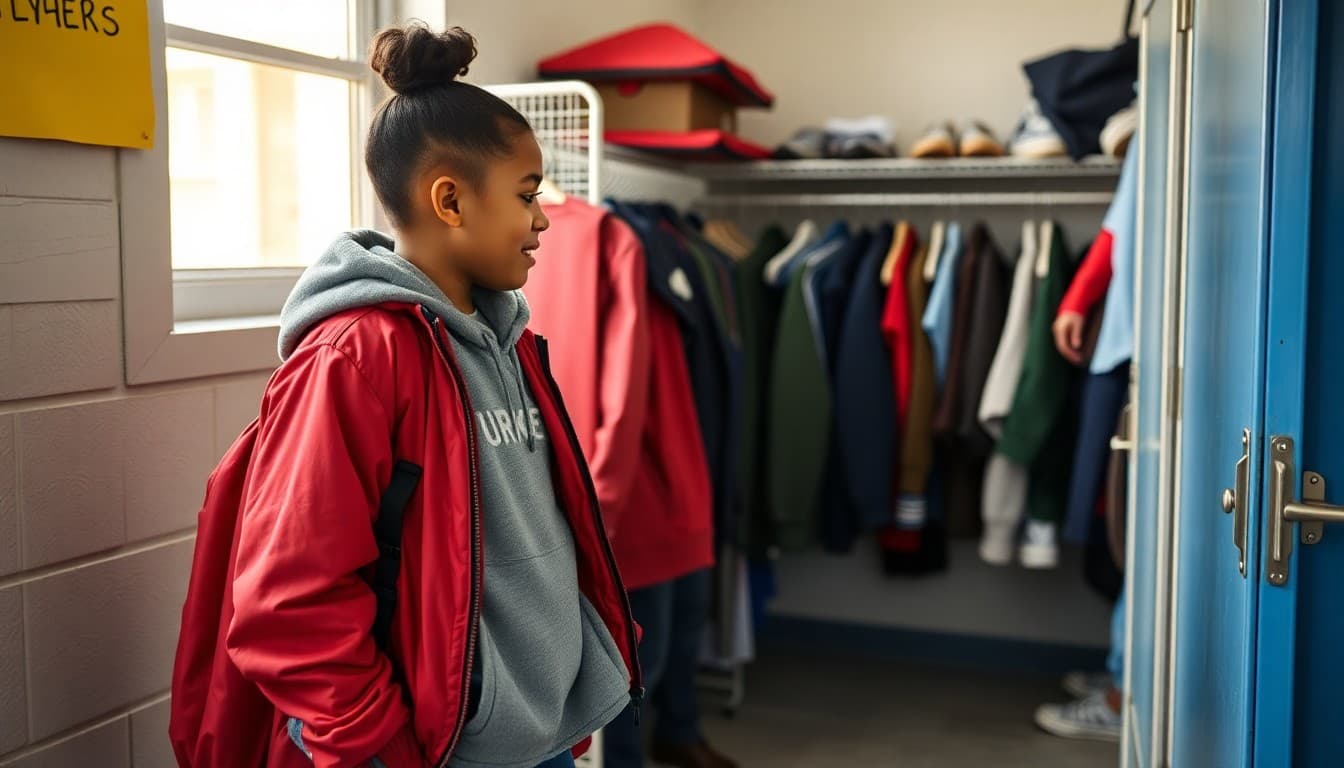
School Clothing Closet Newsletter: Free Clothes for Students in Need
How rural Title I schools announce and manage clothing closets through newsletters that reach families with dignity and clear instructions.

How Rural School Principals Can Communicate About Teacher Shortages in the Newsletter
How Rural School Principals Can Communicate About Teacher Shortages in the Newsletter: Acknowledge the Situation Before Families Ask.
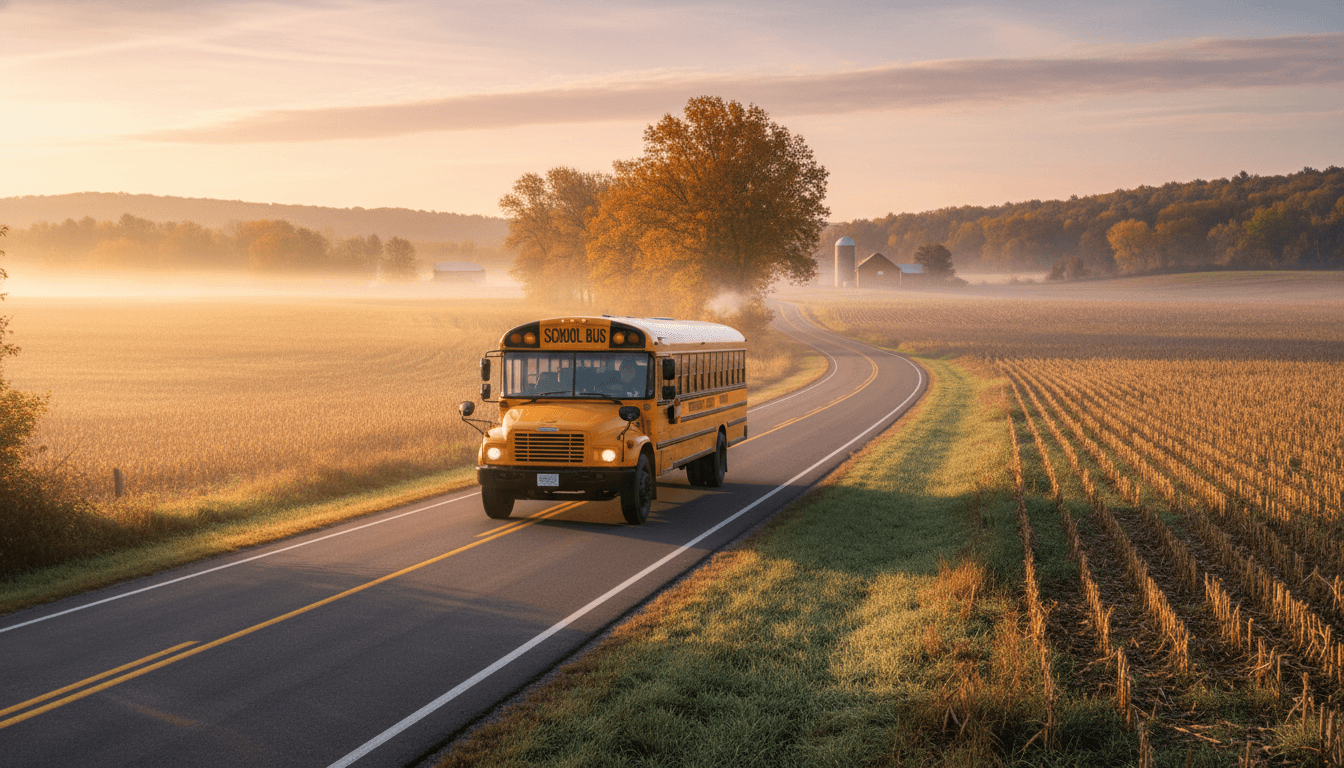
Rural School Transportation Newsletter: Communicating Bus Routes and Schedules to Families
Bus routes, delayed starts, and route changes are high-stakes communication for rural families. Learn how to build transportation updates into your newsletter so families are never caught off guard.

How Rural Schools Can Use the Newsletter to Recruit and Retain Volunteers
How rural school principals and family engagement coordinators can use the school newsletter to build a consistent volunteer pool that accounts for the work schedules, transportation challenges, and community strengths of rural families.

Rural School Weather Closure Newsletter: How Schools Communicate Closures and Emergency Decisions
Weather closures in rural areas require faster, clearer communication than urban schools face. This guide covers how principals build weather communication systems that reach every family before the school day begins.

Rural Teacher Shortage Newsletter: How We Are Addressing the Gap
How rural school administrators can honestly communicate teacher shortage challenges, describe recruitment and retention strategies, and maintain family trust while positions remain unfilled.

Parent Engagement Newsletter for Rural School Families
Write a parent engagement newsletter for rural school families that builds real connections, reaches isolated households, and drives meaningful involvement.

How the Rural School Principal's Voice in the Newsletter Builds Community Trust
How rural school principals can use the newsletter's principal message to build authentic relationships with families, communicate the school's values in their own words, and serve as the visible, accountable leader that rural school communities depend on.

Rural School Senior Class Newsletter: How Small Schools Support Graduating Students Through Transitions
Senior year in a rural school involves transitions that need strong communication. This guide covers how principals and counselors communicate college and career planning, graduation logistics, and next-step support to seniors and their families.

How Rural Schools Can Use the Newsletter to Support Families of Students with Disabilities
How rural school principals and special education directors can use the school newsletter to communicate about special education services, IEP processes, disability rights, and the community resources that rural families of students with disabilities often struggle to find.

Rural School STEM Program Newsletter: How Schools Communicate Science and Technology Opportunities
STEM programs in rural schools open career pathways that rural students often do not know exist. This guide covers how teachers and principals communicate science, technology, and math programs to families who may have limited STEM exposure.

Rural School Substitute Teacher Newsletter: How Schools Communicate Staffing Challenges to Families
Rural and Title I schools face chronic substitute teacher shortages. This guide covers how principals communicate transparently about staffing challenges and what schools are doing to maintain instructional continuity.

How Rural Schools Can Use the Newsletter to Welcome and Integrate New Families
A family new to a rural community may live five miles from families who have been part of the school community for three generations and still feel.

Rural School Newcomer Family Newsletter: How Schools Welcome Newly Arrived Immigrant Families
Newly arrived immigrant families in rural communities face compounded challenges in navigating the American school system. This guide covers how rural schools build welcoming communication specifically designed for newcomer families.
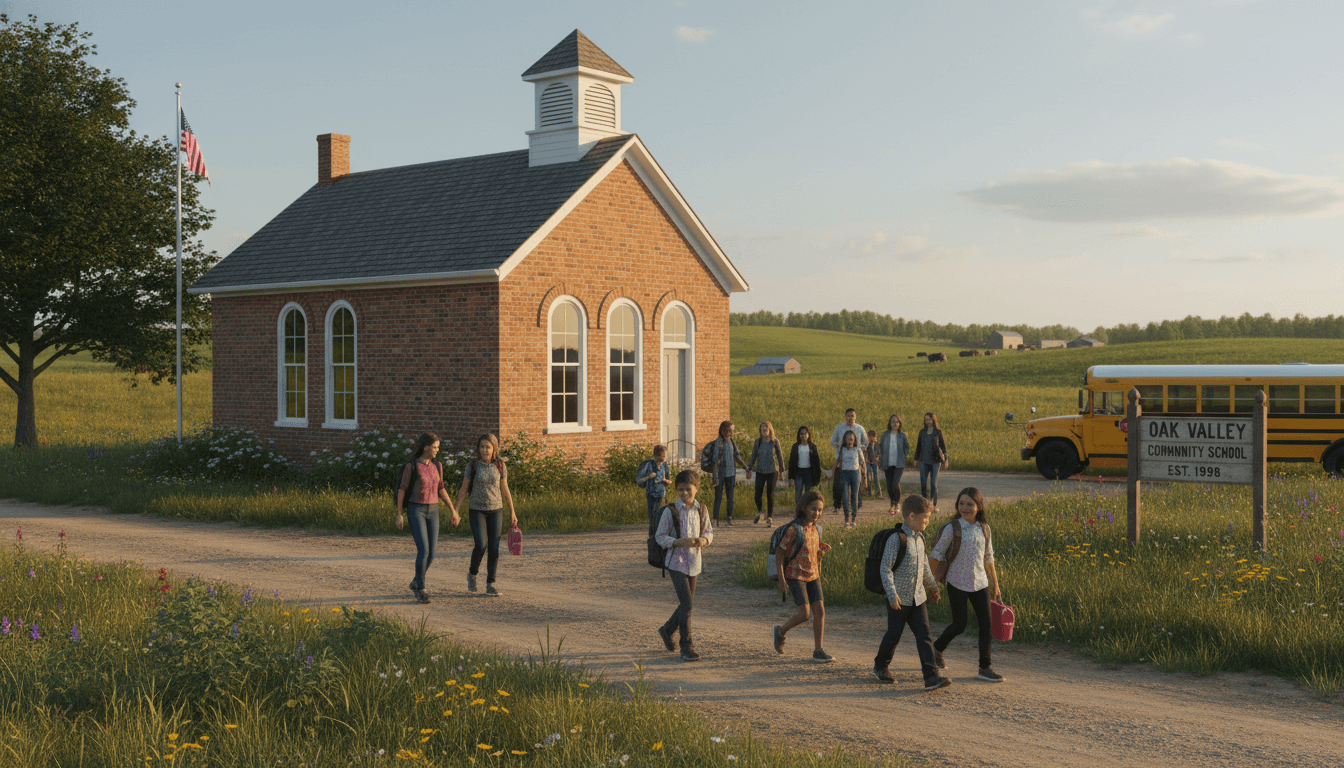
Rural School Newsletter Guide: Communication Strategies for Small and Remote Schools
Rural schools face real communication barriers: spotty internet, no app stores, multi-grade classrooms. This guide shows what actually works when standard advice does not.

Open House Newsletter for Rural School Families
Write an open house newsletter for rural school families that overcomes distance barriers, sets clear expectations, and builds lasting community connection.

How Rural and Title I Schools Can Use the Newsletter to Build a Strong Parent Advisory Council
How rural school principals and Title I coordinators can use the school newsletter to recruit, inform, and sustain a parent advisory council that meets federal engagement requirements and genuinely influences school decisions.

How Rural Schools Serving Indigenous Communities Can Design Newsletters That Build Trust
How principals at rural schools serving Indigenous students and families can use the school newsletter to build genuine community trust, honor cultural knowledge, and communicate in ways that reflect the community's values and history.

Rural School Internet Access Newsletter: Communicating Connectivity Challenges and Solutions
Rural schools navigating digital equity gaps need newsletters that work for families with limited internet while also communicating available connectivity resources clearly.

Rural School Library Newsletter: How School Librarians Communicate Resources and Programs to Families
The school library is often the primary library access point in rural communities. This guide covers how school librarians communicate collections, programs, and family access opportunities to rural families.

Rural School Mental Health Newsletter: Communicating Limited Resources and Creative Solutions
Rural schools often lack counselors and mental health staff. Your newsletter can normalize mental wellness conversations and connect families to the limited resources that do exist.

Rural School Mental Health Telehealth Newsletter: How Schools Communicate Remote Counseling Access
Telehealth has expanded mental health access for rural students who previously had few options. This guide covers how rural school counselors and principals communicate telehealth programs to families unfamiliar with the format.

How Rural Schools with Multigrade Classrooms Can Use the Newsletter to Keep Families Informed
How teachers and principals in small rural schools with combined-grade classrooms can use the newsletter to help families understand how multigrade instruction works, what their child is learning, and how to support learning at home.

How Rural High Schools Can Use the Newsletter to Promote Dual Enrollment Opportunities
How rural high school principals can use the school newsletter to inform students and families about dual enrollment programs, address common barriers, and help rural students access college credit that can change their educational trajectory.

How Rural Schools Can Use the Newsletter to Support Early Childhood Readiness
How rural school principals and pre-K teachers can use the school newsletter to reach families of young children, share school readiness activities, communicate about early childhood programs, and build the family engagement habits that support learning from the very beginning.

How Rural Schools Can Address Food Insecurity Through the School Newsletter
Rural food insecurity is often invisible in the way that rural poverty is often invisible: it happens behind closed doors, in communities with strong.

Rural School Food Pantry Newsletter: How Schools Communicate Food Access Programs to Families
School-based food pantries reduce hunger and build family trust in rural communities. This guide covers how principals and staff communicate pantry access, availability, and dignity protocols to families.

How Rural Schools Can Use the Newsletter to Connect Families to Health Services
How rural school principals and school nurses can use the school newsletter to help families access healthcare in communities with limited medical infrastructure, communicate about vision and dental screening programs, and address the health barriers that affect student attendance and learning.

How Rural Schools Can Use the Newsletter to Celebrate Career and Vocational Education
The rural school newsletter that publishes ten college acceptance announcements and one line about the SkillsUSA state qualifier is communicating.