

Rural School Communication Strategies for North Dakota Educators
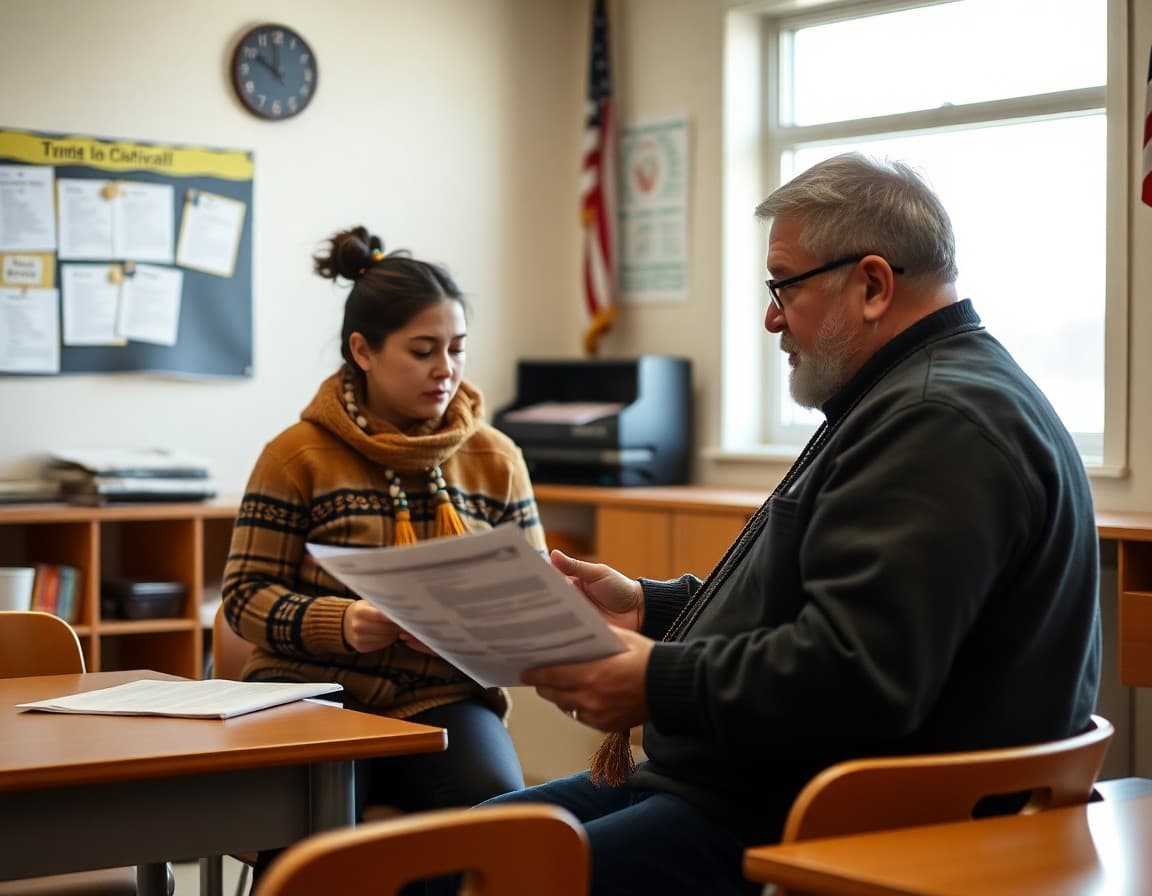
North Dakota's school districts serve some of the most geographically dispersed families in the country. A district in the central part of the state might cover more square miles than some New England counties, with a total enrollment under 200 students. The communication challenges here are not just about technology. They are about geography, climate, and communities that have seen patterns of institutional indifference.
Tribal Nations: Sovereignty and Community Communication
Standing Rock Sioux, the Three Affiliated Tribes (Mandan, Hidatsa, and Arikara) at Fort Berthold, Turtle Mountain Band of Chippewa, and other North Dakota tribes each have distinct governance and communication traditions. Working with tribal education departments for communication design and distribution is the standard for effective engagement. A newsletter that carries a Lakota greeting or references a tribal cultural event acknowledges community identity in a way that standard institutional communications do not.
Bakken Oil Patch: Boom-Bust Enrollment Instability
Williston, Watford City, and Tioga area schools have experienced dramatic enrollment swings tied to oil production cycles. When oil prices are high, enrollment surges with worker families. When they drop, families leave. Communication systems need to handle rapid enrollment changes: clear enrollment and withdrawal processes, straightforward re-enrollment communications, and consistent contact information even when families are uncertain about their plans.
Wheat Farming Communities: Harvest Season Communication
The Red River Valley and central North Dakota wheat farming communities have families who are unavailable during harvest. July through September is not the time to schedule important school events. The newsletter carries the communication during these periods. Three items per issue, sent consistently, keeps families informed without requiring time they do not have.
Winter Closure Communication
North Dakota winters produce blizzards that close roads for days. Schools may cancel multiple times per year due to extreme cold or snow. The communication protocol for weather closures should be established in September before the first storm: which channels are used, what time decisions go out, and what families in extremely remote areas should do when roads become impassable.
Food Resource Communication on Tribal Lands
North Dakota tribal communities have significant food insecurity. Commodity food distribution schedules, school meal program information, and community food resource referrals should appear in newsletters for tribal school communities. Write these simply. Present them as normal parts of school services.
Paper Distribution in Remote Agricultural Communities
For wheat farming families accessible only by gravel roads, paper newsletters sent home with students are the most reliable channel. The grain elevator, the co-op, and the post office are posting points for families who check email infrequently. In communities where the nearest town has fewer than 300 people, these are the gathering places.
Title I Documentation
North Dakota Title I schools, including those on tribal lands, must distribute parent involvement policies and school-parent compacts annually. The newsletter is the delivery vehicle. Daystage tracks which families have opened which communications.
North Dakota rural educators who design communication for their community's specific geography, tribal sovereignty, and seasonal rhythms build stronger family engagement than those using systems designed for more connected environments.
Get one newsletter idea every week.
Free. For teachers. No spam.
Frequently asked questions
What communication challenges are specific to North Dakota rural schools?
North Dakota is the third least populous state in the country. Large portions of the state are wheat farming or cattle ranching with families spread across vast distances. Five tribal nations, including Standing Rock, Fort Berthold, and Turtle Mountain, have schools with distinct communication needs. The oil patch in the Bakken formation creates boom-bust enrollment changes. Winter conditions can close roads for days.
How should North Dakota tribal school educators approach family communication?
Standing Rock Sioux, Mandan Hidatsa Arikara Nation, Turtle Mountain Band of Chippewa, and other North Dakota tribes operate under tribal sovereignty. Schools serving these communities work with tribal education offices. Lakota and Hidatsa language acknowledgments in newsletters respect community identity. Oral communication through community networks remains primary in many tribal communities.
How do North Dakota rural schools communicate during wheat harvest?
Wheat harvest in North Dakota runs from late July through September and is the most demanding period of the year for farm families. School meetings during this period have minimal attendance. The newsletter becomes the primary family communication channel. Keep it short, send it consistently, and make the most critical information visible in the first two sentences.
What digital access barriers do North Dakota rural educators face?
North Dakota has significant rural broadband gaps, particularly on tribal lands and in the most remote agricultural counties. Cell service can drop in low-lying areas. Winter conditions damage infrastructure. Paper newsletters remain essential for the most isolated families.
What newsletter tool supports North Dakota rural school communication across vast distances?
Daystage lets North Dakota rural educators send lightweight newsletters and track which families are engaging with communications. Schools use it alongside paper distribution to identify families who need follow-up and to document Title I family engagement.

Adi Ackerman
Author
Adi Ackerman is a former classroom teacher and curriculum writer with 8 years in K-8 schools. She writes about school communication, parent engagement, and what actually works in real classrooms.
More for Rural & Title I
North Dakota Rural School Newsletter Guide for Reservation and Plains Communities
Rural & Title I · 6 min read
Title I School Family Communication in North Dakota
Rural & Title I · 6 min read
How Rural Schools Serving Indigenous Communities Can Design Newsletters That Build Trust
Rural & Title I · 5 min read
Ready to send your first newsletter?
3 newsletters free. No credit card. First one ready in under 5 minutes.
Get started free