
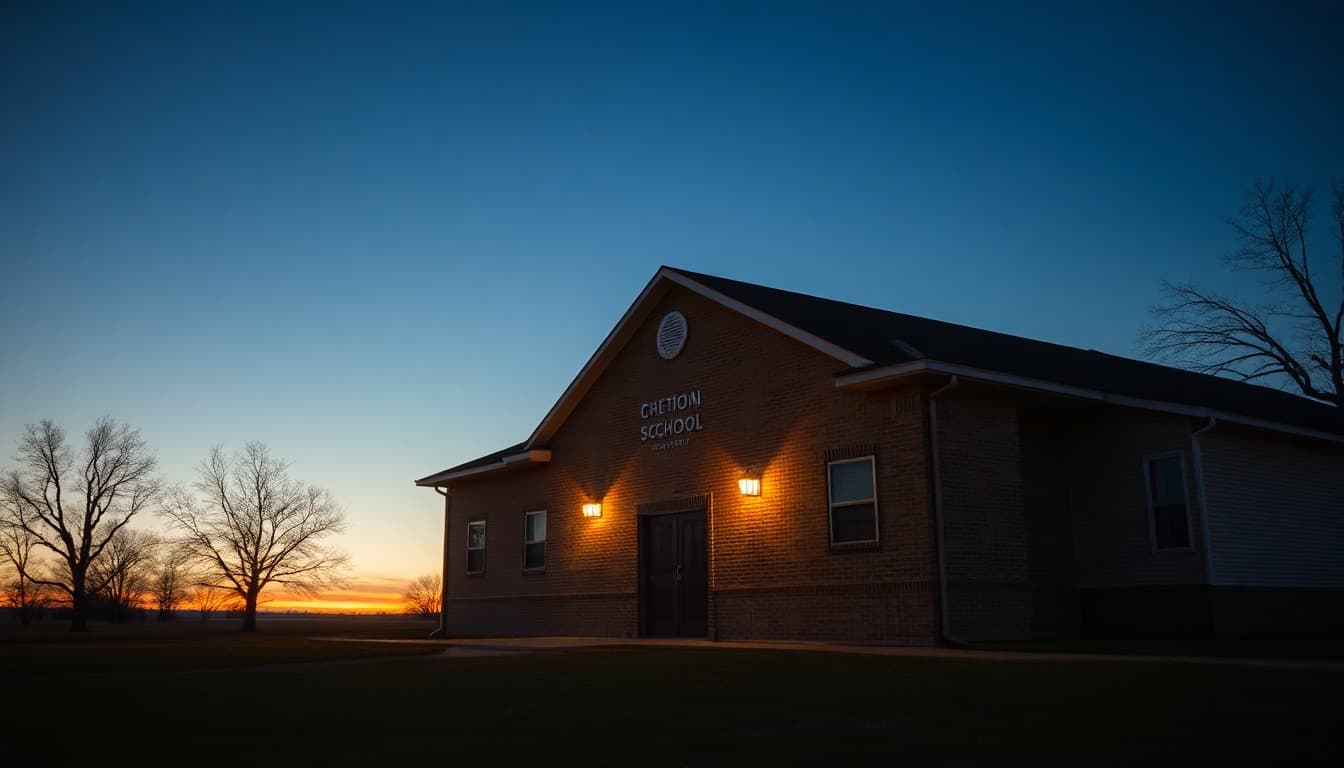
Rural School Consolidation Newsletter: How to Communicate Through Uncertainty

When a rural school consolidation is proposed, families are not just worried about logistics. They are worried about something that represents the center of their community. Schools in small towns are often the reason families stay. The newsletter during a consolidation process carries an unusual weight: it is the primary tool for keeping trust intact when everything else is uncertain.
Be Honest About What You Know and What You Do Not
The biggest mistake schools make in consolidation communication is withholding information until decisions are finalized. Families who do not hear anything assume the worst. A newsletter that says "The board is reviewing three consolidation scenarios. No decision has been made. The next community meeting is [date]." is more reassuring than silence, even though it contains no final answer. Families can tolerate uncertainty if they trust they will be kept informed.
Explain the Decision-Making Process Step by Step
Most families do not know how school consolidation decisions are made: who has input, who makes the final call, what role the state education agency plays, and what the legal timeline looks like. A single newsletter issue that explains the process builds the context families need to follow updates as they come. They can then focus on the content of each update rather than the process itself.
Address Transportation Early and Specifically
For a family whose child currently rides the bus 15 minutes to school, the news that the consolidated school is 35 minutes away is a real hardship. The newsletter should address transportation changes as early and as specifically as possible: projected route lengths, estimated travel times, whether transportation assistance will be provided, and how route changes will be communicated when the time comes. Families can plan around specifics. They cannot plan around vague reassurances.
Name the Programs That Will and Will Not Transfer
Families want to know what happens to their child's current programs. Will the robotics club continue? Will the FFA chapter survive? Will the small-school principal who knows every student by name still be accessible? Some of these questions cannot be answered right away, but the newsletter should acknowledge them explicitly and commit to answering them when decisions are made.
Acknowledge the Grief Without Dwelling on It
School consolidation is a form of community loss. The newsletter can acknowledge that directly: "We know this is not easy news for many families. This school has been part of this community for [years], and change is hard. We are committed to making this transition as smooth as possible." That kind of direct acknowledgment is more effective than language that only focuses on opportunities and improvements.
Create a Consistent FAQ Section
During a consolidation process, the same questions come up repeatedly. What will the new school be called? Will my child keep their current teachers? What happens to Title I services? Build a running FAQ section in the newsletter and update it as answers become available. Families who have the same question can find it there rather than calling the office. And seeing questions answered builds the sense that the school is being transparent.
Provide Multilingual Updates If Your Community Needs Them
Rural communities that include significant Spanish-speaking, indigenous- language-speaking, or refugee-background families need consolidation updates in those languages. This is not just an equity consideration. It is a practical one. Families who cannot read the newsletter in a language they understand well cannot give informed input or make informed plans. Daystage supports multilingual communication at the newsletter level.
Schools that communicate clearly and consistently through consolidation keep more families engaged with the new school after the transition. The newsletter during this process is not just information delivery. It is trust maintenance.
Get one newsletter idea every week.
Free. For teachers. No spam.
Frequently asked questions
What should the first newsletter about school consolidation include?
The facts as they currently stand, the timeline for decisions, the process by which the community will be informed, and a clear invitation for families to attend the first community input meeting. Do not speculate about outcomes that have not been decided. Families can handle uncertainty much better when they trust that they will be kept informed. The first newsletter sets that expectation.
How often should schools communicate during a consolidation process?
More often than feels comfortable for administrators. Monthly at minimum. After any board decision or public meeting. After any significant change in the timeline or proposal. Families who do not hear from the school fill the silence with rumors. Regular communication, even when the news is 'no decision yet,' is better than silence.
How should a rural school handle negative community reaction in the newsletter?
Acknowledge that this is hard. Do not minimize the loss that consolidation represents for a community. Do not use language that frames opposition as uninformed or obstructionist. The newsletter can say 'We have heard strong concerns from families about travel times and community identity. Here is how those concerns are being addressed in the planning process.' Acknowledging concern and describing action is more effective than reassurance without substance.
What practical information do families need during a consolidation process?
New bus routes and travel times. Changes to school boundaries. Effects on sports, activities, and special programs. Staff reassignments where known. Title I designation status of the receiving school. Enrollment timelines and deadlines. Families want to know what the change means for their child's daily life, and the newsletter should answer that as specifically as possible at each stage of the process.
How does Daystage support schools navigating consolidation communication?
Daystage lets schools send consistent newsletters to multiple communities at once and track open rates across each school's family group. During a consolidation, knowing which families are and are not reading updates helps staff target follow-up outreach. Schools use it to maintain trust with families during a process that can otherwise feel opaque.

Adi Ackerman
Author
Adi Ackerman is a former classroom teacher and curriculum writer with 8 years in K-8 schools. She writes about school communication, parent engagement, and what actually works in real classrooms.
More for Rural & Title I
Ready to send your first newsletter?
3 newsletters free. No credit card. First one ready in under 5 minutes.
Get started free