
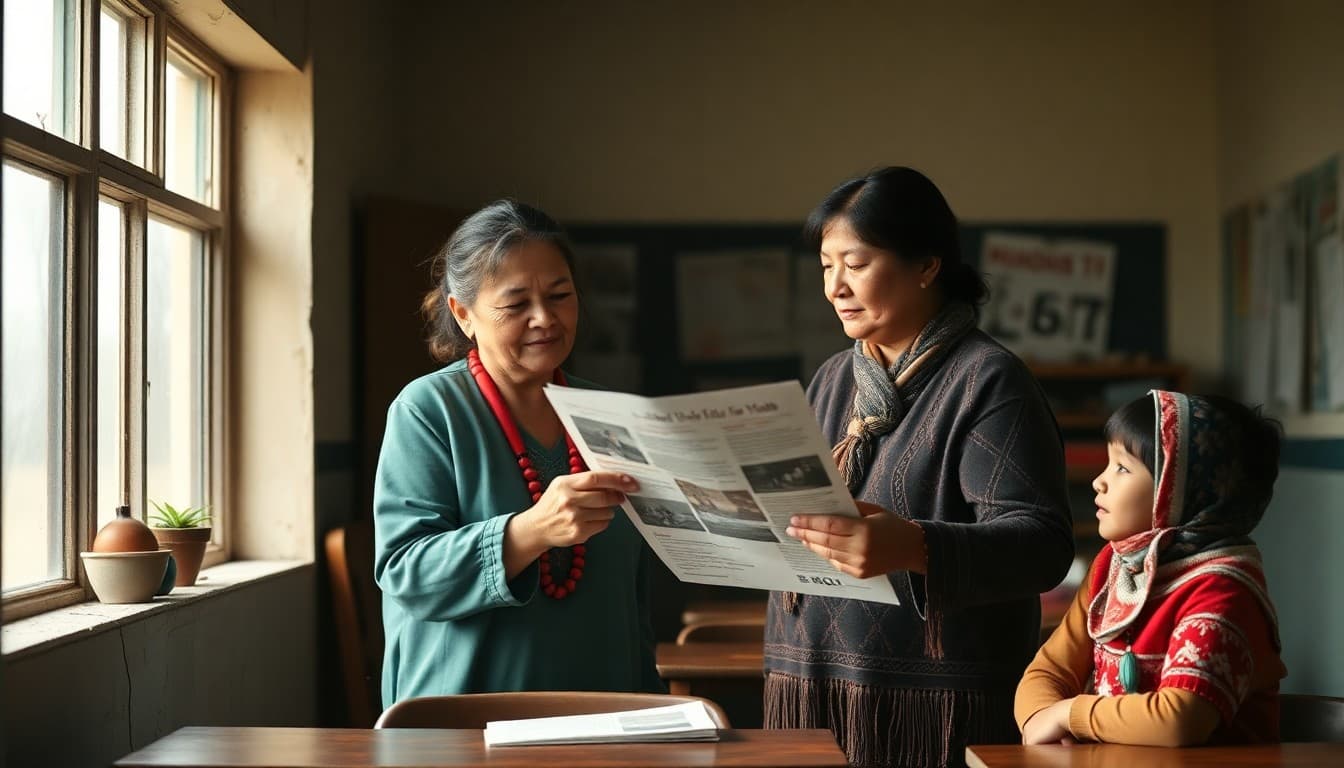
Native Rural School Newsletter: Indigenous Community Communication
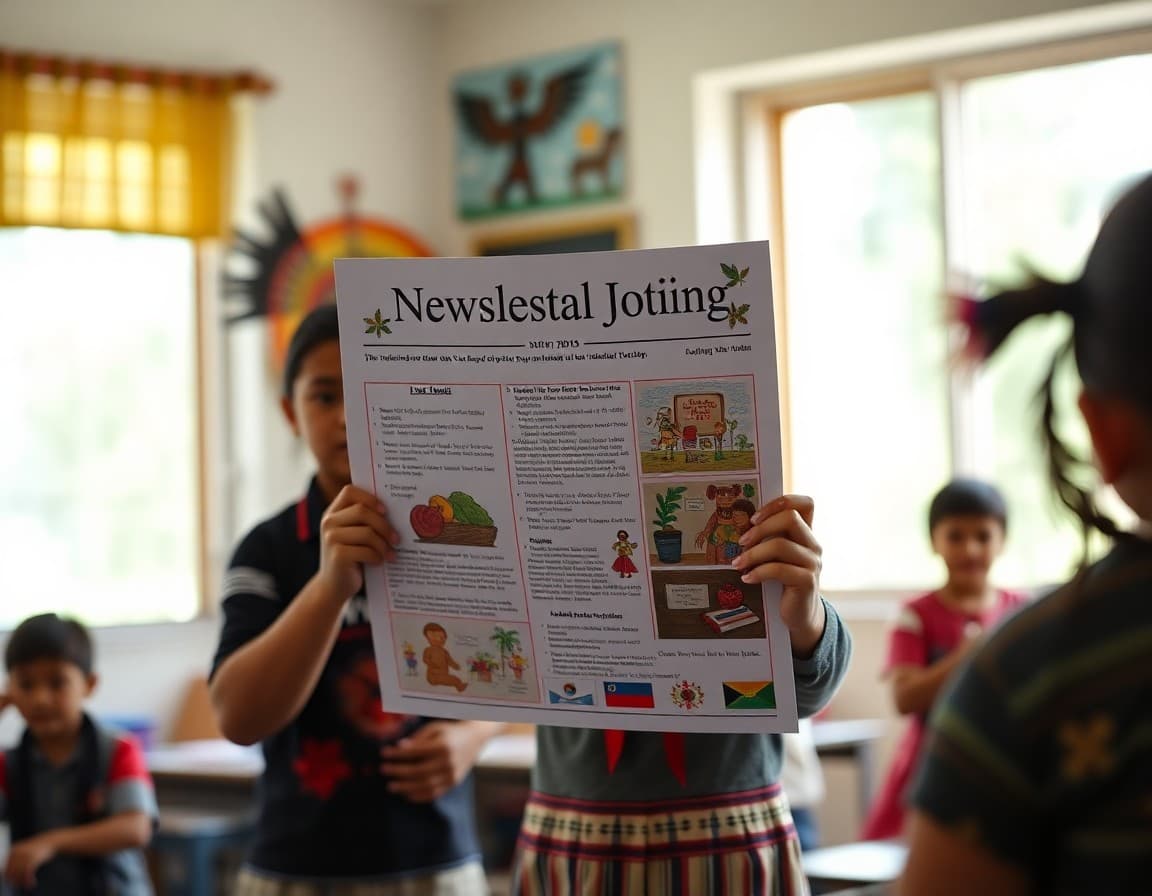
Native American rural schools operate within multiple overlapping contexts: federal Title I and Title VI requirements, state education standards, tribal sovereignty, and community communication traditions that predate the school itself. A newsletter for a tribal community school is not just a communication tool; it is a statement about how the school sees its relationship with the community it serves. Getting that right takes more than a template.
Start With Relationships, Not Announcements
Many indigenous communities prioritize relationship and context before information. A newsletter that opens with a greeting that acknowledges the season, the community, or a recent gathering is more likely to be read than one that leads immediately with cafeteria menu changes. The opening section is where you demonstrate that the school understands it is a guest in the community's world, not the other way around.
Language Inclusion Is a Practice, Not a Feature
If your community has an indigenous language, include it intentionally. Start by adding a greeting in the language at the top of each newsletter. Work with the tribal language department or a language teacher to ensure accuracy. Over time, as you build comfort, add section headers or a monthly word with its meaning. This is not tokenism when done in genuine partnership with the community's language keepers. It is the school honoring what the community has long protected.
Communicate Around the Cultural Calendar
Tribal communities often have ceremonial, seasonal, and cultural events that affect school attendance, family availability, and student energy throughout the year. A newsletter that acknowledges these moments and plans communications around them shows cultural awareness. Do not schedule major announcements or surveys during harvest, ceremony, or pow-wow seasons if you expect full community engagement. Adjust your communication calendar the way other schools adjust around religious holidays.
A Sample Culturally Responsive Newsletter Opening
Here is an example of a newsletter opening that integrates cultural relationship:
"Greetings, [Tribal name] community. As the leaves change and the first cold arrives, we are grateful for the trust your families place in us each day. This month's newsletter covers parent-teacher conferences, our winter drumming assembly, Title VI tutoring hours, and the upcoming community advisory meeting. Please share this newsletter at chapter house and with elders who may not receive it by mail. Thank you for walking this learning path with us."
Title VI and Title I Together
Schools serving significant populations of Native students often receive both Title I and Title VI funding. Both require parent advisory participation. Your newsletter is an opportunity to explain both programs in plain language: what Title I funds support for all students, and what Title VI Indian Education funds support specifically for Native students. Help families understand their right to participate in both planning processes and invite them to the respective advisory meetings.
Use Community Hubs for Distribution
Limiting distribution to school-to-home backpack mail or email misses a significant portion of tribal community families. The chapter house, tribal clinic, trading post, and local church are all places where families gather and where printed newsletters can be left in visible, accessible spots. Ask whether the tribal radio station can read a brief summary of school news once a week. That single channel can reach elders and families who engage with neither print nor digital communication.
Feature Student and Community Voice
Native students thrive when they see their community's culture and contributions reflected in school materials. A section of the newsletter dedicated to student writing, artwork, or interviews with community elders demonstrates that the school values the community's knowledge alongside academic content. Rotating student spotlights that highlight cultural knowledge -- a student who helped tan hides, another who performed at a regional drum contest -- alongside academic achievements expands the definition of success in a way that resonates with the whole community.
Build the Advisory Before You Need It
Tribal parent advisory committees are most effective when they exist and function before there is a problem to solve. Use your newsletter year-round to invite families into the advisory process: meeting dates, what was discussed at the last meeting, how families can submit comments without attending. When the district or state asks for family engagement evidence or when Title I plans need revision, a functioning advisory built on consistent communication is your strongest asset.
Get one newsletter idea every week.
Free. For teachers. No spam.
Frequently asked questions
What makes communication in Native American rural schools different from other rural schools?
Native American communities often have distinct communication traditions, including oral storytelling, community gathering norms, and language considerations. Many families may speak an indigenous language at home. Schools serving tribal communities also navigate relationships with tribal councils, Bureau of Indian Education requirements, and ESSA Title VI Indian education provisions alongside standard Title I obligations. Understanding and honoring those layers is part of effective communication.
Should Native rural school newsletters include indigenous language content?
When possible and appropriate, yes. Including greetings, section headers, or key announcements in the community's indigenous language shows respect and cultural responsiveness. Work with tribal language staff or elder advisors to verify accuracy before publishing. Even a single sentence of greeting in the community's language signals that the school sees and values the community's full identity, not just its English-speaking face.
How do Native rural schools handle newsletter distribution in areas with no reliable mail or internet?
Community hubs are the most effective distribution points. The tribal community center, chapter house, trading post, local church, and health clinic often serve as information hubs where families gather regularly. Distributing printed newsletters to these locations reaches families who would not receive school mailings. Some schools work with tribal radio stations to read important announcements on air, which covers families with neither print nor digital access.
What federal programs specific to Native students should appear in a native rural school newsletter?
Title VI Indian Education programs provide supplemental educational services to Native students and require a Parent Advisory Committee similar to Title I. Schools should inform families of their right to participate in Title VI planning, the Indian Student Eligibility certification process, and any culturally specific summer programs, tutoring, or language preservation activities funded through the grant.
How can Daystage support Native rural school newsletters?
Daystage lets schools build newsletters that combine text, images of cultural events, and community resource links in a format families can access on any device. For communities with limited connectivity, the newsletter can be exported as a PDF for printing and distribution at community hubs. Schools can also schedule newsletters in advance around cultural calendar dates like harvest ceremonies or language revitalization events.

Adi Ackerman
Author
Adi Ackerman is a former classroom teacher and curriculum writer with 8 years in K-8 schools. She writes about school communication, parent engagement, and what actually works in real classrooms.
More for Rural & Title I
Ready to send your first newsletter?
3 newsletters free. No credit card. First one ready in under 5 minutes.
Get started free