
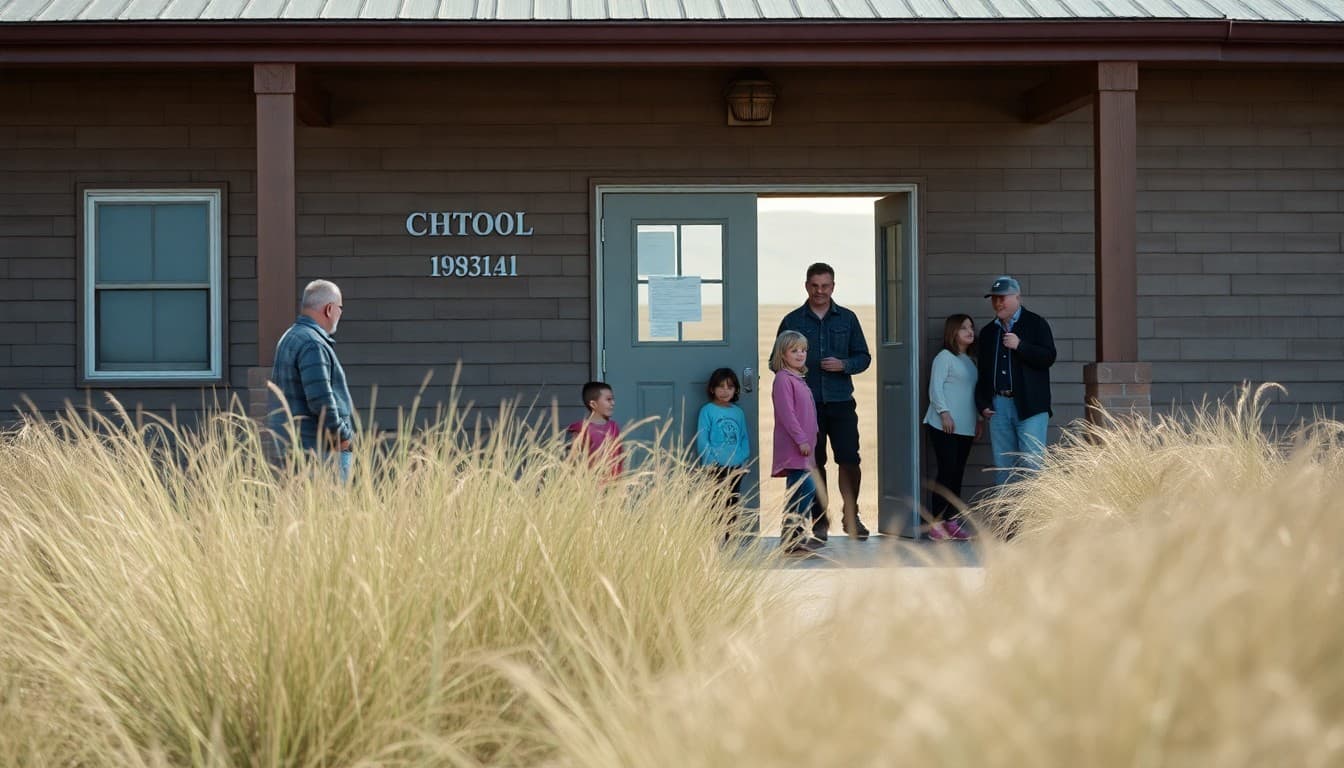
Rural School Communication Strategies for Nebraska Educators
Nebraska's rural school communities span some of the most thinly populated land in the country. The Sandhills, where a rancher's nearest neighbor might be 10 miles away, and meatpacking towns where Spanish, Somali, and Burmese are heard alongside English, represent the two poles of Nebraska's rural education challenge.
Sandhills: Distance, Phone First, and Paper Always
Grant, Hooker, Arthur, and McPherson counties have populations under 1,000. Ranch families may be an hour from school over gravel roads. Cell service drops frequently. Home broadband barely exists. For schools in these counties, phone calls and paper newsletters sent home with students are the communication system. Digital is the backup. Any strategy built on email as the primary channel leaves Sandhills families uninformed.
Meatpacking Communities: Multilingual Communication
Lexington became one of the most diverse small cities in the country when IBP opened its beef processing plant in 1990. Today it has significant Hispanic, Somali, and other East African populations. Schuyler and South Sioux City have similar demographics. Schools here serve families whose first language ranges from Spanish to Somali to Marshallese. Spanish resources are well developed. For Somali and other languages, partnering with community organizations is the practical approach to translation.
Agricultural Plains: Harvest Schedules and Communication Timing
Nebraska corn and soybean harvest runs through October, and the sugar beet harvest in the western Panhandle runs into November. Farm families during these periods are working before dawn and after dark. School meetings are poorly attended. The newsletter is the primary family communication channel during harvest. Keep it short and consistent.
Tornado Season Communication
Nebraska is in Tornado Alley. School closures for severe weather can happen multiple times per year. The communication protocol should be established in the first newsletter: which channels the school uses, what time decisions are announced, and what families should do if they cannot receive the first notification.
Food and Economic Resource Information
Nebraska's rural counties, particularly in the Sandhills and Panhandle, have food insecurity. Meatpacking community families may experience income volatility with shift changes or layoffs. Free meal program information, school pantry access, and community resource referrals should appear in newsletters consistently and without stigma language.
Title I Documentation
Nebraska Title I schools distribute parent involvement policies and school-parent compacts annually. The newsletter is the primary delivery vehicle. Daystage tracks which families have opened which issues.
Community Identity in Diverse Rural Nebraska
Whether in a 50-student Sandhills school where everyone knows everyone, or in a Lexington school where students speak 15 languages, the newsletter can celebrate the school's specific community. In diverse meatpacking towns, a newsletter that acknowledges multiple cultural identities alongside academic updates builds belonging across community lines.
Nebraska rural educators who design communication for their community's specific geography, language, and seasonal rhythms maintain stronger family engagement through every part of the school year.
Get one newsletter idea every week.
Free. For teachers. No spam.
Frequently asked questions
What communication challenges are specific to Nebraska rural schools?
The Nebraska Sandhills have some of the lowest population density in the country, with ranch families spread across vast distances and limited broadband. Meatpacking communities in Lexington, Schuyler, and South Sioux City have large Spanish-speaking, Somali, and other immigrant family populations. Agricultural communities across the state have seasonal schedules that affect family availability.
How should Nebraska Sandhills school educators communicate with ranch families?
Sandhills ranch families may be 30 or more miles from school with limited cell service and no home broadband. Phone communication and paper newsletters sent home with students are the most reliable channels. Email supplements for families who check it, but the communication system cannot depend on digital delivery for Sandhills families.
How do Nebraska rural schools communicate with Spanish-speaking families in meatpacking communities?
Lexington, Schuyler, and South Sioux City have large Hispanic populations tied to beef and pork processing industries. Spanish newsletters or bilingual summaries are necessary for these communities. Some families are long-established Nebraska residents. Others are recent immigrants with limited English. Both deserve communication in Spanish.
What digital access challenges do Nebraska rural educators face?
Nebraska's Sandhills and many western Nebraska communities have limited broadband coverage. Mobile data is the primary internet access for many families. Newsletters need to load on slow connections. Paper backup systems are necessary for the most isolated communities.
What newsletter tool supports Nebraska rural school communication across diverse contexts?
Daystage lets Nebraska rural educators send lightweight newsletters and track engagement. Schools use it to manage bilingual content, identify families who need printed copies, and document Title I family engagement requirements.

Adi Ackerman
Author
Adi Ackerman is a former classroom teacher and curriculum writer with 8 years in K-8 schools. She writes about school communication, parent engagement, and what actually works in real classrooms.
More for Rural & Title I
Ready to send your first newsletter?
3 newsletters free. No credit card. First one ready in under 5 minutes.
Get started free