
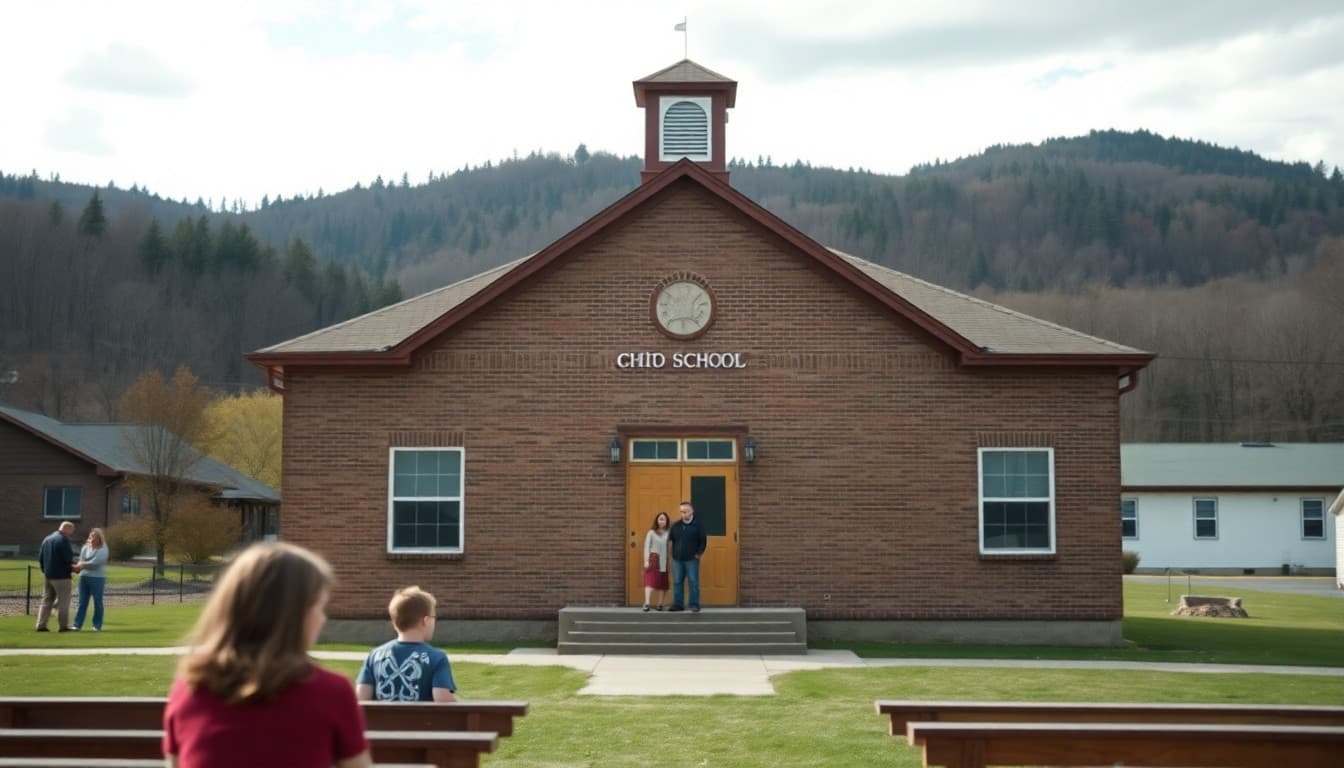
Ohio Rural School Newsletter Guide for Appalachian and Agricultural Communities
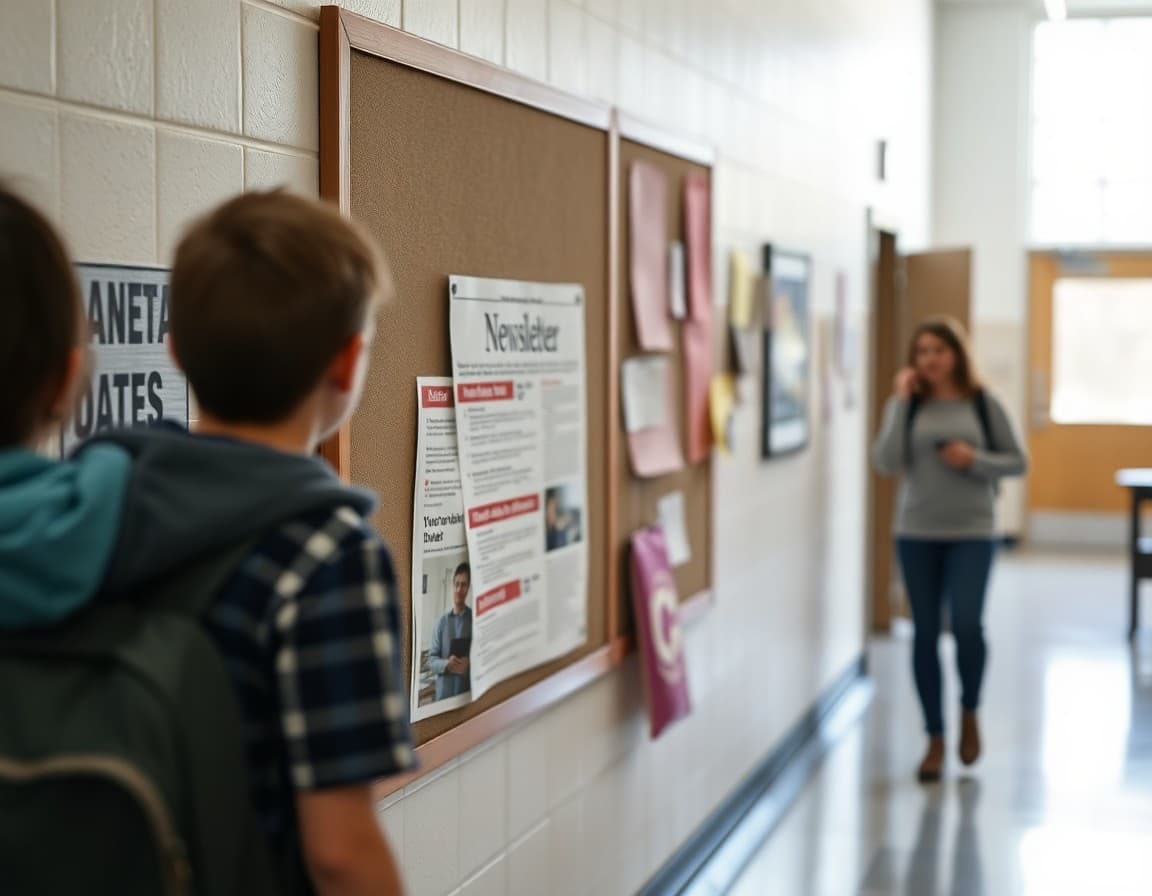
A principal in Vinton County, Ohio, one of the poorest counties in the state, starts every newsletter with a resource section: food pantry hours, health clinic schedule, and free after-school tutoring times. She puts what families need before what the school needs. The result is a newsletter that gets read not just by the school-engaged parents, but by families who have historically stayed disconnected. When the resource information is useful, the newsletter is useful.
Ohio Rural Schools: Appalachian Southeast and Agricultural Northwest
Ohio has two distinct rural poverty contexts. The Appalachian southeast, including the Unglaciated Plateau counties from Meigs and Vinton to Morgan and Noble, has persistent poverty tied to coal, timber, and manufacturing decline. The agricultural northwest, from Van Wert and Defiance through Henry and Williams counties, has large-scale grain and vegetable farming with seasonal work schedules and better broadband. Both require newsletter approaches calibrated to their specific conditions.
Appalachian Ohio: Poverty, Broadband Gaps, and Trust
Vinton County is consistently among the poorest counties in Ohio. Morgan and Meigs counties are similar. Broadband penetration in these areas is limited by terrain and economics. Families here have historical wariness of institutional communication that can read as disengagement but is often a response to institutions that have not communicated with them as partners. A newsletter that leads with resources, uses plain language, and treats families as capable adults builds trust that a jargon-heavy institutional update does not.
Agricultural Northwest Ohio: Seasonal Scheduling
Corn, soybeans, and vegetables in northwest Ohio run on planting and harvest schedules that dominate family life from April through October. During peak seasons, newsletters should be shorter and more direct. A three-item newsletter focused on testing dates, meal information, and one critical event during harvest weeks is more effective than a five-item newsletter that farming families do not have time to read. Longer newsletters work better in November through March when schedules ease.
Post-Industrial Communities in Southeastern Ohio
Communities from Chillicothe to Gallipolis have Title I schools serving families in economic transition from manufacturing and resource extraction. Families here often work in healthcare, retail, or service industries with irregular schedules. Newsletter timing for evenings and consistency in delivery builds the habit of checking. A newsletter that arrives reliably at 5 PM on Thursdays gets built into the family routine.
What Every Ohio Rural School Newsletter Should Include
Five items per issue: food and resource information first for Appalachian schools, then key dates, meal program reminder, one Title I program notice, and a student recognition. During agricultural peak seasons in the northwest, reduce to three critical items. Keep total reading time under three minutes.
Food Security in Ohio Rural Communities
Ohio's Appalachian counties have food insecurity rates well above the state average. Newsletters that communicate free meal availability, Community Eligibility Provision status, and food pantry schedules give families practical information. Write it directly: "Free breakfast is at 7:15. Free lunch. The food pantry is open Thursdays at 3 PM."
Title I Requirements and the Newsletter
Ohio Title I schools must distribute their parent engagement policy, school-parent compact, and annual report. In Appalachian communities with lower adult literacy rates, keeping these documents at a 5th-grade reading level makes them accessible. Quarterly newsletter inserts with a plain-language summary and a contact number cover the legal requirement. Daystage makes it easy to save these as reusable template blocks.
Community Distribution Points in Rural Ohio
Dollar General stores are ubiquitous in rural Ohio and are reliable places to post printed newsletters. County health departments, local churches, and community action agencies also serve as distribution points that reach families who are offline. Building a printed distribution network takes a few hours to set up and extends the newsletter's reach significantly beyond digital delivery alone.
Ohio Appalachian and agricultural schools that build newsletters grounded in their community's real conditions build the family trust that supports student success through economic difficulty. The newsletter is the weekly investment in that relationship.
Get one newsletter idea every week.
Free. For teachers. No spam.
Frequently asked questions
What communication challenges are specific to Ohio rural schools?
Ohio's Appalachian southeast, including Meigs, Vinton, and Morgan counties, has persistent poverty and limited broadband. The agricultural northwest has large-scale farming families with seasonal work schedules. Post-industrial communities in southeastern Ohio from Chillicothe to Gallipolis have Title I schools serving families navigating economic transition.
How do Ohio Appalachian schools handle broadband gaps?
Vinton and Morgan counties have among the lowest broadband penetration rates in Ohio. Plain-text email newsletters combined with printed copies for offline families is the correct standard for these schools. Community distribution through local Dollar General stores, county health departments, and churches reaches families who are entirely offline.
How should Ohio rural schools adjust newsletters for agricultural schedules?
Northwest Ohio grain and vegetable farming communities have intense planting seasons in spring and harvest seasons in fall. Newsletter length should be reduced during these periods, focusing only on the most critical dates and information. Full-length newsletters work better in winter when farm schedules slow.
What content is most important for Ohio rural families?
Meal program information, Title I tutoring availability, state assessment schedules for the Ohio State Tests, bus route changes, and weather closure procedures are highest priority.
What newsletter tool works for Ohio rural schools?
Daystage delivers lightweight newsletters and tracks open rates. The analytics help Ohio rural schools identify which families need printed copies or direct phone outreach.

Adi Ackerman
Author
Adi Ackerman is a former classroom teacher and curriculum writer with 8 years in K-8 schools. She writes about school communication, parent engagement, and what actually works in real classrooms.
More for Rural & Title I
Rural School Newsletter Guide: Communication Strategies for Small and Remote Schools
Rural & Title I · 7 min read
Title I Parent Engagement Newsletter: Meeting Federal Requirements While Building Real Connections
Rural & Title I · 8 min read
How Rural Schools Can Address Food Insecurity Through the School Newsletter
Rural & Title I · 5 min read
Ready to send your first newsletter?
3 newsletters free. No credit card. First one ready in under 5 minutes.
Get started free