

Nebraska Rural School Newsletter Guide for Plains and Meatpacking Communities
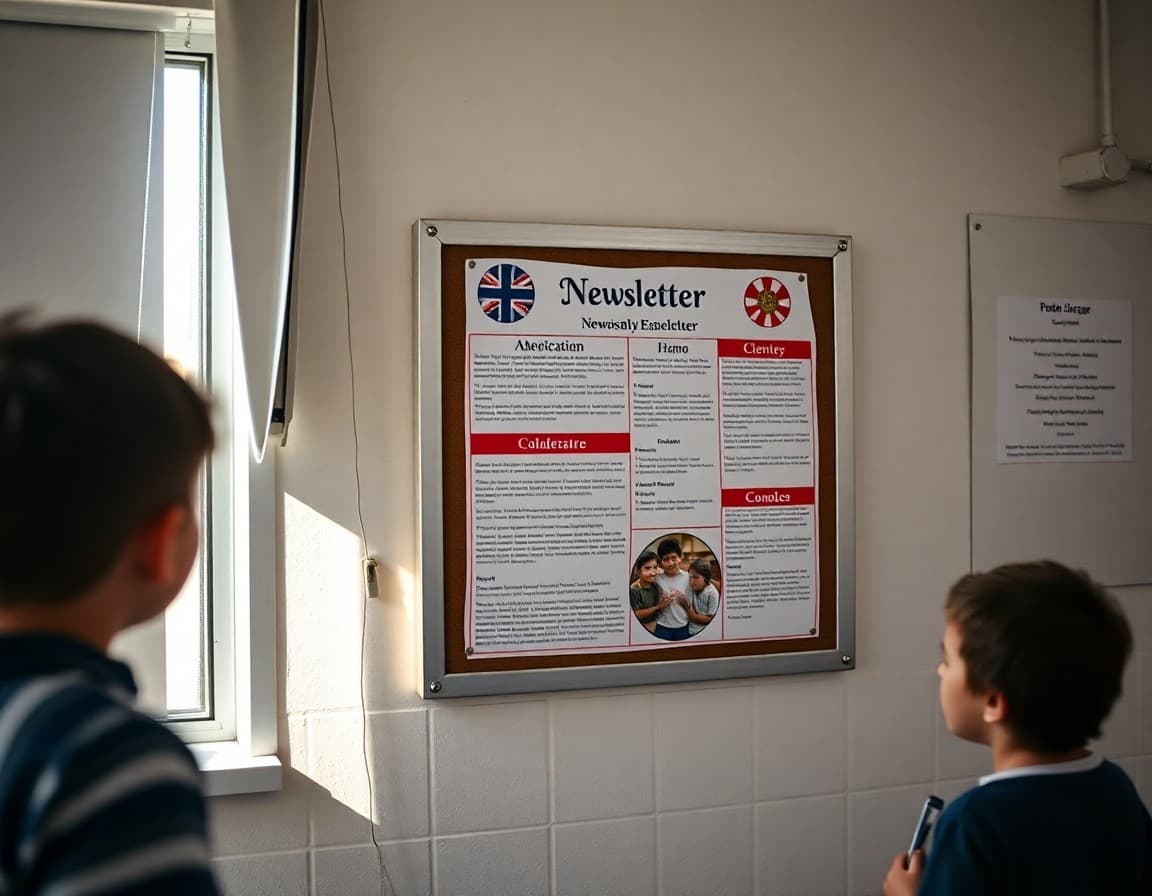
Lexington, Nebraska is a town of 10,000 people where about 60% of students are Hispanic, most of them from families who came for the Tyson Foods plant. The school district sends all parent communications in Spanish first. Not as a translation. As the primary language. The English version is the one that is translated. That decision, made by a superintendent who understood his community, shows up in enrollment stability, Title I participation, and parent meeting attendance that outpaces similarly sized rural districts across the state.
Nebraska's Rural School Communication Landscape
Nebraska's rural school communication challenges come from two very different directions. The meatpacking corridor along Interstate 80 from Omaha to Lexington has some of the most diverse small-city school populations in the Midwest. The Sandhills and Panhandle in the north and west have ranching and farming families spread across hundreds of square miles with limited broadband and cellular service. Each requires a fundamentally different newsletter approach.
Meatpacking Community Schools: Spanish First
Lexington, Schuyler, Madison, and Columbus all have school populations where Spanish is the primary home language for the majority or a significant minority of students. A bilingual newsletter with Spanish as the primary language is not accommodation. It is the appropriate institutional standard for schools where most families speak Spanish at home. JBS, Tyson, and other meatpacking employers bring a steady stream of families from Mexico, Guatemala, and El Salvador, meaning new Spanish-speaking families are arriving throughout the year and the newsletter is often the first formal communication they receive from the school.
Sandhills Schools: Distance and Intermittent Connectivity
Cherry County is the largest county in Nebraska, larger than Connecticut. Ranch families here drive 30 to 60 miles to the nearest town for groceries. Some have satellite internet. Others have no home internet at all. The school bus driver is the primary communication channel for many of these families. A printed newsletter that goes home with every student on Friday, clearly organized so key information can be found in 30 seconds, is the communication system that works here.
What Every Nebraska Rural School Newsletter Should Include
Five items per issue: key dates, meal program information, one Title I resource notice, schedule changes, and a student recognition. For meatpacking community schools, include both English and Spanish versions of every item. For Sandhills and Panhandle schools, keep the format to one page and prioritize weather closure protocol from October through April. Keep total reading time under three minutes.
Food Security in Nebraska Rural Communities
Nebraska's meatpacking communities have significant food insecurity among low-wage workers. Newsletters that communicate free meal availability plainly, in Spanish and English, reach families who may not know the program exists or may be uncertain whether they qualify. Write it directly: "Breakfast and lunch are free for all students. No form is required. Desayuno y almuerzo son gratis para todos los estudiantes."
Title I Communication and Legal Requirements
Nebraska Title I schools must distribute their parent engagement policy, school-parent compact, and annual report. For schools with large Spanish-speaking populations, translated versions of these documents are legally required for identified EL families. The newsletter handles this distribution efficiently. Quarterly inserts in both languages cover the requirement. Daystage makes it easy to add these blocks quarterly without rebuilding the layout.
Measuring What Is Getting Through
Open-rate analytics tell you which families are not opening newsletters. In meatpacking communities where new families arrive throughout the year, a spike in non-openers may signal recent arrivals who have not yet confirmed their email address. A printed copy sent home with the student, or a note from the bilingual liaison, closes that gap. In Sandhills schools, non-opening families almost certainly need a printed copy rather than a digital follow-up.
Nebraska rural schools that match their newsletter format to their community's language and access reality build the family trust that supports student success. In Lexington, the Spanish-first newsletter is the school saying: we see our community, and we communicate in the language our community speaks.
Get one newsletter idea every week.
Free. For teachers. No spam.
Frequently asked questions
What communication challenges do Nebraska rural schools face?
Nebraska's meatpacking towns, including Lexington, Schuyler, and Grand Island, have some of the most linguistically diverse school populations in the Great Plains, with Spanish, Somali, Kurdish, and other languages spoken at home. The Sandhills in the north-central region has ranching families spread across vast distances with limited broadband. Both contexts require different newsletter approaches.
How should Lexington and Schuyler schools handle multilingual newsletters?
Lexington has a school population where Spanish is spoken by the majority of students. A Spanish-first bilingual newsletter is the correct default, not an accommodation. Schuyler and other meatpacking communities may also have Somali, Karen, or other language groups. Translated summaries for the top two languages cover most of the communication gap.
How do Sandhills schools reach ranching families?
Sandhills ranching families in Cherry, Grant, and Thomas counties may be 50 or more miles from town. The school bus is a reliable printed newsletter distribution channel. Some families have only intermittent cell service. A brief, clear newsletter printed and sent home with the student every Friday is often the most reliable communication channel.
What content is most important for Nebraska rural families?
Meal program information, Title I tutoring availability, state assessment schedules, and bus route information are highest priority. For meatpacking community schools, after-school care availability and re-enrollment procedures are also high priority.
What newsletter tool works for Nebraska rural schools?
Daystage sends lightweight newsletters and tracks open rates. For Nebraska's diverse meatpacking schools, the ability to manage bilingual layouts consistently saves time each week.

Adi Ackerman
Author
Adi Ackerman is a former classroom teacher and curriculum writer with 8 years in K-8 schools. She writes about school communication, parent engagement, and what actually works in real classrooms.
More for Rural & Title I
Rural School Newsletter Guide: Communication Strategies for Small and Remote Schools
Rural & Title I · 7 min read
Rural School Bilingual Family Newsletter: How Schools Communicate Across Language Barriers
Rural & Title I · 5 min read
Title I Parent Engagement Newsletter: Meeting Federal Requirements While Building Real Connections
Rural & Title I · 8 min read
Ready to send your first newsletter?
3 newsletters free. No credit card. First one ready in under 5 minutes.
Get started free