
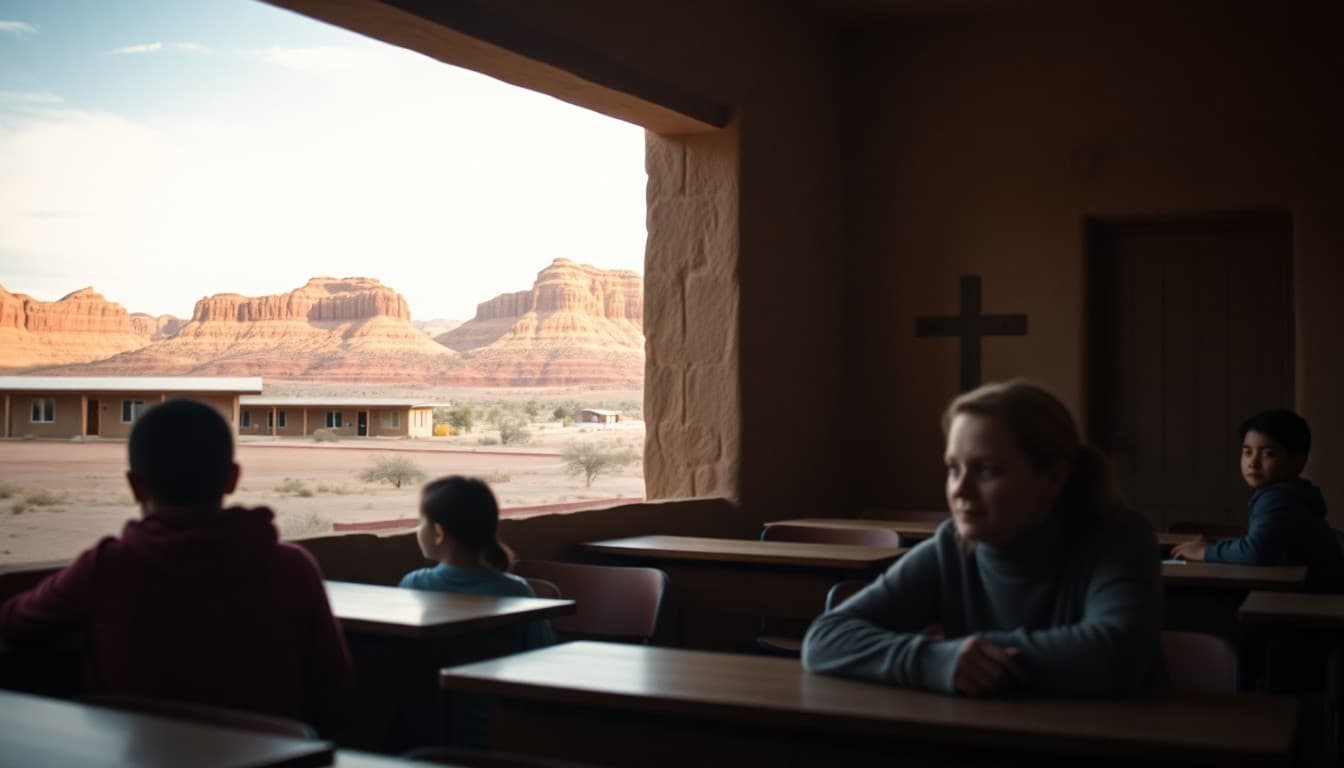
New Mexico Rural School Newsletter Guide for Pueblo and Border Communities
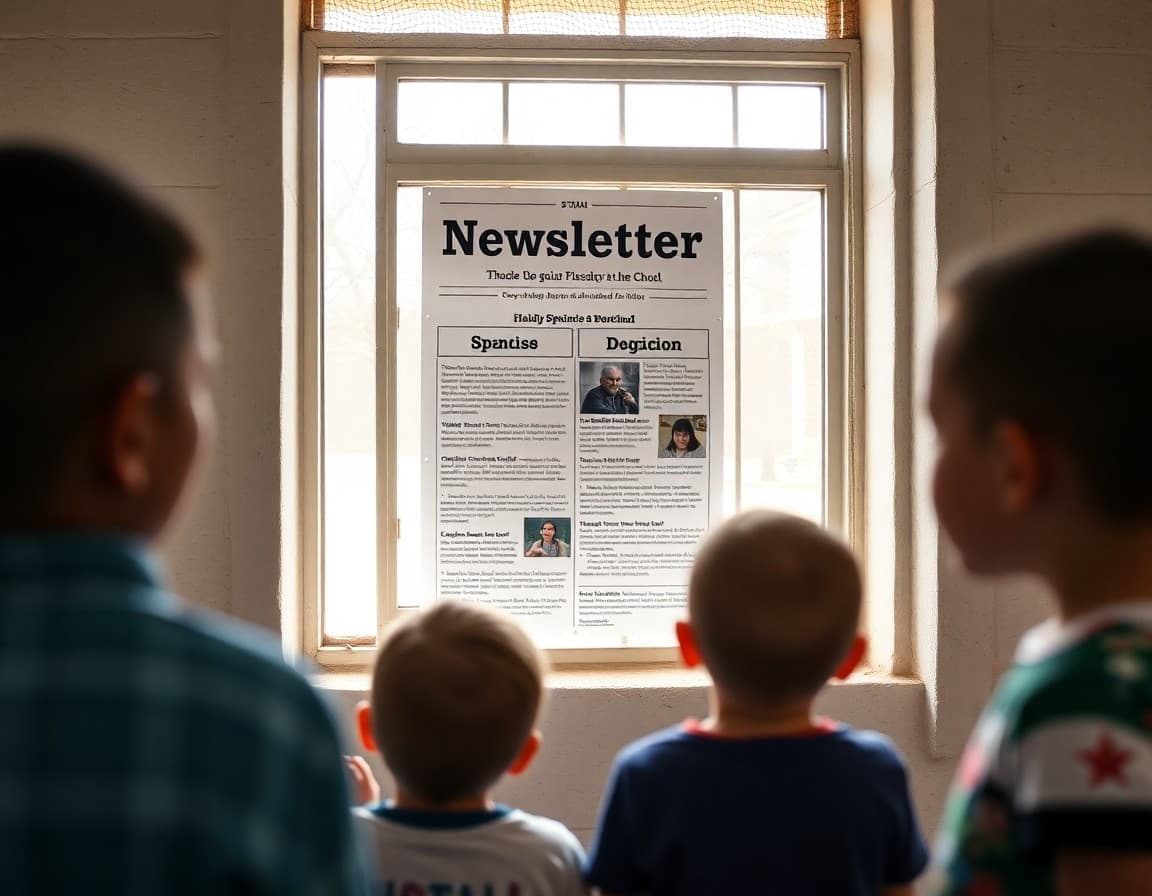
A principal at a school near Acoma Pueblo in New Mexico distributes her newsletter through three channels: email, a printed copy with every student, and a posted copy at the Acoma tribal administrative office. She says the tribal office distribution was the suggestion of the Sky City governor, and it is now the channel that reaches families she could not reach any other way. Community partnership is not a grant requirement in her newsletter system. It is how it works.
New Mexico's Rural School Communication Landscape
New Mexico has more Title I schools per capita than any state in the country. Poverty is concentrated in tribal communities, border counties, and rural farming areas. The Navajo Nation covers the northwest corner of the state. The 19 Pueblos are distributed across the Rio Grande corridor and the high desert. Border communities from Dona Ana County to Hidalgo County serve families with deep roots on both sides of the US-Mexico border. Each context requires a communication approach built for its specific conditions.
Pueblo and Tribal School Communication
New Mexico's Pueblos have their own governments, languages, and cultural practices that predate the state. Schools serving Pueblo students that communicate only in English and through institutional channels miss a significant portion of the family relationship. Including a Pueblo greeting, distributing through tribal offices, and acknowledging feast days and cultural calendar events in the newsletter communicates respect for the community alongside practical school information. Connectivity on and near Pueblo lands varies; printed copies remain essential.
Navajo Nation Schools in New Mexico
The Navajo Nation in New Mexico includes communities in San Juan and McKinley counties with connectivity challenges similar to Arizona's Navajo communities. Satellite internet is common, data caps are real, and plain-text email is the only digital format that loads reliably for many families. Navajo language acknowledgment in the newsletter builds community connection. Printed copies distributed at chapter houses and trading posts reach families that digital delivery cannot.
Border Community Communication
Schools in Dona Ana, Luna, and Hidalgo counties serve many families with members on both sides of the US-Mexico border. Spanish is the primary home language for most of these families. A Spanish-first bilingual newsletter is not accommodation. It is the correct default. For Title I rights and enrollment notices, full Spanish translation is legally required and practically essential for families who may not read English fluently.
What Every New Mexico Rural School Newsletter Should Include
Five items per issue: key dates, meal program information, one Title I resource notice, schedule changes, and a community or student recognition. For Pueblo and tribal schools, include cultural calendar acknowledgments. For border community schools, include Spanish version as standard. Keep total reading time under three minutes.
Food Security in New Mexico
New Mexico consistently ranks among the top five states for food insecurity. Tribal communities and border counties have particularly high rates. Newsletters that communicate free meal availability and food resource information plainly help families access the programs they need. Write it in both languages: "Free breakfast and lunch for all students. No application required."
Title I Compliance and Cultural Respect
New Mexico Title I schools must distribute their parent engagement policy, school-parent compact, and annual report. For schools serving tribal communities, framing these documents as shared agreements rather than compliance requirements builds the partnership the school needs. For border community schools, full Spanish translation is required for EL families. Daystage makes it easy to save and reuse these quarterly blocks.
Reaching Families Through Community Networks
Tribal offices, chapter houses, health clinics, and trading posts are distribution points that reach families the school email list cannot. Posting at the Catholic church or mission is reliable in many New Mexico border communities. Building a community distribution network is the highest-leverage step a New Mexico rural school can take to extend newsletter reach beyond digital delivery.
New Mexico rural schools that build newsletters respecting tribal identity, border community language, and real connectivity constraints reach the families who most need consistent school communication. New Mexico has the highest Title I concentration in the country. The newsletter is where that commitment to serving those families becomes visible every week.
Get one newsletter idea every week.
Free. For teachers. No spam.
Frequently asked questions
What communication challenges are specific to New Mexico rural schools?
New Mexico has the highest percentage of Title I schools of any state. Tribal communities including Navajo, Pueblo, and Apache nations have limited broadband and distinct cultural communication norms. Border communities near El Paso and Juarez have large Spanish-speaking populations, many of them binational families. Rural ranching communities in eastern New Mexico have geographic isolation comparable to West Texas.
How should New Mexico Pueblo schools approach newsletter communication?
New Mexico's 19 Pueblos each have their own governance, language, and cultural practices. A newsletter that acknowledges the Pueblo's calendar, distributes through tribal channels, and respects the community's communication norms builds trust that generic institutional communications do not. Including even a greeting in Tewa, Tiwa, or other Pueblo languages signals respect.
How should border community schools handle bilingual newsletters?
Schools in Dona Ana County near Las Cruces and the Bootleg community near El Paso serve many binational families for whom Spanish is the primary home language. A Spanish-first bilingual newsletter is the appropriate standard, not an accommodation.
What content is most important for New Mexico rural families?
Meal program information, Title I tutoring availability, PARCC or NMSBA testing schedules, and bus route changes are highest priority. For tribal schools, cultural calendar events and language program information belong alongside academic content.
What newsletter tool works for New Mexico rural schools?
Daystage delivers lightweight newsletters and tracks open rates. For New Mexico's tribal communities with limited broadband, the analytics identify which families need printed backup distribution.

Adi Ackerman
Author
Adi Ackerman is a former classroom teacher and curriculum writer with 8 years in K-8 schools. She writes about school communication, parent engagement, and what actually works in real classrooms.
More for Rural & Title I
Rural School Newsletter Guide: Communication Strategies for Small and Remote Schools
Rural & Title I · 7 min read
How Rural Schools Serving Indigenous Communities Can Design Newsletters That Build Trust
Rural & Title I · 5 min read
Rural School Bilingual Family Newsletter: How Schools Communicate Across Language Barriers
Rural & Title I · 5 min read
Ready to send your first newsletter?
3 newsletters free. No credit card. First one ready in under 5 minutes.
Get started free