
Rural School Communication Strategies for Oregon Educators
Oregon's rural school communities are as diverse as the state's geography. The fertile agricultural valleys west of the Cascades, the high desert east of them, the coastal communities along the Pacific, and the tribal lands scattered across the state each present distinct communication challenges for educators.
Agricultural Valleys: Bilingual Communication as Standard
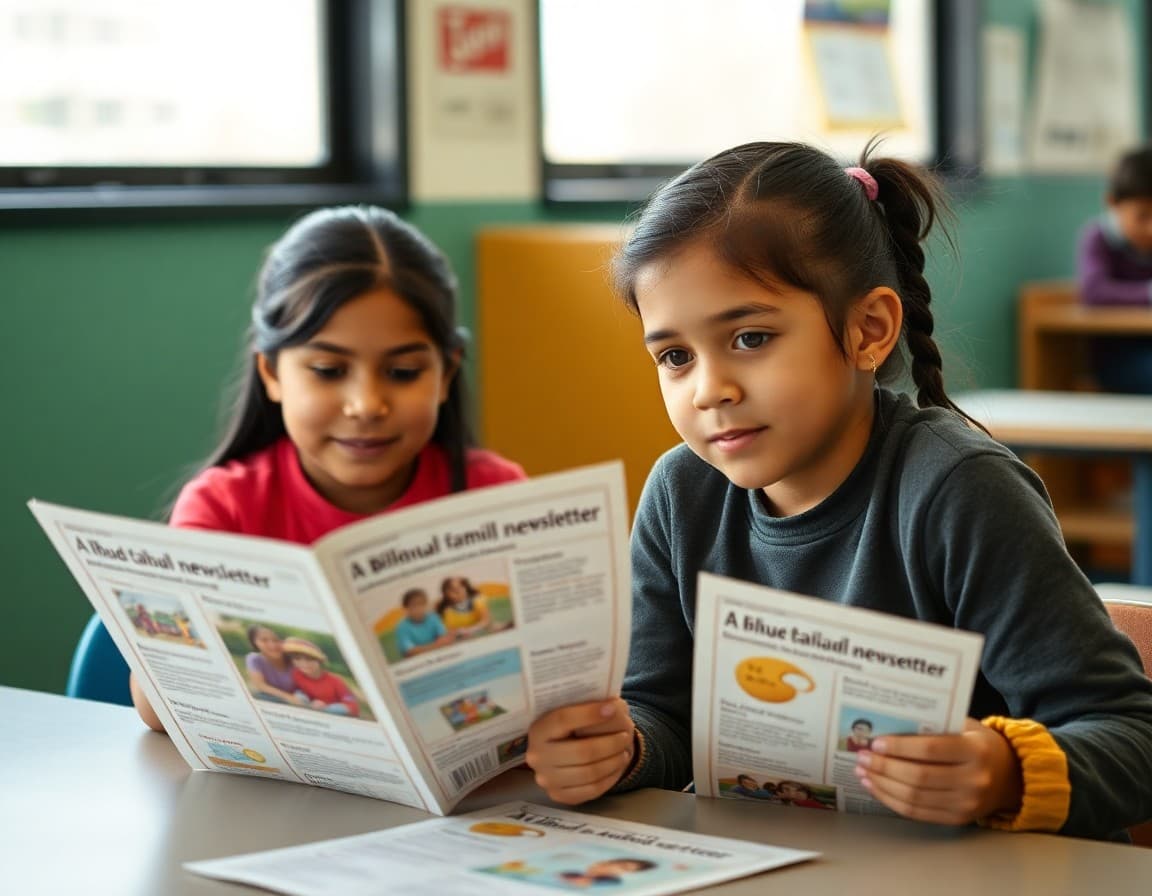
The Willamette Valley, Hood River County, and the Rogue Valley have among the largest Hispanic populations in rural Oregon. Strawberry farms, orchards, wineries, and nurseries bring families to these communities who may speak primarily Spanish. Schools in Marion, Polk, Hood River, and Jackson counties serving significant Hispanic enrollment should have Spanish newsletters or bilingual summaries as standard practice. This is not an accommodation. It is the baseline for reaching these families.
Eastern Oregon: Extreme Distance and Limited Connectivity
Harney County is larger than the state of Connecticut and has a population under 8,000. Lake, Malheur, and Grant counties are similarly vast and sparsely populated. Ranch families may be an hour or more from school. Broadband coverage is minimal. Cell service drops in valleys. Paper newsletters sent home with students and phone calls for urgent matters are the most reliable channels. Digital supplements for families who have access.
Warm Springs and Tribal Communities
The Confederated Tribes of Warm Springs Reservation in central Oregon has its own tribal school, but many Warm Springs students attend Jefferson County schools. The Coquille Indian Tribe in the south coast and other Oregon tribes have community education offices that are natural partners for school communication. Working with these offices rather than around them reaches tribal families more effectively.
Coastal Communities: Seasonal Employment and Distance
Oregon's coastal communities, from Astoria to Brookings, have families whose schedules are tied to commercial fishing, tourism, and seasonal hospitality work. Communication during peak fishing and summer tourism seasons should acknowledge that family schedules are particularly demanding. A newsletter that is consistently short and useful during these periods keeps families connected when they have minimal time.
Forest Communities and Fire Season Communication
Oregon rural schools in forested communities deal with wildfire-related school disruptions, air quality closures, and evacuation notices during fire season. The communication protocol for fire-related events should be established at the start of the year: which channels are used, what time decisions are announced, and what families should do during evacuation orders.
Food and Resource Communication
Oregon rural counties, particularly in eastern Oregon and the coast, have significant food insecurity. Free meal program information, school pantry access, and community resource referrals should appear in newsletters consistently. In agricultural communities, seasonal income volatility means food resource information is relevant across more of the year than in communities with stable employment.
Title I Documentation Across Diverse Districts
Oregon Title I schools distribute parent involvement policies and school-parent compacts annually. The newsletter is the delivery vehicle. Daystage tracks which families have opened which communications.
Oregon rural educators who design communication for their community's specific geography, language, and tribal context build stronger family engagement than those using a default approach. The newsletter is where that design work is most visible.
Get one newsletter idea every week.
Free. For teachers. No spam.
Frequently asked questions
What communication challenges are specific to Oregon rural schools?
Eastern Oregon high desert communities have families spread across vast distances with limited broadband. Willamette Valley and Hood River agricultural communities have large Spanish-speaking populations. Coastal communities face seasonal employment cycles. Tribal nations, including the Confederated Tribes of Warm Springs and Burns Paiute, have specific communication needs. Each region presents distinct barriers.
How should Oregon rural schools communicate with Spanish-speaking agricultural families?
The Willamette Valley, Hood River County, and the Rogue Valley have large Hispanic populations tied to fruit and vegetable farming. Spanish newsletters or bilingual summaries are the standard for inclusive communication in these communities. Some families have been in Oregon for generations. Others are seasonal workers. Both deserve communication in Spanish.
How do Oregon rural schools communicate with tribal communities?
The Confederated Tribes of Warm Springs, Coquille Indian Tribe, and other Oregon tribes have tribal education offices and community communication networks. Schools serving tribal students work with these offices for communication design. Language acknowledgments and cultural references in newsletters build trust with tribal families.
What digital access barriers do Oregon rural educators face?
Eastern Oregon counties like Harney, Malheur, and Lake have some of the worst broadband coverage in the western United States. These are also among the least populated counties in the country. Mobile data is often the only option. Paper newsletters sent home with students are essential for families in these areas.
What newsletter tool supports Oregon rural school communication across diverse communities?
Daystage lets Oregon rural educators send bilingual newsletters that load on limited connections and track which families are engaging. Schools use it to manage multilingual content, identify families who need printed copies, and document Title I family engagement requirements.

Adi Ackerman
Author
Adi Ackerman is a former classroom teacher and curriculum writer with 8 years in K-8 schools. She writes about school communication, parent engagement, and what actually works in real classrooms.
More for Rural & Title I
Ready to send your first newsletter?
3 newsletters free. No credit card. First one ready in under 5 minutes.
Get started free