
Rural School Communication Strategies for Minnesota Educators
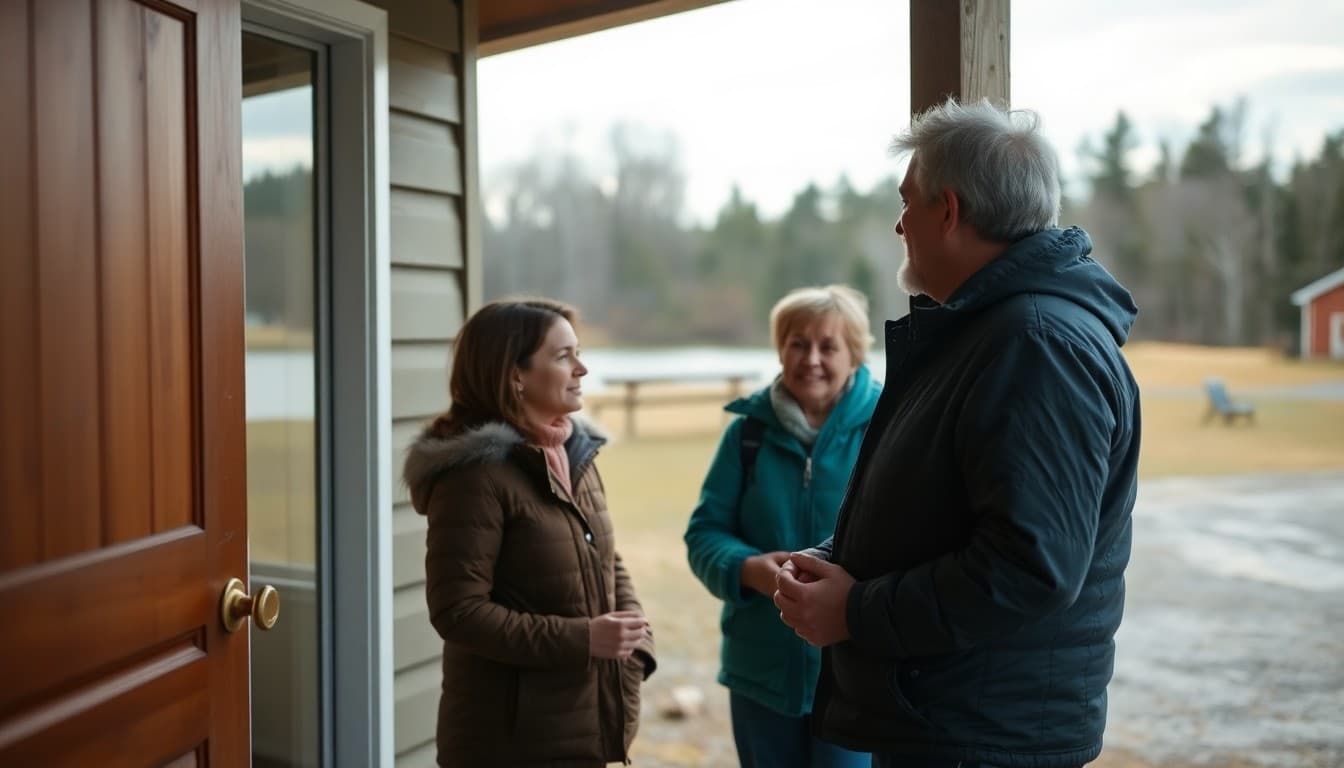
Minnesota stretches from the prairies of the southwest to the boreal forests of the north, and its rural school communities reflect that geographic range. Tribal school communities on Ojibwe and Dakota lands, agricultural communities in the southwest, and Iron Range mining towns each present distinct communication challenges for educators.
Tribal Nations: Sovereignty, Community, and Oral Tradition
Minnesota's 11 tribal nations include the Red Lake Band, Leech Lake Band, and White Earth Nation, among others. Schools serving these communities work within a context of tribal sovereignty and community self-determination. Communication through tribal education departments and community liaisons is more effective than standard institutional outreach. Ojibwe language references in newsletters acknowledge cultural identity. Community gatherings and powwows are where information travels fastest.
Southwest Minnesota: Hispanic Agricultural Communities
The food processing industries in Austin, Albert Lea, and Worthington have created substantial Hispanic communities in southwestern Minnesota. Nobles County, home to a large JBS pork processing plant, has one of the most diverse rural populations in the state. Spanish newsletters or bilingual summaries are the standard for schools serving significant Spanish-speaking enrollment in these communities.
Iron Range: Economic Transition Communication
The Iron Range communities of St. Louis County and Itasca County have experienced decades of economic transition as iron ore mining employment declined. Schools in these communities serve families navigating economic uncertainty. The newsletter that consistently includes resource information, workforce development programs, food assistance, and school-based support services provides genuine value to these families.
Winter Weather Communication
Minnesota rural schools deal with winter closures for cold, snow, and ice multiple times per year. The Red Lake Band schools on the northern reservation can experience conditions that make roads impassable for days. Establishing the weather communication protocol at the start of the year, before the first storm, prepares families. Which channel does the school use? What time are decisions announced? What is the backup for families who do not receive the first notification?
Rural Broadband Gaps and Paper Systems
Northern Minnesota reservation communities and some southwestern agricultural areas have limited broadband coverage. Even where broadband exists, older devices and limited data plans affect access. Paper newsletters remain essential for families without reliable digital access. A printed copy sent home with students covers the gap.
Food Resource Communication in High-Need Communities
Minnesota reservation communities and Iron Range towns have significant food insecurity. Free meal program information, summer food sites, and community food pantry access should appear in newsletters consistently. Write these simply and without stigma. The family that needs the resource should not have to decode the newsletter to find it.
Title I Documentation Across Diverse District Types
Minnesota Title I schools, whether on tribal lands or in agricultural communities, must distribute parent involvement policies and school- parent compacts annually. The newsletter is the primary delivery vehicle. Daystage tracks which families have opened which issues, providing documentation for state program reviews.
Minnesota rural educators who design communication systems for their community's specific tribal, agricultural, and economic contexts build stronger family engagement than those using one-size approaches. The newsletter is the visible expression of that design.
Get one newsletter idea every week.
Free. For teachers. No spam.
Frequently asked questions
What communication challenges are specific to Minnesota rural schools?
Minnesota has 11 federally recognized tribal nations with distinct communication needs on and near reservation communities. The southwest farming region has growing Hispanic populations. The Iron Range mining communities have experienced economic transition. Extreme winter conditions affect school operations and family access regularly.
How should Minnesota tribal school educators approach family communication?
Ojibwe and Dakota communities have distinct communication preferences rooted in oral tradition and community-based information sharing. Communication that works through tribal community channels, that respects tribal sovereignty, and that uses the school's relationship to the community rather than a standard institutional approach builds more effective engagement.
How do Minnesota rural schools communicate with Spanish-speaking agricultural families in the southwest?
Counties like Martin, Faribault, and Nobles have grown in Hispanic population as food processing and agricultural industries expanded. Spanish newsletters or bilingual communications are appropriate for schools with significant Spanish-speaking enrollment. Austin, Minnesota, has had a significant Hispanic community for decades.
What digital access challenges do Minnesota rural educators face?
Reservation communities and rural counties in northern and southwestern Minnesota have significant broadband gaps. Many families rely on mobile data. Minnesota has active rural broadband expansion programs, but coverage remains uneven. Paper newsletters remain essential for families without reliable digital access.
What newsletter tool works for Minnesota rural school communication in cold-weather contexts?
Daystage lets Minnesota rural educators send newsletters and track which families are engaging with communications. Schools use it to manage weather closure communication, multilingual content for Spanish-speaking families, and Title I family engagement documentation.

Adi Ackerman
Author
Adi Ackerman is a former classroom teacher and curriculum writer with 8 years in K-8 schools. She writes about school communication, parent engagement, and what actually works in real classrooms.
More for Rural & Title I
Minnesota Rural School Newsletter Guide for Iron Range and Agricultural Communities
Rural & Title I · 6 min read
Title I School Family Communication in Minnesota
Rural & Title I · 6 min read
How Rural Schools Serving Indigenous Communities Can Design Newsletters That Build Trust
Rural & Title I · 5 min read
Ready to send your first newsletter?
3 newsletters free. No credit card. First one ready in under 5 minutes.
Get started free