

Rural School Communication Strategies for North Carolina Educators
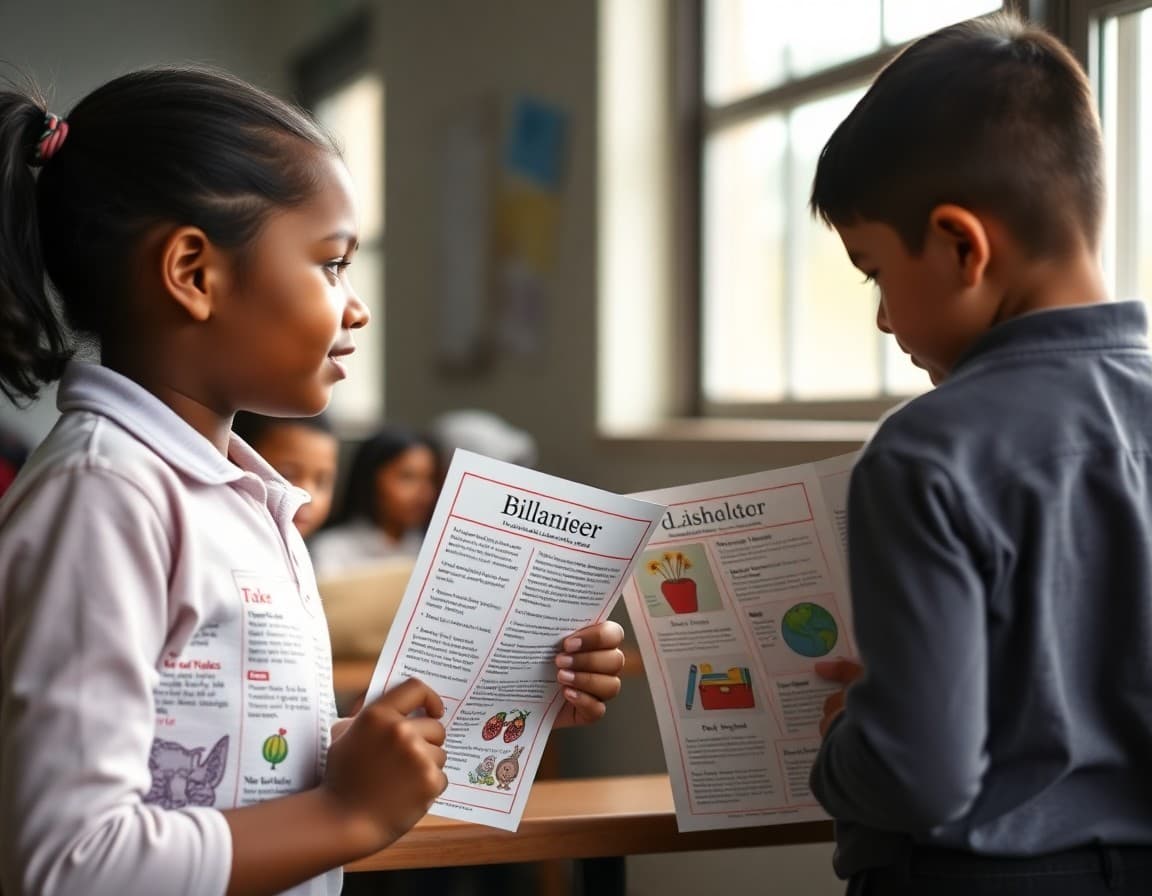
North Carolina is one of the most geographically diverse states in the Southeast, and its rural school communities reflect that. The eastern coastal plain, the Piedmont foothills, and the western mountains each have distinct family populations, communication barriers, and educational needs. Effective communication strategies start with knowing which North Carolina your school serves.
Eastern Coastal Plain: Bilingual Communication and Agricultural Schedules
Counties like Sampson, Duplin, Wayne, and Lenoir have large Hispanic populations tied to poultry processing and agricultural industries. Schools in these communities serve families where Spanish may be the primary home language, particularly among older family members and recent arrivals. Spanish newsletters or bilingual summaries are the standard. Agricultural schedules, especially during tobacco and sweet potato harvest in the fall, affect family availability for meetings and events.
Robeson County: Lumbee Identity and Community Communication
Robeson County has the largest Lumbee Tribal community in the country. It also has one of the highest poverty rates in the state. Schools serving Lumbee families benefit from communication that acknowledges tribal identity, that references Lumbee cultural events and history, and that works through trusted community networks. The newsletter that positions the school as a community partner rather than an outside institution builds more effective engagement.
Western Mountains: Connectivity and Appalachian Community
The Blue Ridge counties of Avery, Mitchell, Yancey, and Madison have limited broadband and communities with strong Appalachian identity. Paper newsletters remain important for families without reliable digital access. Mountain terrain makes some communities accessible only by roads that become difficult in winter. Weather communication protocols should be established clearly at the start of the year.
Eastern Band Cherokee: Tribal Partnership
While the Eastern Band of Cherokee Indians has its own school system in Cherokee, some tribal students attend county schools in Jackson and Swain counties. Communication that acknowledges Cherokee cultural identity and works with tribal education staff builds trust with these families.
Food and Economic Resource Communication
North Carolina has significant rural food insecurity, particularly in eastern coastal plain counties. Free meal program information, school pantry access, and community resource referrals belong in newsletters consistently. Write these simply and without stigma language.
Hurricane and Flooding Communication
Eastern North Carolina is regularly affected by hurricanes and tropical systems that cause significant flooding. The weather communication protocol should be established in the first newsletter of the year and referenced each fall. Which channels does the school use? What time are decisions announced? What are the shelter options for families without transportation?
Title I Documentation Across Diverse Districts
North Carolina has a high concentration of Title I schools in rural counties. Annual distribution of parent involvement policies and school-parent compacts is required. The newsletter is the delivery vehicle. Daystage tracks which families have opened which communications.
North Carolina rural educators who design communication for their community's specific tribal, agricultural, and connectivity context build stronger family engagement and better Title I outcomes than those using a one-size approach.
Get one newsletter idea every week.
Free. For teachers. No spam.
Frequently asked questions
What communication challenges are specific to North Carolina rural schools?
Eastern North Carolina's coastal plain has large Hispanic agricultural worker populations and high poverty rates. Western mountain communities have significant Native American populations and Appalachian communities with limited broadband. The Robeson County area has the largest Lumbee tribal population in the eastern United States. Each region requires a different communication approach.
How should North Carolina rural schools communicate with Spanish-speaking agricultural families?
The eastern coastal plain, particularly the poultry processing and sweet potato farming counties, has large Hispanic populations. Spanish newsletters or bilingual summaries are the standard. Many families have been in eastern North Carolina for decades. Others are seasonal workers. Both deserve communication in Spanish.
How do North Carolina rural schools communicate with Lumbee and other tribal families?
Robeson County has the largest Lumbee population in the country. Schools serving these families benefit from communication that acknowledges Lumbee identity and community history. The Eastern Band of Cherokee has its own school system in the far west, but some Cherokee students attend county schools. Tribal education offices are key partners for effective communication.
What digital access barriers do North Carolina rural educators face?
Eastern North Carolina has significant rural broadband gaps. Mountain communities also have connectivity challenges due to terrain. The state has active rural broadband expansion efforts, but current coverage is uneven. Paper newsletters remain essential for families without reliable digital access.
What newsletter tool supports North Carolina rural school communication across diverse communities?
Daystage lets North Carolina rural educators send bilingual newsletters and track which families are engaging. Schools use it to manage multilingual content, identify families who need printed copies, and document Title I family engagement activities.

Adi Ackerman
Author
Adi Ackerman is a former classroom teacher and curriculum writer with 8 years in K-8 schools. She writes about school communication, parent engagement, and what actually works in real classrooms.
More for Rural & Title I
North Carolina Rural School Newsletter Guide for Mountain and Eastern Plains Communities
Rural & Title I · 6 min read
Title I School Family Communication in North Carolina
Rural & Title I · 6 min read
Rural School Bilingual Family Newsletter: How Schools Communicate Across Language Barriers
Rural & Title I · 5 min read
Ready to send your first newsletter?
3 newsletters free. No credit card. First one ready in under 5 minutes.
Get started free