
Rural School Communication Strategies for Pennsylvania Educators
Pennsylvania's media coverage focuses on Philadelphia and Pittsburgh, but between those cities lie hundreds of miles of rural communities with school districts that have been dealing with population decline, economic transition, and limited infrastructure for decades. The northern tier, the Coal Region, and the Appalachian southwest each have distinct challenges that require specific communication strategies.
Northern Tier: Isolation and Community Networks
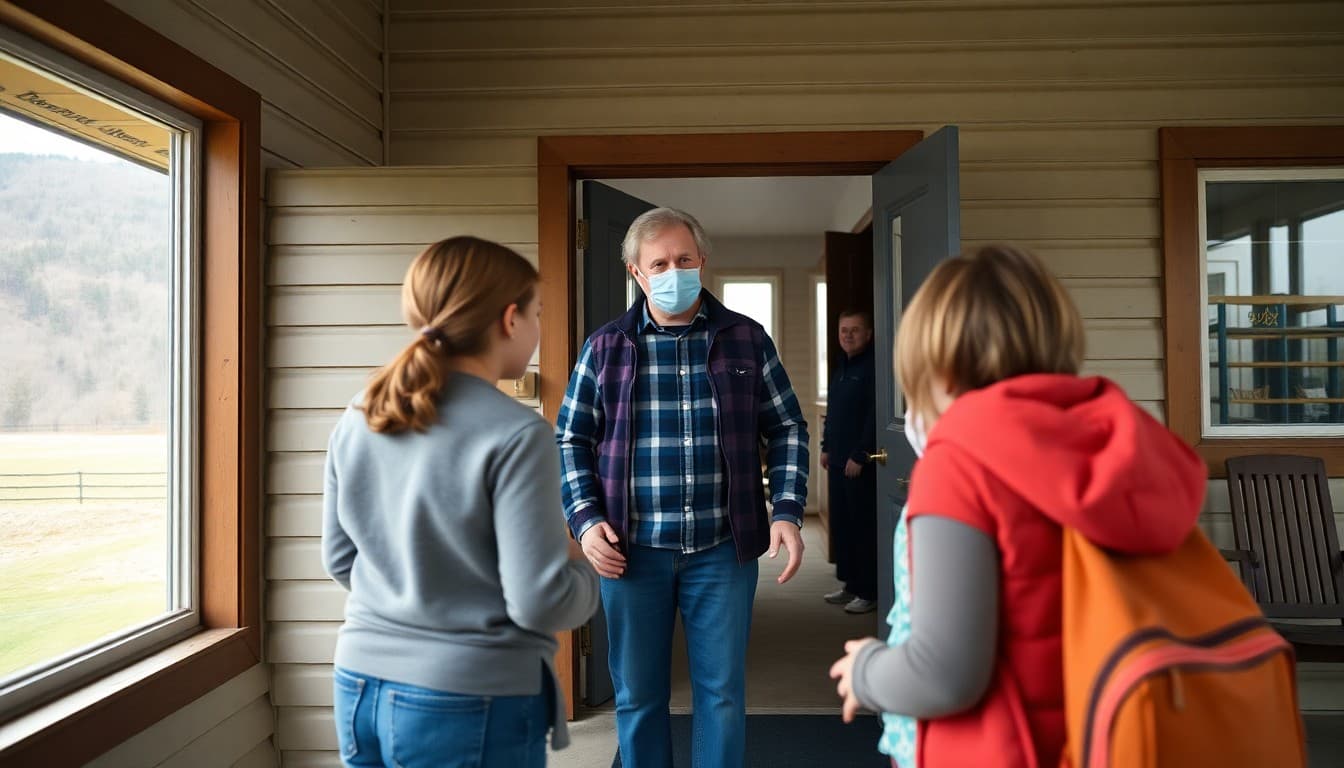
Cameron, Sullivan, Tioga, and Potter counties are among the least populous in the state. Communities like Emporium, Laporte, and Coudersport are small enough that the school principal knows most families by name. Paper newsletters and phone calls are often more reliable than email for reaching the most isolated families. Community networks through churches, volunteer fire companies, and local gathering places are the real communication infrastructure. The newsletter works best as a complement to these networks.
Coal Region: Post-Industrial Identity and Economic Hardship
The anthracite coal counties of Schuylkill, Carbon, and northern Luzerne have been in economic decline for generations. Communities have strong local identity built around mining history and ethnic heritage. The newsletter that acknowledges this identity, rather than treating the community as a generic underserved population, builds trust faster. Economic hardship resource information, food assistance, utility help, and workforce development referrals, belongs in every issue.
Southwestern Appalachian Communities: Mental Health and Family Stability
Fayette, Greene, and Somerset counties in southwestern Pennsylvania share Appalachian economic and social challenges with neighboring West Virginia. Opioid recovery and family instability affect school enrollment patterns. Communication systems need multiple contact points per student and content that reaches grandparent and relative caregivers. Mental health resource information and family support service referrals should appear in newsletters regularly.
Winter Weather Communication
Pennsylvania rural schools, particularly in the northern tier and southwestern mountains, deal with significant winter weather. School closures for snow and ice are common. The communication protocol should be established in the first newsletter: which channels are used, what time decisions are announced, and what families should do if they do not receive the first notification.
Food and Resource Communication Across Regions
Pennsylvania rural counties have significant food insecurity in all three of these regions. Free meal program information, school pantry access, and community food bank locations should appear in newsletters consistently. Write these items simply and without stigma language.
Title I Documentation in Small Districts
Pennsylvania rural Title I schools distribute parent involvement policies and school-parent compacts annually. For small northern tier districts with limited administrative staff, having these as newsletter template sections reduces the compliance burden. Daystage tracks which families have opened which communications.
Community Posting for Families Without Digital Access
In northern tier communities, the general store, the diner, the volunteer fire company, and the county library are the gathering points. In Coal Region communities, the parish hall and the union hall have historically served this function. Posting newsletters at these locations extends reach to families who are not checking email.
Pennsylvania rural educators who design communication for their community's specific economic, historical, and connectivity context build stronger family engagement than those using approaches designed for more connected, more affluent communities.
Get one newsletter idea every week.
Free. For teachers. No spam.
Frequently asked questions
What communication challenges are specific to Pennsylvania rural schools?
The northern tier counties of Cameron, Sullivan, and Clinton are among the least populated in the state with limited broadband. The Coal Region in Schuylkill, Carbon, and Luzerne counties has post-industrial poverty. Southwestern Pennsylvania Appalachian communities are navigating economic transition similar to neighboring West Virginia. Each region has different family communication needs.
How should Pennsylvania northern tier school educators approach family communication?
Northern tier communities have strong local identity and limited connectivity. Paper newsletters sent home with students are the most reliable channel for families in these areas. Communities like Emporium and Renovo have small but tight-knit populations where word of mouth through community networks supplements the newsletter.
How do Pennsylvania rural schools serve families affected by the opioid crisis?
Pennsylvania's rural counties, particularly in the northeast and southwest, have been significantly affected by opioid use disorder. Schools serve students who may be in grandparent or relative caregiver households. Communication systems need multiple contact options per student. Mental health resource information should appear in newsletters consistently and without judgment.
What digital access challenges do Pennsylvania rural educators face?
Pennsylvania's northern tier and some Appalachian southwestern counties have significant broadband gaps. The state has active rural broadband expansion programs, but coverage remains uneven. Paper newsletters remain essential for the most isolated communities.
What newsletter tool works for Pennsylvania rural schools with limited staff and connectivity?
Daystage lets Pennsylvania rural educators send newsletters quickly and track which families are engaging with communications. Schools use it alongside paper distribution systems and to document Title I family engagement requirements.

Adi Ackerman
Author
Adi Ackerman is a former classroom teacher and curriculum writer with 8 years in K-8 schools. She writes about school communication, parent engagement, and what actually works in real classrooms.
More for Rural & Title I
Pennsylvania Rural School Newsletter Guide for Appalachian and Northern Tier Communities
Rural & Title I · 6 min read
Title I School Family Communication in Pennsylvania
Rural & Title I · 6 min read
Rural School Mental Health Newsletter: Communicating Limited Resources and Creative Solutions
Rural & Title I · 7 min read
Ready to send your first newsletter?
3 newsletters free. No credit card. First one ready in under 5 minutes.
Get started free