
Missouri Rural School Newsletter Guide for Ozarks and Bootheel Communities
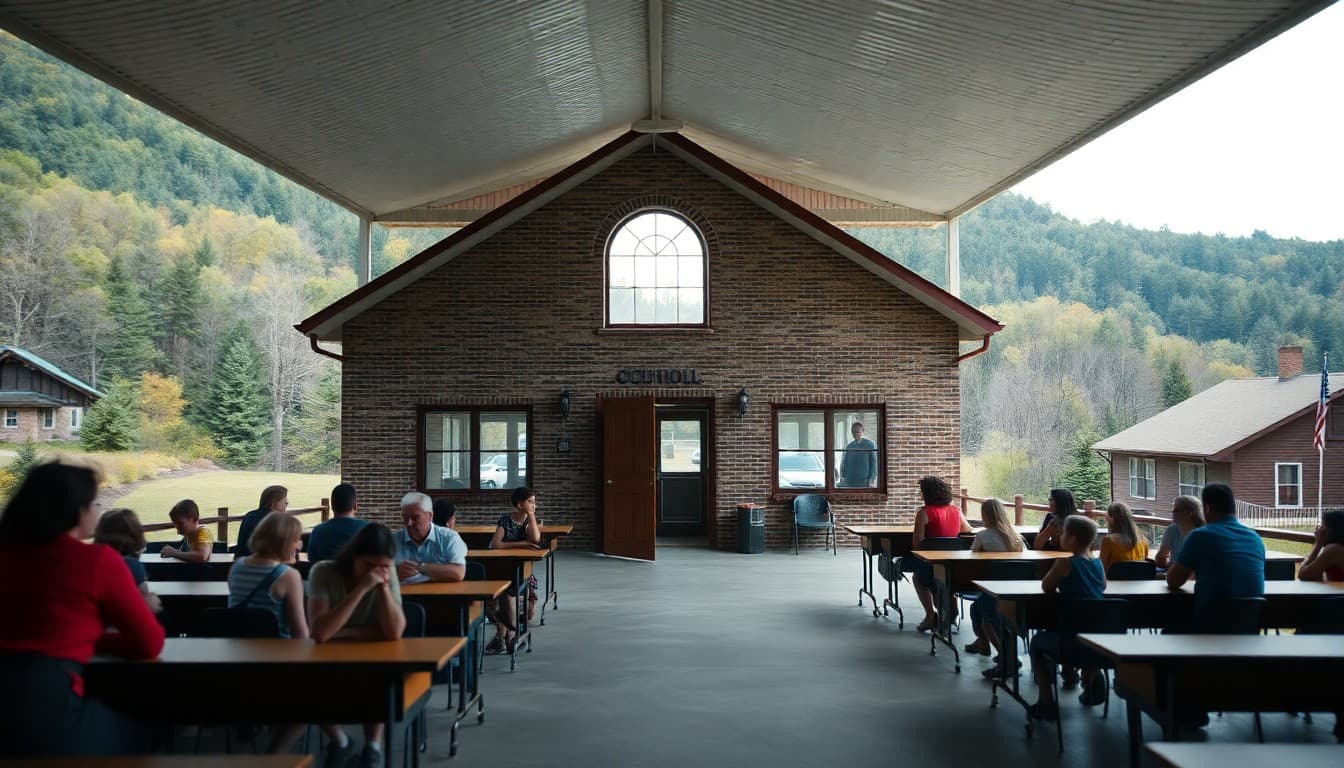
A principal in Pemiscot County in the Missouri Bootheel has a parent meeting attendance rate that most rural schools would envy. Her secret: every newsletter for the two weeks before a meeting includes a specific sentence about childcare availability, the meal being served, and the one concrete decision families will help make. She writes the meeting as a service to families, not a requirement of families. Attendance follows.
Missouri's Rural School Communication Landscape
Missouri has two distinct rural poverty regions with different characters but similar communication challenges. The Ozarks, covering the southern and south-central part of the state, is mountainous, forested, and isolated, with communities shaped by small-scale farming, timber, and more recently, manufacturing. The Bootheel in the southeast is flat Delta agricultural land with cotton and rice farming and persistent poverty comparable to neighboring Tennessee and Arkansas.
Ozarks Schools: Geography and Broadband Constraints
Shannon, Ozark, and Carter counties in the Ozarks have terrain that makes broadband infrastructure expensive to deploy. Many valleys still have no fixed broadband service. Families rely on mobile hotspots or satellite internet with data caps. Plain-text email newsletters under 10KB are the only digital format that works reliably. Printed copies distributed through the school, the local Dollar General, and the county health department cover families who are entirely offline.
Bootheel Schools: Delta Poverty and Agricultural Schedules
Pemiscot and New Madrid counties in the Bootheel have cotton, soybean, and rice farming with agricultural schedules that affect family availability from spring planting through fall harvest. Many families in these communities are low-wage agricultural or manufacturing workers with limited flexibility for school involvement. A newsletter that arrives consistently, is brief enough to read in two minutes, and leads with resource information rather than event invitations reflects the real priorities of Bootheel families.
What Every Missouri Rural School Newsletter Should Include
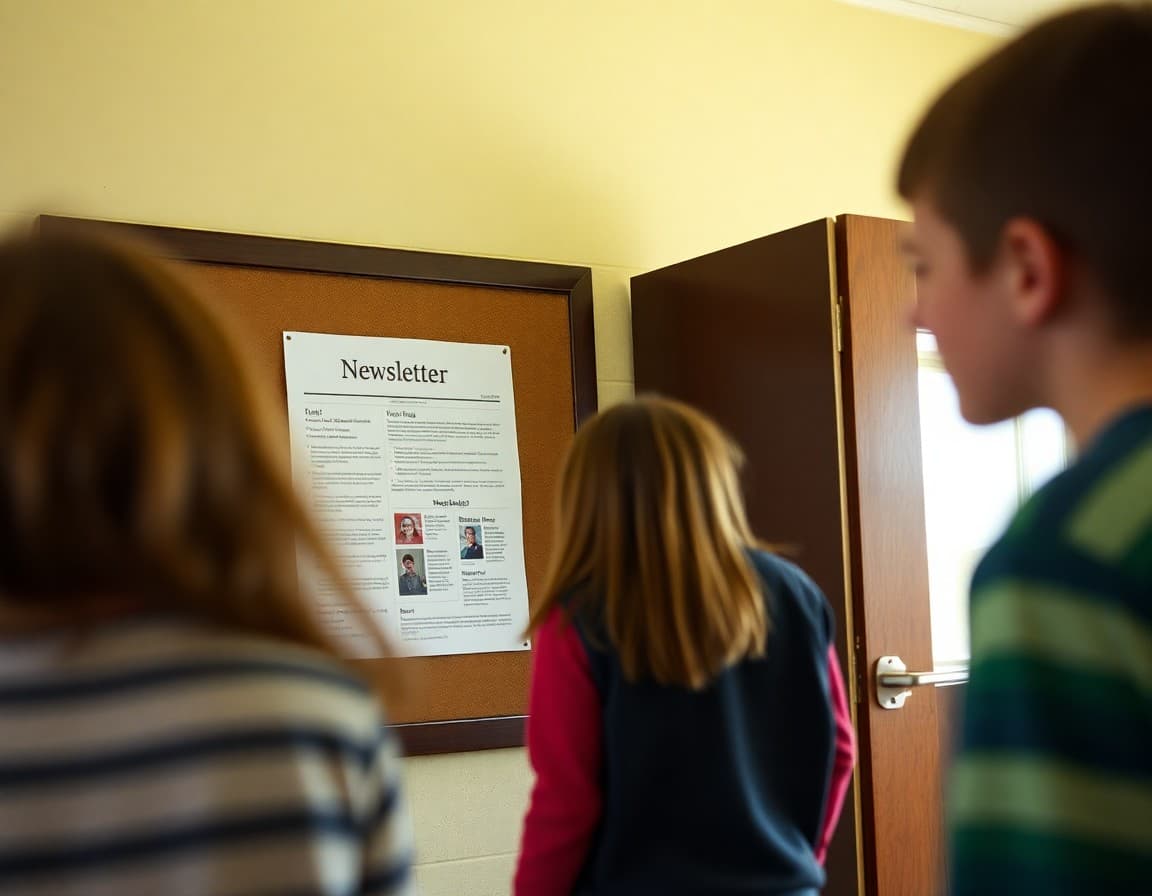
Five items per issue: food security resources and meal information first, then key dates, one Title I program notice, schedule changes, and a student recognition. For Bootheel schools, the resource information section is not optional. For Ozarks schools, include winter weather procedures from November through March. Keep total reading time under three minutes.
Food Security Communication
Missouri's Bootheel and Ozarks counties have food insecurity rates well above the national average. Newsletters that put free meal information, pantry schedules, and summer food site locations where families can find them immediately serve the community's actual needs. Write it directly: "Free breakfast at 7:15. Food pantry open Wednesdays at 3 PM. All families welcome."
Title I Requirements and the Newsletter
Missouri Title I schools must distribute their parent engagement policy, school-parent compact, and annual report. Quarterly newsletter inserts with a plain-language summary and a contact number cover the requirement. For Bootheel communities with lower adult literacy rates, keeping summaries at a 5th-grade reading level or below makes the information accessible. Daystage lets you save these as template blocks and insert them quarterly.
Building Family Trust Through the Newsletter
Ozarks and Bootheel communities have historical wariness of institutional authority that shows up as low school involvement rates when communication feels top-down. A newsletter written in direct, respectful language that treats families as partners rather than audiences builds the kind of trust that shows up in Title I meeting attendance, signed permission slips, and returned surveys. That trust does not come from a single issue. It comes from consistent, honest communication week after week.
Community Distribution Points
In the Ozarks, local churches, the general store, and the feed supply store are gathering points where posted newsletters reach families who are not online. In the Bootheel, historically Black churches, the county extension office, and the local health clinic serve the same function. Building a printed distribution network through these institutions costs almost nothing and reaches families that digital delivery cannot.
Missouri rural schools that build newsletters grounded in their community's real conditions reach families who would otherwise feel disconnected from the school. The newsletter is the weekly proof that the school is paying attention to the community it serves.
Get one newsletter idea every week.
Free. For teachers. No spam.
Frequently asked questions
What communication challenges are specific to Missouri rural schools?
Missouri's Ozarks region has significant broadband gaps, geographic isolation in hollows and valleys, and communities with long histories of poverty. The Bootheel in the southeast corner of the state is an extension of the Mississippi Delta with similar high-poverty and limited-broadband conditions. Both contexts require newsletters designed for real-world access constraints.
How does the Ozarks geography affect school communication?
Ozarks valleys and hollows limit cell coverage. Many families rely on satellite internet or no home internet. A plain-text email newsletter that loads on any connection, combined with printed copies for offline families, is the appropriate standard for most Ozarks schools.
How do Missouri Bootheel schools compare to Mississippi Delta schools in communication needs?
The Bootheel counties of New Madrid, Pemiscot, and Dunklin have poverty rates and broadband gaps comparable to the Mississippi Delta. The same two-track newsletter system, digital plus printed, applies here. Resource information should appear prominently in the newsletter given the community's high food insecurity rates.
What content is most important for Missouri rural families?
Free meal information, Title I program availability, state assessment schedules, and bus route changes are the highest priority. For Ozarks and Bootheel communities with high poverty, food pantry and community resource information belongs near the top of every issue.
What newsletter tool works for Missouri rural schools?
Daystage delivers lightweight school newsletters and provides open-rate analytics so teachers can identify which families need printed copies or phone follow-up.

Adi Ackerman
Author
Adi Ackerman is a former classroom teacher and curriculum writer with 8 years in K-8 schools. She writes about school communication, parent engagement, and what actually works in real classrooms.
More for Rural & Title I
Rural School Newsletter Guide: Communication Strategies for Small and Remote Schools
Rural & Title I · 7 min read
Title I Parent Engagement Newsletter: Meeting Federal Requirements While Building Real Connections
Rural & Title I · 8 min read
How Rural Schools Can Address Food Insecurity Through the School Newsletter
Rural & Title I · 5 min read
Ready to send your first newsletter?
3 newsletters free. No credit card. First one ready in under 5 minutes.
Get started free