

Rural School Communication Strategies for Montana Educators
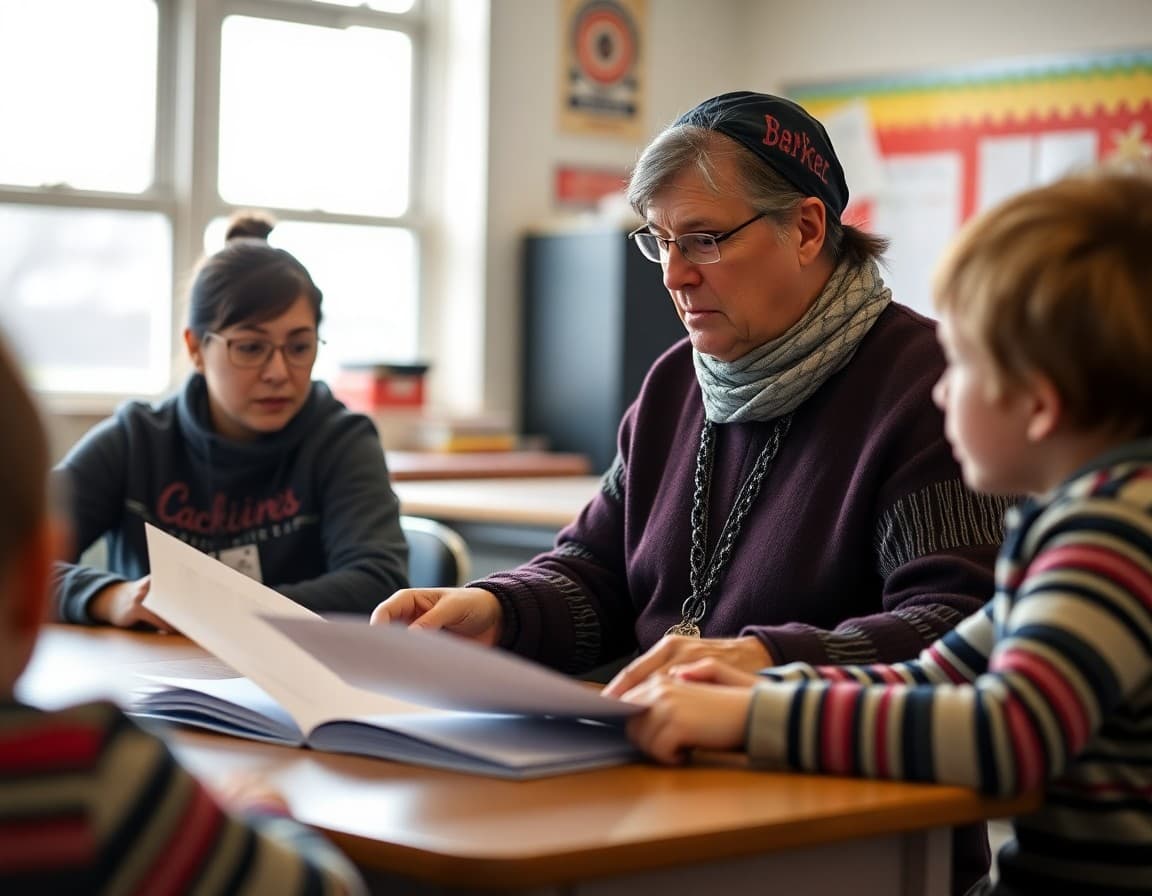
Montana is the fourth-largest state in the country and has fewer than a million residents. School districts here sometimes cover more land than entire eastern states. The communication challenges for Montana rural educators are not variations on standard rural school challenges. In some cases, they are genuinely without parallel in the rest of the country.
Tribal Schools: Seven Nations, Seven Contexts
Montana has seven federally recognized tribes including the Blackfeet Nation, Crow Nation, Fort Peck Reservation tribes, and the Confederated Salish and Kootenai Tribes. Each has distinct communication traditions, language, and community governance structures. Schools serving these communities operate in a context of tribal sovereignty. Working through tribal education offices for communication design, distribution, and cultural review is standard practice for effective engagement. A newsletter that carries a Blackfeet or Crow language greeting acknowledges community identity in a meaningful way.
Ranch Communities: Distance, Isolation, and Phone First
Ranch families in counties like Petroleum, Carter, and Garfield may be 50 or more miles from school and may see other families only at school events. Email is checked less frequently than in more connected areas. Phone communication is often more reliable for urgent matters. Paper newsletters sent home with students are the most consistent information channel. A short recorded phone message on the same day as the newsletter covers families who do not check email for days at a time.
Winter Road Closures and Weather Communication
Montana winters can close roads for days. Blizzards in the high plains can make travel genuinely dangerous. The school weather communication protocol needs to be established before the first storm and communicated in the first newsletter of the year: which channels are used, what time decisions are announced, and what families on extremely remote roads should do when they cannot safely travel. This is not a minor logistics detail in Montana. It is a safety issue.
Agricultural Seasonal Schedules
Grain farming in north-central Montana, cattle ranching across the state, and sugar beet harvesting in the Yellowstone and Missouri River valleys create seasonal work schedules that affect family availability. School meetings during fall harvest are poorly attended. Newsletters sent during these periods should be shorter and focused on essential information. A school that acknowledges the harvest schedule builds credibility with agricultural families.
Food Resource Communication on Reservations
Montana reservation communities have significant food insecurity. Free meal program information, commodity food distribution schedules, and community food resource information should appear in newsletters for reservation school communities. Write these simply and without stigma. These resources are part of the community infrastructure.
Title I Documentation in Tribal and Agricultural Districts
Montana Title I schools, including tribal schools funded under federal Indian education programs, must communicate parent involvement policies to families. The newsletter is the delivery vehicle. Daystage tracks which families have opened which communications, providing documentation for federal program reviews.
Paper Distribution at the Grain Elevator and the Trading Post
In ranch and farming communities, the grain elevator, the hardware store, and the post office are the gathering points. In reservation communities, the tribal convenience store and the community center serve the same function. Posting newsletters at these locations extends reach to families who are not checking email. In Montana's most isolated communities, this 20-minute posting run is often the highest-impact communication investment a school can make.
Montana rural educators who design communication for their community's actual geographic, seasonal, and cultural conditions build stronger family engagement than those using systems designed for more connected environments. The newsletter is the visible commitment to that design.
Get one newsletter idea every week.
Free. For teachers. No spam.
Frequently asked questions
What communication challenges are specific to Montana rural schools?
Montana has the third-lowest population density in the country. School districts cover hundreds of square miles. Seven federally recognized tribes have schools on reservation lands with tribal sovereignty and distinct communication needs. Winter conditions regularly close roads and cut off communities. Broadband is limited across most of the state.
How should Montana tribal school educators approach family communication?
Reservation communities of the Blackfeet, Crow, Fort Peck Assiniboine and Sioux, and other Montana tribes operate under tribal sovereignty. Schools serving these communities work with tribal education departments for communication design. Native language greetings or content acknowledges community identity. Oral tradition and community networks are the primary information channels in many tribal communities.
How do Montana ranch community schools communicate with families spread across vast distances?
A ranch family may be 40 or 60 miles from school, accessible by roads that become impassable in winter. Phone communication is often more reliable than email for these families. A combination of the school newsletter and phone calls for urgent matters is the most effective system. Paper newsletters sent home with students are the most reliable for routine information.
What digital access barriers do Montana rural educators face?
Montana ranks among the lowest states in rural broadband coverage. Cell service drops in valleys and on reservation lands. Satellite internet is expensive and weather-sensitive. Paper is often the primary communication channel for rural Montana families. Newsletters need to be small, fast-loading, and backed by a paper system.
What newsletter tool works for Montana rural schools with extreme geographic constraints?
Daystage lets Montana rural educators send lightweight newsletters and track which families are engaging with communications. Schools use it alongside paper distribution to reach families regardless of their digital access. The platform works on mobile connections for families who use cellular as their primary internet.

Adi Ackerman
Author
Adi Ackerman is a former classroom teacher and curriculum writer with 8 years in K-8 schools. She writes about school communication, parent engagement, and what actually works in real classrooms.
More for Rural & Title I
Ready to send your first newsletter?
3 newsletters free. No credit card. First one ready in under 5 minutes.
Get started free