
North Carolina Rural School Newsletter Guide for Mountain and Eastern Plains Communities
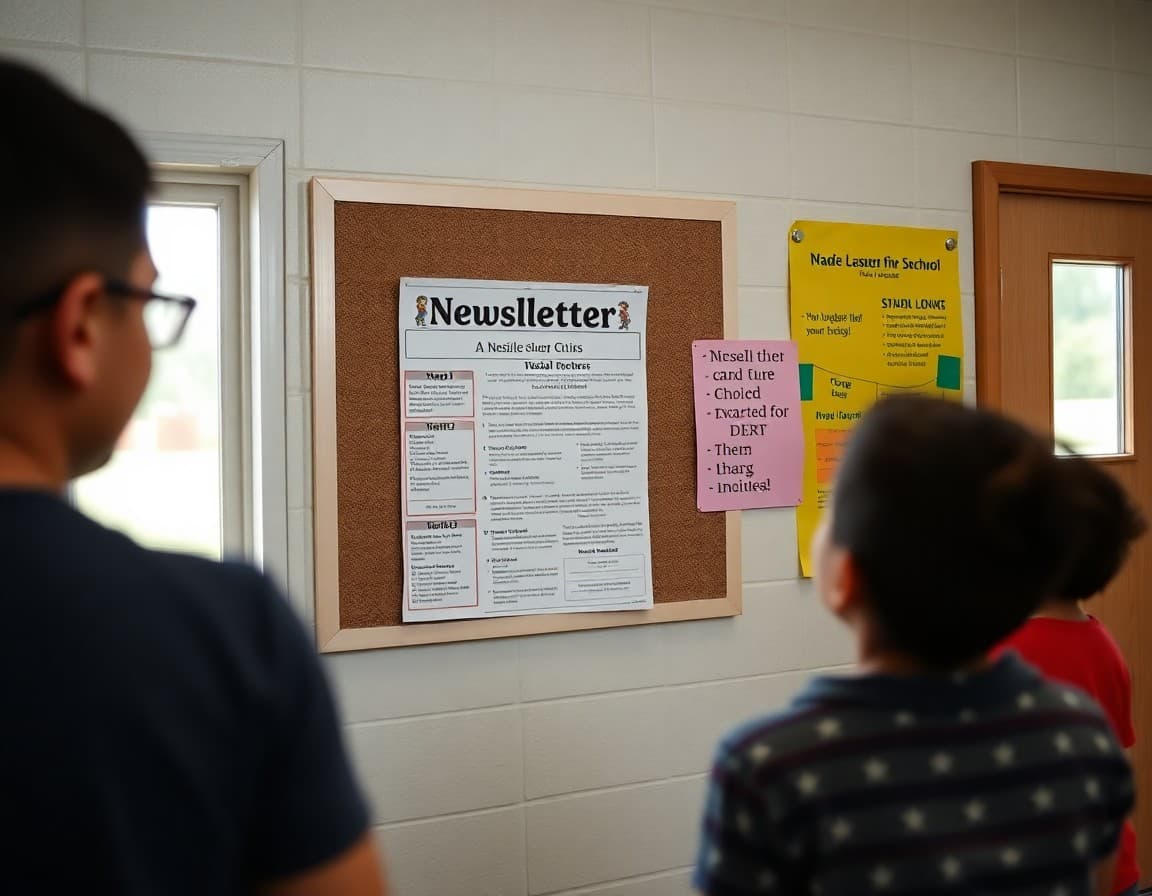
A teacher in Duplin County, NC, which processes more turkeys and hogs than almost any county in the country, writes her newsletter in Spanish first and English second. Her families work at Smithfield and House of Raeford. They speak Spanish at home. They live in North Carolina but their networks, their language, and their daily lives are primarily Spanish. The newsletter that works in Duplin County sounds like it was written for the families who live there.
North Carolina's Rural School Communication Landscape
North Carolina has three distinct rural regions with different communication challenges. The western mountains, from Asheville through Graham and Clay counties, have geographic isolation and limited broadband. The Eastern Plains, from the Coastal Plain through the Piedmont, have large agricultural and food processing industries with significant Hispanic workforces and historically Black rural communities. The Cherokee Qualla Boundary in the southwest serves the Eastern Band of Cherokee Indians with a distinct cultural and governance context.
Eastern Plains: Hispanic Farmworker and Processing Communities
Duplin, Sampson, Wayne, and Lee counties have among the highest concentrations of Hispanic residents in North Carolina. Poultry, hog, and tobacco industries employ large numbers of Spanish-speaking families. A bilingual newsletter is not an accommodation in these communities. It is the appropriate institutional standard. Schools that have shifted to Spanish-first communication consistently report better parent meeting attendance, higher Title I engagement, and fewer missed enrollment deadlines from Spanish-speaking families.
Mountain Schools: Broadband Gaps and Geographic Isolation
Graham County is consistently among the least-connected counties in North Carolina. Appalachian communities from Murphy to Robbinsville have terrain that makes broadband infrastructure expensive. Families in valleys and on ridges rely on mobile data or no home internet. Plain-text email newsletters that load on any connection, combined with printed copies for offline families, is the appropriate standard. The school, the local Dollar General, and the county library are distribution points that cover most families.
Cherokee Nation Schools: Cultural Context
The Eastern Band of Cherokee Indians has its own tribal government and educational system. Schools serving Cherokee students that acknowledge the tribe's calendar, cultural events, and language preservation programs in the newsletter build community trust alongside institutional communication. The Cherokee language has an active revitalization program; including even a greeting in Cherokee signals respect for the community's linguistic identity.
What Every North Carolina Rural School Newsletter Should Include
Five items per issue: key dates, meal program information, one Title I resource notice, schedule changes, and a student or community recognition. For Eastern Plains schools, include Spanish version as standard. For mountain schools, add winter weather closure protocol from October through March. For Cherokee nation-adjacent schools, include cultural calendar acknowledgments. Keep total reading time under three minutes.
Food Security in North Carolina Rural Communities
North Carolina's rural food insecurity is concentrated in Eastern Plains counties and mountain communities. Many agricultural worker families have low and irregular income. Newsletters that communicate free meal availability plainly give families the information they need: "Free breakfast at 7:15. Free lunch. No form required." In Spanish: include the translated version in every bilingual newsletter.
Title I Requirements and the Newsletter
North Carolina Title I schools must distribute their parent engagement policy, school-parent compact, and annual Title I report. For schools with large EL populations, translated versions are required. The newsletter handles this efficiently. Quarterly inserts in English and Spanish for Eastern Plains schools cover the requirement. Daystage makes it easy to add these as reusable template blocks.
North Carolina rural schools that build newsletters calibrated to their specific community, bilingual for the Eastern Plains, plain-text for the mountains, culturally aware for Cherokee communities, build the family trust that drives better attendance, stronger Title I participation, and improved outcomes for all students.
Get one newsletter idea every week.
Free. For teachers. No spam.
Frequently asked questions
What communication challenges are specific to North Carolina rural schools?
NC's mountain counties, including Graham, Clay, and Cherokee, have geographic isolation and limited broadband. Eastern Plains counties have large Hispanic farmworker populations and historically Black communities with high poverty rates. The Eastern Band of Cherokee Indians has tribal schools with distinct cultural communication needs. Each region requires a different approach.
How should Eastern Plains NC schools handle Spanish-speaking families?
Duplin, Sampson, and Lee counties have significant Hispanic populations working in poultry processing and agriculture. A bilingual newsletter or Spanish summary is essential. For Title I rights and enrollment notices, full Spanish translation is legally required.
How do NC mountain schools handle broadband gaps?
Graham County, the least connected county in North Carolina, has very limited broadband coverage. Plain-text email newsletters paired with printed copies for offline families is the standard approach. Community distribution through local stores, churches, and the county library extends printed reach.
What content is most important for North Carolina rural families?
Meal program information, Title I tutoring availability, EOG and EOC testing schedules, and bus route changes are highest priority. For Eastern Plains agricultural communities, harvest season acknowledgment reduces attendance friction.
What newsletter tool works for NC rural schools?
Daystage delivers lightweight newsletters and tracks open rates. For North Carolina's diverse rural schools, the analytics identify which families need bilingual outreach or printed backup distribution.

Adi Ackerman
Author
Adi Ackerman is a former classroom teacher and curriculum writer with 8 years in K-8 schools. She writes about school communication, parent engagement, and what actually works in real classrooms.
More for Rural & Title I
Rural School Newsletter Guide: Communication Strategies for Small and Remote Schools
Rural & Title I · 7 min read
Rural School Bilingual Family Newsletter: How Schools Communicate Across Language Barriers
Rural & Title I · 5 min read
Title I Parent Engagement Newsletter: Meeting Federal Requirements While Building Real Connections
Rural & Title I · 8 min read
Ready to send your first newsletter?
3 newsletters free. No credit card. First one ready in under 5 minutes.
Get started free