
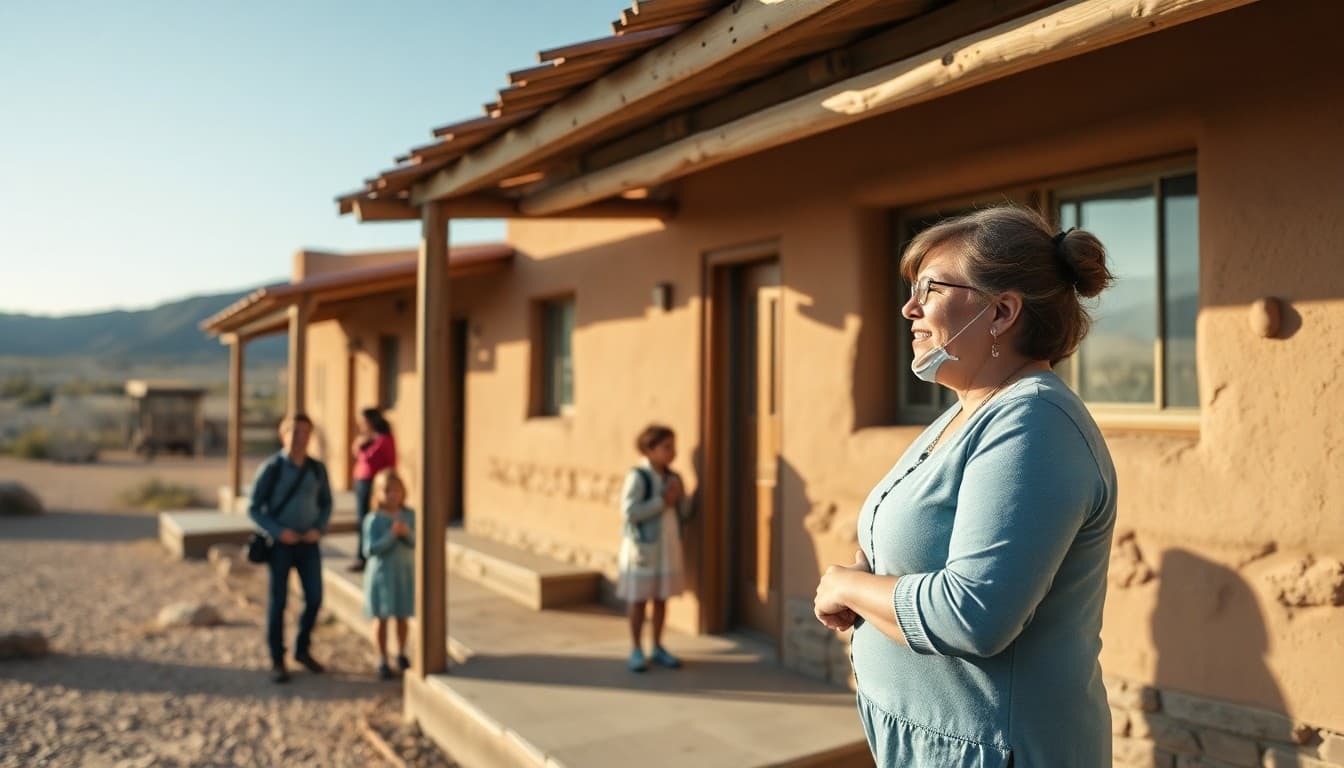
Rural School Communication Strategies for New Mexico Educators
New Mexico has the highest percentage of Hispanic residents and the highest percentage of Native American residents of any state in the continental United States. Its rural school communities include Pueblo nations, the Navajo Nation, isolated ranching communities, and Rio Grande valley towns where Spanish has been spoken for 400 years. Effective communication requires understanding which New Mexico you are actually in.
Pueblo Nations: Community Governance and Communication
New Mexico's 19 pueblos each have their own governance structures, cultural protocols, and communication traditions. A school serving Zuni students communicates differently than one serving Acoma or Isleta families. Working with the pueblo governor's office and tribal education departments for communication design is the approach that builds genuine trust. The school that positions itself as a partner with the pueblo, rather than an institution operating within it, sees better family engagement.
Navajo Nation: Connectivity and Scale
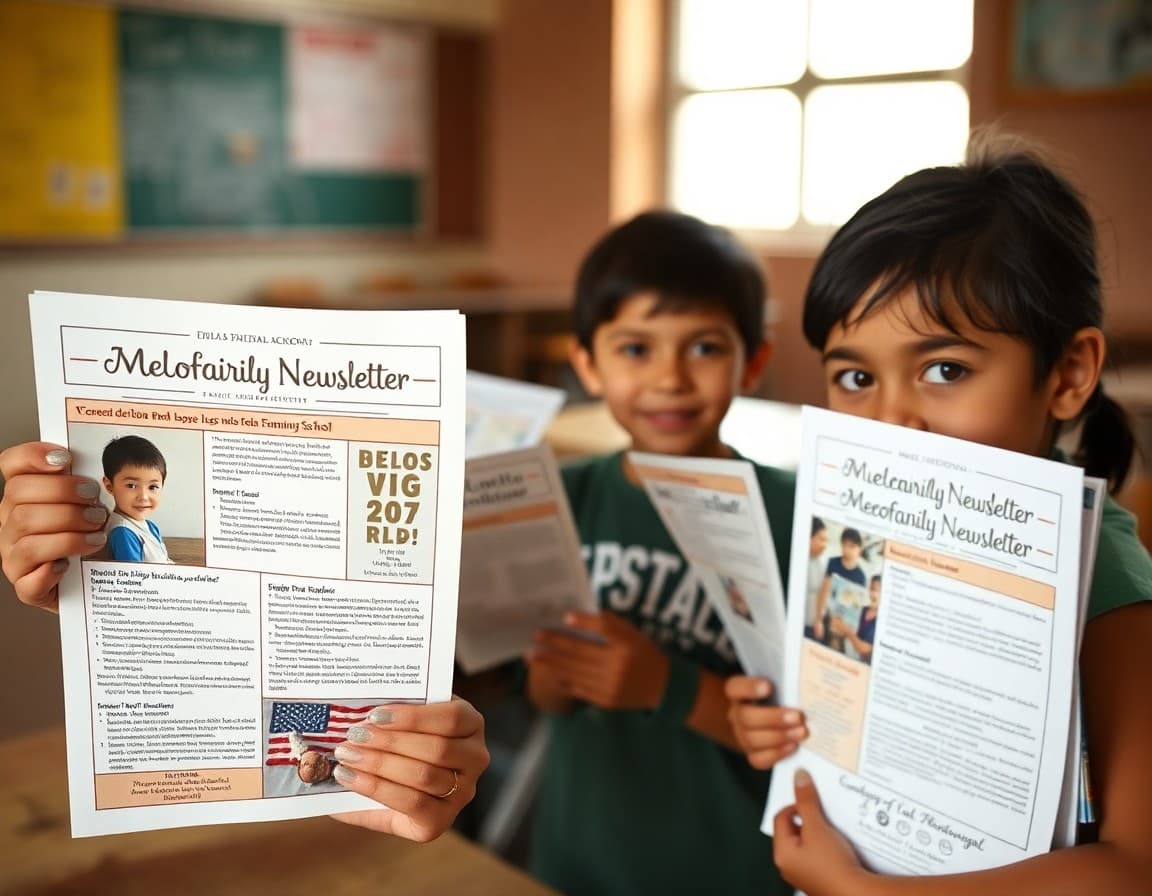
New Mexico's portion of the Navajo Nation includes communities with limited or no broadband and significant cellular coverage gaps. Satellite internet is expensive. Paper newsletters are the primary channel. These communities also have strong communication networks through chapter house meetings, extended family networks, and radio. The school that understands and works with these networks reaches more families than one that relies exclusively on digital channels.
Spanish-Speaking Rio Grande Valley Communities
Communities along the Rio Grande from Taos to Las Cruces have families for whom Spanish is not a second language. It is the language of home, of elders, and of community history that predates the state itself. Spanish newsletters in these communities are not an accommodation. They are a basic expectation. A school that communicates in English only is communicating to part of its community.
Eastern Plains: Ranch Communities and Distance
The eastern New Mexico plains, counties like Quay, DeBaca, and Roosevelt, have ranch and farming families spread across vast distances. Cell service can drop in ranch valleys. Home broadband is limited. Paper newsletters sent home with students and a phone call system for urgent updates are the most reliable communication channels.
Poverty and Resource Communication
New Mexico has among the highest child poverty rates in the country. Free meal program information, food pantry access, school supply assistance, and community resource referrals belong in every newsletter. Write these items simply and without stigma language. Present them as a normal part of school services, because in many New Mexico communities, they are.
Title I Requirements Across High-Need Districts
New Mexico has a very high concentration of Title I schools. Annual distribution of parent involvement policies and school-parent compacts is required. The newsletter is the primary delivery vehicle. Daystage tracks which families have opened which communications.
Desert Weather and Emergency Communication
New Mexico rural communities deal with flash floods, extreme heat days, and dust storms that can affect school operations. The communication protocol for weather-related closures should be established at the start of the year and reinforced in the first newsletter. Families who know the protocol before they need it respond better when conditions change.
New Mexico rural educators who design communication that honors the state's tribal sovereignty, linguistic diversity, and genuine connectivity limitations build stronger family engagement and better Title I outcomes than those who apply a standard rural school approach to a context that is anything but standard.
Get one newsletter idea every week.
Free. For teachers. No spam.
Frequently asked questions
What communication challenges are specific to New Mexico rural schools?
New Mexico has 23 federally recognized tribes and pueblos, each with distinct communication traditions. Large portions of the Navajo Nation extend into New Mexico with extremely limited broadband. The state has the highest percentage of Hispanic residents in the country, with many rural communities where Spanish is the primary home language. Poverty rates are among the highest in the nation.
How should New Mexico pueblo and tribal school educators approach family communication?
Pueblo communities like Zuni, Acoma, and the Rio Grande pueblos have distinct governance structures and communication traditions. Schools serving these communities work with pueblo governors and tribal education offices. Communication through community gathering places, the pueblo's own announcement systems, and trusted community leaders reaches families more effectively than standard institutional channels.
How do New Mexico rural schools reach Spanish-speaking families?
New Mexico's Hispanic communities have been in the region for centuries. For many families, Spanish is not a second language. It is the language of home and community. Spanish newsletters or bilingual newsletters are the baseline for inclusive communication in most rural New Mexico communities. This is not accommodation for an edge case. It is standard practice.
What digital access barriers do New Mexico rural educators face?
New Mexico consistently ranks at or near the bottom in rural broadband coverage. The Navajo Nation's portion of New Mexico has extremely limited connectivity. Remote ranch communities in the eastern plains have spotty cell service. Paper newsletters are the primary channel for most rural New Mexico families.
What newsletter tool supports New Mexico rural school communication across language and connectivity barriers?
Daystage lets New Mexico rural educators send bilingual newsletters that load on limited connections and track which families are engaging. Schools use it alongside paper distribution systems to reach families across the digital access gap.

Adi Ackerman
Author
Adi Ackerman is a former classroom teacher and curriculum writer with 8 years in K-8 schools. She writes about school communication, parent engagement, and what actually works in real classrooms.
More for Rural & Title I
Ready to send your first newsletter?
3 newsletters free. No credit card. First one ready in under 5 minutes.
Get started free