
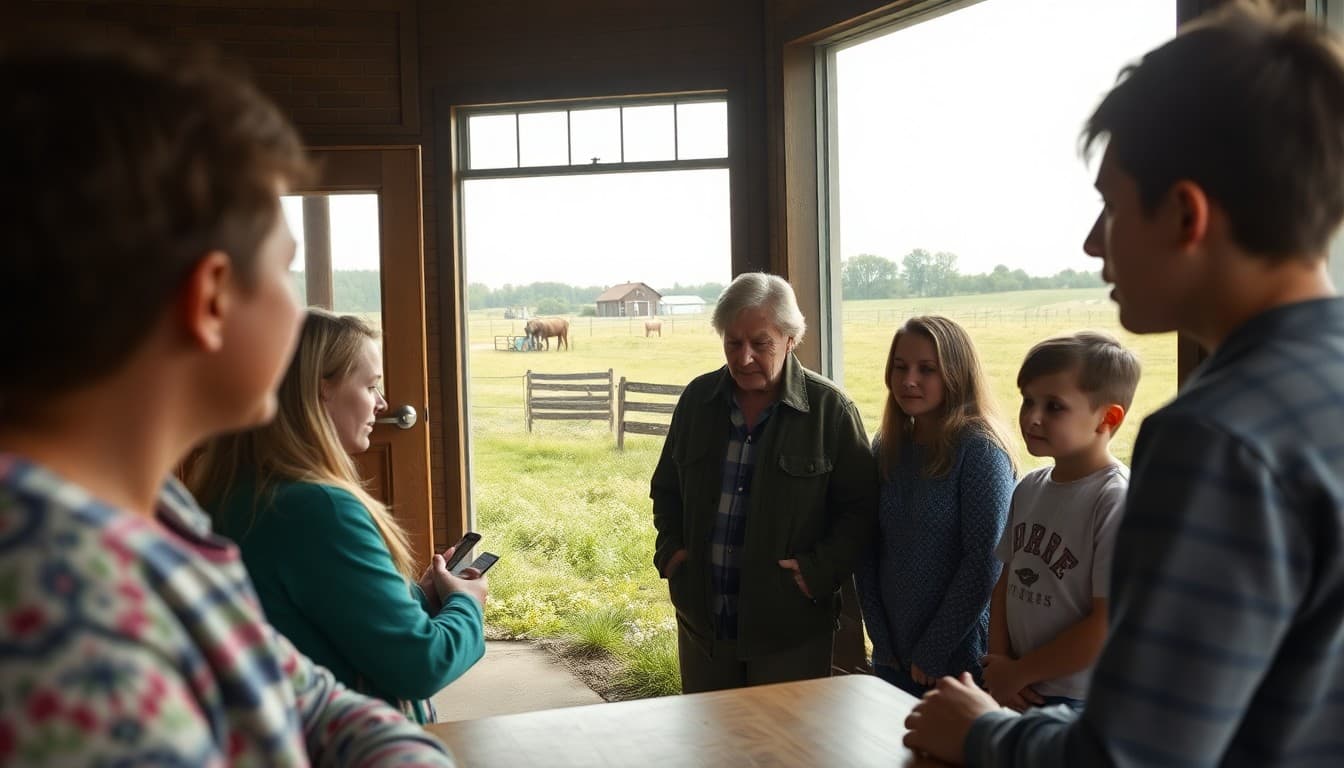
Rural School Communication Strategies for New Jersey Educators

When people think of New Jersey education, they think of suburban districts with high property values and well-funded schools. What they miss is the south Jersey farmland, the impoverished urban-rural communities along the Delaware River, and the agricultural counties that are as rural as anything in the Deep South. Schools in these communities face communication challenges that their suburban counterparts do not.
Cumberland County: Agriculture, Poverty, and Language Access
Cumberland County is consistently among New Jersey's poorest counties. Bridgeton has had some of the highest poverty rates of any small city in the Northeast. Agricultural communities in the county's rural areas serve significant Spanish-speaking populations. English-only newsletters in these communities exclude a major portion of the family population. Spanish newsletters or bilingual summaries are the standard for schools that want to genuinely reach all families.
Salem County: Produce Farming and Migrant Families
Salem County's tomato, pepper, and asparagus farming brings migrant workers and their families during the summer and fall. Schools serving these families need clear communication about enrollment rights, McKinney-Vento transportation protections for students experiencing housing instability, and Title I services available to them. Migrant family liaisons through the state migrant education program are the best resource for managing this outreach.
Sussex County: Rural Poverty in a High-Income State
Sussex County in northwest New Jersey has communities that feel disconnected from the wealth of the broader state. Limited public transportation, limited broadband in some areas, and economic inequality create communication barriers that are often invisible in the state's education conversations. The school newsletter that acknowledges limited transportation access, that communicates resource information without assuming families have access to the broader New Jersey service network, serves these families better.
Keep Newsletters Short for Working Families
Agricultural worker families in south Jersey work long hours, often in physically demanding conditions. A parent who has been in the fields since 6 AM does not have time for a four-page newsletter at 8 PM. Three to five items per issue, clearly labeled, in both English and Spanish, is the format that works. The most important information first. Contact information always visible.
Food and Resource Communication
Cumberland and Salem county schools have high rates of free and reduced lunch program participation. The newsletter should consistently include meal program information, school pantry access, and community resource referrals. Write these items simply and without language that implies families should feel ashamed for needing support.
Title I Documentation in Under-Resourced Districts
New Jersey Title I schools in rural counties distribute parent involvement policies and school-parent compacts annually. For districts with limited administrative staff, having these as reusable newsletter template sections reduces the compliance burden. Daystage tracks which families have opened which communications.
Community Distribution in Agricultural Communities
For families without reliable digital access, posting newsletters at Catholic churches that serve Spanish-speaking congregations, at the food bank distribution site, and at community health clinics extends reach. In south Jersey agricultural communities, these are the gathering points for families who do not check email consistently.
New Jersey rural educators who design communication for their community's actual language, poverty, and connectivity conditions build the kind of family engagement that Title I compliance requires and that students in these communities deserve.
Get one newsletter idea every week.
Free. For teachers. No spam.
Frequently asked questions
What communication challenges are specific to New Jersey rural schools?
New Jersey's rural communities are concentrated in Cumberland, Salem, and Sussex counties. Cumberland and Salem have significant Spanish-speaking agricultural worker populations in tomato, pepper, and other produce farming communities. These are some of the poorest communities in the state and have limited access to the resources that urban New Jersey districts have.
How should New Jersey rural schools communicate with Spanish-speaking agricultural families?
Cumberland County communities like Vineland, Bridgeton, and Millville have large Spanish-speaking populations. Spanish newsletters or bilingual summaries are the baseline for inclusive communication. Many families are long-established New Jersey residents. Others are seasonal agricultural workers. Both deserve communication in their primary language.
What digital access challenges do New Jersey rural educators face?
Despite New Jersey's reputation as a highly connected state, Cumberland and Salem counties have significant broadband gaps, particularly in rural and low-income areas. Many families rely on mobile data. Paper newsletters remain important for families without reliable digital access.
How do New Jersey rural schools handle migrant farmworker family communication?
South Jersey produce farming brings migrant workers and their families to communities during the summer and fall. Schools must communicate enrollment rights, Title I services, and basic resource information to these families. Working with migrant family liaisons and following ESEA migrant education program requirements is the baseline.
What newsletter tool supports New Jersey rural school communication with limited resources?
Daystage lets New Jersey rural educators send bilingual newsletters and track which families are engaging with communications. Schools use it to identify families who need printed copies or phone follow-up and to manage Title I family engagement documentation.

Adi Ackerman
Author
Adi Ackerman is a former classroom teacher and curriculum writer with 8 years in K-8 schools. She writes about school communication, parent engagement, and what actually works in real classrooms.
More for Rural & Title I
Ready to send your first newsletter?
3 newsletters free. No credit card. First one ready in under 5 minutes.
Get started free