
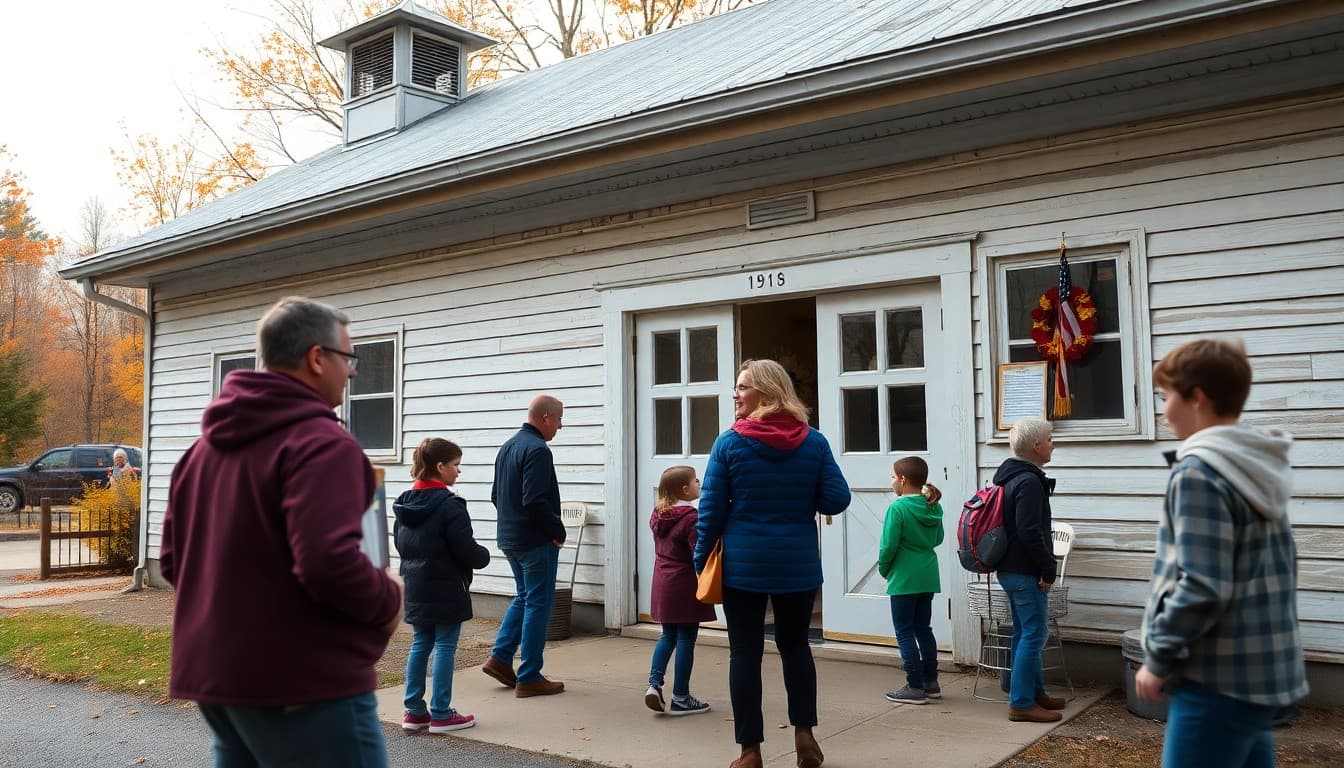
Rural School Communication Strategies for New Hampshire Educators
New Hampshire is a small state, but its rural school communities in the North Country and the White Mountains face genuine isolation, economic hardship, and communication barriers that larger rural states often have more resources to address. The strategies that work here are the strategies that work with limited staff, limited budget, and a community that has seen institutional promises fail before.
North Country: Economic Decline and Trust
Coos County lost its paper mill industry over two decades, and communities like Berlin, Groveton, and Colebrook are still in economic transition. Many families are navigating income instability, and the school is one of the most stable institutions remaining. A newsletter that acknowledges this context, that provides resource information alongside academic updates, and that communicates with genuine respect builds trust. A polished institutional newsletter that ignores the community's economic reality does not.
White Mountains: Tourism Economy and Shifting Schedules
Communities near Franconia Notch, the Mount Washington Valley, and the Lake District have economies tied to ski resorts, summer tourism, and hospitality work. Family schedules shift with seasonal employment. A parent working double shifts at a resort hotel in ski season cannot attend a Tuesday evening school meeting. The newsletter is the communication channel that works regardless of the schedule.
Berlin and the Connecticut River Valley: Refugee and Immigrant Families
Berlin has received Somali, Nepali, and other refugee families through resettlement programs. Schools serving these families need multilingual communication support. Resettlement organizations in the region provide translation resources. A school that partners with these organizations for newsletter translation and community outreach builds much stronger engagement than one that relies on English-only communications and hopes families manage.
Winter Communication Protocol
New Hampshire North Country winters produce school cancellations for extreme cold, ice, and heavy snow. The communication protocol should be in the first newsletter of the year: which channels are used, what time decisions are announced, and what families should do if they cannot receive the first notification. In Coos County communities where cell service can be spotty, the backup communication plan is not an afterthought.
Food and Economic Resource Communication
Coos County and some western New Hampshire communities have significant food insecurity. Free meal program information, school pantry access, and community resource referrals should appear in newsletters consistently. Write these simply and without stigma language. Families in economic hardship should not have to decode the newsletter to find the resources available to them.
Title I Documentation with Small Staff
New Hampshire Title I schools distribute parent involvement policies and school-parent compacts annually. For small North Country schools with limited administrative staff, having these as reusable newsletter template sections reduces the compliance burden. Daystage tracks which families have opened which issues.
Small School Identity as Communication Asset
New Hampshire's smallest schools serve communities where everyone knows everyone. The newsletter that reflects this, that covers the specific students and families in the community rather than generic educational content, builds the relationship that sustains engagement. A paragraph about the senior class's hiking trip on Mount Washington is more likely to be read than a standard academic calendar reminder.
New Hampshire rural educators who design communication for their community's economic reality, language diversity, and seasonal rhythms build stronger family engagement with the resources they have.
Get one newsletter idea every week.
Free. For teachers. No spam.
Frequently asked questions
What communication challenges are specific to New Hampshire rural schools?
The North Country, including Coos County, has the highest poverty rates in the state and the most limited broadband coverage. The White Mountains region has communities dependent on tourism and seasonal employment with shifting family schedules. Some rural New Hampshire communities have significant refugee populations in mill towns like Berlin and Gorham.
How should New Hampshire North Country school educators communicate with families?
Coos County has experienced economic decline tied to the paper mill industry closure. Many families are navigating economic instability. The newsletter that consistently provides resource information alongside academic updates serves these families directly. Short, plain-language, consistently delivered newsletters build more trust than occasional elaborate communications.
What digital access challenges do New Hampshire rural educators face?
Despite being a small state, New Hampshire has significant rural broadband gaps in the North Country and some western regions. Coos County has limited infrastructure. Mountain terrain makes tower placement difficult. Paper newsletters remain important for families without reliable digital access.
How do New Hampshire rural schools communicate with refugee and immigrant families?
Berlin and Gorham have received Somali, Nepali, and other refugee families in recent years. Schools serving these families need translation support. Partnering with resettlement organizations for translation and community outreach is the most effective approach. English-only newsletters exclude these families from meaningful engagement.
What newsletter tool works for New Hampshire rural schools with small staffs?
Daystage is designed for educators without communications staff. It lets teachers build and send professional newsletters quickly and tracks engagement so small staffs can identify families who need follow-up. Schools use it for Title I documentation and for managing communications across diverse family populations.

Adi Ackerman
Author
Adi Ackerman is a former classroom teacher and curriculum writer with 8 years in K-8 schools. She writes about school communication, parent engagement, and what actually works in real classrooms.
More for Rural & Title I
New Hampshire Rural School Newsletter Guide for North Country and Mill Town Communities
Rural & Title I · 6 min read
Title I School Family Communication in New Hampshire
Rural & Title I · 6 min read
Small School Newsletter Guide: Communication Strategies When Everyone Knows Everyone
Rural & Title I · 6 min read
Ready to send your first newsletter?
3 newsletters free. No credit card. First one ready in under 5 minutes.
Get started free