

Title I School Family Communication in Pennsylvania
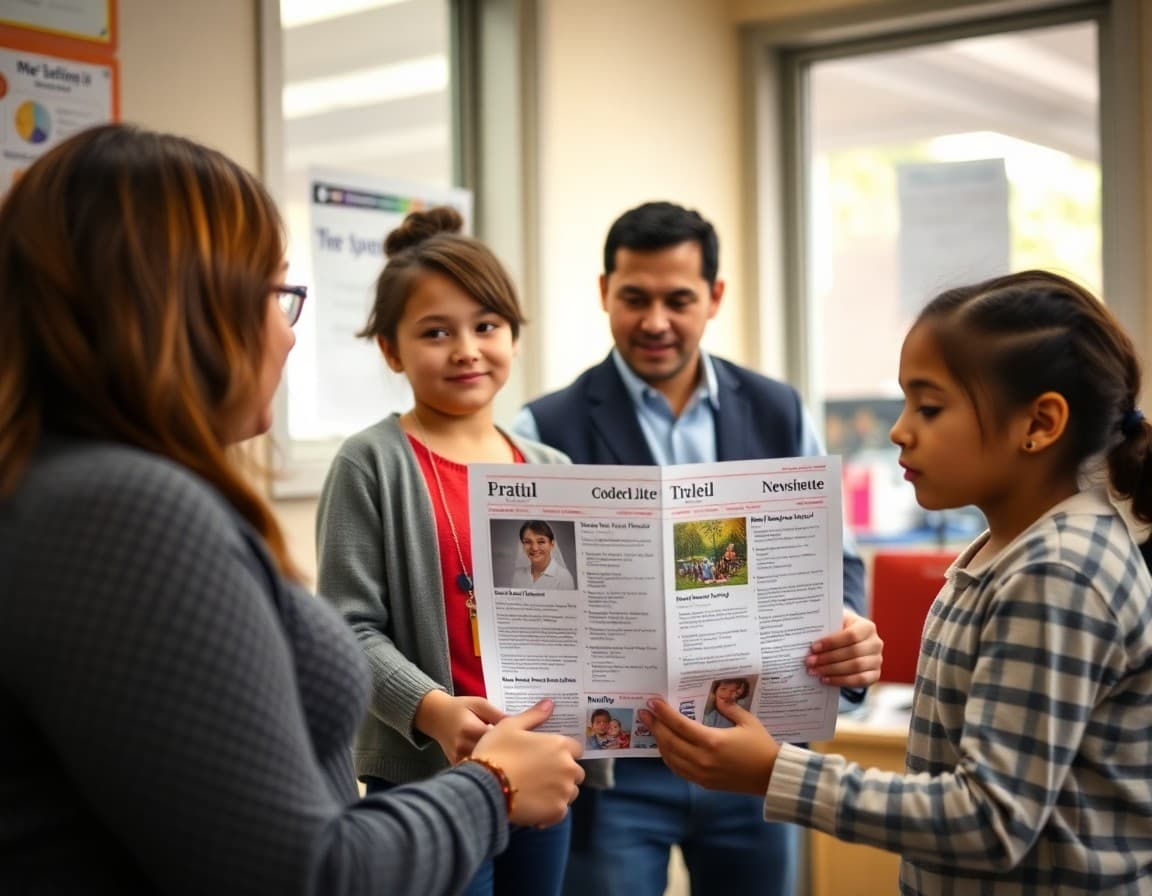
Pennsylvania has one of the most varied Title I landscapes in the Northeast: Philadelphia's concentrated urban poverty, the remarkable case of Reading as the country's poorest midsized city, Pittsburgh's post-industrial neighborhoods, and the struggling former coal towns of northeast and southwest Pennsylvania. Each context requires a different communication approach, but all of them require consistency and genuine respect for the communities being served.
Pennsylvania's Title I landscape
Philadelphia has the highest poverty rate of the ten largest US cities. The School District of Philadelphia serves a predominantly Black and Hispanic population in a city with deep educational history but also decades of school governance challenges. The district has significant charter competition, which fragments the family communication landscape.
Reading is a remarkable case: a small city of about 95,000 that has been cited as the poorest city in the United States in its population category. The city is predominantly Puerto Rican and Hispanic, and its school district serves families dealing with concentrated poverty in a city with limited resources and a complicated recent governance history.
Allentown and Bethlehem in the Lehigh Valley have large Hispanic populations that have grown dramatically since Puerto Rican families began settling there in significant numbers in the 1950s and 1960s. The Lehigh Valley's schools have dealt with Spanish-English bilingual education for decades.
ESSA requirements for Pennsylvania Title I schools
The Pennsylvania Department of Education administers Title I and monitors compliance. Required activities under ESSA Section 1116:
- Annual meeting for all parents explaining Title I status and parent rights
- Family Engagement Policy developed with parent input, distributed annually
- School-Parent Compact provided to every family, discussed at parent-teacher conferences
- Annual notification of the right to request teacher qualification information
- At least 1% of Title I funds reserved for family engagement activities
Reading and Allentown: Puerto Rican community communication
Reading and Allentown have Puerto Rican communities with deep roots. Many families have been in these cities for two or three generations, and the community has built substantial institutions including churches, social organizations, and businesses. Puerto Rican identity is strong, and schools that acknowledge this identity and work through community organizations build trust more effectively than those that treat Spanish communication as a technical accommodation.
For both cities, Spanish-first communication is appropriate for many families. Some older community members are more comfortable in Spanish than in English, and recently arrived families from Puerto Rico (particularly those who arrived after Hurricane Maria) may have limited English proficiency. Making Spanish a full-status language in school communication, not just a secondary option, signals respect for the community.
Philadelphia: diversity, charter fragmentation, and community trust
Philadelphia's Title I schools serve an extraordinarily diverse population: long-established African American communities in north and west Philadelphia, Hispanic communities in North Philadelphia and Hunting Park, recent African and Caribbean immigrant communities, and Southeast Asian communities (particularly Vietnamese and Cambodian families in South Philadelphia). Each community requires different communication approaches.
The fragmentation of Philadelphia's school landscape between district schools and charter schools means families may not know which Title I requirements apply to their child's school. Individual school communication needs to be clear about what program the school participates in and what rights families have.
Former coal region and rural Pennsylvania
Northeast Pennsylvania's former coal communities (Wilkes-Barre, Hazleton, Pottsville) have been economically struggling since the coal industry declined. Hazleton is an interesting case: once a predominantly white, Catholic, Eastern European community, it has seen rapid demographic change driven by Hispanic families (largely Puerto Rican and Dominican) relocating from New York City. Schools in Hazleton have had to develop Spanish bilingual capacity quickly.
Rural southwest Pennsylvania has Appalachian-style poverty in communities dependent on a declining coal and coke industry. These communities have been significantly affected by the opioid epidemic. Schools that are consistent, non-judgmental, and that treat families as partners see better engagement.
School-Parent Compact and consistent newsletters in Pennsylvania
From Reading's Spanish-dominant community to Philadelphia's diverse neighborhoods to rural coal country, consistent newsletters and plain-language compacts are the communication foundation for Pennsylvania Title I schools. Schools using Daystage send bilingual newsletters that arrive inline in email, work across all email providers, and can include multiple language sections. The consistency, week after week, is what builds the family-school relationship that makes Title I compliance activities meaningful rather than bureaucratic.
Get one newsletter idea every week.
Free. For teachers. No spam.
Frequently asked questions
What ESSA requirements apply to Pennsylvania Title I schools?
Pennsylvania Title I schools must hold an annual meeting for all parents explaining Title I status and parent rights, develop and distribute a Family Engagement Policy with parent input, provide every family a School-Parent Compact, reserve at least 1% of Title I funds for family engagement, and notify parents of their right to request teacher qualifications. The Pennsylvania Department of Education monitors Title I compliance through its federal programs division.
Where are Title I schools concentrated in Pennsylvania?
Pennsylvania's Title I schools are concentrated in Philadelphia (one of the poorest major US cities), Pittsburgh (particularly on the north side and in Mon Valley communities), and post-industrial cities like Allentown, Reading, Scranton, and Wilkes-Barre. Rural Pennsylvania also has significant Title I schools in the former coal region of northeast Pennsylvania and in Appalachian southwest Pennsylvania. About 50-55% of Pennsylvania public schools receive Title I funding.
What is the Reading, PA Title I situation?
Reading, Pennsylvania, has been cited multiple times as the poorest city in the United States with a population over 65,000. The city is predominantly Puerto Rican and Hispanic, with significant poverty and a school district that has been under Act 141 distressed school designation. Reading School District receives substantial Title I funding and has significant Spanish bilingual communication needs. The community has strong Puerto Rican cultural identity and organizations that can be effective partners for family outreach.
How do Pennsylvania rural coal communities approach family engagement?
Northeast Pennsylvania's former coal region (Luzerne, Schuylkill, Carbon, and surrounding counties) and southwest Pennsylvania's former coke and steel communities have rural poverty profiles with Appalachian characteristics. Communities in these areas have experienced decades of economic decline, and the opioid epidemic has added additional family stress. Schools that are consistent, supportive, and non-judgmental build engagement over time.
What newsletter tool works for Pennsylvania Title I schools?
Daystage is used by Pennsylvania schools, including some Philadelphia and Pittsburgh schools, to send multilingual newsletters to families. For Reading and Allentown schools with predominantly Spanish-speaking families, Daystage supports bilingual content. The inline email delivery without extra click-throughs works well for families using smartphones as their primary internet access in both urban and rural Pennsylvania.

Adi Ackerman
Author
Adi Ackerman is a former classroom teacher and curriculum writer with 8 years in K-8 schools. She writes about school communication, parent engagement, and what actually works in real classrooms.
More for Rural & Title I
Ready to send your first newsletter?
3 newsletters free. No credit card. First one ready in under 5 minutes.
Get started free