
Rural School Communication Strategies for Rhode Island Educators
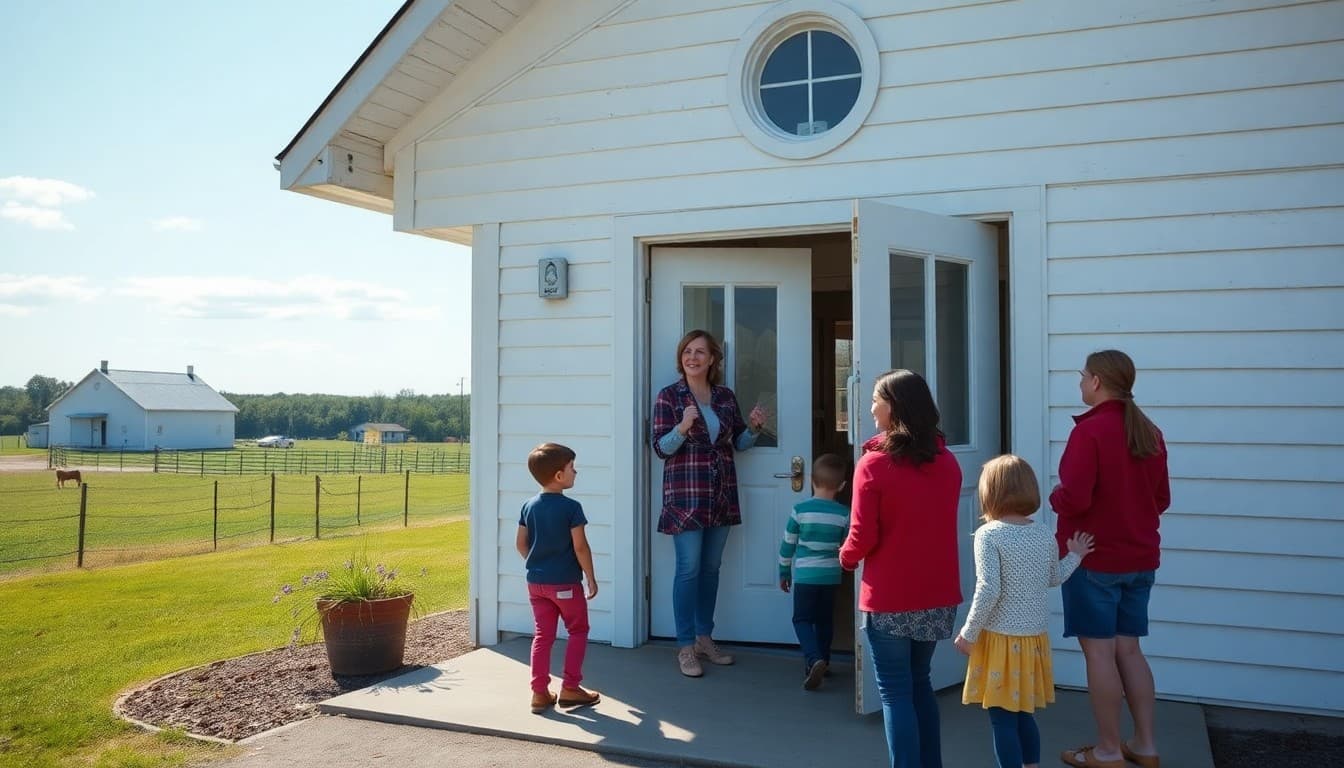
Rhode Island is the smallest state, but even here, rural school communities have communication challenges that suburban and urban districts do not face. The western Washington County towns of Hopkinton, Richmond, Charlestown, and Exeter have modest farming communities, Native American tribal land, and low-income households that are largely invisible in the state's education conversation.
Small School, Small Staff, Sustainable System
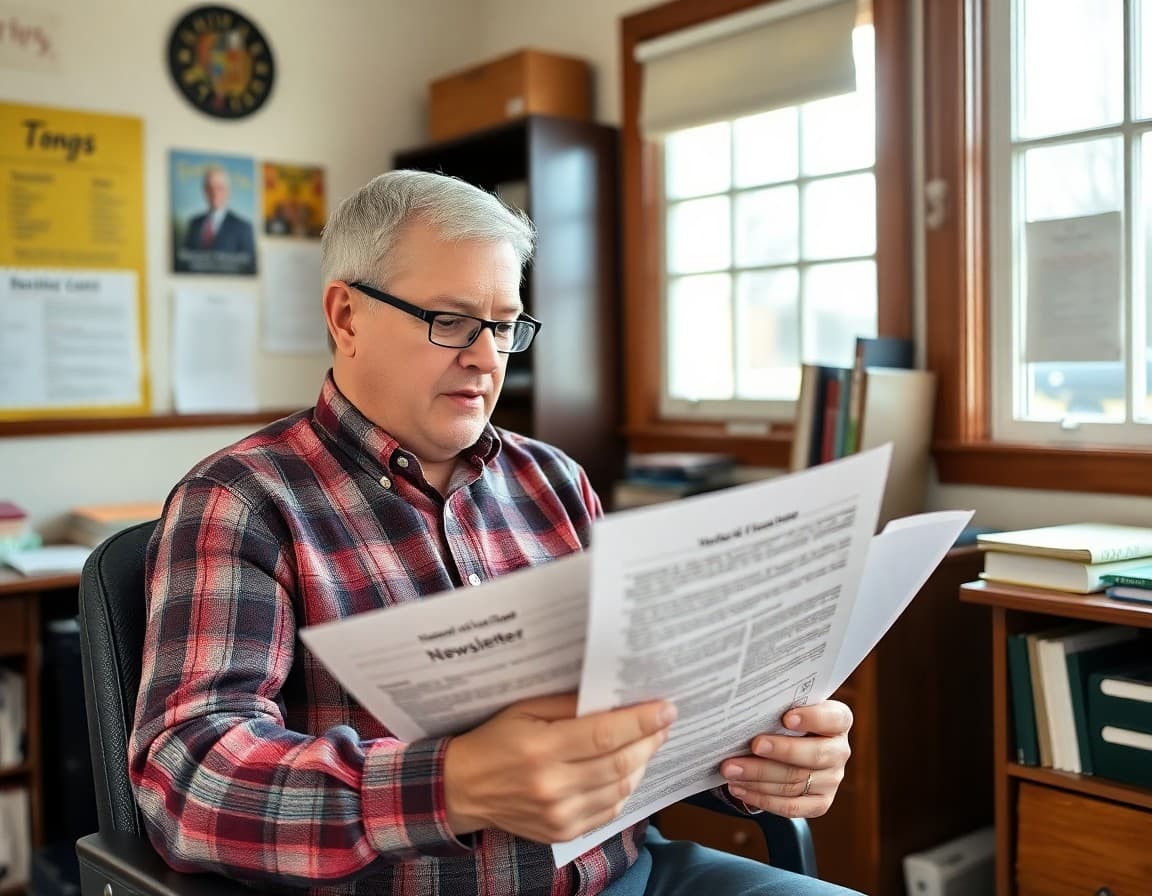
A rural Rhode Island school serving 150 students may have a principal who manages most administrative functions. When that principal is also responsible for the school newsletter, the system has to be simple. A reusable template with consistent sections, updated in 20 minutes per week, is what a small staff can actually maintain. Any system that takes more than 30 minutes to produce one issue will not be maintained consistently. Consistency matters more than any individual newsletter issue.
Narragansett Indian Tribe: Community Partnership
The Narragansett Indian Tribe has a reservation in Charlestown and a strong cultural presence in western Washington County. Schools serving Narragansett students build better engagement when they acknowledge tribal identity in communications. A reference to Narragansett cultural events in the newsletter, a Narragansett language greeting on cultural awareness occasions, or coordination with tribal education liaisons for newsletter distribution demonstrates respect for tribal community identity.
Low-Income Farm and Rural Households
Western Washington County has farming families and low-income households that are sometimes overlooked in the state's policy conversations. The newsletter should consistently include resource information without stigma: free meal program details, school supply assistance, community food pantry schedules, and utility assistance program contacts. These families may not be visible in statewide data, but they are present in the school, and they deserve the same resource access as families in more visible high-need communities.
Immigrant Families in Rural Rhode Island
Some western Rhode Island communities have received Portuguese-speaking, Spanish-speaking, and other immigrant families who have moved away from Providence area urban neighborhoods. Schools serving these families may need bilingual communication for at least some parent groups. Checking enrollment data for primary home languages and providing translation for the most common ones is appropriate even in small rural schools.
Connectivity and Paper Backup
Western Washington County has some broadband coverage gaps. For families without reliable digital access, paper newsletters sent home with students are the most reliable channel. Posting printed newsletters at the local library, the co-op, and any community gathering place extends reach to families who do not check email consistently.
Title I Documentation with Limited Staff
Rhode Island Title I schools, even small rural ones, must distribute parent involvement policies and school-parent compacts annually. Having these as reusable newsletter sections reduces the compliance burden for small staff teams. Daystage tracks which families have opened which issues, providing documentation for program reviews.
Community Identity and Small Town Pride
In small Rhode Island rural communities, everyone knows the school. A newsletter that celebrates student achievements, community events, and local history builds the relationship that keeps families engaged beyond required communications. In a school where the principal knows every student's name, the newsletter can reflect that intimacy.
Rhode Island rural educators who design communication for their community's specific scale, tribal partnerships, and family diversity build the kind of engagement that sustains Title I compliance and genuine school-family relationships.
Get one newsletter idea every week.
Free. For teachers. No spam.
Frequently asked questions
What communication challenges are specific to Rhode Island rural schools?
Rhode Island's rural areas are concentrated in western Washington County and the Chariho district. These communities include the Narragansett Indian Tribe's traditional land, low-income farming households, and some newer immigrant family populations. The schools are small and often have limited administrative staff for communication.
How should Rhode Island rural school educators communicate with Narragansett families?
The Narragansett Indian Tribe is federally recognized and has a reservation in Charlestown. Schools serving Narragansett students benefit from communication that acknowledges tribal identity and works with tribal community liaisons. The tribe has an active cultural presence, and the school newsletter can reference cultural events as a relationship-building gesture.
What digital access challenges do Rhode Island rural educators face?
Despite being the smallest state, Rhode Island has rural broadband gaps in western Washington County. Some farm and woodlands communities have limited service. For families without reliable digital access, paper newsletters sent home with students remain the most reliable channel.
How do small Rhode Island rural schools manage communication with limited staff?
A small Washington County school may have a single principal managing all administrative duties. A newsletter system that takes 20 minutes to update and sends with one click is sustainable for this staff level. A complex platform requiring significant design time is not. Efficiency in the communication system matters as much as quality.
What newsletter tool works for Rhode Island rural schools with small staffs and diverse families?
Daystage is designed for educators without dedicated communications staff. It lets teachers build and send professional newsletters quickly and tracks engagement. Schools use it for Title I documentation and for reaching families across digital and non-digital channels.

Adi Ackerman
Author
Adi Ackerman is a former classroom teacher and curriculum writer with 8 years in K-8 schools. She writes about school communication, parent engagement, and what actually works in real classrooms.
More for Rural & Title I
Rhode Island Rural School Newsletter Guide for South County and Title I Communities
Rural & Title I · 6 min read
Title I School Family Communication in Rhode Island
Rural & Title I · 6 min read
Small School Newsletter Guide: Communication Strategies When Everyone Knows Everyone
Rural & Title I · 6 min read
Ready to send your first newsletter?
3 newsletters free. No credit card. First one ready in under 5 minutes.
Get started free