
Oregon Rural School Newsletter Guide for Eastern Oregon and Coast Communities
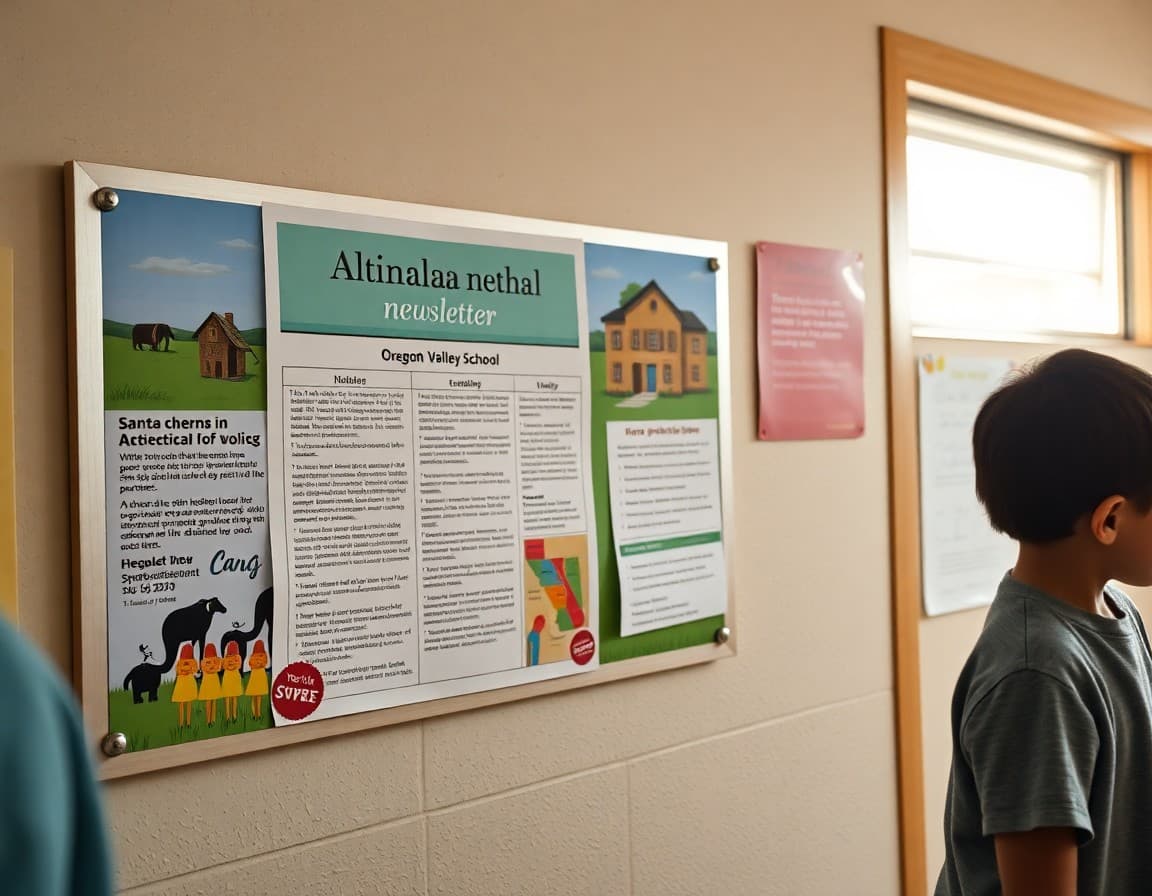
A teacher in Malheur County, Oregon writes her newsletter in Spanish. Her school serves families working in the Treasure Valley's onion and dairy operations. Most of her students come from families who speak Spanish at home. She sends the Spanish version first, then the English. That ordering, which she changed two years ago, is the detail families notice. It is the detail that communicates whose school this is.
Oregon's Rural School Communication Landscape
Oregon has two distinct rural communication challenges. Eastern Oregon, east of the Cascades, is high desert and range country with very low population density, limited broadband, and families spread across enormous distances. Western Oregon's agricultural areas, including the Willamette Valley, Hood River, and Malheur County near Idaho, have significant Hispanic agricultural workforces that need bilingual communication. The Oregon Coast has fishing communities with irregular schedules and some connectivity gaps.
Eastern Oregon: Isolation and Distance
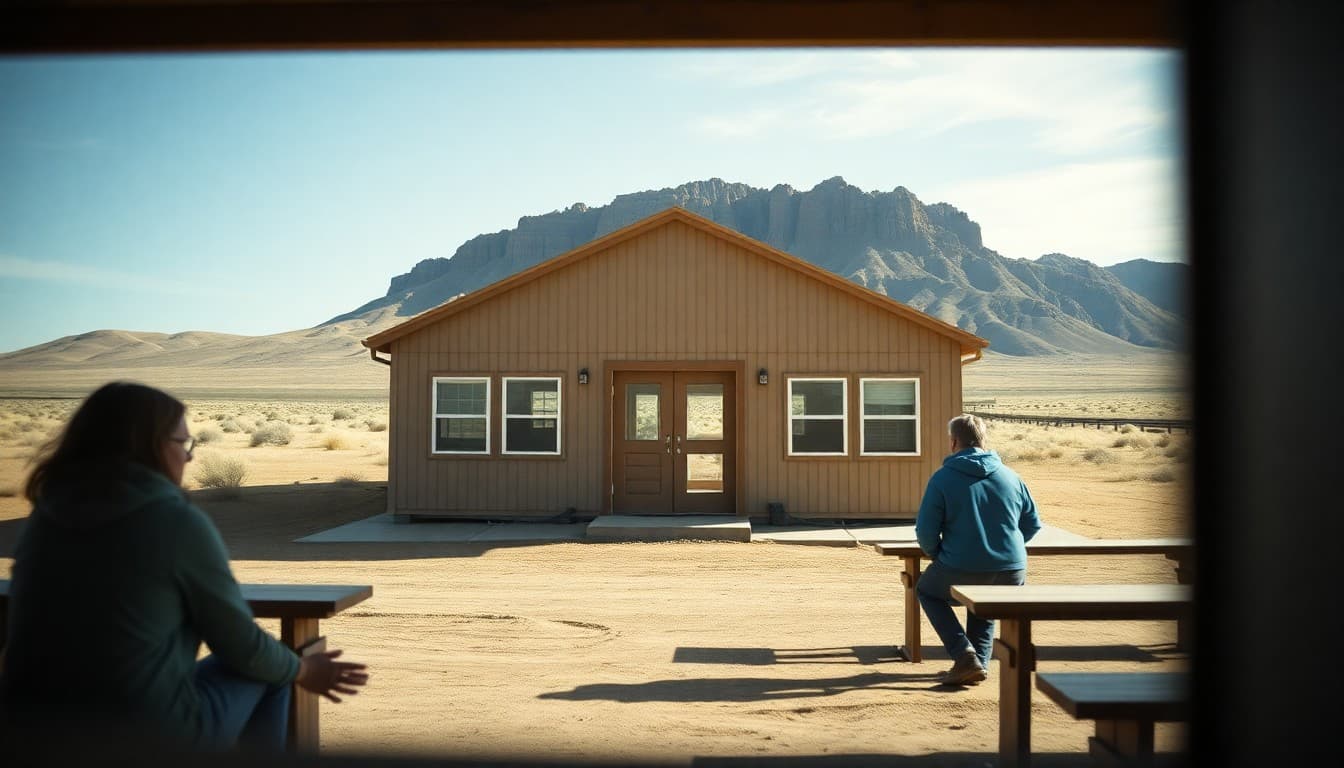
Harney, Lake, and Wheeler counties in eastern Oregon are among the most geographically isolated counties in the continental United States. Families in these communities may drive 60 to 90 minutes to reach the nearest town. The school bus is the primary newsletter distribution channel for remote ranch families. Plain-text email is the only digital format that loads reliably on the satellite or limited LTE connections available in these areas. A printed newsletter in the student folder every Friday is not a backup plan. It is the primary communication channel for many families.
Willamette Valley and Hood River: Agricultural Spanish-Speaking Communities
Linn and Benton counties in the Willamette Valley, Hood River County in the Columbia River Gorge, and Malheur County in the far southeast corner of the state all have significant Hispanic agricultural populations. Nursery workers, orchard families, and dairy and vegetable farm workers are the backbone of these communities. Schools that communicate in English only are not communicating with the majority of these families. A bilingual newsletter is not an extra. It is the school's basic communication system for the families it actually serves.
Oregon Coast Fishing Communities
Coos, Curry, and Clatsop counties have fishing communities with irregular work schedules tied to seasons and ocean conditions. Families here are not perpetually available for school engagement. A newsletter timed for evenings, acknowledging the fishing season's demands, and keeping the format brief builds more cooperation than one that ignores the reality of coastal work schedules.
What Every Oregon Rural School Newsletter Should Include
Five items per issue: key dates, meal program information, one Title I resource notice, schedule changes, and a student or community recognition. For Willamette Valley and Malheur County schools, include a Spanish version as standard. For Eastern Oregon schools, keep the format to one page and include any bus route or road condition information. Keep total reading time under three minutes.
Food Security in Oregon Rural Communities
Oregon's agricultural worker communities have significant food insecurity, particularly for families in seasonal employment. Newsletters that communicate free meal availability and food pantry information plainly remove barriers to access: "Free breakfast and lunch for all students every day. No application required. Desayuno y almuerzo son gratis para todos los estudiantes."
Title I Requirements and the Newsletter
Oregon Title I schools must distribute their parent engagement policy, school-parent compact, and annual report. For schools with large EL populations, translated versions are required. Quarterly newsletter inserts in both English and Spanish for bilingual schools cover the legal and relationship requirement. Daystage makes it easy to add these as reusable template blocks.
Oregon rural schools that build newsletters for their community's actual language, geography, and work schedule conditions reach the families who most need consistent school communication. The newsletter is how a rural Oregon school demonstrates week after week that it understands the community it serves.
Get one newsletter idea every week.
Free. For teachers. No spam.
Frequently asked questions
What communication challenges do Oregon rural schools face?
Eastern Oregon counties like Harney, Lake, and Malheur are among the most sparsely populated areas in the continental US, with limited broadband and families spread across vast distances. The Willamette Valley and Hood River areas have large Hispanic agricultural workforces. The Oregon Coast has fishing communities with irregular schedules and some connectivity gaps.
How should Oregon agricultural schools handle bilingual newsletters?
Malheur County in eastern Oregon, Hood River's orchard country, and the Willamette Valley all have significant Spanish-speaking agricultural populations. A bilingual newsletter or Spanish summary is essential for schools where Spanish is the primary home language for more than 20% of families.
How do Eastern Oregon schools reach families across vast distances?
Harney County, the largest county in Oregon, has fewer than 8,000 residents. The school bus is the most reliable printed newsletter distribution channel for remote ranch families. Plain-text email and printed copies are both necessary for different segments of the population.
What content is most important for Oregon rural families?
Meal program information, Title I tutoring availability, OSAS testing schedules, and bus route information are highest priority. For Coast communities, acknowledging fishing season schedules reduces attendance friction.
What newsletter tool works for Oregon rural schools?
Daystage delivers lightweight newsletters and tracks open rates. For Oregon's diverse rural schools, the analytics identify which families need bilingual outreach or printed backup distribution.

Adi Ackerman
Author
Adi Ackerman is a former classroom teacher and curriculum writer with 8 years in K-8 schools. She writes about school communication, parent engagement, and what actually works in real classrooms.
More for Rural & Title I
Rural School Newsletter Guide: Communication Strategies for Small and Remote Schools
Rural & Title I · 7 min read
Rural School Bilingual Family Newsletter: How Schools Communicate Across Language Barriers
Rural & Title I · 5 min read
Title I Parent Engagement Newsletter: Meeting Federal Requirements While Building Real Connections
Rural & Title I · 8 min read
Ready to send your first newsletter?
3 newsletters free. No credit card. First one ready in under 5 minutes.
Get started free