

Rural School Communication Strategies for Nevada Educators
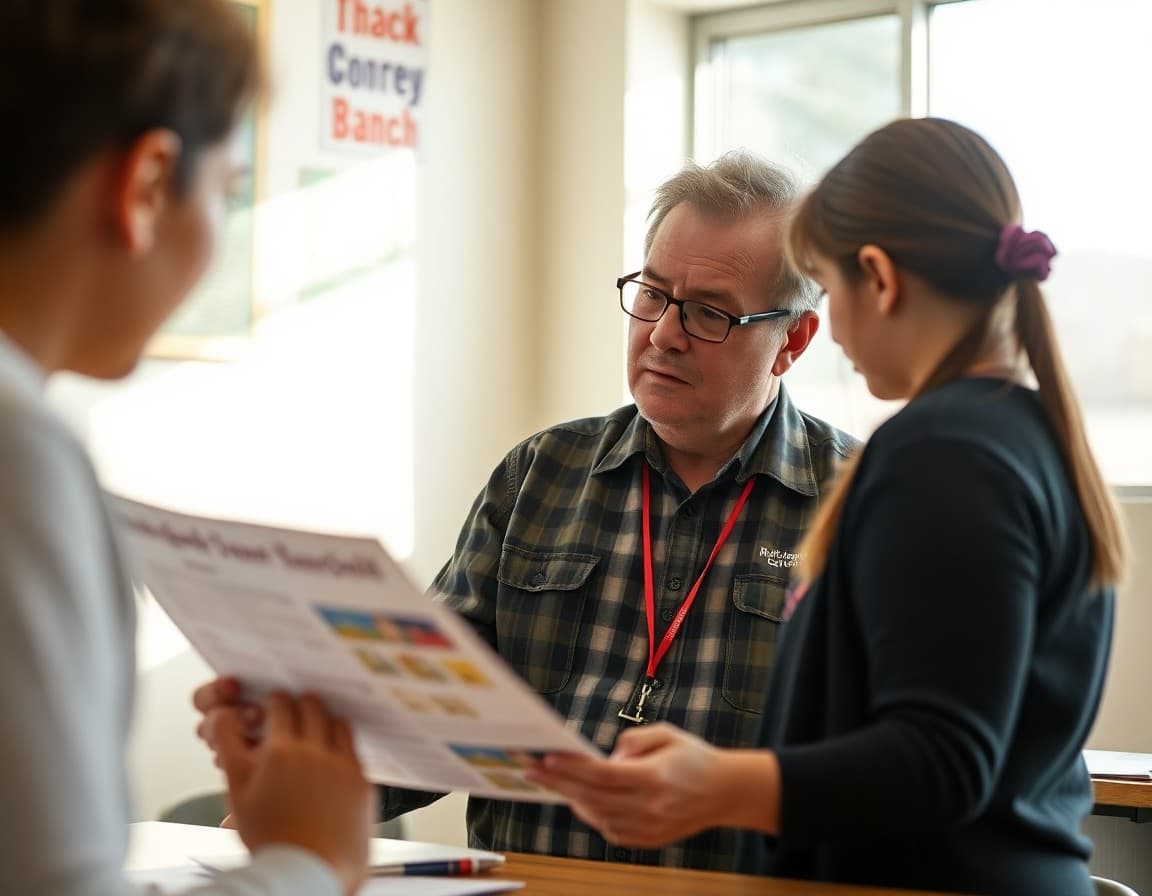
Nevada is famous for Las Vegas, but outside of Clark and Washoe counties, the state is one of the least populated places in the country. Rural Nevada school districts cover territory that would be multiple counties in most eastern states, and the families they serve may be hours from the school building.
Tribal Communities: Partnership and Sovereignty
Nevada has numerous tribal nations with schools and students in public school districts. Pyramid Lake Paiute, Walker River Paiute, Fallon Paiute-Shoshone, and other nations have distinct community governance and communication traditions. Schools serving these families work through tribal education departments. A newsletter that carries a Paiute language greeting or references a tribal cultural event acknowledges community identity. Information travels through tribal community networks faster than through institutional channels.
Mining Communities: Boom and Bust Communication
Nevada mining towns experience economic boom and bust cycles that affect school enrollment significantly. When a mine opens, enrollment jumps. When it closes or contracts, families leave. The newsletter should include clear enrollment and re-enrollment information for families who may be new to the community or who are uncertain about their plans. Consistent communication through enrollment uncertainty keeps families connected to the school.
Agricultural Valleys: Spanish-Speaking Family Outreach
Communities like Fallon, Winnemucca, and Elko have Spanish-speaking populations tied to ranching and agricultural industries. Spanish newsletters or bilingual summaries are appropriate for schools with significant Spanish-speaking enrollment. These communities are small, and many families have been in the area for generations, but English-only communication still excludes those who speak primarily Spanish.
Extreme Distance and Paper-First Communication
Families in Nye County, Esmeralda County, or the White Pine mountains may be 40 or more miles from school over roads that are difficult in winter. Phone is often more reliable than email. Paper newsletters sent home with students are the most consistent channel. The community store, the post office, and the gas station are posting points for printed newsletters that reach families who do not check email or whose internet access is unreliable.
Weather and Road Condition Communication
Nevada's desert environment includes flash floods, mountain snow, and blowing dust that can close rural roads with minimal warning. The school weather communication protocol should be established at the start of the year: which channels are used, what time decisions are announced, and what families on remote roads should do when conditions change rapidly.
Food and Resource Communication in Rural High Desert
Rural Nevada communities have limited access to grocery stores and food resources. Some families drive two or more hours to reach a full-service grocery. School meal programs, food bank distribution days, and commodity food programs serve as critical food infrastructure. The newsletter should list these resources clearly and consistently.
Title I Documentation in Small Remote Districts
Nevada Title I schools distribute parent involvement policies and school-parent compacts annually. For small remote districts, having these as newsletter template sections reduces the administrative burden. Daystage tracks which families have opened which communications.
Nevada rural educators who design communication matched to their community's extreme geography, tribal partnerships, and limited infrastructure build stronger family engagement than those using systems designed for more accessible communities.
Get one newsletter idea every week.
Free. For teachers. No spam.
Frequently asked questions
What communication challenges are specific to Nevada rural schools?
Nevada outside of Las Vegas and Reno is among the least populated land in the country. Rural school districts cover thousands of square miles. Tribal communities of the Paiute, Shoshone, and Washoe nations have distinct communication needs. Mining and agricultural communities are spread across desert terrain with limited infrastructure. Spanish-speaking families in agricultural areas like Fallon and Winnemucca add language access needs.
How should Nevada rural school educators approach communication with tribal families?
Nevada has numerous tribal nations including Pyramid Lake Paiute, Walker River Paiute, Ely Shoshone, and others. Schools serving these communities work with tribal education offices for communication design and distribution. Native language acknowledgments in newsletters respect community identity. Oral communication through community networks remains primary in many tribal communities.
How do Nevada rural school districts manage communication across vast distances?
Some Nevada rural school districts span land masses larger than several eastern states combined. Phone communication is often more reliable than email for the most remote families. Paper newsletters sent home with students are the primary channel. Posting at community gathering points, the only store in a small town, the post office, extends reach to families who rarely come to the school.
What digital access barriers do Nevada rural educators face?
Rural Nevada outside of the population centers has extremely limited broadband infrastructure. Many communities rely on cellular or satellite data. The terrain makes tower placement difficult. Newsletters need to load on slow mobile connections. Paper distribution remains essential.
What newsletter tool supports Nevada rural school communication in extreme geography?
Daystage lets Nevada rural educators send lightweight newsletters that load on limited connections and track which families are engaging with communications. Schools use it alongside paper distribution systems to reach families regardless of their digital access.

Adi Ackerman
Author
Adi Ackerman is a former classroom teacher and curriculum writer with 8 years in K-8 schools. She writes about school communication, parent engagement, and what actually works in real classrooms.
More for Rural & Title I
Ready to send your first newsletter?
3 newsletters free. No credit card. First one ready in under 5 minutes.
Get started free