
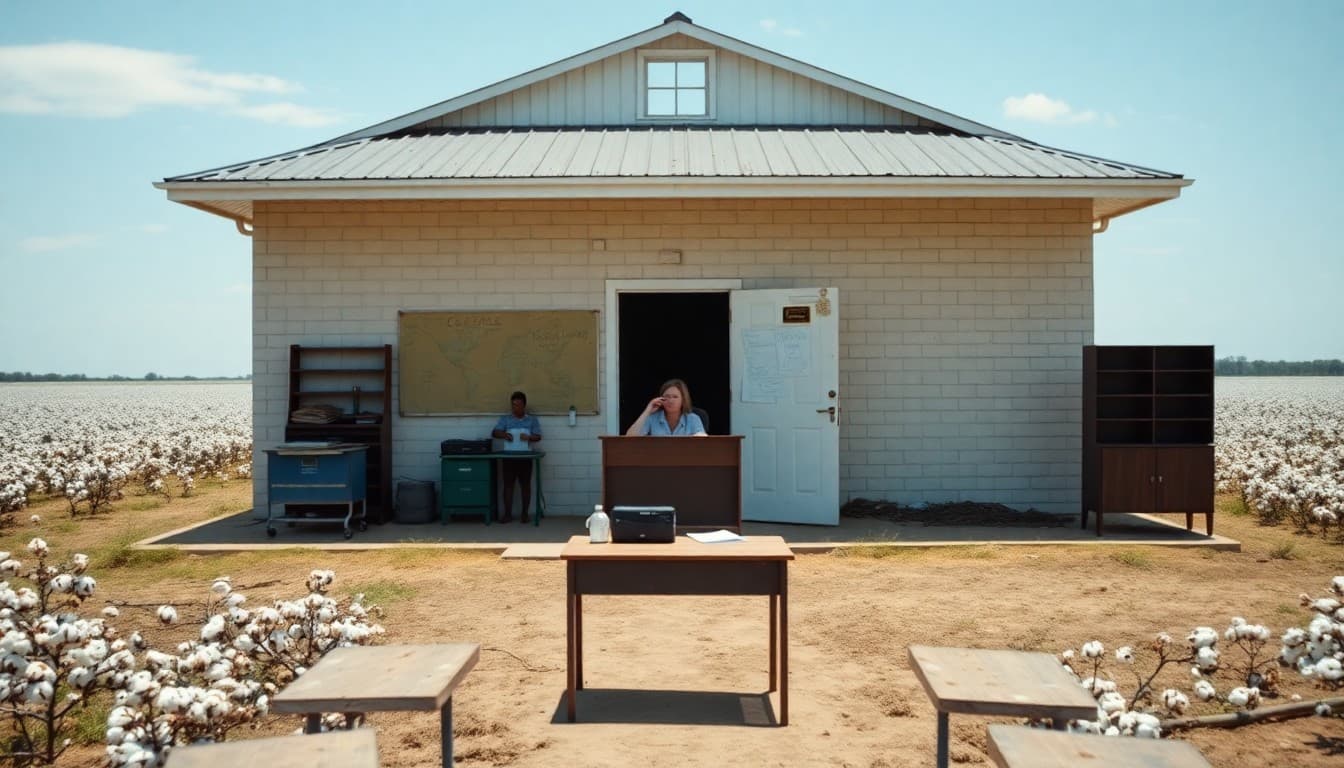
Mississippi Rural School Newsletter Guide for Delta and Piney Woods Communities
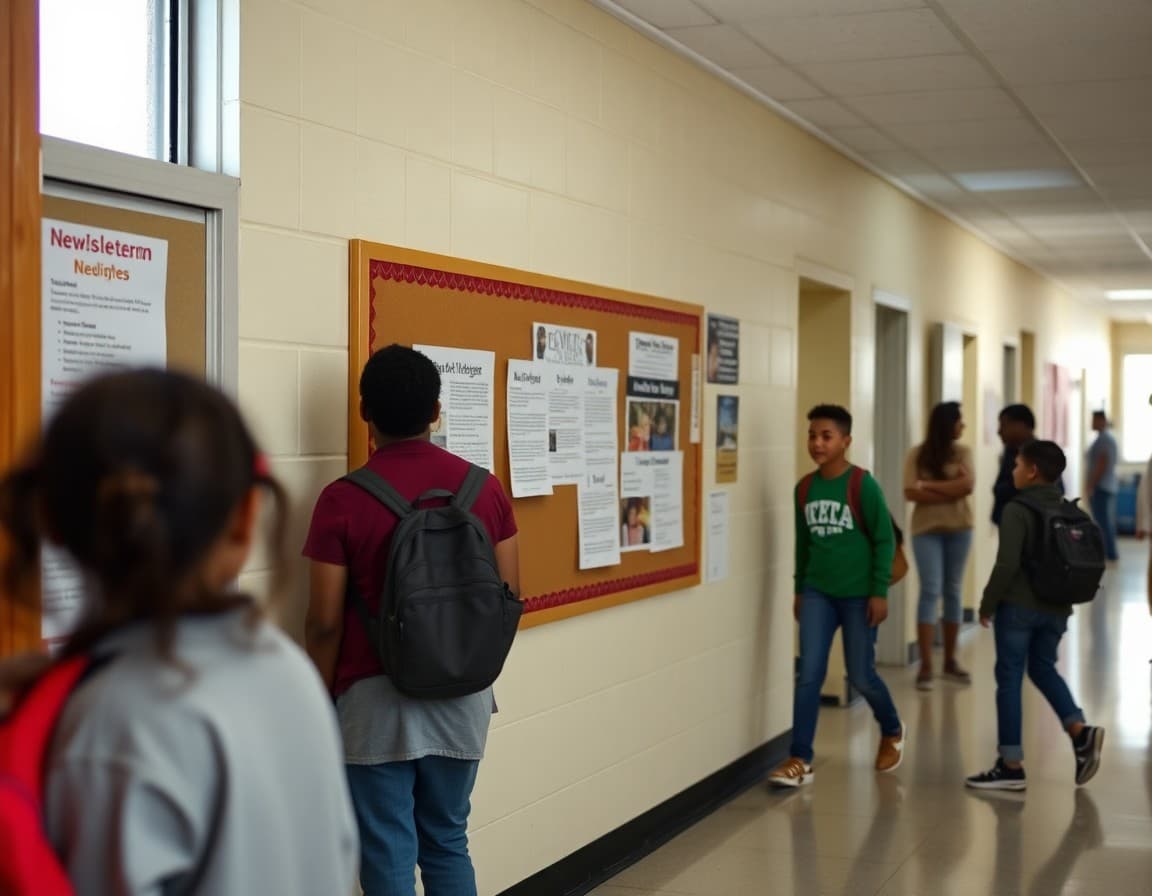
A teacher in Sunflower County, Mississippi puts the food pantry schedule in the first paragraph of every newsletter. Not at the bottom. Not in a sidebar. At the top. Because in her community, food insecurity is not a special topic for a special issue. It is the daily context her students' families are living in. Her newsletter serves families, not the school's institutional image. That distinction is why families read it.
Mississippi's Rural Schools and the Deepest Poverty in the Country
Mississippi has the highest poverty rate of any state. Delta counties including Sunflower, Leflore, Holmes, and Humphreys consistently rank among the poorest counties in the United States. The Piney Woods region in the south has similar challenges with greater geographic isolation. Schools in these communities are often the most stable institution in families' lives. The newsletter is one of the few reliable touchpoints families have with the school outside of pickup and drop-off.
Broadband Access: Mississippi Has Some of the Worst Coverage
Mississippi broadband coverage maps consistently show large rural areas with no fixed broadband service. Many families rely on prepaid mobile phones with 5GB or less of monthly data. An HTML newsletter with images uses more data in one email than some families' weekly internet budget. Plain-text email under 10KB is the only digital format that works reliably in the Delta. For families without any digital access, a printed copy sent home with the student is not a backup plan. It is the primary plan.
Resources First: What Mississippi Families Need from Newsletters
In communities where food insecurity, healthcare access gaps, and housing instability are common, the newsletter serves a practical function that goes beyond school event updates. Putting food pantry schedules, free meal program information, health clinic hours, and community resource contacts near the top of the newsletter reflects the real priorities of the families being served. A school that treats the newsletter as a resource guide alongside an event calendar builds more trust than one that leads with the pep rally.
Tornado Season Communication
Mississippi is in Tornado Alley and experiences dangerous weather events from spring through early summer. Every newsletter from March through June should include a standing tornado and severe weather procedure section: how families will be notified of early dismissals, what shelter procedures look like at the school, and who to contact if a student needs to be picked up early during a warning.
What Every Mississippi Rural School Newsletter Should Include
Five items per issue: food and resource information first, then key dates, meal program reminder, one Title I program notice, and a student recognition. During tornado season, add the severe weather protocol. Keep total reading time under three minutes. Families in the Delta who are working multiple jobs at minimum wage do not have time for a long newsletter. They have time for a short, useful one.
Title I Communication Requirements
Mississippi Title I schools must distribute their parent engagement policy, school-parent compact, and annual report to families. In communities with lower adult literacy rates, presenting these documents in plain language at a 5th-grade reading level or below removes a real access barrier. A quarterly newsletter insert with a plain-language summary and a phone number for questions meets the legal requirement while actually communicating. Daystage makes it easy to save these blocks and reuse them quarterly.
Community Distribution Points
In Mississippi Delta communities, the historically Black church is often the most trusted community institution. Posting newsletters at the church, the county health department, the local laundromat, and any community center extends the printed newsletter's reach to families who never check email. Building these distribution partnerships takes an afternoon and then runs on its own.
Tracking What Is Getting Through
Open-rate data from the newsletter identifies families who are not engaging digitally. In small Mississippi schools where most families are known by name, this data drives direct action: a printed copy home, a phone call, or a note through a community contact. Daystage makes this data available without requiring any technical expertise to interpret.
Mississippi rural schools that build newsletters grounded in the real conditions of Delta and Piney Woods communities serve families in a way that builds trust, supports Title I participation, and gives students the consistent school-family connection that research consistently links to better outcomes.
Get one newsletter idea every week.
Free. For teachers. No spam.
Frequently asked questions
What makes Mississippi rural school communication uniquely challenging?
Mississippi has the highest poverty rate of any state, with Delta counties ranking among the poorest in the country. Broadband penetration is among the lowest in the nation. Many families rely on prepaid mobile phones with data caps. A newsletter that requires broadband to read will not reach most families in the Delta.
How do Mississippi rural schools bridge the digital divide in their communications?
The most effective Mississippi rural schools run two parallel systems: a lightweight plain-text email for families with any digital access, and a printed copy sent home with students for families identified as offline. This two-track system is not a workaround. It is the correct permanent approach for Delta school communication.
How often should Mississippi rural schools send newsletters?
Weekly newsletters provide the consistent contact families need. In communities with high food insecurity and limited access to information, the newsletter serves a practical resource function alongside an engagement function. Weekly frequency keeps families informed of resources they may not know exist.
What content is most important for Mississippi Delta families?
Free meal program information, food pantry schedules, Title I program details, school closure procedures for tornado season, and testing schedules are the highest-priority items. In communities with very high poverty, resource information is often the most read section of the newsletter.
What newsletter tool works for Mississippi rural schools?
Daystage delivers lightweight school newsletters that work on limited connections. The open-rate analytics help identify which families need printed copies or direct phone contact.

Adi Ackerman
Author
Adi Ackerman is a former classroom teacher and curriculum writer with 8 years in K-8 schools. She writes about school communication, parent engagement, and what actually works in real classrooms.
More for Rural & Title I
Rural School Newsletter Guide: Communication Strategies for Small and Remote Schools
Rural & Title I · 7 min read
Title I Parent Engagement Newsletter: Meeting Federal Requirements While Building Real Connections
Rural & Title I · 8 min read
How Rural Schools Can Address Food Insecurity Through the School Newsletter
Rural & Title I · 5 min read
Ready to send your first newsletter?
3 newsletters free. No credit card. First one ready in under 5 minutes.
Get started free