
Rural School Communication Strategies for Ohio Educators
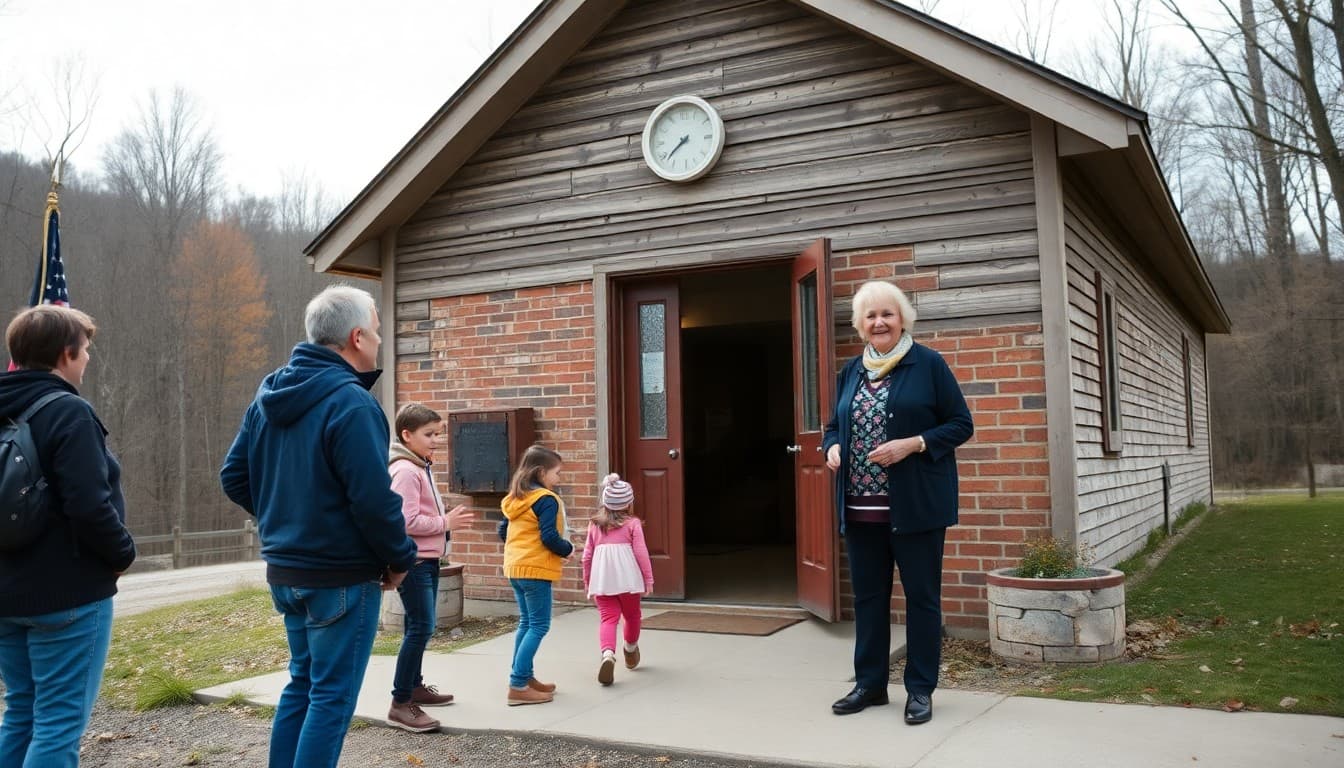
Ohio's rural school landscape is more complex than most people outside the state realize. The forested Appalachian hills of the southeast, the flat agricultural northwest, and the post-industrial small towns of the east and north create three distinct rural contexts, each with different family communication needs.
Appalachian Ohio: Local Identity and Limited Connectivity
Athens, Vinton, Meigs, and Jackson counties are among Ohio's poorest and least connected. Hollow topography blocks cell signal. Broadband coverage is limited. Many families rely on mobile data with limited caps. Paper newsletters sent home with students are often the primary channel for reaching these families. Beyond connectivity, these communities have strong local identity and are appropriately skeptical of institutional communications that do not reflect genuine knowledge of the local context.
Northwest Ohio: Agricultural Schedules and Hispanic Families
The flat agricultural counties of northwest Ohio, including Hardin, Putnam, and Mercer, have significant poultry processing and farming operations that have brought Hispanic families to small towns. Spanish newsletters or bilingual summaries are appropriate for schools in these communities. Agricultural schedules, particularly corn and soybean harvest in October, affect family availability for meetings. The newsletter is what keeps families informed during these busy periods.
Post-Industrial Eastern Ohio: Economic Transition Communication
Small towns in Guernsey, Muskingum, and Perry counties experienced coal and manufacturing decline over decades. Many families are navigating income instability. The newsletter that consistently includes resource information, food assistance programs, utility help, and workforce development referrals alongside academic updates serves these families directly. Economic hardship is part of the community context, not an exception to it.
Opioid Recovery and Caregiver Communication
Appalachian and post-industrial Ohio communities have been significantly affected by the opioid crisis. Schools in these communities serve students who may live with grandparents or other relative caregivers. Communication systems need multiple contact options per student and content that reaches non-parent caregivers. Resources for family support services should appear in newsletters consistently and without judgment.
Food Resource Communication
Ohio Appalachian counties have significant food insecurity. Free meal program information, school pantry access, and community food bank locations should appear in newsletters consistently. Write these items simply and without stigma language. In communities where economic hardship is common, presenting food resources as normal school services removes the barrier of asking.
Title I Documentation in High-Need Districts
Ohio has a high concentration of Title I schools in Appalachian and post-industrial counties. Annual distribution of parent involvement policies and school-parent compacts is required. The newsletter is the delivery vehicle. Daystage tracks which families have opened which communications.
Community Distribution Beyond the School
In Appalachian Ohio communities, the hardware store, the Dollar General, the county library, and the gas station are the gathering points. Posting newsletters at these locations, consistently and with permission, extends reach to families who do not check email. A 15-minute posting run on newsletter day is one of the highest-return communication investments a rural school can make.
Ohio rural educators who design communication for their community's specific Appalachian, agricultural, or post-industrial context build stronger family engagement and better Title I outcomes than those using a generic rural approach.
Get one newsletter idea every week.
Free. For teachers. No spam.
Frequently asked questions
What communication challenges are specific to Ohio rural schools?
Southeastern Ohio's Appalachian counties have some of the highest poverty rates in the state and limited broadband coverage. The northwest agricultural region has growing Hispanic populations tied to agricultural industries. Post-industrial small towns in eastern Ohio have families navigating economic decline. Each context requires different communication strategies.
How should Ohio Appalachian school educators approach family communication?
The Appalachian Ohio counties, including Athens, Meigs, Vinton, and Jackson, have communities with strong local identity and complex relationships with institutions. Communication that demonstrates genuine knowledge of the community, that acknowledges local values, and that avoids institutional language builds more trust than polished corporate-style newsletters.
How do Ohio rural schools communicate with Spanish-speaking agricultural families?
Northwest Ohio counties like Hardin, Hancock, and Mercer have growing Hispanic populations tied to poultry processing and agricultural industries. Spanish newsletters or bilingual summaries are appropriate for schools with significant Spanish-speaking enrollment. These communities are growing, and communication systems need to keep pace.
What digital access barriers do Ohio rural educators face?
Southeastern Ohio Appalachian counties have significant broadband gaps. Hollow topography makes cell tower placement difficult. Many families rely on mobile data with limited caps. Paper newsletters sent home with students remain essential. The federal rural broadband programs are helping but coverage is still uneven.
What newsletter tool supports Ohio rural school communication across diverse rural contexts?
Daystage lets Ohio rural educators send newsletters that load on limited connections and track which families are engaging. Schools use it to manage bilingual content for Spanish-speaking communities, identify families who need printed copies, and document Title I family engagement.

Adi Ackerman
Author
Adi Ackerman is a former classroom teacher and curriculum writer with 8 years in K-8 schools. She writes about school communication, parent engagement, and what actually works in real classrooms.
More for Rural & Title I
Ready to send your first newsletter?
3 newsletters free. No credit card. First one ready in under 5 minutes.
Get started free