
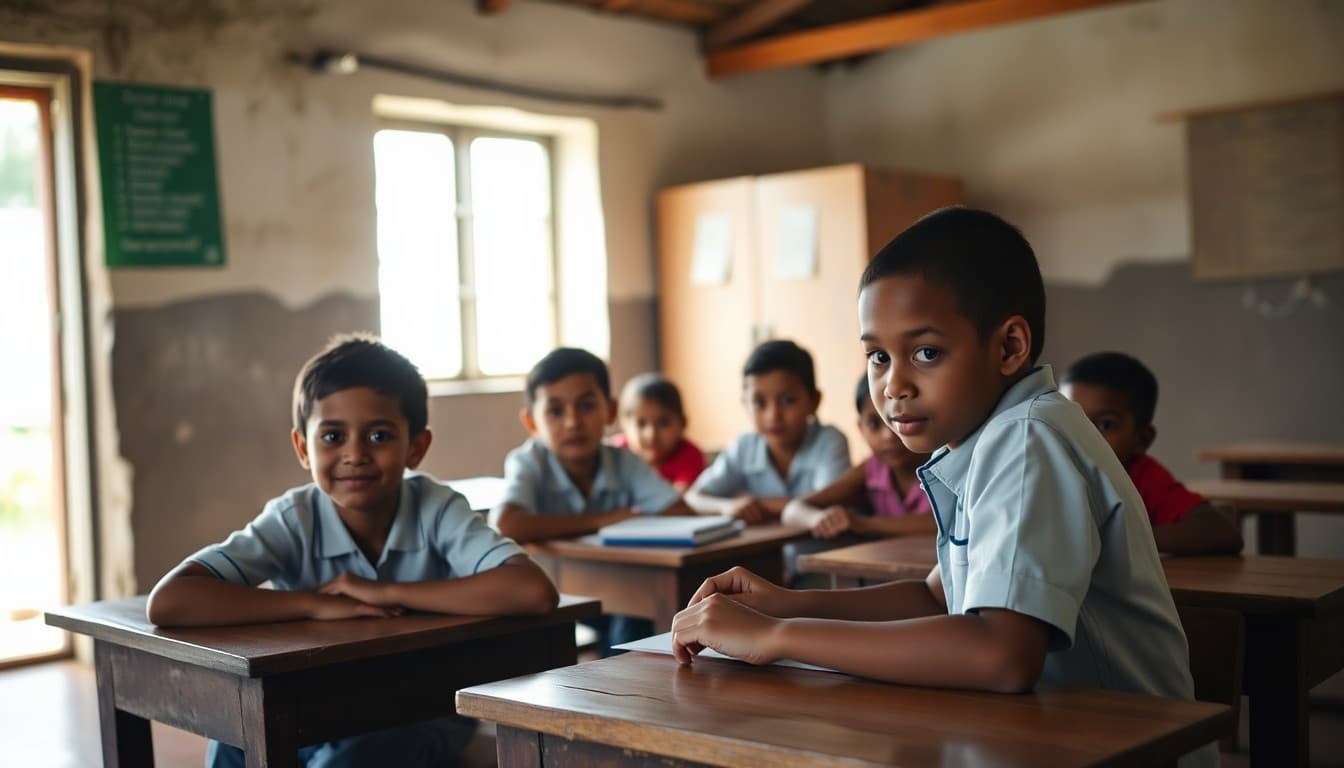
One-Room Schoolhouse Newsletter: Multi-Grade Communication Guide
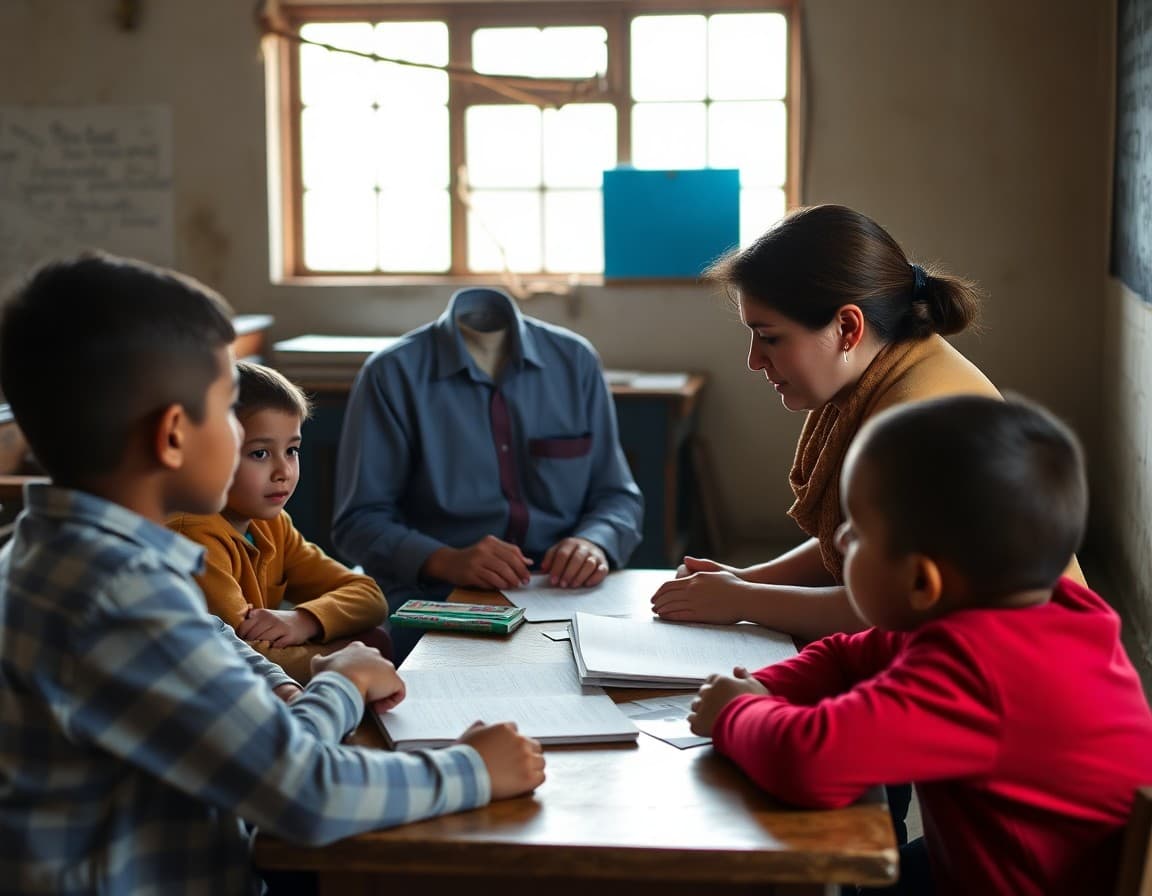
A one-room or two-room schoolhouse is one of the most personal educational environments in American education. Every adult in the building knows every child by name, every grade is visible to every other grade, and the school is woven into the fabric of a community that often has no other institution to anchor it. A newsletter for this kind of school is not just a communication tool. It is a record of a community's commitment to educating its children in their own place.
Write for the Community, Not Just the Families
In a small rural community, the school newsletter reaches far beyond the parents of enrolled students. Neighbors, grandparents, local business owners, and former students all want to know what is happening at the school. Post your newsletter publicly, send it to anyone who asks, and write it with the understanding that it represents the whole community's investment in its children. "Last month, the fourth and fifth graders completed their local history unit with an oral history project. They interviewed 14 community members, including three families who have farmed the same land for four generations. The recordings are archived at the school and available to any community member who wants to hear them."
Explain How Multi-Grade Learning Works
New families and skeptical community members often wonder whether a child can receive adequate individual attention in a classroom serving six grade levels. Answer this directly, with specifics. "On any given morning, our classroom might have six students working on multiplication, four students reading independently, three students researching for a writing project, and two students completing a science observation. I work with each group for focused instruction, while the others work independently or collaborate. The older students often help the younger ones, which deepens their own understanding while building leadership skills." That description is more persuasive than any defense of the multi-grade model in the abstract.
Report on All Grades Together
In a multi-grade classroom, what happens in one grade is often connected to what happens in another. Show families the connected nature of learning across grades. Here is a format that works:
What We're Learning: October Across All Grades
Kindergarten and Grade 1: Students are working on letter-sound correspondences and beginning to blend sounds into simple words. The older students in Grade 2 have been reading short books aloud to them on Fridays.
Grades 2 and 3: Multiplication facts through 5s. The Grade 3 students are mentoring the Grade 2 students using flash card practice during the last 10 minutes of math each day.
Grades 4 and 5: State history unit. Students are interviewing community members about local history for an oral history project due November 15th.
Grade 6: Independent research on a chosen career for a presentation to the full school in December.
Celebrate Cross-Age Relationships
The most distinctive feature of a one-room school is the genuine relationship that develops between students of different ages. When a sixth-grader and a second-grader work together over five years, something happens that does not happen in age-segregated schools. Document those relationships specifically. "This month, the oldest and youngest students in the school worked on a reading project together. The sixth-grader is teaching the first-grader phonics using games she invented herself. She says teaching it is helping her remember how hard it was to learn and making her more patient with things she is still learning herself."
Communicate the School's Role in the Community
Rural schools often serve as community anchors. Document that role in the newsletter. When the school hosts a community event, serves as a polling place, or provides a gathering space for local organizations, that role deserves to be named. "The school hosted the annual community potluck on October 12th, attended by 67 people, the largest turnout in five years. Students performed two songs and presented their fall science projects. Three families who attended had no children currently enrolled in the school."
Address the School's Challenges Honestly
Small rural schools face real challenges: declining enrollment, inadequate facilities, teacher recruitment difficulties, and uncertain funding. Communicating about these challenges honestly, before they become crises that families only learn about through rumor, builds trust and mobilizes the community to help. "Our enrollment has declined from 24 students three years ago to 18 this year. We wanted families and community members to know this because enrollment directly affects our state funding. We are working with the district on strategies to maintain our viability as an independent school. If you know families in the area with school-age children who might be interested in learning more, please share our information with them."
Celebrate What Cannot Be Replicated
Close every issue by naming one thing that is only possible in this specific school. "This week, all 18 students walked together to the creek half a mile from school to observe the fall salmon run. Every student, from kindergarten to sixth grade, stood at the bank and watched three Chinook salmon navigate the shallow water upstream. The sixth-graders explained the life cycle to the kindergartners. This is something our students do because our school is small enough to walk anywhere together and because we live in a place where wild salmon still run. That is worth naming."
Get one newsletter idea every week.
Free. For teachers. No spam.
Frequently asked questions
What unique communication challenges does a one- or two-room schoolhouse face?
The school is small enough that most families know most things through informal networks, but that informality means some families, particularly newer ones or those who are not embedded in the community, miss important information. The newsletter formalizes communication that might otherwise happen only at the feed store or after Sunday services. It also creates a documented record of what the school is doing that serves the school during any external review or compliance process.
How do we write about multi-grade learning for families who are skeptical about it?
Show them the evidence in specific terms. Describe how older students who explain a concept to younger students demonstrate deeper understanding. Show how students at different stages of the same topic bring different perspectives that enrich the discussion for everyone. Research consistently shows that multi-grade classrooms, when well-managed, produce outcomes equivalent to or better than single-grade classrooms. Cite specific examples from your school rather than citing research.
How do we handle a newsletter for a school with fewer than 20 students?
Name everyone. With 18 students, every student can appear in every issue if the teacher is deliberate about rotating recognition. Every family can be addressed almost personally. Use that intimacy as a feature. Write as if you are writing to each family individually while knowing that everyone will read it. That tone is appropriate to a small school and is what families chose when they decided to live in a small community.
What academic content works in a one-room schoolhouse newsletter?
Report on what all students are working on simultaneously, with notes on how different grade levels approach the same content. If the school is doing a community history unit, describe what first-graders are drawing, what third-graders are interviewing, and what fifth-graders are writing. That cross-grade picture shows families the scope of the curriculum and the depth of the community connection.
Can Daystage help a teacher in a one- or two-room school publish a newsletter without administrative support?
Yes. Daystage is built to be usable by a single person without a communications team. A teacher who is also the principal of a small rural school can build a newsletter template, update it monthly, and send it to all families in under an hour. The platform handles the formatting and delivery, which frees the teacher to focus on the content that families actually need.

Adi Ackerman
Author
Adi Ackerman is a former classroom teacher and curriculum writer with 8 years in K-8 schools. She writes about school communication, parent engagement, and what actually works in real classrooms.
More for Rural & Title I
Ready to send your first newsletter?
3 newsletters free. No credit card. First one ready in under 5 minutes.
Get started free