Blog /
Parent Engagement
Strategies to improve open rates, engagement, and family communication
Open rate is a metric. Parent engagement is the outcome. These two things are related but not the same, and most school communication strategies optimize for the first while hoping for the second. The articles here focus on the outcome: getting families to show up, respond, volunteer, and stay connected throughout the school year. You will find research-backed frameworks for improving response rates, guides on building two-way communication channels, and specific tactics for reaching the families who are hardest to reach: working parents, families with language barriers, and parents of older students.

School Newsletter for Working Parents: Communication That Fits Busy Schedules
Working parents are not disengaged. They are overscheduled. Here is how to write school newsletters that reach families who have ten minutes between meetings and no margin for confusion.

School Newsletter for Single Parent Engagement That Works
How schools can design newsletters that genuinely reach single parents, respect their time constraints, and build meaningful family-school connections.

How to Share Student Success Stories in Newsletters While Protecting Privacy
Celebrating student achievements in newsletters builds community and engagement. Here is how to do it without crossing privacy lines or embarrassing families.

How to Include Student Voice in Your Parent Newsletter
When students contribute to the newsletters their parents receive, engagement jumps. Here is how to include genuine student voice without losing editorial control.
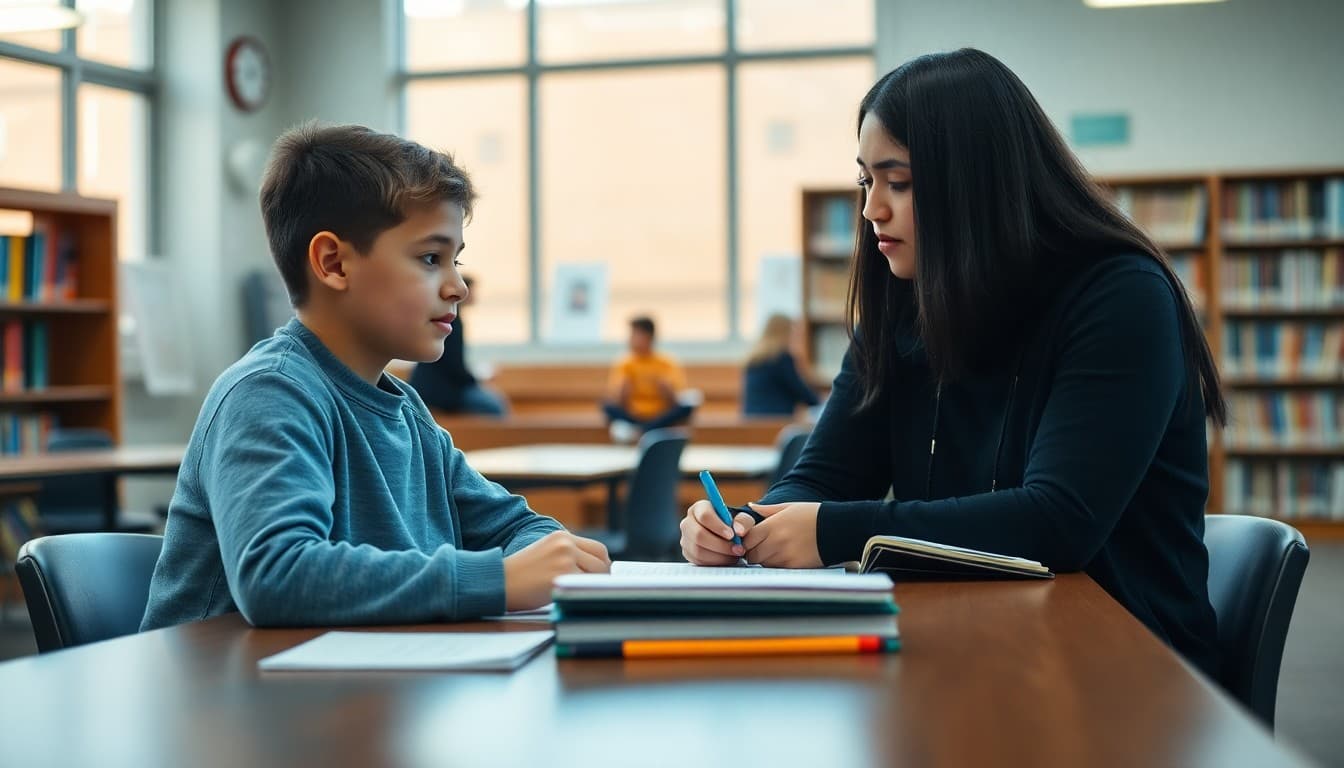
School Newsletter: Communicating Tutoring Vouchers and Academic Support Programs
How schools communicate about tutoring vouchers, academic support programs, and intervention services in newsletters. What families need to know to access these resources and why clear communication increases uptake.

How to Write a Welcome Newsletter That Makes New Families Feel at Home
The first newsletter a new family receives sets the tone for the whole year. Here is how to write a welcome newsletter that builds trust before school even starts.
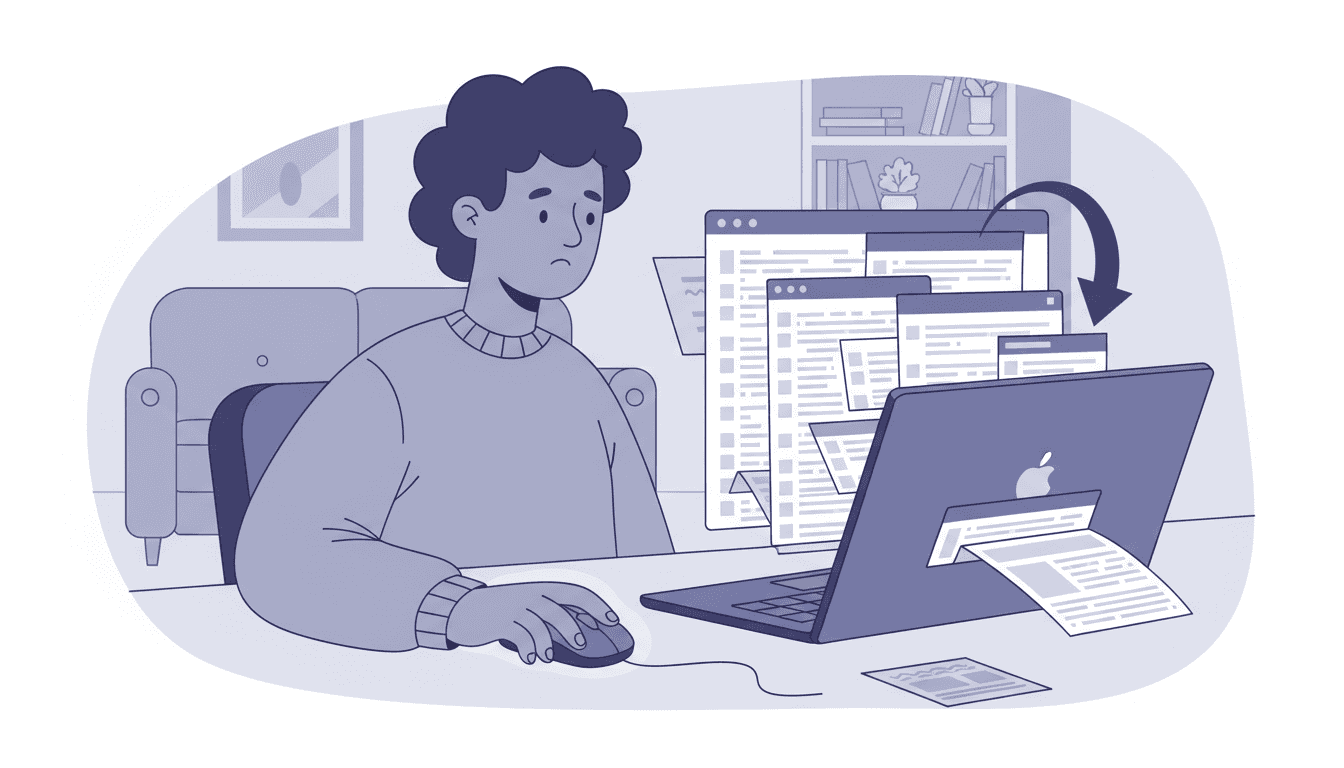
Why Parents Ignore School Newsletters (And What to Do About It)
If parents are not reading your school newsletter, it is not because they do not care. It is usually one of a handful of fixable reasons. Here is how to diagnose the problem and fix it.

Video in School Newsletters: How to Use It Without Creating More Work
A practical guide for teachers on when and how to include video in parent newsletters, what types of video content work best, and how to avoid the common traps.

Voice and Tone Consistency in School Newsletters: Why It Matters and How to Maintain It
How teachers and school communicators build a consistent newsletter voice over time, why consistency builds family trust, and what to do when multiple people write the same newsletter.
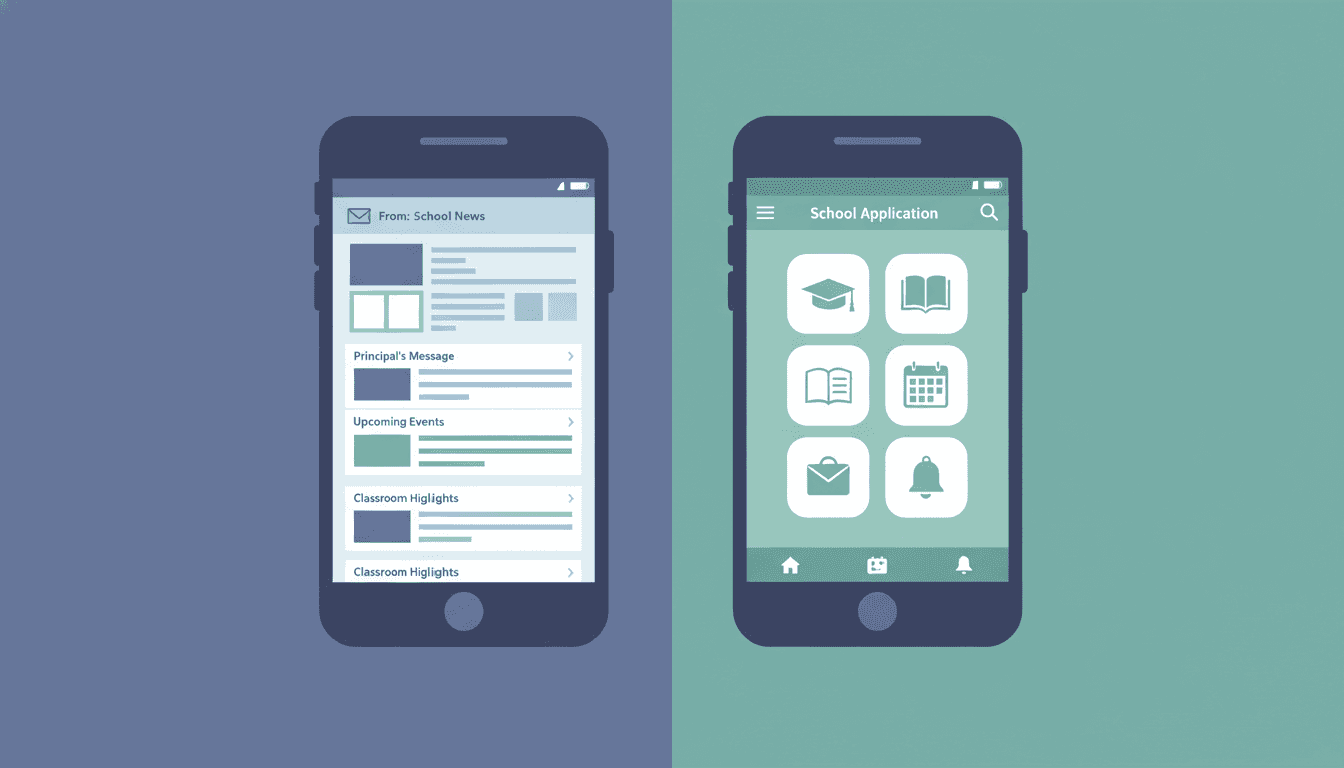
School Newsletter vs. School App: Which Is Better for Parent Communication?
Schools use apps like ClassDojo, Bloomz, and Remind. Teachers send newsletters. Which approach actually works better for reaching parents? Here is an honest comparison.

School Newsletter Welcome Series: How to Onboard New Families the Right Way
How teachers and schools use an automated welcome newsletter series to orient new families, build trust quickly, and reduce the repetitive questions that come from families who lack context.

Winter Holiday School Newsletter Guide: What to Include and What to Avoid
How teachers write winter newsletter content that celebrates the season, keeps families informed, and stays inclusive across a diverse school community.

School Newsletter Proofreading Guide: How to Catch Errors Before Families Do
A practical proofreading system for teachers who want to send error-free school newsletters without spending 30 minutes checking every issue.

School Newsletter Communication in Rural Areas: Reaching Families With Limited Digital Access
How rural schools build newsletter communication strategies that serve families with spotty internet, limited smartphone access, and longer distances from the school building.

School Newsletter: Communicating With Separated and Divorced Parents
How schools manage newsletter communication when parents are separated or divorced. FERPA considerations, multi-household communication, and how to keep all involved adults informed without creating conflict.

Spring School Newsletter Guide: What Families Need to Know in the Final Stretch
How teachers write spring newsletters that cover end-of-year logistics, academic wrap-up, and the transition planning families need before summer.

Student Photo Privacy in School Newsletters: What Teachers Need to Know
A clear guide for teachers on navigating student photo permissions, FERPA compliance, and family preferences when including images in school newsletters.

School Newsletter Summer Strategy: How to Stay Connected With Families Over the Break
How teachers and schools can use summer newsletters to maintain parent connections, prepare families for the next school year, and return to September with engaged families already warmed up.

How to Make Your School Newsletter Mobile-Friendly
More than 60 percent of school emails are opened on mobile devices. If your newsletter does not work on a phone, it does not work for most of your parents. Here is how to fix that.

How to Write School Newsletters That Reach Non-English-Speaking Families
Families who do not speak English fluently are often left behind by school communications. These strategies help teachers reach them without doubling their workload.
School Newsletter: Parent Spotlight Features That Build Community
How to write compelling parent spotlight features for school newsletters. Who to feature, what questions to ask, how to get participation, and why recognizing parent contributions strengthens school community.
School Newsletter: How to Collect and Use Parent Submissions
A practical guide to collecting parent contributions, stories, and updates for school newsletters. How to invite submissions, what editorial guidelines to set, and how parent voices improve newsletter engagement.
Using Photos in School Newsletters: Best Practices for Teachers and Principals
Photos in school newsletters boost engagement, but they can also slow load times, create privacy issues, and break layouts. Here is how to use them well.

School Newsletter Growth Strategy: How to Reach More Families Without Buying Lists
Practical strategies for teachers and school communicators who want to grow their newsletter subscriber base organically and reach families who are currently not receiving school communications.

School Newsletter: Homework Hotline Now Available for Students
How to write a school newsletter announcing a homework hotline. Templates for communicating hours, subjects, how to access it, and what students can expect.

School Newsletter Image Copyright: What Teachers Need to Know Before Sending
A practical guide for teachers on using images legally and safely in school newsletters, including free image sources, student photo rules, and what to avoid.

Infographics in School Newsletters: How to Make Complex Information Easy to Read
A practical guide for teachers and school communicators on using infographics in parent newsletters to explain data, calendars, and processes in ways families actually understand.

How Long Should a School Newsletter Be? The Data on Ideal Length
Too long and parents stop reading. Too short and you lose credibility. Here is what the data says about ideal school newsletter length and how to apply it to your weekly communication.
How to Make School Newsletters Accessible to All Families Including Low-Income Households
A school newsletter that only reaches tech-comfortable, English-speaking families with reliable internet is leaving people out. Here is how to build equitable school communication.
School Newsletter: Engaging Dads and Father Figures in School Life
How school newsletters can specifically engage dads and father figures. What communication strategies work, how to address barriers to father involvement, and what schools gain when fathers are active participants.

School Newsletter: Engaging Grandparents and Extended Family
How school newsletters can engage grandparents and extended family members as active school community participants. Communication strategies, event ideas, and how to include extended family in school life.

School Newsletter: Including Stepparents and Blended Family Members
How school newsletters can acknowledge and include stepparents and blended family members. Communication strategies that respect family complexity, FERPA considerations, and how to engage all caring adults.

Writing School Newsletters for Working Parents: Respecting Their Time and Attention
Most parents are busy. Writing a newsletter that respects that reality is not just considerate, it is the key to getting it read. Here is how to write school newsletters for working parents.

School Newsletter: Supporting and Communicating With Foster Families
How schools communicate with foster parents through newsletters. What foster families need to know, how to support foster children in school communications, and what legal frameworks govern information sharing.
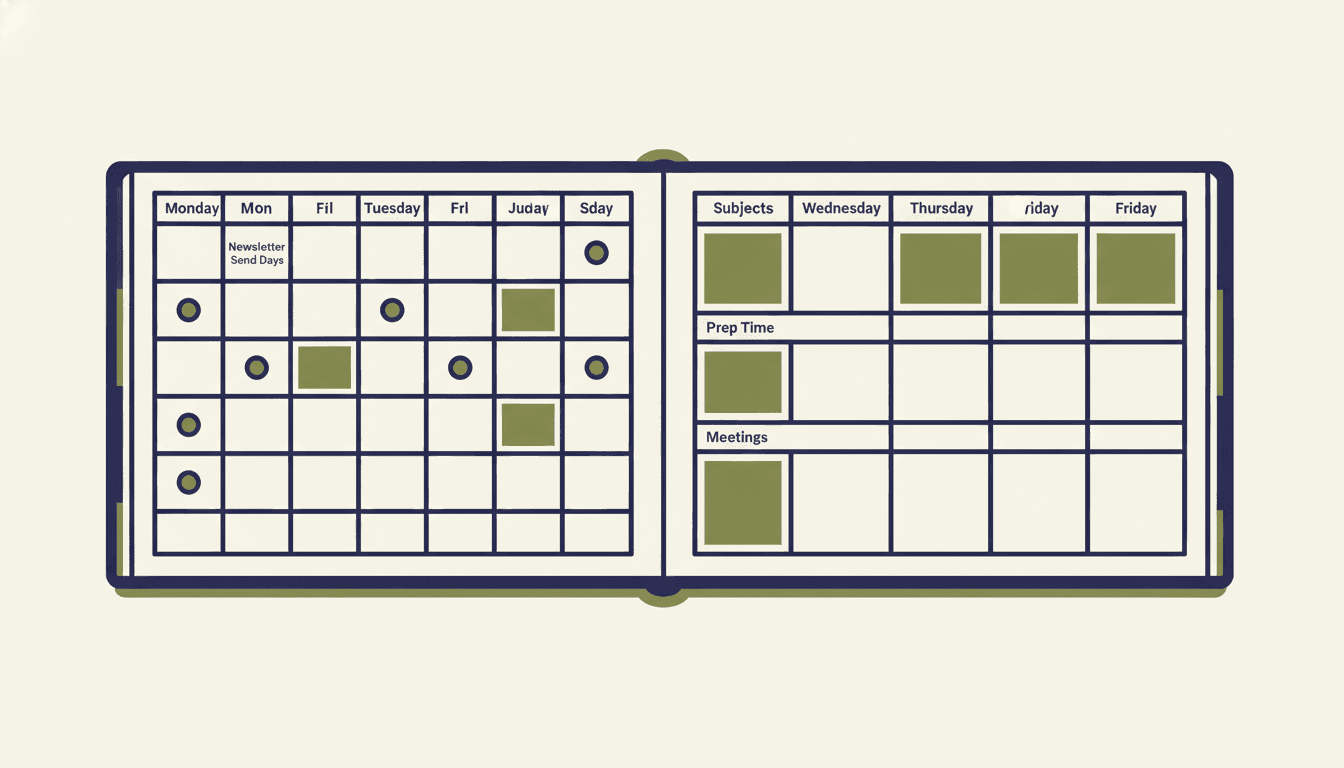
How Often Should Teachers Send School Newsletters? A Frequency Guide
Too few newsletters and parents feel out of the loop. Too many and they stop reading. Here is how to find the right school newsletter frequency for your classroom or school.
School Newsletter Call-to-Action Examples That Get Parents to Respond
Most school newsletters end weakly or ask for too many things at once. Here are call-to-action examples and strategies that actually get parents to respond, sign up, and show up.

School Newsletter Compliance: GDPR, COPPA, and Data Privacy for School Email Lists
What US teachers and school administrators need to know about email compliance, data privacy laws, and best practices for managing parent newsletter subscriber lists responsibly.

School Newsletter Design Tips: How to Format Your Newsletter for Maximum Readability
Good design is not decoration. It is the difference between a newsletter parents read and one they scroll past. Practical formatting and design tips for teachers and school communicators.

The School Newsletter Editor Role: How to Run a Multi-Contributor School Newsletter
How schools assign and manage a newsletter editor role to maintain quality, consistency, and voice across newsletters with multiple contributors from staff, administration, and the PTA.
How to Get Useful Feedback From Parents on Your School Newsletter
Parent feedback on your newsletter tells you what is working and what is not. Here are practical ways to collect it, interpret it, and use it to improve your school communication.

How to Communicate with Families During a School Crisis
When something goes wrong at school, families need fast, clear, and honest communication. Here is how to write and send newsletters that hold trust during difficult moments.

How to Make Your School Newsletter Accessible for Parents with Disabilities
Parents with visual, cognitive, or motor disabilities deserve full access to school communications. Here are practical steps teachers can take to make newsletters more accessible.

Coordinating School Newsletter and After-School Program Communication for Families
When the school day and after-school program send separate newsletters, families can feel overwhelmed. Here is how to coordinate communication so families stay informed without being flooded.

AI Writing Tools for School Newsletters: How to Use Them Without Losing Your Voice
A practical guide for teachers on using AI writing assistants to help draft school newsletters faster, while keeping the personal voice that makes parent newsletters worth reading.

Celebrating School Milestones in Your Newsletter: Anniversary Issues and Community Moments
How teachers and school communicators mark significant school milestones in newsletters, from year anniversaries to classroom firsts, in ways that build community pride.

School Newsletter Archive Strategy: Why It Matters and How to Build One
How teachers and schools can build an accessible newsletter archive so families can find past communications, new families can catch up, and important information is never lost.

Parent Volunteer Guide Newsletter: How to Get Involved
How to write a parent volunteer guide newsletter that recruits the right families, sets expectations clearly, and builds a reliable volunteer base all year.

Parent Workshop Newsletter Template for Schools
Drive parent workshop attendance with a newsletter that explains the value clearly and reduces every friction point. Template, subject lines, and follow-up strategy included.
Common questions
What is the difference between parent communication and parent engagement?
Communication is one-way: you send, they receive. Engagement is two-way: families respond, participate, and take action. Most school newsletters are communication. The goal is to use communication as a tool for engagement by including specific asks in every message.
How do I increase parent newsletter open rates?
Three changes that consistently move the number: send from a recognizable person (not "Room 12 Newsletter"), use a specific subject line that references a date or event, and send at 7-8am on a weekday. Those three changes alone can take open rates from 25% to 40%.
How do I reach parents who never open newsletters?
Diversify your channels. Some parents do not read email but do read texts. Some read email only on weekends. A newsletter sent to email with a short SMS reminder for high-priority updates reaches a broader group than email alone.