
Why Parents Ignore School Newsletters (And What to Do About It)
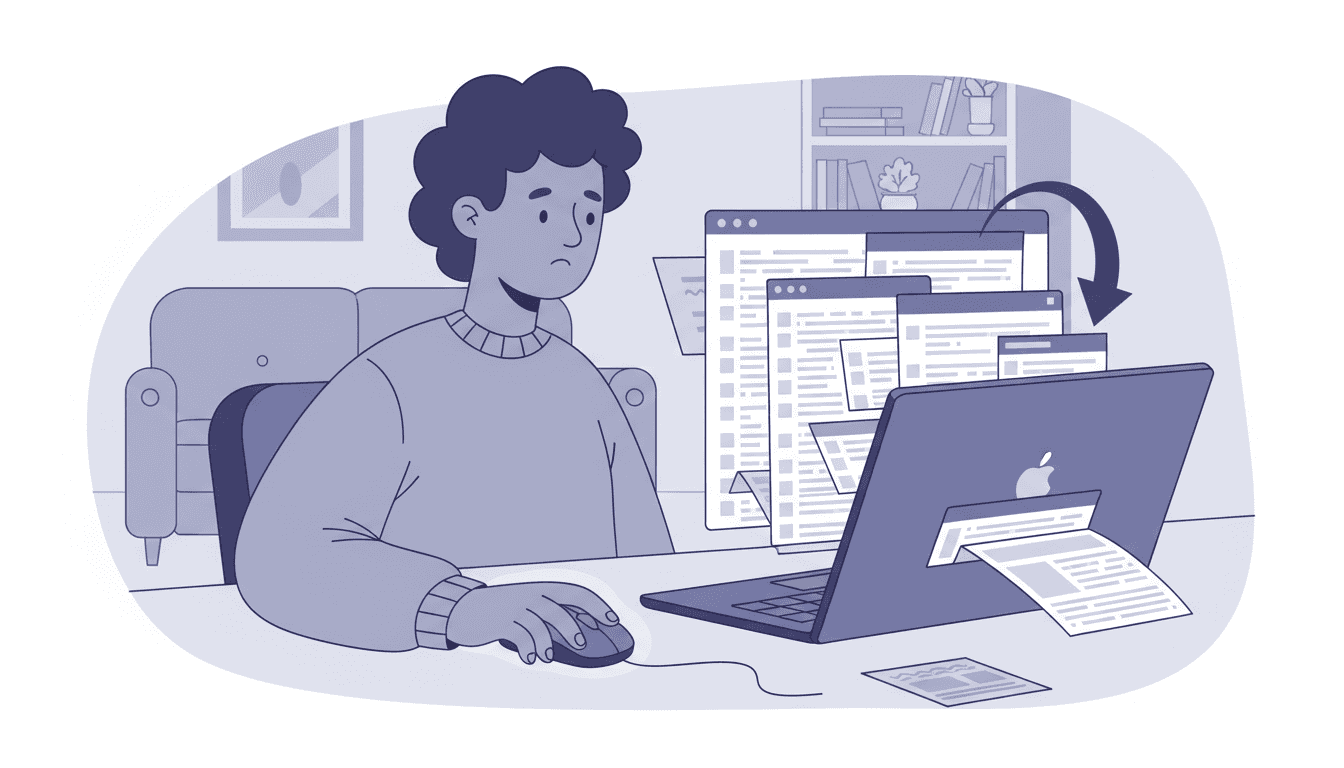
Teachers put real effort into school newsletters. They organize the content, keep track of upcoming dates, describe classroom moments, and worry about the formatting. Then they see the open rates (or notice that parents keep asking about things the newsletter clearly covered) and feel like the effort is going nowhere.
The natural assumption is that parents do not care. But that is usually not the diagnosis. Here are the real reasons parents ignore school newsletters, and what to do about each one.
Reason 1: The newsletter is not recognizable in the inbox
Parents receive dozens of emails a day. In a busy inbox, anything unfamiliar gets skipped. If your newsletter comes from a generic address, a district email system that masks your name, or an address the parent does not recognize, it gets ignored or filtered.
Fix: Send from a name parents recognize: "Ms. Chen, Room 4" not "school-comms@district.edu". If your email system forces an institutional address, mention in your first newsletter of the year which address your newsletters will come from so parents can look for it and add it to their contacts.
Reason 2: There is no established habit
Email habits form around predictable patterns. If parents do not know when to expect your newsletter, they do not build a mental slot for it. When it arrives unpredictably, it is easy to defer reading it to later, which usually means never.
Fix: Send at the same time every week. Tell parents in your first newsletter: "My classroom newsletter arrives every Sunday evening." After four or five weeks, parents who find it useful start looking for it on Sunday evenings. That anticipation is half the battle.
Reason 3: The newsletter has never delivered enough value to be worth opening
This is harder to hear, but it is often true. If a newsletter consistently contains generic updates, dates available everywhere else, and content that does not connect to the parent's specific child, parents learn that opening it is not worth their time.
Fix: Make your newsletter the best source of information about what is actually happening in your classroom. Include one specific, genuine classroom moment each week. Give parents a question to ask their child that will actually start a conversation. Include one thing they cannot get from the school app or district calendar. Create value, and the habit of opening will follow.
Reason 4: It is too long
Parents who have opened your newsletter and found 800 words of content they had to wade through to find the two items that applied to them have learned a lesson: it takes too long to extract value from this newsletter. They stop trying.
Fix: Get to 400 words or fewer. Use headers so parents can navigate. Put the action items at the top. Make it possible to read the important parts in 90 seconds.
Reason 5: It is landing in spam or promotions
Some parents are not ignoring your newsletter. They are not seeing it. If the newsletter is being filtered into spam or a promotions tab, it might as well not exist.
Fix: Ask parents to add your newsletter sender address to their contacts and check their promotions or spam folder for the first two issues. A simple line in your first newsletter: "If you do not see this email in your main inbox, check your promotions or spam folder and add [address] to your contacts." This is a one-time ask with a lasting effect.
Reason 6: The content does not feel relevant to their child
A newsletter that reads like a report on what the class did, with no connection to an individual student's experience, does not give any one parent a reason to read it carefully. It reads like a bulletin, not a communication.
Fix: Write content that parents can connect to their child. Not by naming individual students, but by describing classroom moments in enough specificity that any parent can picture their child in the room. "This week students got stuck on a problem and had to work through it together" resonates more than "students practiced problem-solving."
Reason 7: Too many communications are competing for the same attention
Parents may be receiving newsletters from two classroom teachers, the principal, the district, the PTA, the sports coordinator, and three different apps. Every one of those communications is asking for attention. When something competes with everything else and does not immediately earn its place at the top, it gets buried.
Fix: You cannot control how many emails parents receive from other sources. You can control how good yours is. A newsletter that consistently delivers real value gets opened even when parents are overwhelmed. One that does not is the first to be skipped.
How to diagnose your specific problem
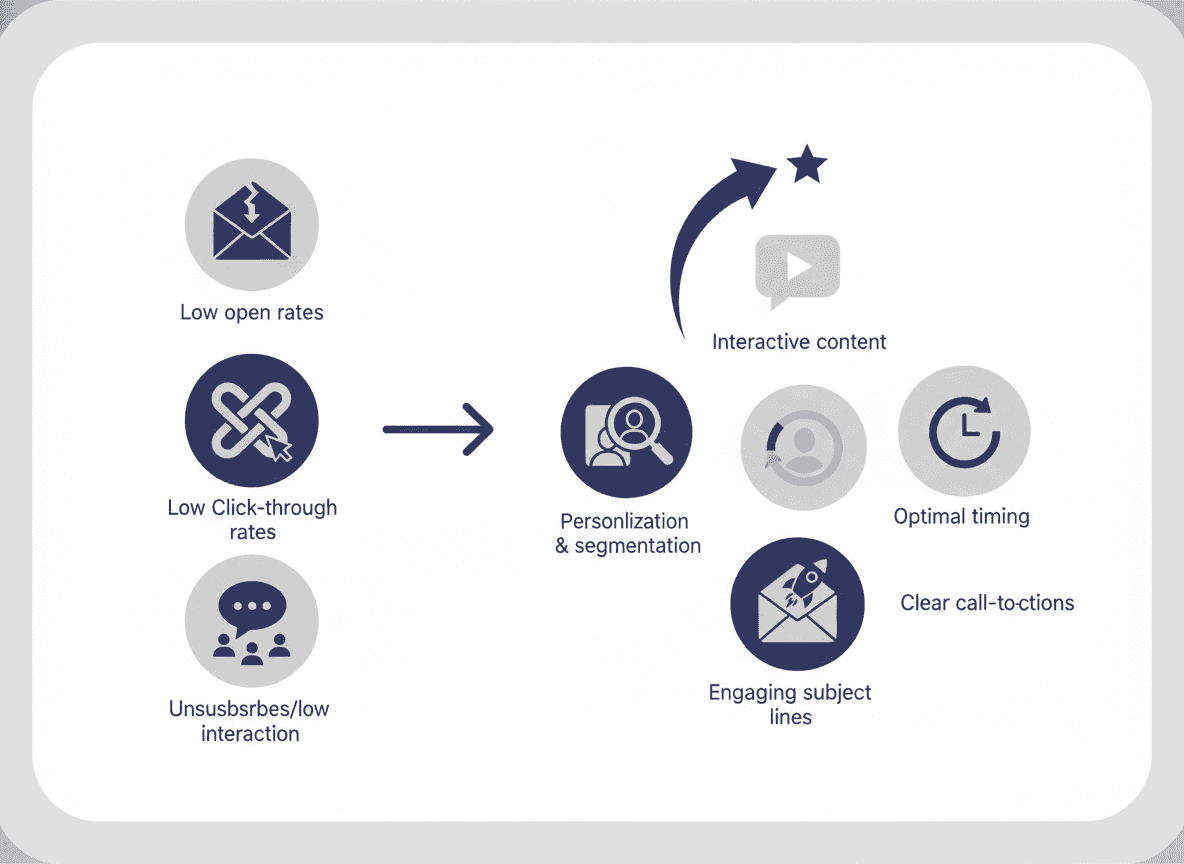
If you use Daystage, your open rate and click rate data point to which issue you are dealing with. Low open rate plus high click rate among openers means your subject lines need work. Low open rate plus low click rate suggests the newsletter is not delivering value. Very high open rate but parents still seem uninformed suggests they are opening but not finishing.
Diagnosis comes before fixing. Run your newsletter for six weeks, look at the data, and target the one problem that is costing you the most engagement.
Get one newsletter idea every week.
Free. For teachers. No spam.
Frequently asked questions
When do parents decide whether to open a school newsletter?
In about 2 seconds, before reading a single word of content. The decision happens at the From name, the subject line, and the first few words of preview text visible in their inbox. If any of those three fail to signal relevance, the newsletter gets deferred indefinitely.
What is the most common reason parents stop reading school newsletters?
The newsletter has never delivered enough value to be worth opening. Parents who opened it twice and found generic updates, dates available everywhere else, and content with no connection to their specific child have learned that opening it is not worth their time. The habit of ignoring forms from that pattern, not from indifference.
How can teachers diagnose why parents are ignoring their school newsletter?
Check your open rate trend over 8 to 12 weeks, monitor bounce rates, note which parent questions repeat after newsletters that should have answered them, and ask directly at conferences. Each symptom points to a different problem: low open rate points to subject lines and sender name, repeated questions point to structure and visibility issues.
What should teachers avoid that consistently causes parents to ignore school newsletters?
Sending from a generic institutional address, maintaining an unpredictable send schedule, writing newsletters over 600 words, and including content that feels like a school broadcast rather than communication from a person who knows their child. Any one of these will suppress engagement. Multiple combined make the newsletter effectively invisible.
What tool helps teachers fix the reasons parents ignore their school newsletters?
Daystage addresses the structural causes directly. It gives teachers a consistent sender identity, scheduled delivery on the same day each week, a template that keeps length under control, and open rate analytics so teachers can see what is working and what needs to change.

Adi Ackerman
Author
Adi Ackerman is a former classroom teacher and curriculum writer with 8 years in K-8 schools. She writes about school communication, parent engagement, and what actually works in real classrooms.
More for Parent Engagement
How to Write a School Newsletter Parents Actually Read (Not Just Open)
Parent Engagement · 7 min read
Parent Communication Plan Template for Teachers: Building a System That Works All Year
Parent Engagement · 8 min read
School Newsletter Call-to-Action Examples That Get Parents to Respond
Parent Engagement · 6 min read
Ready to send your first newsletter?
3 newsletters free. No credit card. First one ready in under 5 minutes.
Get started free