

How Long Should a School Newsletter Be? The Data on Ideal Length
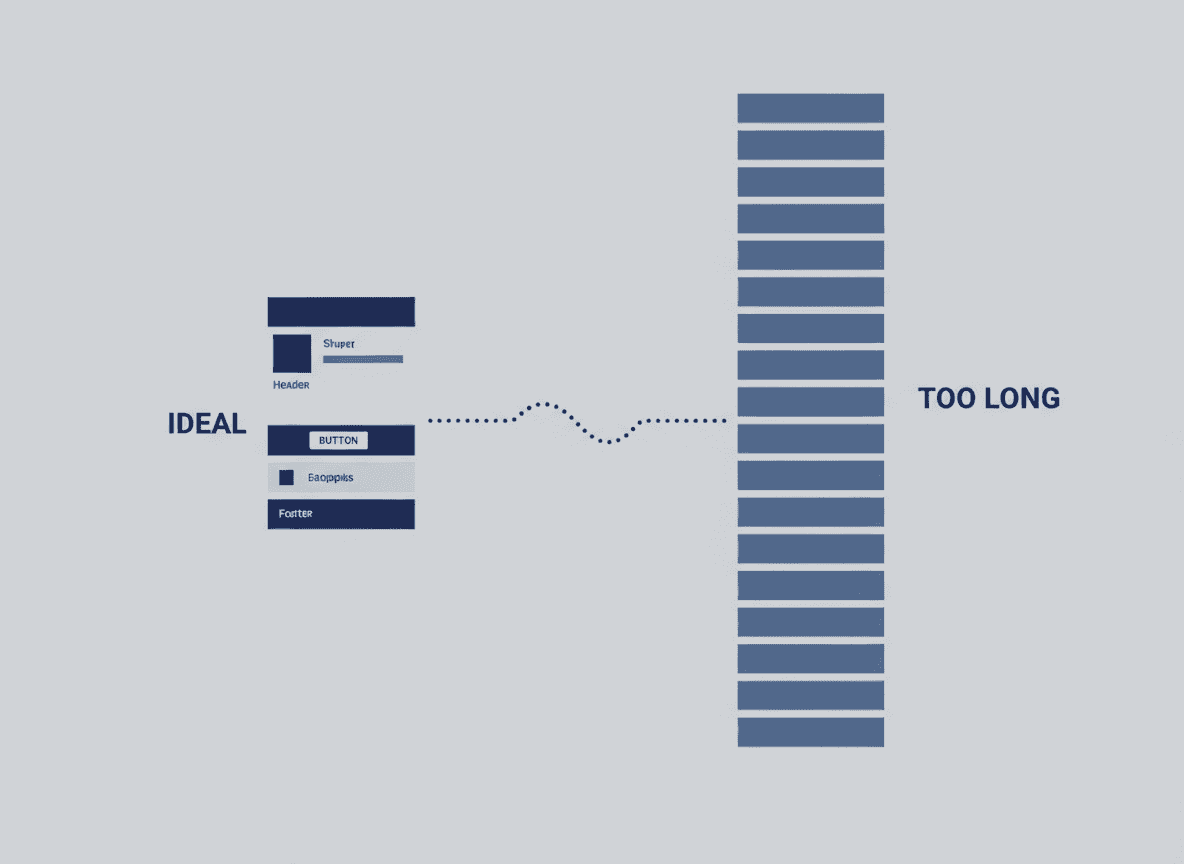
Teachers ask this question constantly: how long should my school newsletter be? The answer matters because length affects whether parents read it at all, and whether they trust you will not waste their time next week.
Here is what the data and practical experience with school newsletters suggest, along with how to apply it.
The range that works: 300 to 600 words for most newsletters
The sweet spot for a weekly classroom newsletter is 300 to 600 words of actual content. That translates to roughly three to five minutes of reading at an average adult pace.
Below 300 words, newsletters can feel like they are missing substance. Parents start to wonder if there is anything worth knowing, and open rates drop over time because the newsletter never seems to deliver value.
Above 600 words, completion rates fall sharply. Parents start, skim, lose track of what is important, and close the email without finishing. The information you spent time writing does not reach them.
The 300 to 600 word range is not a hard rule. A beginning-of-year newsletter setting up logistics might need 700 words. A short week with little to report might need 250. The goal is to match length to content, not to fill a quota.
Principal newsletters can run longer, with caveats
School-wide newsletters from principals deal with more content: multiple grade levels, school events, policy updates, community news. A principal newsletter covering a full month's content can reasonably run 600 to 900 words.
But longer only works if it is well-structured. A 900-word wall of text is worse than a 400-word newsletter with clear sections. If you write longer newsletters, use headers to create navigation points. Parents should be able to scan the headers and find what applies to them in under 30 seconds.
The subject line-to-length relationship
There is an interesting pattern in school newsletter analytics: newsletters with specific, engaging subject lines get read more thoroughly, regardless of length. A newsletter that earns a click from a good subject line has a parent who arrived expecting to find something useful. They read more.
A newsletter with a vague subject line that still gets opened tends to have lower read-through rates because the parent was not primed to look for anything specific. They scan briefly and leave.
What this means for length: a well-crafted 500-word newsletter from a teacher parents trust will outperform a tightly edited 250-word newsletter from someone who has not built that trust yet.
How to cut length without cutting information
Most newsletters are longer than they need to be not because they cover too many topics, but because each topic gets more words than it needs.
Practical cuts that save words without losing content:
- Remove filler phrases. "I just wanted to remind you that..." becomes "Reminder:". "As we head into the final weeks of the quarter..." can usually be cut entirely.
- Put dates in bullets, not paragraphs. Four upcoming dates take half the words in a list as they do in prose.
- Link instead of explain. If you need to share detailed information (field trip forms, curriculum guides, sign-up sheets), link to it rather than summarizing it in the newsletter.
- One classroom story, not three. Choose the most interesting moment from the week and describe it specifically. Three brief mentions of classroom activity are less engaging than one vivid one.
Length and frequency work together
Teachers who send weekly newsletters can write shorter ones because parents know the next update is coming. Teachers who send monthly newsletters often feel pressure to pack in everything, which drives length up and readability down.
If you find your newsletter consistently running long, that is often a sign to send more frequently with shorter installments, not to try to cut the same amount of content into fewer words.
Track completion, not just opens
Open rates tell you whether parents clicked. Click rates on links within your newsletter give you a rough signal of read-through: parents who click a link you embedded in section three probably read section three.
Daystage shows you both open rates and click rates for every newsletter. Over time, you can see whether parents are clicking links near the end of your newsletters (suggesting they are reading through) or only clicking links near the top. That data tells you where you are losing readers and whether your length is working.
The bottom line
A good school newsletter is as long as it needs to be and no longer. For most weekly classroom newsletters, that is 300 to 600 words. For principal newsletters covering broader ground, 600 to 900 words is reasonable with strong structure. Anything longer than 900 words should come with a very good reason.
Get one newsletter idea every week.
Free. For teachers. No spam.
Frequently asked questions
When should teachers write a longer school newsletter than usual?
A beginning-of-year newsletter setting up logistics can reasonably run to 700 words. A newsletter before a major event or conference may also need more space. The goal is to match length to content, not fill a word quota. Most weeks, 300 to 600 words covers everything parents need.
What is the ideal word count for a weekly classroom newsletter?
300 to 600 words is the range that works best. Below 300 words, newsletters feel like they are missing substance and open rates drop over time. Above 600 words, completion rates fall sharply. Parents start, skim, lose track of what is important, and close the email before finishing.
How can teachers cut newsletter length without losing important information?
Remove filler phrases, put dates in bullet lists instead of prose, link to detailed documents rather than summarizing them in the newsletter body, and choose one classroom story per week rather than three brief ones. These four cuts typically save 100 to 200 words without removing anything that matters to parents.
What length mistakes most hurt school newsletter readership?
Writing one long monthly newsletter instead of four shorter weekly ones is the most damaging pattern. Monthly newsletters balloon with information, parents skim the first section and stop, and the important items at the bottom never get read. Length and frequency work together: weekly newsletters can be short because the next one is coming.
What tool helps teachers keep school newsletters at the right length?
Daystage's template structure gives teachers defined sections that naturally constrain length. When the format is fixed, teachers write to fill the sections rather than writing until they run out of things to say, which reliably produces newsletters in the 300 to 500 word range.

Adi Ackerman
Author
Adi Ackerman is a former classroom teacher and curriculum writer with 8 years in K-8 schools. She writes about school communication, parent engagement, and what actually works in real classrooms.
More for Parent Engagement
How to Write a Welcome Newsletter That Makes New Families Feel at Home
Parent Engagement · 6 min read
How to Write School Newsletters That Are Inclusive for LGBTQ+ Families
Parent Engagement · 5 min read
Using Data to Improve Your Parent Newsletter: What the Numbers Actually Tell You
Parent Engagement · 5 min read
Ready to send your first newsletter?
3 newsletters free. No credit card. First one ready in under 5 minutes.
Get started free