

How to Write a Welcome Newsletter That Makes New Families Feel at Home
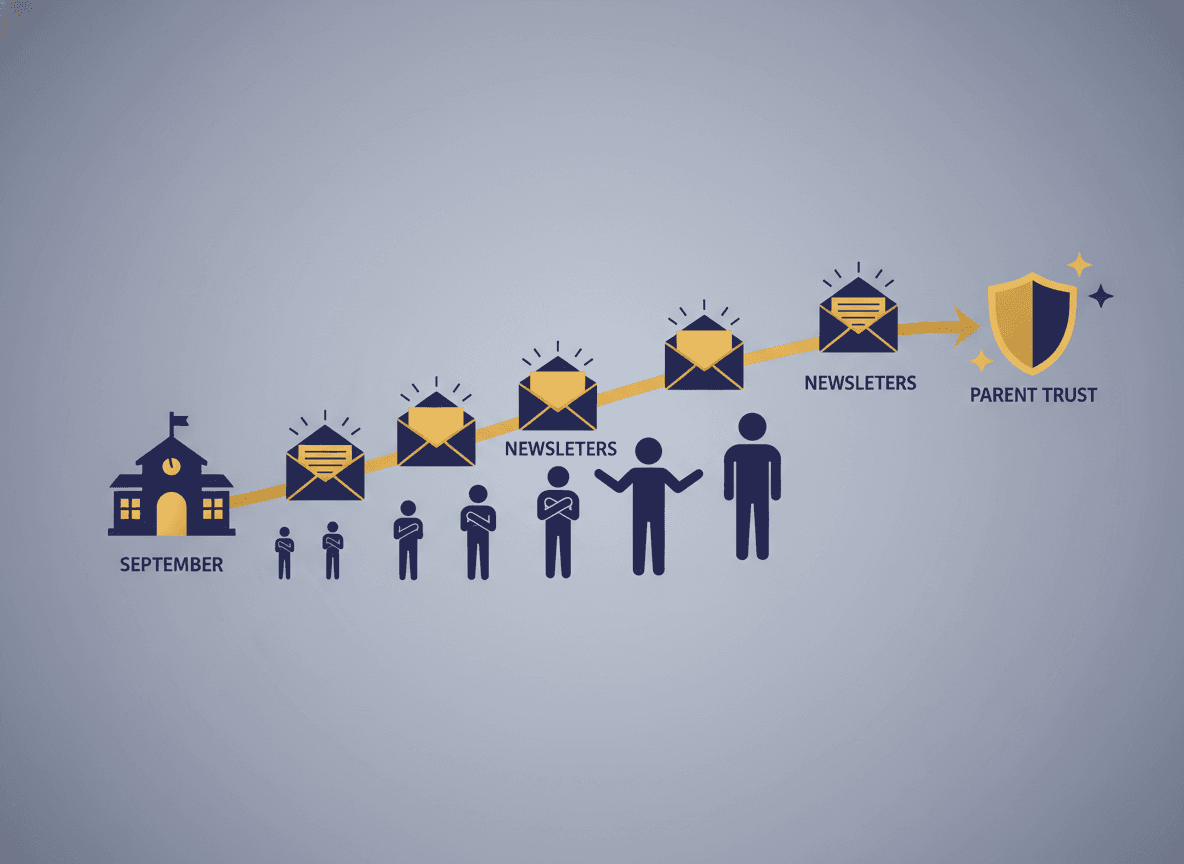
The first newsletter a new family receives from a teacher is also the first impression they form of how that teacher communicates. It tells them whether this person is warm or formal, whether they will be kept informed or left guessing, and whether this is going to be a relationship or a broadcast. What you write in that first email shapes everything that follows.
Most welcome newsletters underestimate this moment. They cover logistics, list supply requirements, and remind families about the back-to-school night date. All of that is necessary, but none of it builds a relationship. Here is how to do both.
Introduce yourself as a person first
Parents want to know who is spending 35 hours a week with their child. Before you say anything about curriculum or classroom policies, say something true about yourself. Not your credentials, not your years of experience, but something that reveals who you are.
It does not need to be elaborate. "I have been teaching fourth grade for six years, and every year the science fair still genuinely surprises me" is a sentence that tells families you are paying attention and that you find joy in this work. That is different from a list of qualifications, and it lands differently in a family's inbox.
Tell families what they can expect from your communication
One of the most useful things a welcome newsletter can do is set clear communication expectations upfront. When will families hear from you, and through what channel? How quickly do you respond to email? What kinds of things will you communicate in the newsletter versus directly to individual families?
Families who understand your communication rhythm from the start are less likely to develop anxiety about not hearing from you, and less likely to be startled by a direct message when one does arrive. Setting these expectations is a favor to both the family and to yourself.
Name one or two things you are genuinely excited about
A welcome newsletter that reads like a policy document gets filed and forgotten. A welcome newsletter that names something the teacher is genuinely looking forward to this year, whether it is a specific project, a book the class will read, or something about this particular group of students, gives families a reason to feel something.
Enthusiasm is contagious. When parents read that their child's teacher is genuinely excited about the year ahead, they carry some of that into their conversations with their student. You are setting an emotional tone for the class before school has even started.
Cover the logistics that relieve anxiety
First-day anxiety is real for both students and families. A welcome newsletter that proactively answers the questions families are already worrying about, what to bring on the first day, how drop-off works, what time school starts, how you handle the first week of homework, reduces that anxiety directly.
You do not need to cover every school policy in the first newsletter. Focus on the things that will determine whether the first morning goes smoothly. Everything else can wait for week two.
Invite families in before school starts
The best welcome newsletters end with an open invitation. Not a required action, but an optional one. "If you would like to share anything about your child that would help me serve them better from day one, reply to this email or send a note in their backpack." That sentence invites partnership without demanding it, and the families who respond tell you things that cannot be found in any student file.
Send a version to mid-year arrivals too
New families joining the class mid-year miss the welcome communication and often feel like they are parachuting into an existing community. Sending a brief personalized welcome newsletter to any new family at the time of their arrival, adapted to acknowledge they are joining an ongoing year rather than starting fresh, signals that they belong rather than just that they are enrolled.
Get one newsletter idea every week.
Free. For teachers. No spam.
Frequently asked questions
When should teachers send their welcome newsletter to new families?
Send it one to two weeks before the first day of school. Families who receive a warm introduction before the year starts arrive with less anxiety and more goodwill. Waiting until the first week of school means families are already forming impressions from incomplete information.
What should a welcome newsletter include that regular newsletters do not?
A welcome newsletter should introduce who you are as a person, not just as a teacher. Include something about your teaching philosophy, what you are genuinely excited about for the coming year, and one or two things that will help families know what to expect from your communication style going forward.
How long should a welcome newsletter be?
Shorter than you think. New families are processing a lot at the start of the year, and a long newsletter gets skimmed or set aside. Three to four focused sections, each under a paragraph, is enough to introduce yourself, set expectations, and invite families in. Save the detail for later in the year once the relationship is established.
How should a teacher handle mid-year new arrivals who missed the welcome newsletter?
Send a version of the welcome newsletter directly to any new family joining mid-year. Adapt it briefly to acknowledge they are joining an ongoing classroom community. This small gesture signals that they are not just being plugged into an existing list but genuinely welcomed.
How does Daystage make it easier to set up welcome communication for new families?
Daystage lets you add new subscribers to your newsletter list at any time and ensures they receive a consistent, professional newsletter from day one. You can send a standalone welcome edition before your regular rhythm begins, giving every family a warm introduction to your communication style.

Adi Ackerman
Author
Adi Ackerman is a former classroom teacher and curriculum writer with 8 years in K-8 schools. She writes about school communication, parent engagement, and what actually works in real classrooms.
More for Parent Engagement
How to Reach Families with Limited Technology Access Through School Newsletters
Parent Engagement · 6 min read
How to Use Surveys in Your School Newsletter to Hear From More Parents
Parent Engagement · 5 min read
How Long Should a School Newsletter Be? The Data on Ideal Length
Parent Engagement · 6 min read
Ready to send your first newsletter?
3 newsletters free. No credit card. First one ready in under 5 minutes.
Get started free