
How to Make School Newsletters Accessible to All Families Including Low-Income Households
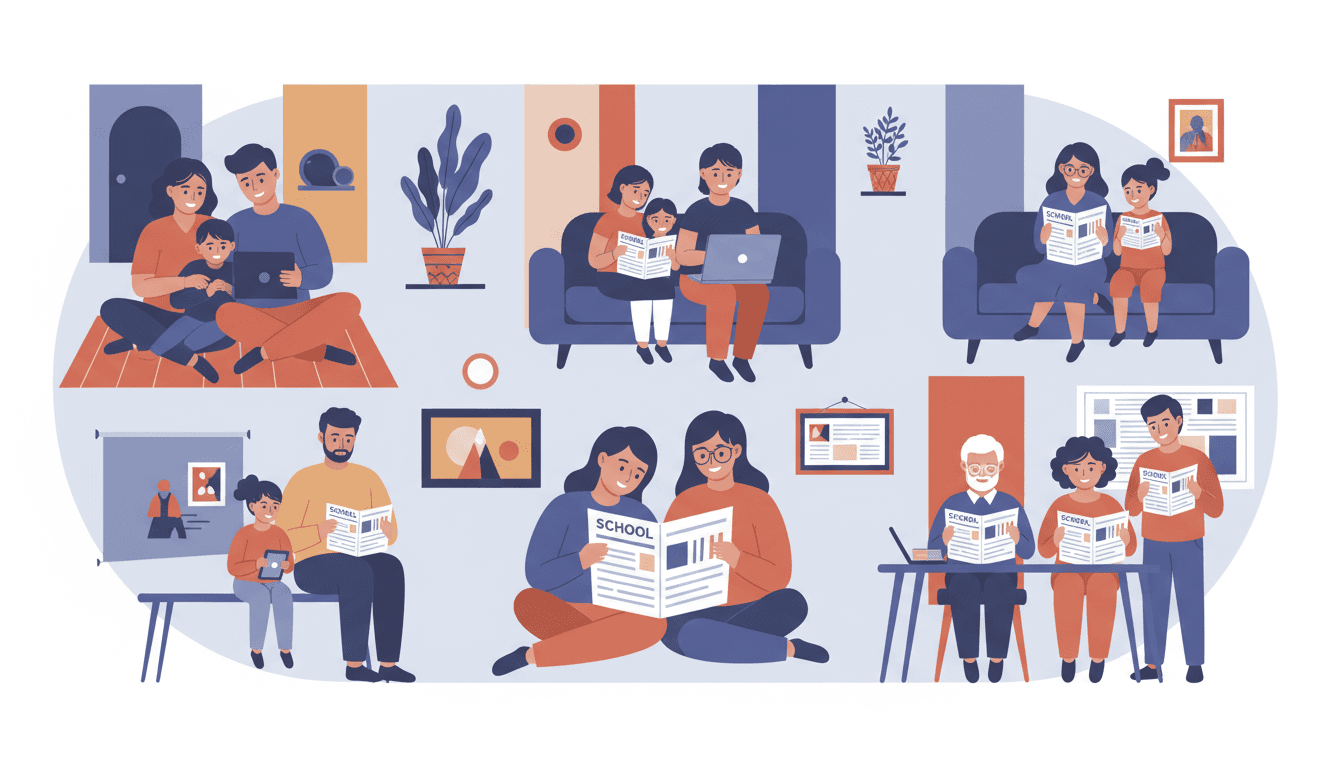
School newsletters are a powerful tool for parent engagement. But in many schools, they reach only a portion of the families they are intended to serve. Families without reliable internet access, families who are not fluent in English, and families navigating housing or economic instability are often the ones a newsletter-based communication strategy fails first.
Equity in school communication does not mean sending a newsletter and hoping everyone gets it. It means designing the communication system so that every family, regardless of their circumstances, has a realistic path to being informed.
Understand who you are not reaching
Before making changes, diagnose the gap. In many schools, the families who are least connected to school communication are also the hardest to identify through typical feedback channels. They are not responding to surveys. They are not replying to newsletters. They are not showing up to events.
Start with what you know: which students consistently miss permission slip deadlines? Whose parents you have never spoken with? Which families show up at conferences with little context for what their child has been doing in class?
These are likely the families your current system is not reaching. Understanding who they are is step one.
The digital divide is real and nuanced
"Digital divide" sometimes conjures an image of families with no technology at all. The reality is more nuanced. Many low-income families have smartphones but not computers. They have mobile internet but not home broadband. They have email addresses but check them infrequently because their primary communications happen through SMS.
What this means practically:
- A mobile-friendly newsletter that downloads quickly on a slow connection is more equitable than one that requires a desktop browser and fast Wi-Fi.
- A newsletter that links to heavy PDFs assumes broadband access. A newsletter that puts the key information in the email body itself does not.
- A newsletter sent at 7 PM assumes the parent checks email in the evening. A newsletter sent mid-morning may work better for families whose evening hours are unpredictable.
Printed newsletters still matter in many schools
For families with limited or unreliable email access, a printed newsletter sent home in the student's folder remains the most reliable channel. This is not nostalgic or inefficient. It is equitable.
A practical system: print a condensed version of your newsletter (the key action items and upcoming dates, not the full classroom narrative) and include it in the weekly take-home folder. A QR code on the printed version links to the full digital newsletter for families who want more detail.
This two-channel approach ensures that no family misses essential information because of an internet access gap.
Language access is not optional
In a school with English language learner families, a newsletter that arrives only in English communicates that those families are secondary stakeholders. Even families who have functional English may struggle with education-specific vocabulary and long written texts in a second language.
Options for language access:
- Full translation: Translate the complete newsletter into the primary languages spoken in your community. This requires time or budget for translation services but ensures full access.
- Summary translation: Translate only the action items and key dates into other languages, with a note that families can request full translation by contacting the school.
- Google Translate with human review: Machine translation is imperfect but better than no translation for many families. A bilingual staff member reviewing machine-translated text before it goes out catches major errors without requiring a professional translator for every newsletter.
Plain language helps everyone
Writing at a sixth to eighth grade reading level benefits families with limited formal education, English language learners, and families who are reading quickly during a busy moment. It does not disadvantage families with more formal education. Nobody has ever complained that school communication was too clear.
Practical plain language principles:
- Use short sentences (15 words or fewer on average).
- Choose common words over technical terms. "Reading skills" instead of "literacy competencies."
- Spell out what you mean by dates: "Monday, May 12" not "next Monday."
- State who needs to do what and by when in the first sentence of any action item.
Build multiple contact points into your system
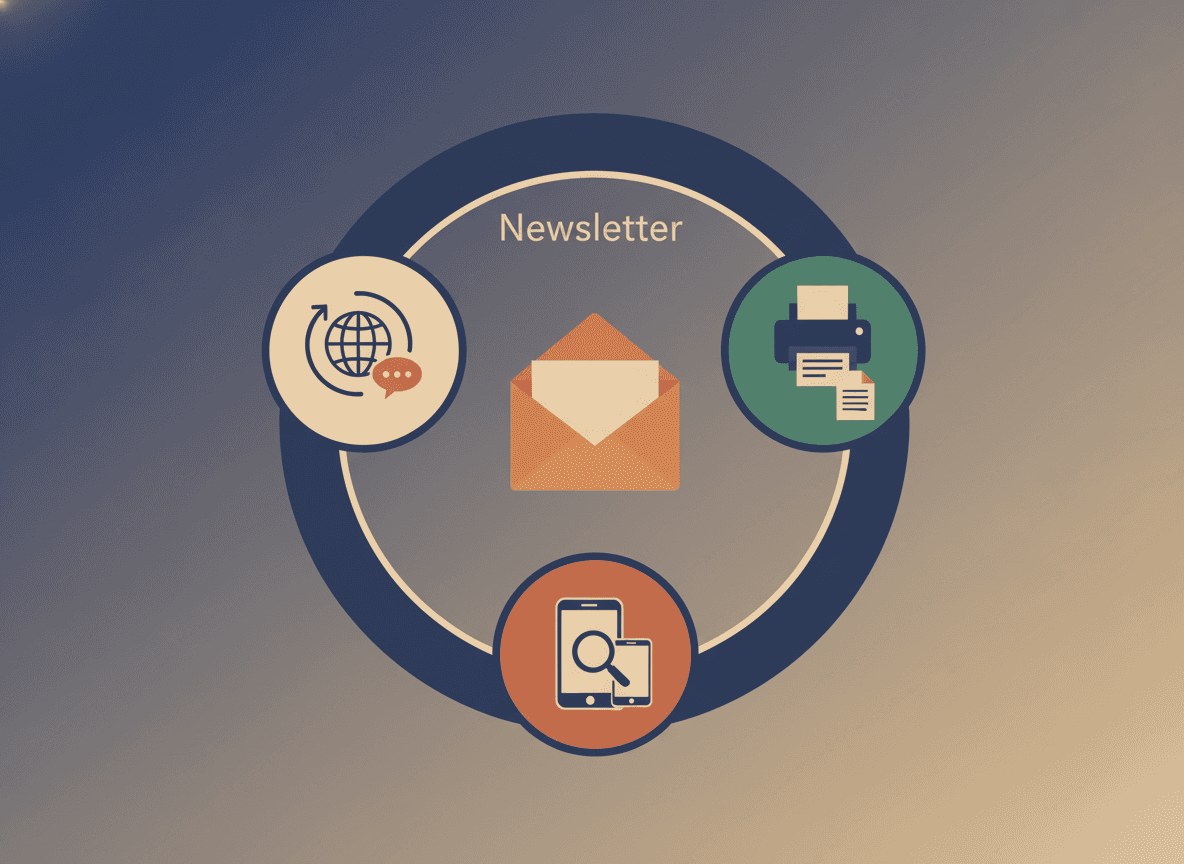
No single channel reaches every family. A robust communication system for equitable access includes:
- A digital newsletter sent via email to all families who have provided an address.
- A printed summary for students in take-home folders.
- A public web version of the newsletter linked from the school website or QR code in the lobby.
- A phone or voicemail option for families who communicate primarily that way.
Daystage generates a public web link for every newsletter. Parents who do not receive the email can access the full newsletter through the link, which can be shared via text, posted in the school lobby, or sent through any other communication channel.
Equity in school communication is a choice
The most commonly reached families are usually the ones who are already engaged. An equitable communication strategy deliberately extends reach to the families who are hardest to connect with, because those families often have children who need the school's support most.
That does not require a complete overhaul of your communication system. It requires asking, for each communication you send: who are we not reaching, and what would it take to reach them?
Get one newsletter idea every week.
Free. For teachers. No spam.
Frequently asked questions
When should schools assess whether their newsletter is reaching all families?
At the start of each year and again after the first month of sending. The families you are not reaching will not tell you. Look for patterns: which students consistently miss permission deadlines, whose parents you have never spoken with, which families show up at conferences with little context for what their child has been doing in class.
What barriers most prevent low-income families from receiving school newsletters?
Infrequent email access, slow mobile connections that make image-heavy newsletters load poorly, and newsletters that require broadband to view linked PDFs. Many low-income families have smartphones but not home broadband. A newsletter that puts key information in the email body itself reaches far more families than one that requires downloading attachments.
How should schools handle language access in school newsletters?
Translate at minimum the action items and key dates into the primary languages spoken in your community. A bilingual staff member reviewing machine-translated text before sending catches major errors without requiring a professional translator for every newsletter. A newsletter sent only in English in a multilingual school communicates that non-English-speaking families are secondary stakeholders.
What communication approaches exclude families and should be avoided in equitable school newsletters?
Heavy PDF attachments that require fast internet, English-only content in multilingual schools, email-only delivery without a printed backup for families with unreliable digital access, and newsletters sent during evening hours that assume predictable schedules. Designing for the median parent excludes the families who most need consistent communication.
What tool helps schools create newsletters accessible to all families including low-income households?
Daystage produces mobile-first newsletters that load quickly on slow connections and render cleanly on smartphones without broadband. The single-column design and inline content approach removes the technical barriers that cause newsletters to fail for families with limited digital access.

Adi Ackerman
Author
Adi Ackerman is a former classroom teacher and curriculum writer with 8 years in K-8 schools. She writes about school communication, parent engagement, and what actually works in real classrooms.
More for Parent Engagement
School Newsletter Communication in Rural Areas: Reaching Families With Limited Digital Access
Parent Engagement · 5 min read
How to Follow FERPA Guidelines When Writing School Newsletters
Parent Engagement · 7 min read
School Newsletter Best Practices for High-Poverty School Communities
Parent Engagement · 7 min read
Ready to send your first newsletter?
3 newsletters free. No credit card. First one ready in under 5 minutes.
Get started free