

School Newsletter Summer Strategy: How to Stay Connected With Families Over the Break
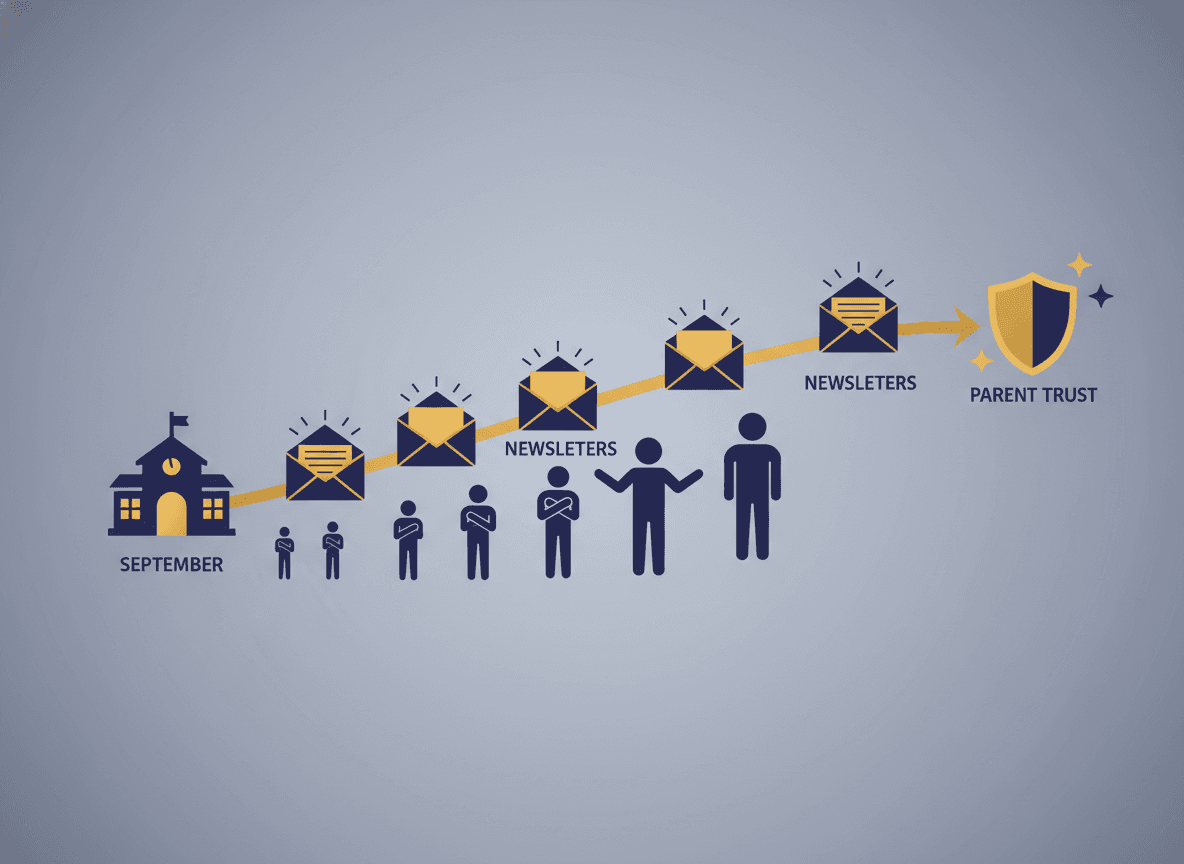
Families who receive no communication from school from June to September arrive at the first day with no connection, no context, and no relationship continuity with what came before. A light summer communication strategy closes that gap without consuming the break that teachers and families both need.
The End-of-Year June Newsletter
Send one newsletter in the last week of school or the first week after school ends. This newsletter does three things: it closes the school year with gratitude, it previews what is coming in September, and it gives families one optional summer resource if they want it.
"Thank you for an extraordinary year. I have watched your child grow in ways that genuinely surprised me, and I want to tell you about a few of them." That opening, followed by one to two specific class highlights, is the right tone for a June newsletter. Save the logistics for August.
The Optional July Resource Newsletter
July is optional. If you send something, make it useful and light. Local library summer reading programs. Free museum days. A recommended reading list with links. A community event calendar. Three ideas for keeping math skills active that take five minutes a day.
Frame this issue as optional information for families who want it, not as homework for summer. "Here are a few resources if your family is looking for summer activities. No pressure to use any of them. Have a wonderful July." That tone is right.
The Back-to-School August Preview
The August newsletter is where the logistics belong. Send it two to three weeks before the first day. Include the school start date, what time school starts, what families need to bring or do before the first day, any schedule changes from last year, and a genuine "I am looking forward to seeing your child" closing.
The August newsletter is the one families most reliably read. They are starting to think about September and they want this information. Do not bury it in July when it will be forgotten by the time it is relevant.
Keep Summer Newsletters Short
Summer newsletters should be shorter than school-year newsletters. Under 300 words for the June and July issues. Under 400 for the August back-to-school preview. Families are not in school mode. They are not going to read a long newsletter during summer. A short, warm communication that takes two minutes to read is more likely to be read, remembered, and appreciated.
Schedule Them Before School Ends
Write and schedule all three summer newsletters before the last day of school. Do not count on finding time to write them in July. Schedule them in your newsletter platform to go out on the dates you chose, and spend your actual summer not thinking about newsletters.
Get one newsletter idea every week.
Free. For teachers. No spam.
Frequently asked questions
Should schools send newsletters over the summer?
One to three newsletters over the summer is generally appropriate. More than that and families start to feel like summer break is not a real break. Fewer than one and September can feel like families are starting completely cold. A light summer touch, focused on relationship maintenance rather than information overload, keeps the connection warm without creating work for families who need a break.
What should a summer school newsletter include?
End-of-year reflection and gratitude in June. Optional summer resources in July, such as library programs, free learning activities, and local community events. A back-to-school preview in August with key dates, what to expect in September, and anything families need to do before the first day. These three issues cover the summer without overwhelming families.
When should the back-to-school August newsletter go out?
Two to three weeks before the first day of school is the sweet spot. Early enough that families have time to prepare, but close enough to September that the information is relevant and memorable. A newsletter sent in mid-July often gets forgotten by the time September arrives.
What tone works best for summer newsletters?
Lighter and more personal than the school year newsletter. Summer is a time when families are more relaxed and the relationship does not need to carry the weight of curriculum updates and compliance deadlines. A summer newsletter that sounds like a postcard from a colleague, warm and low-key, lands well. A summer newsletter that sounds like a mandatory communication does not.
How does Daystage support summer newsletter communication?
Daystage lets teachers schedule summer newsletters in advance so the communication goes out on the right dates without requiring the teacher to log in during their time off. Teachers can write and schedule all three summer issues before the school year ends and return in September to a family audience that stayed engaged all summer.

Adi Ackerman
Author
Adi Ackerman is a former classroom teacher and curriculum writer with 8 years in K-8 schools. She writes about school communication, parent engagement, and what actually works in real classrooms.
More for Parent Engagement
Ready to send your first newsletter?
3 newsletters free. No credit card. First one ready in under 5 minutes.
Get started free