

How to Share Student Success Stories in Newsletters While Protecting Privacy
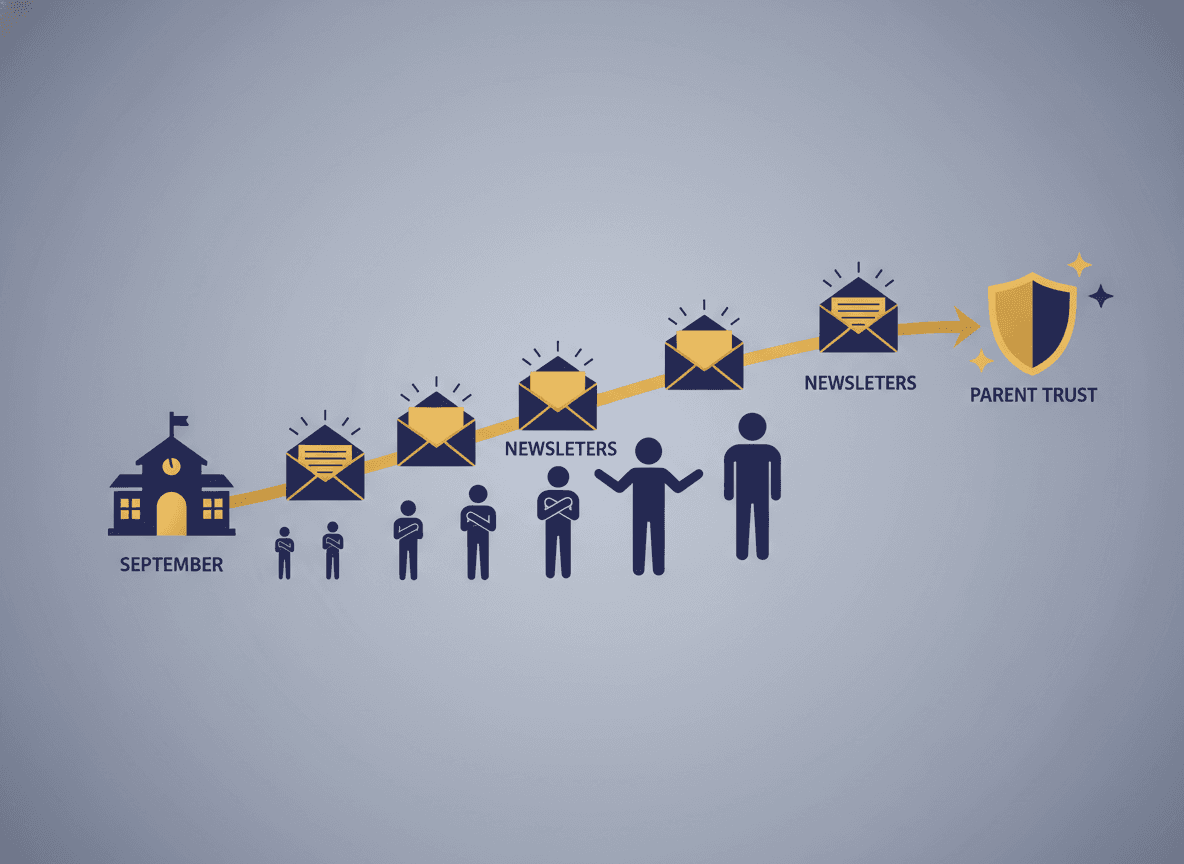
Parents love to hear that their child is doing well. Class communities thrive when achievements are celebrated together. Success stories in newsletters build exactly the kind of warmth and connection that keeps families engaged week after week. And yet, sharing student stories without careful thought can cross privacy lines, create unintended comparisons, or put families in uncomfortable positions.
The goal is not to avoid celebrating students. It is to celebrate them in ways that protect their dignity and privacy while building the pride and connection that success stories are meant to create.
Understand what you can and cannot share
Student achievement information that falls under "directory information," such as honor roll, awards, and athletic accomplishments, is typically permissible to share unless a family has opted out of directory information disclosure. Academic grades, test scores, behavioral notes, and information connected to special services are education records and should never appear in a newsletter.
The practical test is this: would a parent whose child did not receive the recognition feel that something unfair happened, or would they feel that their child's private information was disclosed without consent? The first is inevitable in any competitive recognition. The second is what privacy rules are designed to prevent.
Celebrate the class, not just individuals
Class-level success stories sidestep many individual privacy concerns while building a sense of shared accomplishment. "The class collectively logged 200 minutes of independent reading this week" tells parents their child is part of a learning community with shared goals. "Students rose to a difficult challenge on Thursday and I was genuinely proud of how they handled it" celebrates the group without anyone feeling left out or singled out.
These collective celebrations are often more powerful than individual spotlights anyway. They signal to families that the teacher sees the class as a community, not just a collection of individual academic performers.
Use first names lightly and with family permission
When individual recognition does make sense, using first names for positive highlights in a general classroom context is lower risk than full names or last names paired with specific achievement information. Even first-name recognition should be tied to something a family would broadly be proud of rather than something that could invite comparison or envy.
A note at the start of the year giving families the ability to opt out of individual recognition in newsletters is worth including in your first back-to-school communication. Most families will not opt out, but the few who do will be grateful for the option.
Showcase work without showcasing the student
Student work, whether it is art, writing, a science project, or a math solution, can be featured in newsletters without connecting it to a specific identifiable student. A photo of an anonymous drawing. A quoted line from a class poem. A description of an approach one student took to a problem, without naming who.
Families often get more genuine pleasure from seeing an example of the kind of work their child's class is doing than from seeing their specific child named. The curiosity "I wonder if that was my kid's drawing" is actually a more engaging experience than confirmed attribution.
Stay alert to how families might receive recognition
Not every family wants their child in the spotlight. Families navigating a difficult situation, a custody dispute, a mental health challenge, or a custody arrangement where one parent does not have access to the child may have specific reasons to avoid their child being named in widely distributed communications. You will not always know who those families are.
A default practice of always giving families the option to opt out, and never identifying students in ways that reveal sensitive personal circumstances, protects everyone while still letting you celebrate the genuine achievements that make your classroom a good place to be.
Get one newsletter idea every week.
Free. For teachers. No spam.
Frequently asked questions
Can teachers highlight individual students in newsletters without violating privacy rules?
Yes, with care. Celebrating general positive achievements that are considered directory information is typically permissible. The key is avoiding any connection between a student's identity and information from their education record, such as academic standing, behavioral history, or special services they receive.
What are safe ways to celebrate student success without identifying specific students?
Class-level celebrations work well and build collective pride: 'The class completed 42 books this month' or 'Three students took on leadership roles during our project week.' You can also use first name only for achievement highlights in situations where your school's directory information policy supports it.
How should teachers handle recognition when a student or family might not want the attention?
Always give families the option to opt out of individual recognition. A brief note at the start of the year, explaining that you occasionally highlight student work in newsletters, invites families who are uncomfortable to let you know privately. This is especially important for students who are shy, families in difficult circumstances, or any family in a legally sensitive situation.
What is the difference between sharing student work and sharing student information?
Sharing a photo of an anonymous piece of student artwork is sharing work. Naming the student alongside their grade level on a published piece is sharing information. The work itself typically does not reveal anything sensitive. The combination of name, work, and contextual information might.
Can Daystage help teachers build newsletter sections that celebrate students appropriately?
Daystage provides a newsletter structure where you can include a student success section as a standing element. The tool encourages clear, structured content that naturally fits the pattern of celebrating collective class achievement while keeping individual student privacy intact.

Adi Ackerman
Author
Adi Ackerman is a former classroom teacher and curriculum writer with 8 years in K-8 schools. She writes about school communication, parent engagement, and what actually works in real classrooms.
More for Parent Engagement
How to Get More Families Subscribed to Your School Newsletter
Parent Engagement · 5 min read
How to Write a School Newsletter That Actually Gets Parents to Show Up
Parent Engagement · 6 min read
AI Writing Tools for School Newsletters: How to Use Them Without Losing Your Voice
Parent Engagement · 5 min read
Ready to send your first newsletter?
3 newsletters free. No credit card. First one ready in under 5 minutes.
Get started free