

School Newsletter Communication in Rural Areas: Reaching Families With Limited Digital Access
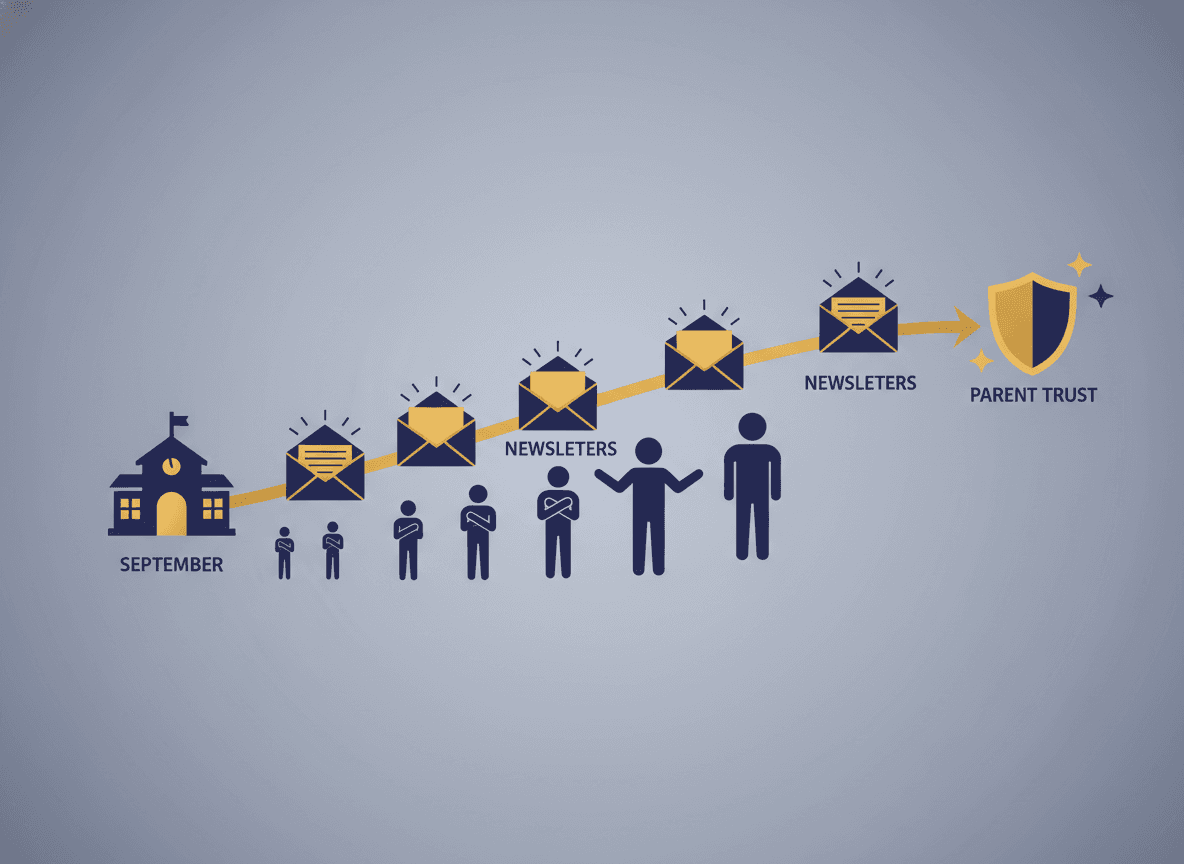
A newsletter strategy designed for suburban or urban families with reliable broadband internet and 15-minute commutes does not automatically work for a rural community where 40 percent of households have satellite internet that drops in bad weather, the bus ride home is 90 minutes, and a parent trip to the school and back takes a full morning.
Rural school communication requires intentional accommodation for the specific constraints rural families actually live with.
Maintain Print as a Core Channel
The temptation to go fully digital in school communication is understandable: it is cheaper, faster, and more environmentally friendly. In rural schools serving families with limited digital access, abandoning print entirely is abandoning those families.
A single-page printed newsletter, sent home with students weekly or biweekly, remains a highly effective communication channel for rural communities. It requires no internet connection. It can go on the refrigerator. It gets seen by every adult in the household who passes through the kitchen.
Print and digital together, rather than digital replacing print, serve the rural school community better than either alone.
Keep Digital Newsletters Light
Families on rural broadband, satellite internet, or limited mobile data plans experience email newsletters very differently than families with fiber internet at home. An image-heavy HTML email that loads in one second for a suburban family may take 30 seconds or not load at all for a rural family.
Optimize for slow connections: compress images, use clean HTML without heavy design elements, keep newsletter file sizes under 100KB where possible. The newsletter that loads for everyone beats the newsletter that looks better but fails to load for a third of your audience.
Use SMS for Urgent Communication
Cellular voice and text coverage often reaches rural areas where data coverage does not. For urgent communications, a brief text message, school closure, event cancellation, emergency notification, reaches families on mobile networks that cannot load full email newsletters.
This is not an argument for putting your full newsletter in text messages. It is an argument for using text as the alert channel when something is urgent and time-sensitive, and reserving the detailed communication for email and print.
Account for Farm and Seasonal Work Schedules
Many rural families work in agriculture, with schedules that vary dramatically by season. Planting and harvest seasons mean some parents are unavailable for months in ways that suburban parents are not. Event scheduling that ignores agricultural calendars leaves a significant portion of rural families unable to attend.
A newsletter note that explicitly accounts for this: "We know many families in our community are in the middle of harvest season. If you are unable to attend the October conference, please contact Ms. [name] to arrange an alternative time. We will find one that works for your schedule."
Use the Newsletter to Reduce the Need for School Visits
For a rural family, a trip to the school for information that could have been in a newsletter costs time, fuel, and logistics. A comprehensive newsletter that answers common questions before they are asked reduces the number of trips families need to make and respects the real cost of distance.
Get one newsletter idea every week.
Free. For teachers. No spam.
Frequently asked questions
What are the specific communication challenges for rural school families?
Limited broadband internet access at home is the primary challenge. Many rural families have mobile data that works intermittently or has low caps that make large email attachments or video content impractical. Physical distance from the school means families cannot as easily drop by to pick up printed materials. Long bus rides mean take-home materials may arrive crumpled or late. Rural families often have less flexibility to attend school events due to farm schedules, seasonal work, and distances.
Is print still a viable newsletter channel for rural schools?
Yes. Print newsletters sent home with students remain one of the most reliable channels for rural schools with families who have limited digital access. A well-designed single-page print newsletter that families can put on the refrigerator often gets more family attention than a digital newsletter that loads slowly or not at all on rural data connections.
How do rural schools handle digital newsletters when families have limited data?
Keep newsletter file sizes small. Plain HTML email newsletters load on slow connections that image-heavy newsletters do not. If you include images, compress them. Avoid requiring families to download PDFs, which are larger. If you link to videos, note the file size so families on limited data plans can decide whether to watch over wifi or wait.
What role does SMS play in rural school communication?
Text messages often work in rural areas where mobile data for email and web browsing does not. A brief SMS with the key update and a short URL to the full newsletter serves rural families who can receive texts but cannot reliably load full email newsletters on their phone.
How does Daystage help rural schools with newsletter communication?
Daystage newsletters are optimized for mobile and low-bandwidth delivery. The platform generates a browser-accessible version of every newsletter that loads quickly on slow connections, in addition to the email version. Teachers can also download printable versions of their newsletters for families who need print.

Adi Ackerman
Author
Adi Ackerman is a former classroom teacher and curriculum writer with 8 years in K-8 schools. She writes about school communication, parent engagement, and what actually works in real classrooms.
More for Parent Engagement
How to Make Your School Newsletter Accessible for Parents with Disabilities
Parent Engagement · 6 min read
School Newsletter Proofreading Guide: How to Catch Errors Before Families Do
Parent Engagement · 5 min read
How to Follow FERPA Guidelines When Writing School Newsletters
Parent Engagement · 7 min read
Ready to send your first newsletter?
3 newsletters free. No credit card. First one ready in under 5 minutes.
Get started free