
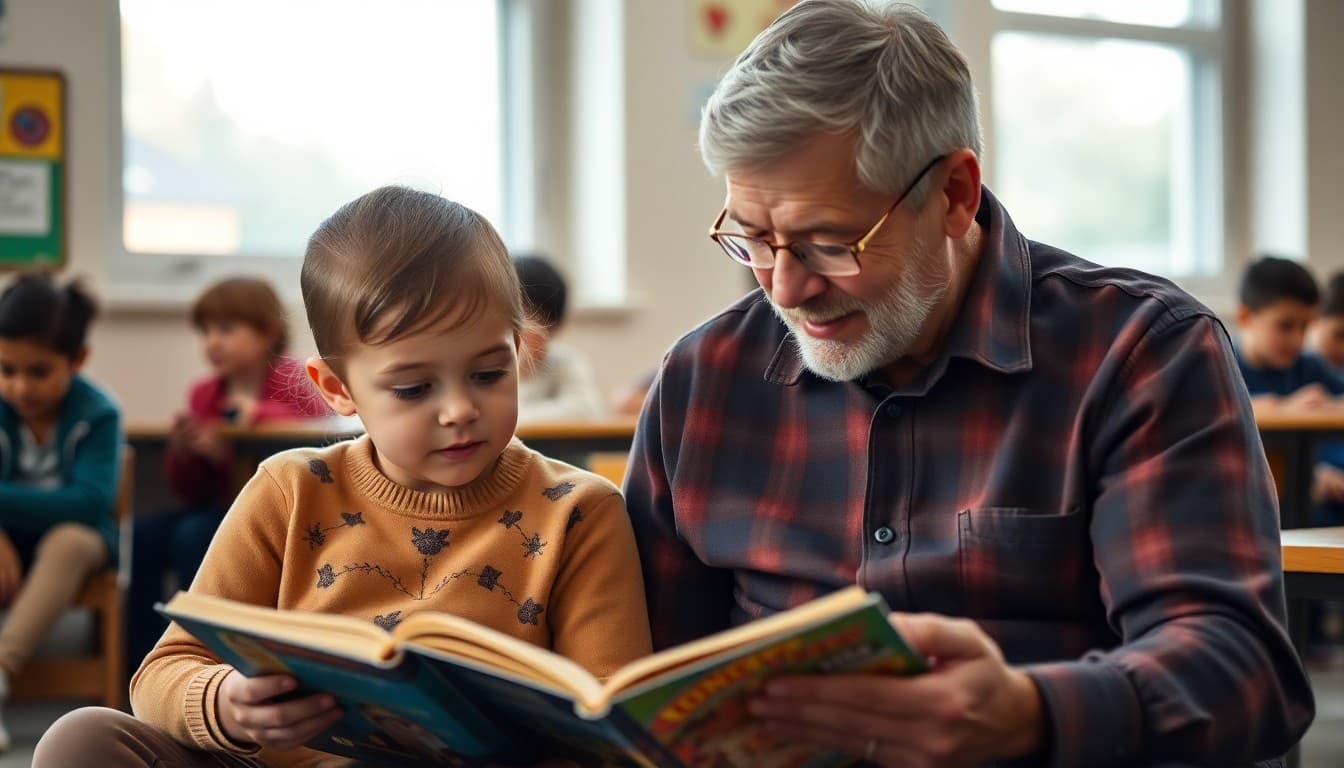
School Newsletter: Engaging Grandparents and Extended Family

Grandparents are often among the most motivated adults in a student's life when it comes to educational involvement. They have time, they have experience, and they have a deep investment in their grandchild's future. Schools that communicate with grandparents directly and create specific pathways for their involvement build a broader support network around students that pays off academically and socially. This newsletter covers how.
Recognize grandparents as part of the school community
The simplest change a school newsletter can make to engage grandparents is to name them. A newsletter that addresses families, including grandparents and extended family members, communicates a wider welcome than one that implicitly addresses only parents. For students whose grandparents are primary caregivers, this recognition is especially meaningful: it tells the family that the school sees their household structure and includes them fully.
Explain how schooling has changed
Grandparents who were educated decades ago may find their grandchild's school experience confusing or unfamiliar. Common Core math, project-based learning, standards-based grading, and digital literacy requirements look different from what many grandparents remember. A newsletter that briefly explains what these approaches are and why the school uses them helps grandparents understand what their grandchild is experiencing and how to support them at home in ways that align with the school's methods.
Create volunteer opportunities that fit grandparent schedules and skills
Grandparents often have more flexible weekday schedules than working parents and bring skills and life experience that schools rarely tap. Reading volunteer programs, mentorship opportunities, classroom presentation of a career or life skill, and school garden maintenance are all activities that grandparents can contribute to meaningfully. A newsletter that describes these opportunities specifically and explains how to sign up removes the inertia that stops willing volunteers from engaging.

Cover grandparent-specific school events
Grandparents' Day, family reading nights, multi-generation science fairs, and intergenerational community events are opportunities for grandparents to participate as participants rather than spectators. A newsletter that covers these events with full details, including what the event involves, why it matters, and how grandparents can contribute, produces higher grandparent attendance than a calendar listing in a general events section.
Address practical communication barriers
Not all grandparents have email addresses, and some receive school communications only when their grandchild remembers to pass something along. Schools that want to engage grandparents need to collect their contact information directly and use communication channels that actually reach them. A newsletter that encourages families to add grandparents to the school's distribution list, with a simple opt-in process, builds the reachable community of extended family that broader engagement requires.
Feature intergenerational stories and connections
A newsletter that features student reflections on what they have learned from their grandparents, or features a grandparent volunteer sharing what they have experienced at the school, builds the intergenerational connection that makes both grandparents and students feel the relationship is valued by the institution. Those small acts of recognition are often what turn occasional participants into consistent ones.
Get one newsletter idea every week.
Free. For teachers. No spam.
Frequently asked questions
Why should school newsletters specifically engage grandparents and extended family?
Because for many students, grandparents are primary or co-primary caregivers. For others, grandparents and aunts, uncles, and older siblings are significant adults in their lives who influence how the student thinks about school and education. Engaging extended family members as part of the school community broadens the circle of adults invested in a student's education and strengthens the support network around them.
What content specifically interests grandparent readers of school newsletters?
Content that helps them understand what their grandchild is learning, how schooling has changed since they were students or raised their own children, how they can support learning at home, what events they are welcome to attend, and how they can contribute their skills and experience to the school community. Grandparents are often highly motivated to engage and have more flexible time than working parents.
How do schools make grandparents feel welcome rather than like visitors?
By explicitly naming grandparents as part of the school community in newsletter language, by creating events that specifically include and value grandparents rather than only tolerating their presence, by describing volunteer opportunities that match the skills and schedules of older adults, and by treating their presence at school as a resource rather than a logistical complication.
What communication challenges exist for reaching grandparents through school newsletters?
Grandparents may not have email addresses on file with the school, may be less comfortable with digital communication, may live in different households than their grandchildren, or may receive newsletter information only secondhand. Schools that want to engage grandparents may need to be intentional about collecting their contact information and choosing communication channels that reach them.
How does Daystage help schools include grandparents and extended family in newsletter communications?
Daystage makes it easy to manage expanded recipient lists that include grandparents and other extended family members alongside primary guardians. A school that collects contact information for grandparents and other significant adults and uses Daystage to include them in newsletter distributions builds a broader community of informed, engaged adults around each student.

Adi Ackerman
Author
Adi Ackerman is a former classroom teacher and curriculum writer with 8 years in K-8 schools. She writes about school communication, parent engagement, and what actually works in real classrooms.
More for Parent Engagement
Ready to send your first newsletter?
3 newsletters free. No credit card. First one ready in under 5 minutes.
Get started free