

How to Write School Newsletters That Reach Non-English-Speaking Families
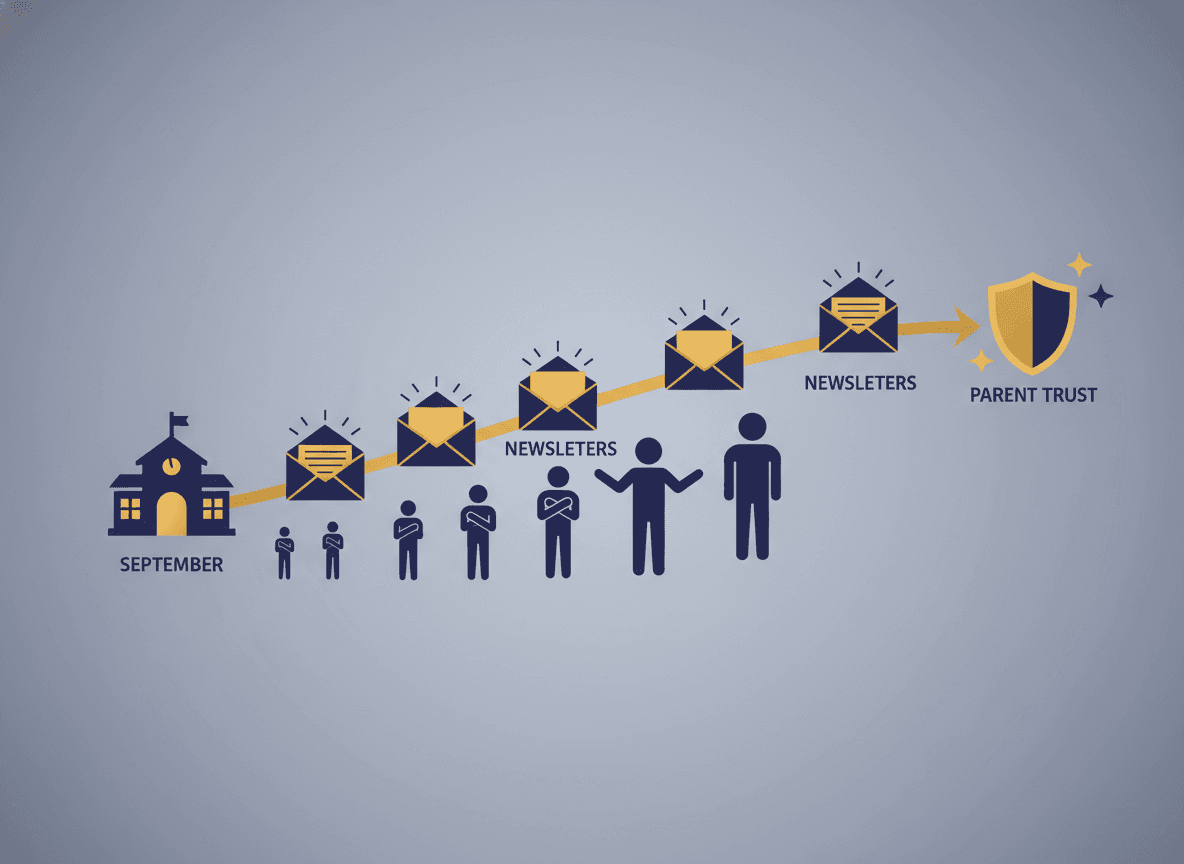
In many schools across the country, a significant portion of families speak a language other than English at home. These families care deeply about their children's education. What they often lack is access to the information that would allow them to participate fully in it. School newsletters written only in English, packed with idioms and jargon, are one of the most consistent barriers to that participation.
Solving this does not require a teacher to become a professional translator. It requires a few deliberate writing and distribution adjustments that are practical within a normal workload.
Write English that translates well
Before adding any translation layer, improve the translatability of your English source text. This helps both machine translation tools and human translators, and it also improves readability for families with moderate English proficiency who may not need a full translation but struggle with complex phrasing.
Write short sentences. Avoid idioms and colloquialisms. "Students knocked it out of the park on the science test" is a phrase that translates into nonsense in most languages. "Students did very well on the science test this week" conveys the same information to every reader. Spell out dates in full. Write "Thursday, June 5" rather than "6/5" to avoid the date-format confusion that is common across cultures. Avoid acronyms unless you have defined them at least once.
Include a translation guidance note at the top
Add a brief, single sentence to the top of every newsletter in the primary language of your non-English-speaking families, pointing them toward translation resources. "Este correo electrónico puede ser traducido por Google Translate" takes five seconds to add and tells Spanish-speaking families exactly what to do. Similar notes in other languages serve their respective communities.
This is not a full solution, but it removes a barrier that many families do not know how to navigate on their own: they receive the email, know they cannot fully read it, and have no clear next step. A note that says "here is how to access this information" gives them one.
Identify community translation resources early
Most schools with a significant non-English-speaking population have community members who are bilingual and willing to help if asked. Parent volunteers, community organizations, bilingual staff members, and district interpreters are resources that can be mapped at the start of the year rather than scrambled for when a critical communication needs to go out.
Building a small informal translation network at the beginning of the year, even if it is just one or two reliable bilingual families who can review translated versions before they are sent, dramatically improves the quality and reach of your communications.
Prioritize what gets fully translated
Full translation of every newsletter every week is not realistic for most classroom teachers. But not every piece of content carries equal urgency. Action items, deadline reminders, and announcements requiring a family response are the highest priority for accurate translation. Classroom narrative, cultural context, and supplementary information are secondary.
A practical approach is to maintain a short "action summary" section at the top of every newsletter that lists only the items requiring family response, and ensure that section is translated accurately even if the rest of the newsletter is in English only.
Consider culture, not just language
Language is one barrier; cultural assumptions are another. A newsletter that assumes all families are comfortable with digital forms, school visit protocols, or American academic calendar conventions may confuse or exclude families from different educational traditions. Brief explanations of why a form exists, what an IEP meeting is, or how conference sign-ups work serve multilingual families and first-generation school families equally.
The families who are newest to navigating American schools are often the ones most reluctant to ask for clarification. Writing newsletters that assume less prior knowledge is a form of respect that costs almost nothing.
Get one newsletter idea every week.
Free. For teachers. No spam.
Frequently asked questions
Is a teacher legally required to translate school newsletters into other languages?
Under Title VI of the Civil Rights Act, schools receiving federal funding must provide meaningful access to programs and services for families with limited English proficiency. This typically means critical school communications, including newsletters with time-sensitive action items, should be available in languages spoken by significant portions of the school community.
What is the most practical way for a classroom teacher to offer translated newsletters?
For a classroom teacher working alone, the most practical approach is to write the newsletter in plain, clear English and include a note at the top pointing families to translation tools like Google Translate. For schools with a population that primarily speaks a second language, district-provided bilingual staff or community volunteers are a more reliable solution.
How should teachers write English newsletters to make them easier to translate?
Use short sentences and plain vocabulary. Avoid idioms, slang, and culturally specific references that do not translate well. Write dates in full rather than abbreviated formats. Spell out acronyms. These habits improve translation quality significantly whether families are using machine translation or a human translator.
What do non-English-speaking families most need from school newsletters?
Actionable information with clear dates and specific requirements tends to be the priority for families navigating language barriers. Cultural warmth and narrative classroom updates are appreciated but less urgent than knowing about upcoming forms, events, or schedule changes that require a response.
Can Daystage help schools send newsletters to families in multiple languages?
Daystage makes it practical to send consistent newsletters that can be adapted for different family language needs. Schools using Daystage can build a communication cadence that pairs naturally with translation support workflows, so multilingual families are included rather than excluded from the regular newsletter rhythm.

Adi Ackerman
Author
Adi Ackerman is a former classroom teacher and curriculum writer with 8 years in K-8 schools. She writes about school communication, parent engagement, and what actually works in real classrooms.
More for Parent Engagement
Ready to send your first newsletter?
3 newsletters free. No credit card. First one ready in under 5 minutes.
Get started free