

The School Newsletter Editor Role: How to Run a Multi-Contributor School Newsletter
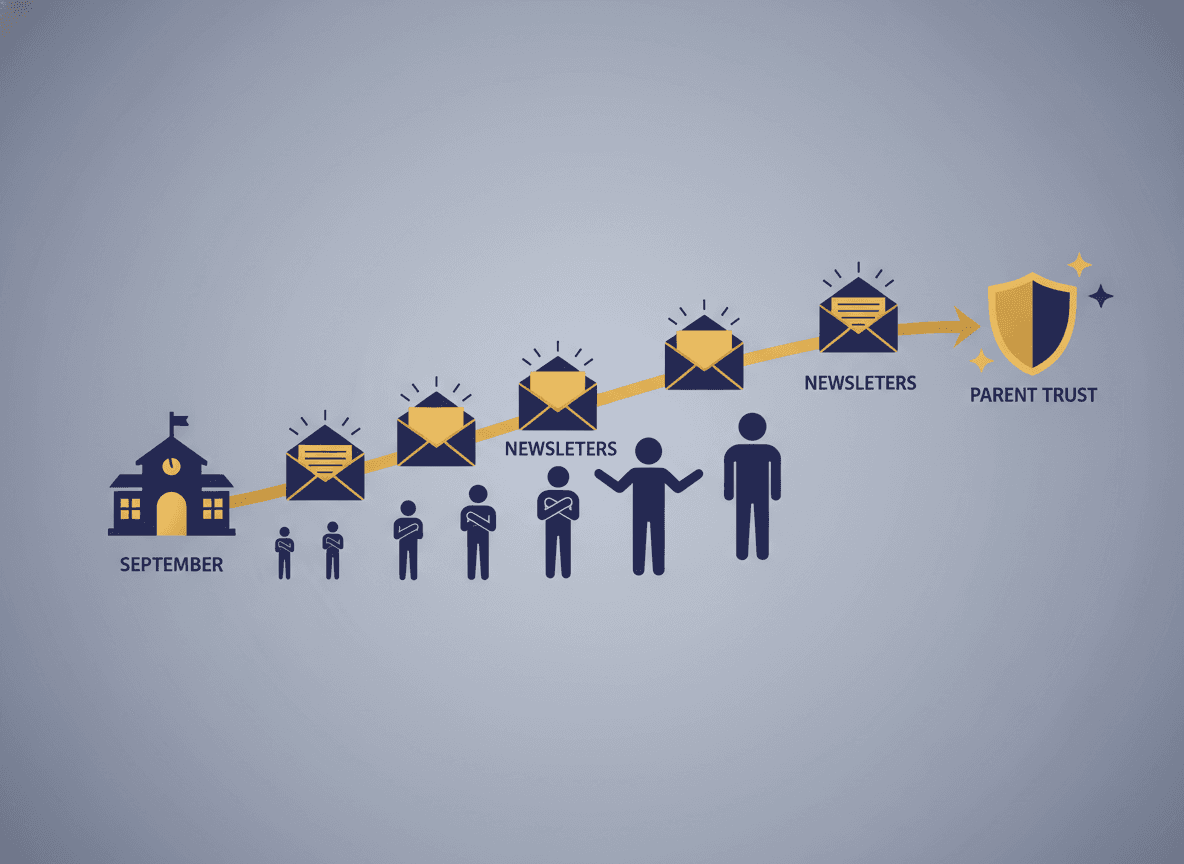
A school newsletter with five contributors and no editor produces a newsletter that reads like five people talking at once: different tones, different levels of formality, different assumptions about what families already know, and sections that contradict each other in subtle ways. An editor is the role that transforms a collection of contributions into a coherent communication.
Define the Editor's Authority Clearly
The most common failure mode in school newsletter editing is ambiguity about what the editor is authorized to change. If the editor cannot edit a contributor's section without getting approval first, the editing role becomes a coordination role without editing authority, and the newsletter's quality reflects that.
Establish clearly at the start of the year: the editor may edit for clarity, voice, and accuracy. The editor will flag significant factual changes for contributor review. The editor may decline to publish a section that is not ready and will tell the contributor why. These authorities make the editor role functional.
Build a Submission System That Actually Works
Asking contributors to email sections to the editor works until six people are emailing inconsistently formatted content to a shared inbox that also receives parent emails. A dedicated submission channel, a shared Google Form, a specific folder in Google Drive, or a newsletter platform with built-in collaboration, keeps contributions organized.
The submission system should capture: the contributor's name, the section the contribution is for, the content itself, any links or images included, and any specific dates or facts the editor should verify.
Set and Hold Submission Deadlines
Late submissions are the most common newsletter production problem. A submission deadline that is consistently extended trains contributors to submit late. A deadline that holds, where late submissions either do not appear in that issue or appear without editing time, trains contributors to submit on time.
Communicate the deadline clearly at the start of the year. "Sections for the weekly newsletter are due by Wednesday at noon for a Friday send." If a section arrives Thursday afternoon, it goes in the next issue. One missed issue teaches the lesson more effectively than ten deadline extension emails.
Maintain a Newsletter Style Guide
A one-page style guide shared with all contributors reduces editing workload by setting expectations before contributions arrive. Include: preferred vocabulary for recurring terms (students vs. kids vs. learners), tone guidance with examples, word count guidelines per section, and any content that is not appropriate for the newsletter (no individual student names without parent permission, no financial appeals beyond the approved ones, etc.).
Give Contributors Feedback, Not Just Edits
A contributor who sees their section edited every week without any explanation eventually stops contributing thoughtfully. Periodic feedback, what is working well, what would make their section stronger, helps contributors improve and creates a collaborative relationship rather than a combative one.
Get one newsletter idea every week.
Free. For teachers. No spam.
Frequently asked questions
What does a school newsletter editor do?
The newsletter editor manages the process of collecting contributions from multiple staff members, aligning them into a consistent voice, checking for accuracy and compliance, formatting the final issue, and sending it on schedule. The editor is responsible for the quality of the whole newsletter, not just their own contributions. In smaller schools, this role is often handled by the principal, a communications-focused teacher, or the school secretary.
How do you manage newsletter contributions from multiple staff members?
A submission deadline at least two days before the newsletter goes out gives the editor time to review and edit contributions without being rushed. A shared Google Doc or form where contributors drop their sections makes collection manageable. Clear guidelines on word count, tone, and what each section should include reduce the editing burden significantly. Contributions that arrive on deadline and follow the guidelines take minutes to incorporate. Late contributions in the wrong format take hours.
How do you handle a staff member's newsletter submission that needs significant editing?
Edit it and let them know what changed, or go back to them with specific questions. Do not publish a section that is unclear, inaccurate, or off-tone without revision, but also do not simply rewrite it without acknowledgment. A brief note, 'I adjusted the field trip paragraph for clarity and date accuracy,' is the right level of transparency for a collaborative newsletter process.
How often should a school-wide newsletter go out?
Weekly newsletters serve most school communities well. For school-wide newsletters with multiple contributors, biweekly is often more realistic given the coordination involved. The right frequency is the one the school can maintain consistently. An inconsistent school-wide newsletter, sometimes weekly, sometimes monthly, with long gaps, builds less family trust than a reliably biweekly one.
How does Daystage support multi-contributor school newsletters?
Daystage allows multiple team members to contribute to and edit a newsletter before it is sent. The platform manages version history and allows the editor to review and finalize the issue before it goes out. This makes collaborative newsletter production more organized without requiring manual document coordination.

Adi Ackerman
Author
Adi Ackerman is a former classroom teacher and curriculum writer with 8 years in K-8 schools. She writes about school communication, parent engagement, and what actually works in real classrooms.
More for Parent Engagement
Ready to send your first newsletter?
3 newsletters free. No credit card. First one ready in under 5 minutes.
Get started free