

Coordinating School Newsletter and After-School Program Communication for Families
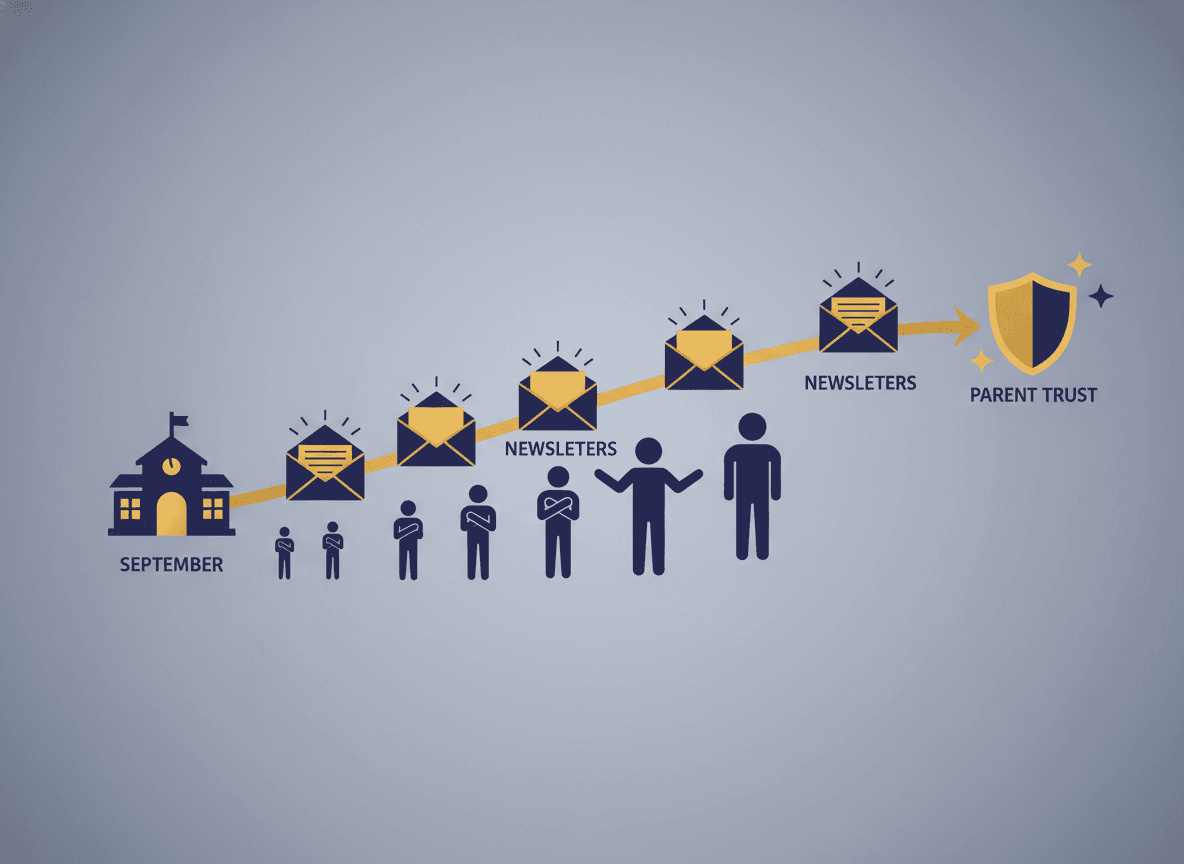
Many families whose children attend both a regular school day and an after-school program receive communications from two separate organizational units that rarely coordinate with each other. The classroom teacher sends a newsletter on Sunday. The after-school coordinator sends a newsletter on Monday. Both mention the upcoming field trip. The dates they give are slightly different. The parent who receives both does not know which version to trust.
This is not a theoretical problem. It happens regularly in schools where school-day and after-school communication are managed independently, and it gradually erodes family confidence in school communication generally.
Map the current communication landscape
Before coordinating, you need to know what you are coordinating. A brief audit, ideally at the start of the year, that identifies every communication source reaching families: classroom newsletters, school-wide newsletters, after-school program newsletters, PTA communications, and any other regular sends gives everyone involved a clear picture of what families are already receiving.
Families at schools where this audit has been done and shared are often surprised by how many separate communications they receive on a weekly basis. That surprise itself is a useful signal to the communicators that coordination is needed.
Create a shared sending calendar
The most practical coordination tool is a shared calendar or document where any team sending communications to the same family pool posts their planned sends in advance. This does not require editorial review of each other's content. It only requires visibility into timing.
When the classroom teacher sees that the after-school coordinator is sending on Wednesday and the PTA is sending on Thursday, they can move their Sunday newsletter to a different day with no overlap. This is not complicated. It just needs one person to take responsibility for maintaining the calendar and encouraging everyone to use it.
Designate non-overlapping lanes for each communication type
A more structured approach assigns different communication types to different days or channels. The classroom newsletter goes on Sunday. The school-wide newsletter goes on Tuesday. The after-school newsletter goes on Thursday. Families who receive communications from all three know when to expect each one, and no single day is overwhelming.
This lane system requires enough organizational coordination to establish, but once established it runs with minimal maintenance. The clarity it provides to families is worth the upfront effort.
Agree on which source is authoritative for shared topics
When both the school and an after-school program are communicating about the same event, there needs to be a clear agreement about which source families should treat as authoritative for which details. The school owns academic-day scheduling. The after-school program owns pickup and after-hours logistics. Field trips that bridge both need a single owner.
A brief agreement, even just an informal one among staff, about who communicates which type of information eliminates the conflicting-information problem at its source rather than trying to reconcile contradictions after families have already received them.
Get one newsletter idea every week.
Free. For teachers. No spam.
Frequently asked questions
How often do school day and after-school program communication overlap in ways that confuse families?
More often than most schools realize. When both send announcements about the same field trip, schedule change, or school event through different channels on the same day, families receive conflicting or redundant information. This erodes trust in both communication channels over time.
What is the simplest way to coordinate between classroom and after-school communication?
A shared communication calendar where both parties post their planned sends for the week. Even a simple shared Google document works. The goal is for both parties to see when the other is communicating and to avoid sending on the same day about the same topics.
Should after-school program information ever appear in the classroom newsletter?
Yes, for school-wide events that affect both the school day and after-school schedule. A brief mention in the classroom newsletter that links to the after-school program's more detailed communication keeps families oriented without duplicating full content in two places.
What happens when after-school programs and school day communication contradict each other?
Families stop trusting either source and begin to rely on personal contact with staff instead of official communication channels. This is more common than it should be and is one of the clearest signals that a communication coordination effort is needed.
How does using Daystage for school newsletters help with overall school communication coordination?
When both classroom teachers and after-school program coordinators use Daystage, they are operating on the same platform with consistent formats and scheduling tools. This makes it easier to coordinate timing and avoid overlap without requiring extensive manual coordination processes.

Adi Ackerman
Author
Adi Ackerman is a former classroom teacher and curriculum writer with 8 years in K-8 schools. She writes about school communication, parent engagement, and what actually works in real classrooms.
More for Parent Engagement
How to Communicate School Schedule Changes to Families Without Confusion
Parent Engagement · 5 min read
How to Use Your School Newsletter to Recruit and Coordinate Parent Volunteers
Parent Engagement · 5 min read
AI Writing Tools for School Newsletters: How to Use Them Without Losing Your Voice
Parent Engagement · 5 min read
Ready to send your first newsletter?
3 newsletters free. No credit card. First one ready in under 5 minutes.
Get started free