Blog /
Professional Development
Newsletter guides for instructional coaches, PD coordinators, and admin teams in K-12
Professional development newsletters serve an audience of educators, which means the communication standards are higher. A PD newsletter sent to staff who are themselves communication professionals will be read critically. The articles here cover PD communication from two directions: how instructional coaches and PD coordinators communicate learning opportunities to staff in a way that generates genuine engagement, and how administrators communicate the purpose and outcomes of PD in a way that builds rather than depletes teacher trust. There are also guides for communicating about external PD opportunities, conference attendance policies, and the results of school-wide instructional initiatives.

Technology PD Newsletter: Digital Tools Training for Teachers
How to write a technology PD newsletter that introduces digital tools, sets implementation expectations, and supports teachers in integrating technology into instruction effectively.

Technology Training Newsletter: Getting Teachers to Actually Use the Tools You Introduce
How instructional technology coaches and PD coordinators use newsletters to drive adoption of new classroom technology through consistent communication and practical guidance.

Trauma-Informed Practice PD Newsletter: Training Our Staff
How to write a trauma-informed practice PD newsletter that builds staff understanding of trauma's effects on learning, shares training content, and communicates specific classroom strategies.

Trauma-Informed Practices Newsletter: Supporting Staff in Creating a Regulated Learning Environment
How school counselors and PD leaders use newsletters to share trauma-informed practices, support staff who work with dysregulated students, and sustain a whole-school trauma awareness culture.

Trauma-Informed School Newsletter: Our Approach to Student Support
How schools can use newsletters to explain their trauma-informed approach to families, describe what trauma-informed teaching looks like in practice, and help families understand the connection between safety and learning.

Teacher Newsletter Writing Update: Communicating the Writing Workshop to Families
How to write a writing update for your classroom newsletter that explains the writing process, current genre study, and how families can support writing development at home.

Teacher Professional Development Newsletter: What Works and What Gets Ignored
How to write a professional development newsletter that teachers actually read, act on, and connect back to their classroom practice throughout the school year.

Teacher Team Newsletter: How Teams Use Internal Communication to Stay Aligned and Move Faster
How teacher teams use brief internal newsletters to coordinate instruction, document shared decisions, and maintain alignment without adding more meetings to an already full schedule.

Teacher Training Newsletter: Professional Learning Updates
How to write a teacher training newsletter that communicates PD content, staff learning goals, and implementation expectations so training investments translate into classroom change.
Teaching Certificate Renewal Newsletter: CPE Requirements
How to write a teaching certificate renewal newsletter that explains CPE requirements, tracks staff progress, and connects school PD opportunities to state renewal credit categories.
Teacher Newsletter Social Studies Update: Sharing History and Civics with Families
How to write a social studies update for your classroom newsletter that connects learning to current events, family history, and civic values families care about.
Teacher Newsletter: Keeping Families Informed During a Social Studies Unit
How teachers can write a social studies unit newsletter that connects classroom learning to family conversations and builds civic knowledge at home and school.

Teacher Newsletter Special Education Update: Inclusive Communication for All Families
How general and special education teachers can write newsletter updates that inform all families about inclusive practices, co-teaching, and the ways every student is supported.

Teacher Newsletter Supply Request: How to Ask Families for Classroom Materials
How to write a clear, respectful supply request in your classroom newsletter that gets results without alienating families who cannot contribute and appreciates those who do.

Teacher Newsletter Technology Update: Communicating Edtech Use to Families
How to write a technology update for your classroom newsletter that explains the digital tools students are using, addresses screen time concerns, and keeps families informed about online safety.
Teacher Newsletter Volunteer Request: Getting Families to Actually Show Up
How to write volunteer requests in your classroom newsletter that generate real responses. Covers specific asks, flexible options, how to manage volunteers, and keeping families engaged.
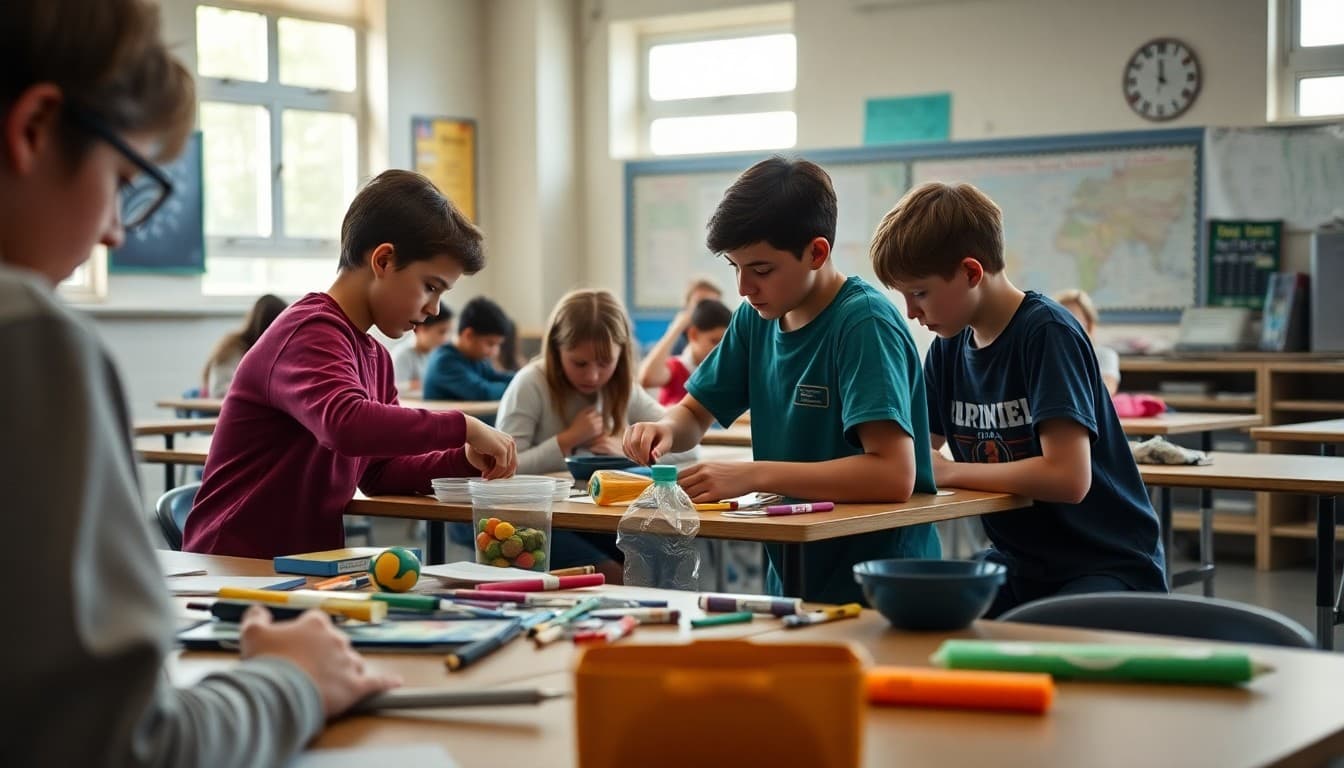
Teacher Newsletter: Updating Families on a Classroom Project in Progress
How teachers can write a mid-project newsletter that keeps families informed on student work, describes what support helps, and builds excitement for the final product.
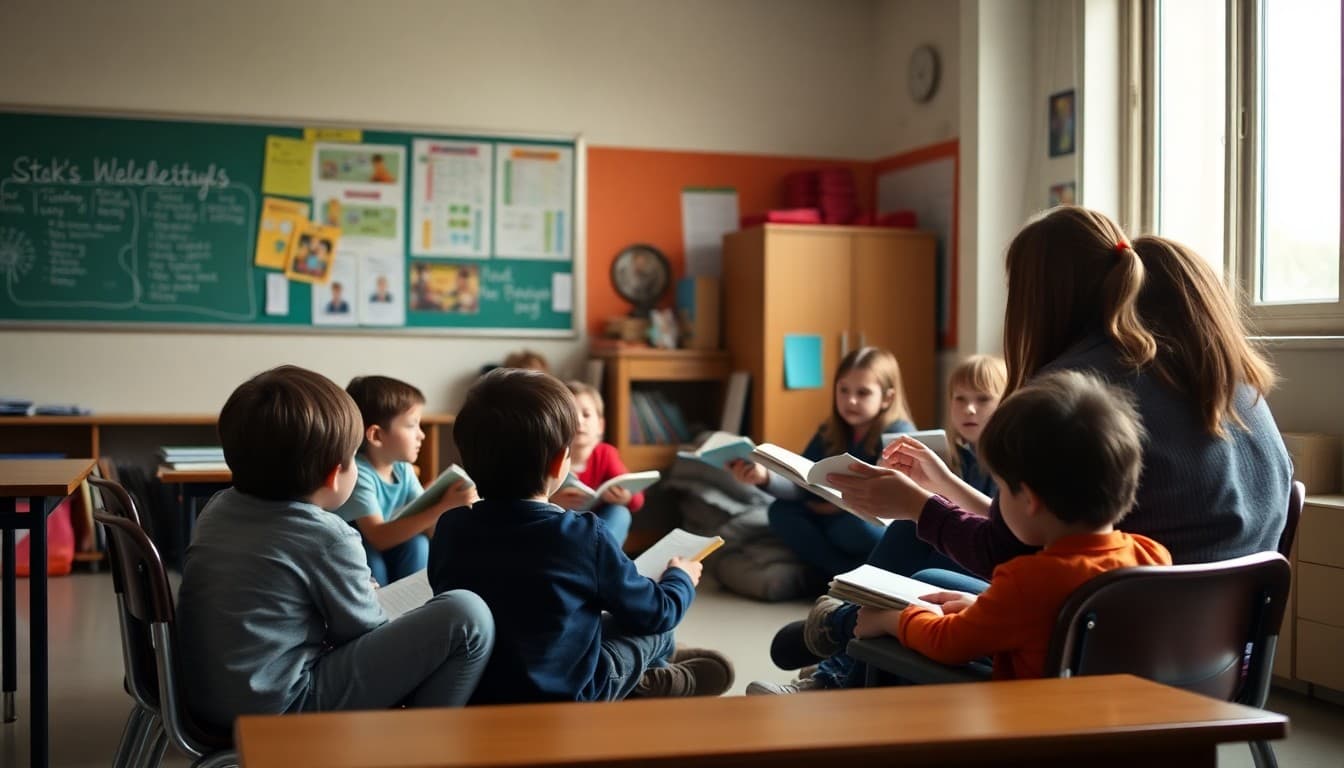
Teacher Newsletter: Keeping Families Updated During a Reading Unit
How teachers can write a newsletter during a reading unit that explains what students are learning, what families can do at home, and how to support struggling readers.
Teacher Newsletter Reading Update: Keeping Families Informed on Literacy
How to write a reading update for your classroom newsletter that helps families understand literacy progress and support their child with specific at-home reading strategies.

Teacher Newsletter: Engaging Families During a Science Unit
How teachers can write a newsletter during a science unit that explains the investigations, sparks curiosity at home, and keeps families connected to student learning.

Teacher Newsletter Science Update: Sharing Inquiry Learning with Families
How to communicate science units, experiments, and phenomena-based learning to families through a clear, engaging classroom newsletter update they will actually read.
Teacher Newsletter Gifted Update: Communicating Advanced Learning to Families
How gifted education teachers can write newsletter updates that explain acceleration, enrichment, and differentiation to families of high-achieving students in clear, honest terms.
Teacher Newsletter Grading Update: How to Explain Assessment to Families
How to write a grading update in your classroom newsletter that helps families understand standards-based grading, what grades mean, and how to respond to their child's progress.

Teacher Newsletter: Homework Tips and Home Learning Expectations
How teachers can write a newsletter that sets clear homework expectations, gives families practical strategies, and reduces homework stress for students and parents.

Teacher Newsletter Math Update: How to Explain Math to Families
How to write a math update for your classroom newsletter that actually helps parents support their child. Covers what to say, how to say it, and when to send it.
Teacher Newsletter for Parent Engagement: What Actually Works
How teachers can use newsletters to drive real parent engagement, not just open rates. Practical strategies for content, calls to action, and building a communication habit families trust.
Teacher Newsletter: Sharing Positive Behavior Expectations With Families
How teachers can write a positive behavior newsletter that explains classroom expectations, reinforces good habits at home, and builds a consistent community around student conduct.

Teacher Induction Program Newsletter: Supporting New Educators Through Their First Year
How induction coordinators use newsletters to guide new teachers through their first year, provide timely support, and build the professional foundation that improves retention.

Teacher Leadership Program Newsletter: Communicating the Work of Teacher Leaders Across Your School
How teacher leadership coordinators use newsletters to keep participants engaged, share their work with the broader staff, and sustain momentum in teacher leadership programs.
Teacher Newsletter Behavior Update: Communicating Classroom Expectations Clearly
How to write a behavior and expectations update for your classroom newsletter that builds home-school consistency, reduces surprises, and keeps families informed and aligned.

Teacher Newsletter: Parent-Teacher Conference Reminder and Prep Guide
How teachers can write a conference reminder newsletter that motivates attendance, helps families prepare meaningful questions, and sets expectations for the meeting.

Teacher Newsletter: End-of-Unit Recap That Celebrates Student Learning
How teachers can write an end-of-unit recap newsletter that celebrates what students learned, bridges to the next unit, and gives families a meaningful window into classroom growth.

Teacher Newsletter: Field Trip Announcement and Preparation Guide
How teachers can write a field trip newsletter that handles logistics, prepares families, and connects the trip to classroom learning before students ever leave school.

Student Teacher Supervisor Newsletter: Coordinating University and School Practicum Communication
How cooperating teachers and university supervisors use newsletters to coordinate student teacher placements, align expectations, and document practicum progress.

Teacher Certification Renewal Newsletter: Keeping Staff Ahead of Licensure Deadlines
How HR teams and PD coordinators use newsletters to help teachers track certification renewal requirements, find approved activities, and avoid last-minute license emergencies.

Teacher Coach Newsletter: How Coaches Use Newsletters to Extend Their Reach Across a Building
How instructional coaches build newsletters that keep coaching resources visible, extend the impact of individual sessions, and make the coaching relationship feel accessible to every teacher.

Teacher Conference Newsletter: Learning from the Experts
How to write a teacher conference newsletter that shares key takeaways, spreads conference learning to staff who did not attend, and supports implementation of new ideas back at school.

Teacher Evaluation Communication Newsletter: Reducing Anxiety and Building Transparency
How administrators and coaches use newsletters to communicate evaluation timelines, criteria, and support structures in ways that reduce teacher anxiety and build trust.

School Newsletter for World Teachers Day: Ideas and Template
How to write a meaningful World Teachers Day school newsletter that honors educators, engages families in appreciation, and includes a ready-to-use template for schools.
SEL Newsletter for High School: Emotional Intelligence and Teen Well-Being
How high schools can use newsletters to communicate SEL programs to families, explain why emotional intelligence matters for teenagers, and give families conversation strategies for supporting teen well-being at home.
SEL Newsletter for Middle School: Navigating Emotions and Friendships
How middle schools can use newsletters to explain SEL programs to families, address the unique social-emotional challenges of early adolescence, and give families strategies for supporting emotional development at home.

Social-Emotional Learning PD Newsletter: Training Staff for SEL
How to write a social-emotional learning PD newsletter that explains SEL frameworks, shares staff training updates, and connects SEL practices to student outcomes and school climate.

Special Education Professional Development Newsletter: Keeping SPED Teams Aligned and Legally Current
How special education directors and coaches use newsletters to keep SPED teams updated on legal requirements, instructional strategies, and professional development opportunities.

Staff Recognition Newsletter: How to Recognize Teachers in Ways That Actually Mean Something
A guide for principals and PD coordinators on building a recognition newsletter that honors specific teacher contributions, builds morale, and sustains a culture of professional growth.

Reading Instruction PD Newsletter: Science of Reading Training
How to write a reading instruction PD newsletter that communicates science of reading training content, sets implementation expectations, and supports teachers in shifting literacy practices.

Restorative Practices PD Newsletter: Staff Training Update
How to write a restorative practices PD newsletter that introduces staff to restorative circles, explains the shift from punitive to restorative discipline, and supports consistent implementation.

Restorative Practices Professional Development Newsletter: Sustaining RP Implementation Across Your School
How restorative practice coordinators use newsletters to keep RP principles visible, support consistent implementation, and build the relational school culture that makes restorative practices work.
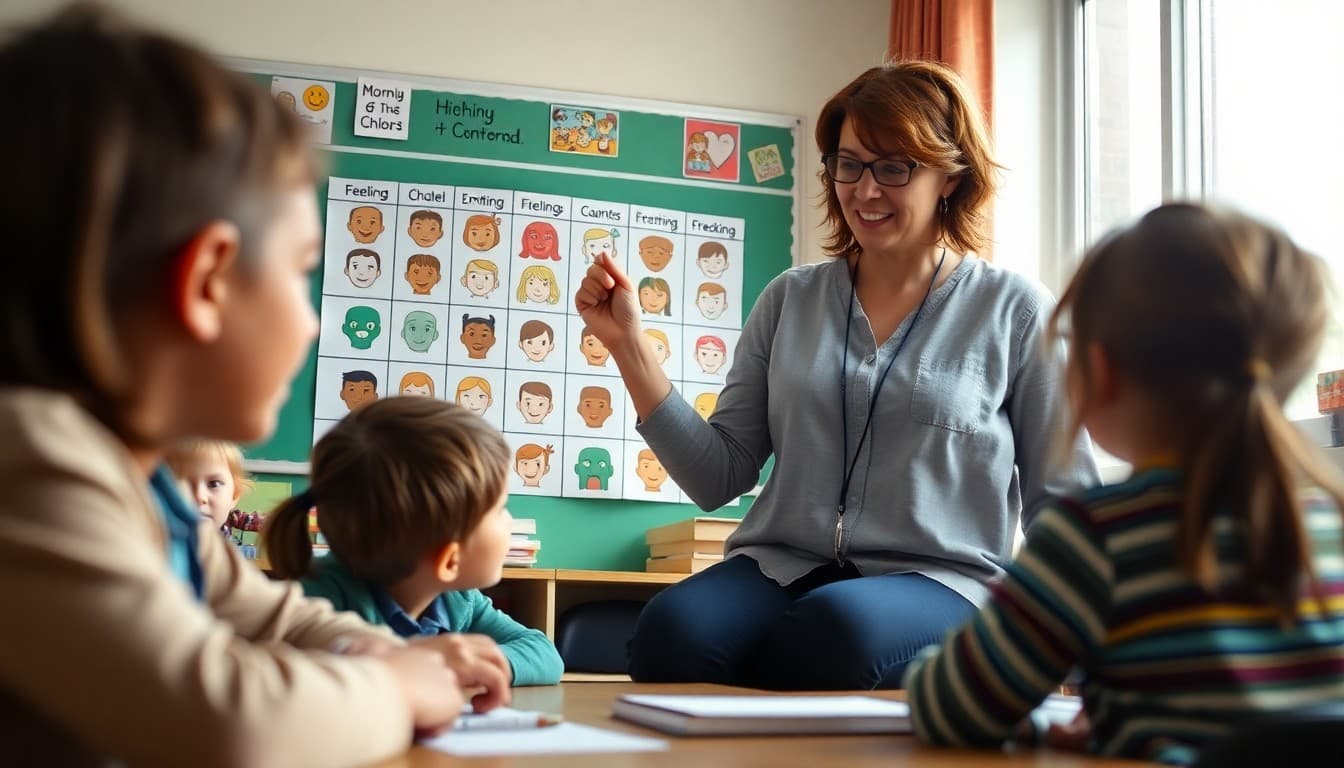
School Newsletter Emotional Intelligence: Why EQ Matters for Students
How schools can use newsletters to explain emotional intelligence to families, describe what EQ looks like in the classroom, and give families practical strategies to develop emotional awareness in their students.
Common questions
What should a professional development newsletter include?
Upcoming PD sessions with clear descriptions rather than just titles, any pre-work or materials required, the learning objective in plain terms, and a reflection prompt from the last session. Staff who know what to expect from PD engage with it more willingly than those who are told to show up.
How do I communicate PD outcomes to staff?
Share what you observed changing in classrooms after the last session. "Three teachers have already implemented the new exit ticket strategy. Here is what one of them noticed." That specificity validates the investment and models the reflective practice you are trying to build.
How do I get teacher buy-in for a new PD initiative before it launches?
Communicate the why before the what. Tell staff what problem the initiative is designed to address, reference a data point from your own school, and invite feedback before the rollout is finalized. Teachers who feel consulted before a decision is made are more likely to implement it than those who receive a mandate.