
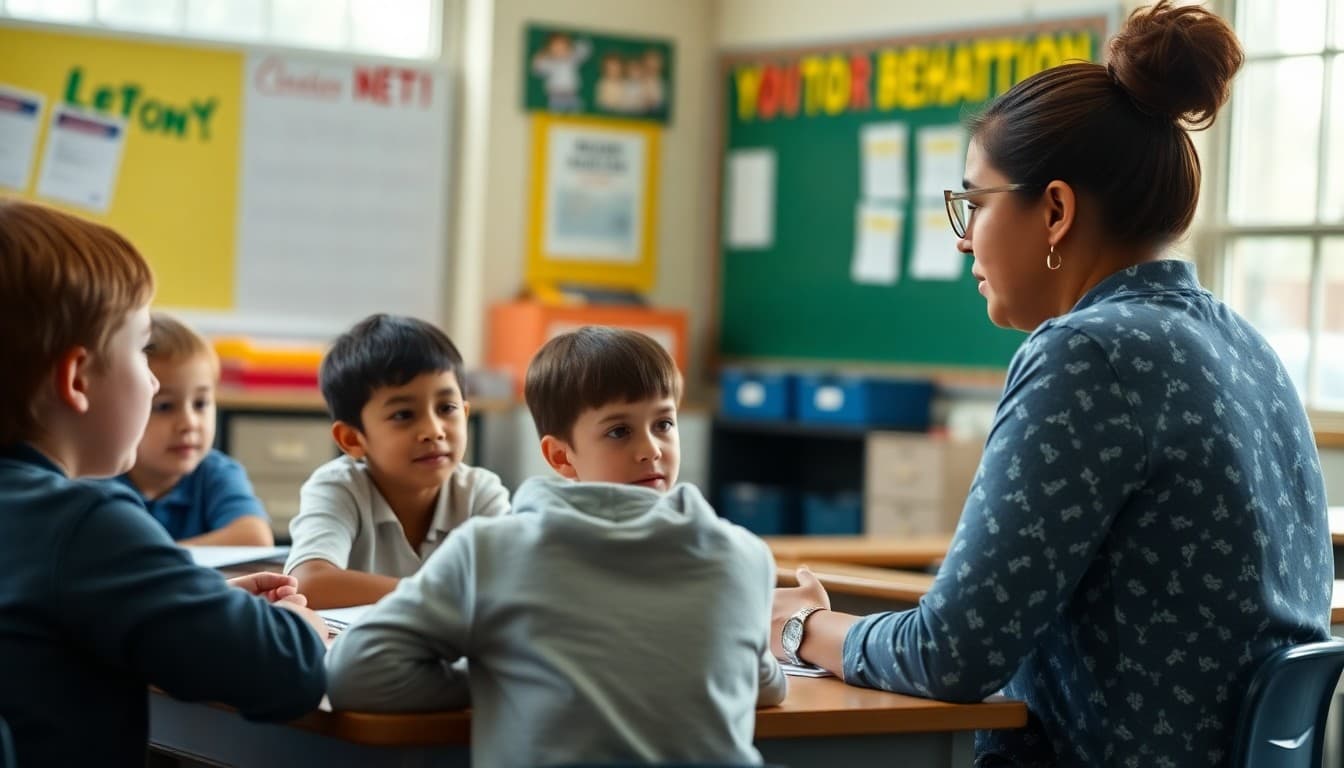
Teacher Newsletter Behavior Update: Communicating Classroom Expectations Clearly
Behavior is one of the most sensitive topics in school-family communication, and the newsletter is rarely the right place to address individual incidents. But it is exactly the right place to communicate classroom expectations, explain the behavior support system, and celebrate class-wide progress in building a positive learning community. Families who understand the expectations before problems arise are far better partners when something does go wrong.
Explaining the Classroom Behavior System
If your classroom uses a specific positive behavior system, describe it clearly in the first or second newsletter of the year. What behaviors earn recognition? What does the recognition look like? What happens when expectations are not met? How does the system connect to school-wide PBIS structures if your school uses them? Families who understand the system can ask their child about it, which reinforces the expectations at home.
Specific Behaviors and Why They Matter
Rather than listing generic values like "respect" and "responsibility," describe the specific behaviors that make your classroom run well. "Students practice active listening by making eye contact, waiting their turn to speak, and asking clarifying questions" is a much more useful description than "we value listening." Specific behavior descriptions help families coach their child in concrete ways and set clear expectations for what school looks and sounds like.
What the Class is Working On Together
Classroom communities have areas of growth, just like individual students. If the class is working on a specific social skill, like managing frustration during challenging work or resolving peer conflicts respectfully, naming it in the newsletter without attributing it to specific students is appropriate and informative. Families who know their class is working on a specific skill can reinforce it in conversations at home.
Celebrating Class-Wide Strengths
Behavior updates do not have to be about problems. Some of the most impactful behavior sections in a newsletter are genuinely celebratory: describing a moment when the class handled a conflict well, supported a classmate who was having a hard day, or showed particular kindness during a difficult situation. These stories build class identity and give families genuine pride in the community their child is part of.
Social-Emotional Learning in Context
If your class or school uses a structured SEL curriculum, the newsletter is a good place to tell families what concepts students are exploring. A brief description of the SEL unit, with a conversation starter families can use at home, extends the learning beyond school hours. Concepts like empathy, self-regulation, responsible decision-making, and growth mindset have direct family relevance and are worth communicating explicitly.
What Families Should Do with This Information
Always close a behavior update with a clear invitation: ask your child about the expectation, try the conversation starter, or reach out if you have questions. Families who receive information without a clear call to action tend to file it and forget it. A specific prompt turns the newsletter from passive information into active partnership.
Keeping the Right Channel Clear
The newsletter is for class-wide communication. Individual behavior concerns always warrant a private conversation with the family rather than a public update. Being clear about this in the newsletter itself, including a brief note about how to reach you with individual questions, ensures families know the difference between class-level communication and personal communication.
Get one newsletter idea every week.
Free. For teachers. No spam.
Frequently asked questions
When should a teacher send a behavior update in a newsletter?
At the start of the year when establishing expectations, at the beginning of each quarter as a reminder, and any time there is a class-wide behavior pattern that families should be aware of. Behavior updates are most effective when they are preventive and educational rather than reactive to specific incidents.
How do you communicate behavior expectations without singling out individual students?
Always frame behavior updates at the class level, never referencing individual students or incidents. Use 'students' and 'we' rather than 'some students are.' For individual concerns, direct communication with that student's family is always the right channel.
How do you explain positive behavior support systems to families in a newsletter?
Describe the system briefly: what behaviors earn recognition, how the recognition system works, and what the goal is. Parents who understand the system can reinforce it at home by asking about how the day went with the system in mind rather than just asking about grades.
How should teachers address social-emotional challenges in a newsletter?
At a general level, the newsletter can acknowledge that students are developing social-emotional skills and describe what the class is working on. For specific family concerns, the newsletter should direct families to contact the teacher directly. SEL updates in newsletters work best when they are specific about skills, not vague about feelings.
What tool works best for behavior and SEL classroom newsletters?
Daystage makes it easy to send consistent newsletters that include both academic and social-emotional content. Its clean layout helps separate different newsletter sections clearly so families know exactly what each part of the newsletter covers.

Adi Ackerman
Author
Adi Ackerman is a former classroom teacher and curriculum writer with 8 years in K-8 schools. She writes about school communication, parent engagement, and what actually works in real classrooms.
More for Professional Development
Classroom Newsletter Ideas That Parents Actually Read and Save
Professional Development · 6 min read
Teacher Newsletter for Parent Engagement: What Actually Works
Professional Development · 6 min read
Positive Behavior Support Newsletter: What PBIS Means for Families
Professional Development · 6 min read
Ready to send your first newsletter?
3 newsletters free. No credit card. First one ready in under 5 minutes.
Get started free