

Mindfulness Newsletter for Schools: Practices That Support Student Well-Being
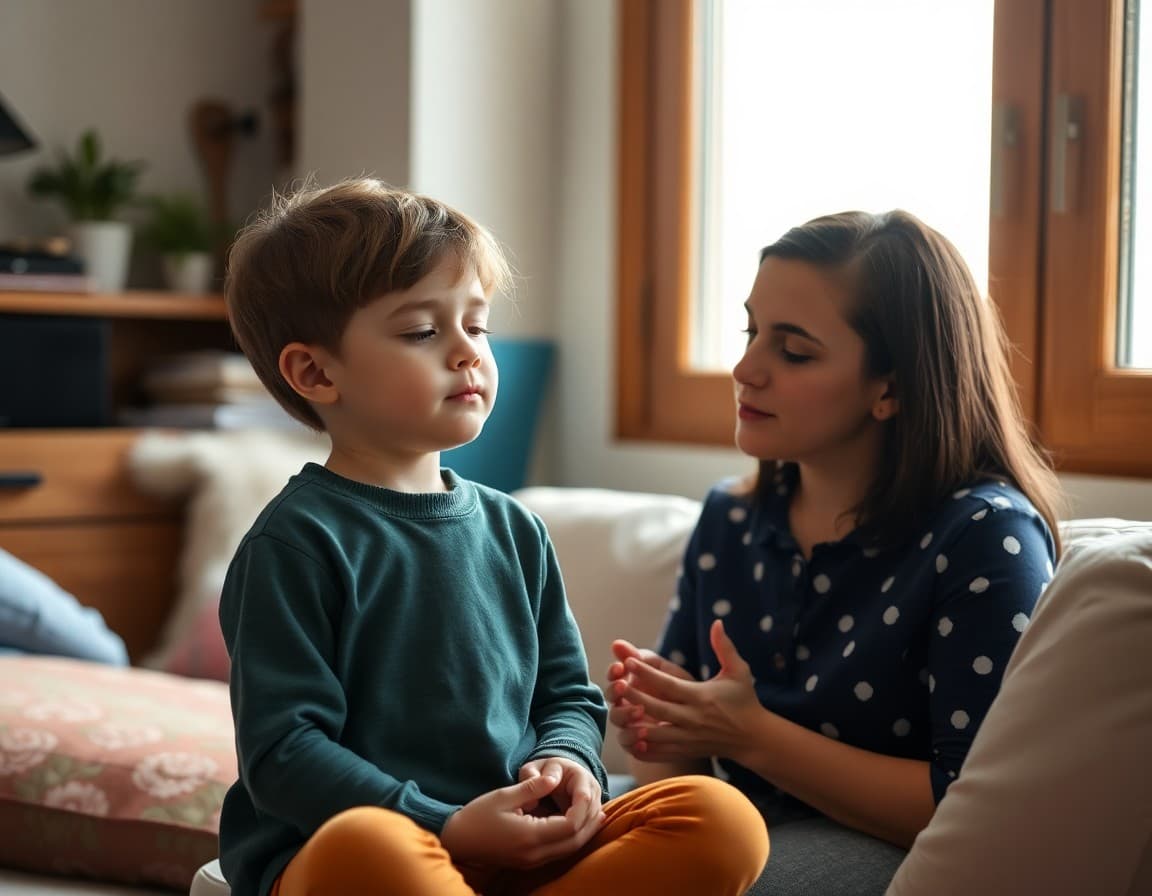
Mindfulness practices are increasingly common in school classrooms, and many families have questions about what their student is actually doing during those two minutes of quiet breathing. A newsletter that explains school mindfulness clearly, cites the evidence, and gives families simple practices to try at home turns a program families may be skeptical about into one they actively support.
Define mindfulness in plain language
Start by clarifying what school mindfulness is and is not. "Mindfulness, as we practice it in school, means paying deliberate attention to the present moment: noticing what we are thinking, feeling, and experiencing without immediately reacting. It is not meditation. It is not a religious practice. It is a set of attention and awareness skills that help students manage distraction, regulate their emotions, and stay focused during demanding academic work."
What students practice in class
Describe the specific practices students are using. "In our classroom, we begin each morning with two minutes of box breathing: breathe in for four counts, hold for four, breathe out for four, hold for four. Before tests or difficult tasks, we do a one-minute body scan: noticing how the body feels from feet to head. After lunch, we do a five-senses check-in to help students transition from the cafeteria back to learning mode. These practices take less than five minutes total and make the remaining learning time more productive."
What the research shows
"Research on school mindfulness programs shows statistically significant improvements in student attention, self-regulation, and reduction in anxiety for students who practice consistently. Programs like MindUP and .b (dot-be) have been tested in randomized controlled studies with elementary and secondary students. Mindfulness is not a cure for anxiety or attention difficulties. It is a tool that, practiced regularly, builds the regulation capacity that makes challenging work more accessible."
Simple home practices families can try
Give families three specific techniques they can use at home. Box breathing: great for homework transitions and before bed. Five senses: useful at the dinner table as a way to ground after a busy day. Mindful walking: noticing every step during an after-school walk or errand. Each takes under five minutes. "Try box breathing with your student tonight before homework. Breathe in together for four counts, hold for four, out for four, hold for four. Repeat four times. It takes less than two minutes and noticeably changes how many students approach homework."
Addressing religious or cultural concerns
"We recognize that some families have concerns about mindfulness practices and their connection to religious traditions. Our classroom practices are entirely secular. They involve breathing and attention, not spirituality. If you have specific concerns about the content your student is learning, I am glad to share our curriculum materials and discuss them with you. No student is required to participate in any practice that conflicts with family values."
Template: school mindfulness newsletter section
"Mindfulness in Our Classroom We practice two minutes of focused breathing at the start of each day. This is not meditation. It is an attention skill. Research shows consistent mindfulness practice improves student focus and reduces anxiety. To try at home: box breathing before homework. Breathe in 4 counts, hold 4, out 4, hold 4. Repeat 4 times. Takes 2 minutes. Try it once this week. Questions about our practices? Contact me at [email]."
Daystage makes it easy to send mindfulness newsletters with embedded video links and resources that families can access immediately to extend the practice at home.
Get one newsletter idea every week.
Free. For teachers. No spam.
Frequently asked questions
What should a school newsletter about mindfulness explain to families?
A mindfulness newsletter should explain: what mindfulness means in a school context (attention, present-moment awareness, not religious practice), what specific practices students are learning and using, what the research says about mindfulness and student attention and regulation, how families can use simple mindfulness practices at home, and what families should do if they have concerns about mindfulness in school. Addressing concerns proactively is important since some families have religious or cultural objections.
How should schools address concerns about mindfulness from religious families?
Address the concern directly in the newsletter. 'Some families have questions about whether school mindfulness practices conflict with their religious beliefs. Our mindfulness practices are entirely secular: they focus on breathing, attention, and noticing thoughts and feelings. They do not include meditation, visualization, or any spiritual content. If you have specific concerns about the practices your student is learning, please contact me and I am happy to share the specific curriculum materials.'
What mindfulness practices are appropriate to share in school newsletters?
Newsletter-appropriate mindfulness practices are brief, secular, and actionable. Box breathing (breathe in 4 counts, hold 4, out 4, hold 4). Body scan (notice how each part of the body feels, starting with feet). Five senses check-in (name 5 things you see, 4 you hear, 3 you can touch, 2 you smell, 1 you taste). Mindful walking (notice each step and what you observe). These take under five minutes and are accessible to students of all ages.
What does the research say about mindfulness in schools?
Research on school-based mindfulness programs shows promising effects on student attention, self-regulation, and reduction in anxiety symptoms. Studies from programs like MindUP and .b (dot-be) show statistically significant improvements in student focus and emotional regulation compared to control groups. The effects are strongest for students who practice consistently and for programs that train teachers well. A newsletter can reference the evidence base without overselling: mindfulness is a tool, not a cure.
How does Daystage support mindfulness newsletters from schools?
Daystage lets schools send mindfulness newsletters with embedded links to specific breathing exercise videos, free mindfulness apps appropriate for the grade level, and research summaries for families who want the evidence base. A newsletter with a direct link to a two-minute breathing exercise video is far more likely to produce home practice than one that describes the technique in text. Daystage makes it easy to include these resources in a professional, shareable format.

Adi Ackerman
Author
Adi Ackerman is a former classroom teacher and curriculum writer with 8 years in K-8 schools. She writes about school communication, parent engagement, and what actually works in real classrooms.
More for Professional Development
School Newsletter Self-Regulation: Building Student Emotional Control
Professional Development · 6 min read
School Newsletter Emotional Intelligence: Why EQ Matters for Students
Professional Development · 6 min read
SEL Newsletter for Middle School: Navigating Emotions and Friendships
Professional Development · 6 min read
Ready to send your first newsletter?
3 newsletters free. No credit card. First one ready in under 5 minutes.
Get started free